A bio based waterproof membrane jacket factory produces outerwear that incorporates membranes derived partly or wholly from renewable plant or bio-feedstock sources, replacing some or all petroleum-based polymers. Current commercial offerings range from 13% bio-based polycarbonate PU (Patagonia Torrentshell 3L) to over 60% bio-based microporous films (Dimpora), though most factories source membranes from third-party mills rather than synthesizing them in-house. Bulk production typically starts at 10 pieces per style, sampling at 1 piece, with lead times of 7 to 10 days for samples and 25 to 35 days for production.
📋 Table of Contents
- Key Takeaways
- What Bio-Based Actually Means in a Waterproof Jacket
- Membrane Source vs Factory Capability
- Three Layers Where Bio-Based Content Can Appear
- MOQ, Sampling, and Lead Time for Bio-Based Membrane Jackets
- Certifications and Testing That Matter
- Cost Drivers: Why Bio-Based Membranes Add 15 to 40% to FOB
- Frequently Asked Questions
Key Takeaways
- Bio-based content in waterproof jackets most commonly appears in the membrane layer, the face fabric, or the DWR finish, and a jacket marketed as bio-based may carry renewable material in only one of those three layers.
- Commercial bio-based membranes available to OEM jacket manufacturing buyers in 2026 range from 13% to over 60% renewable content, with polycarbonate polyurethane and plant-derived microporous films being the two dominant chemistries.
- Most jacket factories source membranes from specialized mills rather than synthesizing them, so the factory’s role is lamination, seam taping, and quality control rather than polymer formulation.
- Sampling for a bio based waterproof membrane jacket factory typically requires 1 piece and 7 to 10 days, while bulk production starts at 10 pieces per style with a 25 to 35 day lead time.
- PFAS-free and PFC-free claims are independent of bio-based content; a membrane can be bio-based yet still use fluorinated DWR, or it can be petroleum-based and entirely fluorine-free.
- Certifications that verify bio-based content include USDA BioPreferred, ASTM D6866 carbon-14 testing, and TÜV Austria OK biobased, though many factories rely on mill certificates rather than finished-garment testing.
What Bio-Based Actually Means in a Waterproof Jacket
Bio-based content refers to the percentage of carbon in a material that originates from recently living organisms, measured using ASTM D6866 radiocarbon analysis. A 60% bio-based membrane contains 60% plant or bio-feedstock carbon and 40% fossil carbon. The term does not describe biodegradability, compostability, or recyclability; it describes feedstock origin only.
Bio-Based vs Recycled vs Biodegradable
Recycled content comes from post-consumer or post-industrial waste streams and may be entirely petroleum-derived. Bio-based content comes from renewable agricultural or forestry feedstocks. Biodegradable means the material breaks down in specific conditions, which waterproof membranes intentionally do not do. A jacket can be bio-based without being recyclable, recyclable without being bio-based, or both.
Why the Percentage Matters
A jacket described as bio-based may contain as little as 13% renewable carbon in one layer while the remaining 87% and all other layers remain conventional. Patagonia’s Torrentshell 3L uses a polycarbonate PU membrane with 13% bio-based content, recycled nylon face fabric, and a fluorine-free DWR. Dimpora’s microporous membrane exceeds 60% bio-based content. Buyers comparing quotes should ask for the specific bio-based percentage and which layers carry it.
Common Feedstocks
Plant oils (castor, soybean, palm), agricultural waste (corn stover, sugarcane bagasse), and forestry byproducts supply the monomers for bio-based polyurethanes and polyesters. Castor oil is the most common source for bio-based polyols in waterproof membranes because it requires no genetic modification and grows on marginal land.
Membrane Source vs Factory Capability
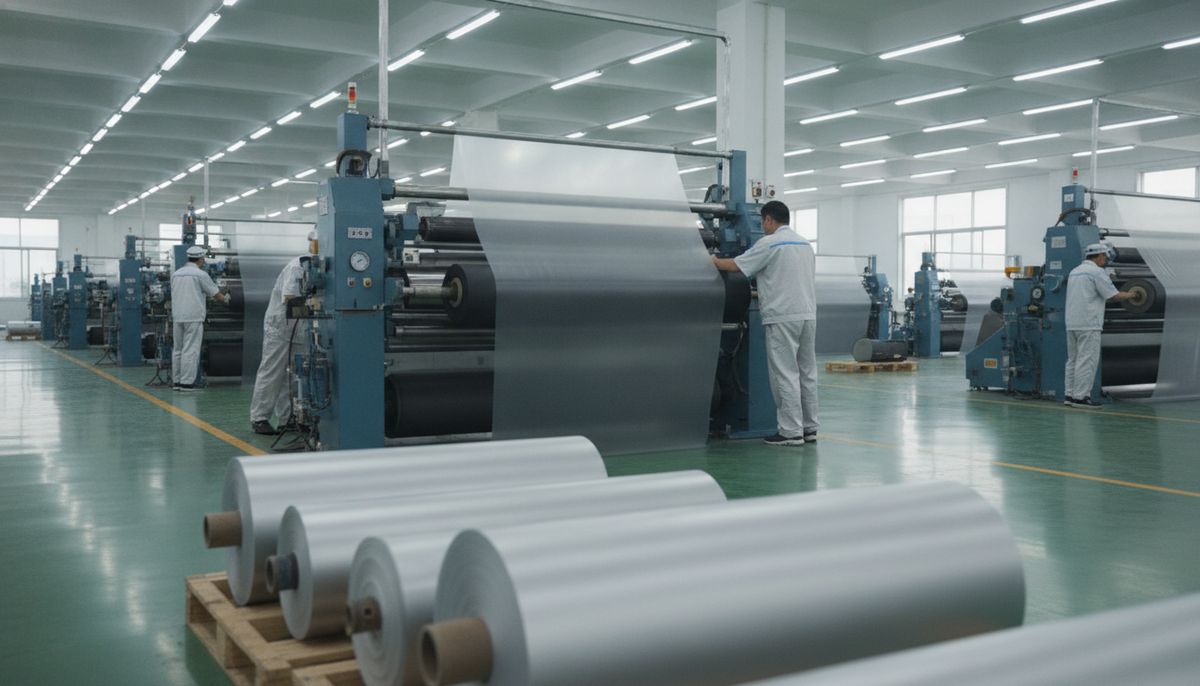
Most jacket factories do not synthesize membranes. They purchase rolls of laminated or unlaminated membrane from specialized mills, then cut, sew, and seal the garments. A bio based waterproof membrane jacket factory’s core capability is lamination accuracy, seam-tape application, and QC, not polymer chemistry.
Mills That Supply Bio-Based Membranes
Dimpora (Switzerland), Sympatex (Germany), and a growing number of Chinese and Taiwanese mills offer bio-based or partially bio-based membranes to garment manufacturers. Minimum order quantities at the mill level typically start at 1,000 linear meters, which translates to roughly 300 to 500 jackets depending on pattern efficiency. Factories that stock these membranes can offer lower garment MOQs; those that do not require the buyer to meet the mill MOQ or accept a substitute membrane.
What the Factory Actually Does
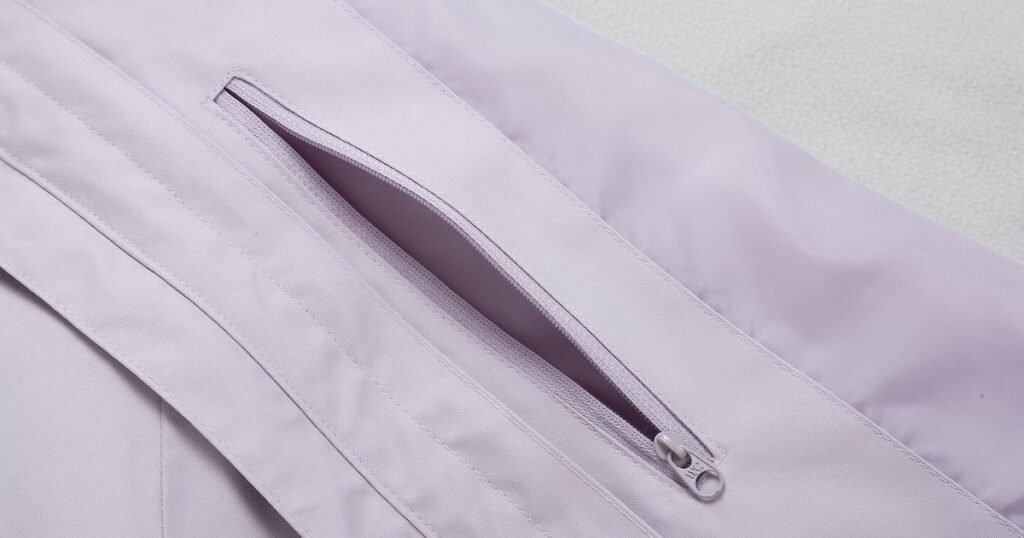
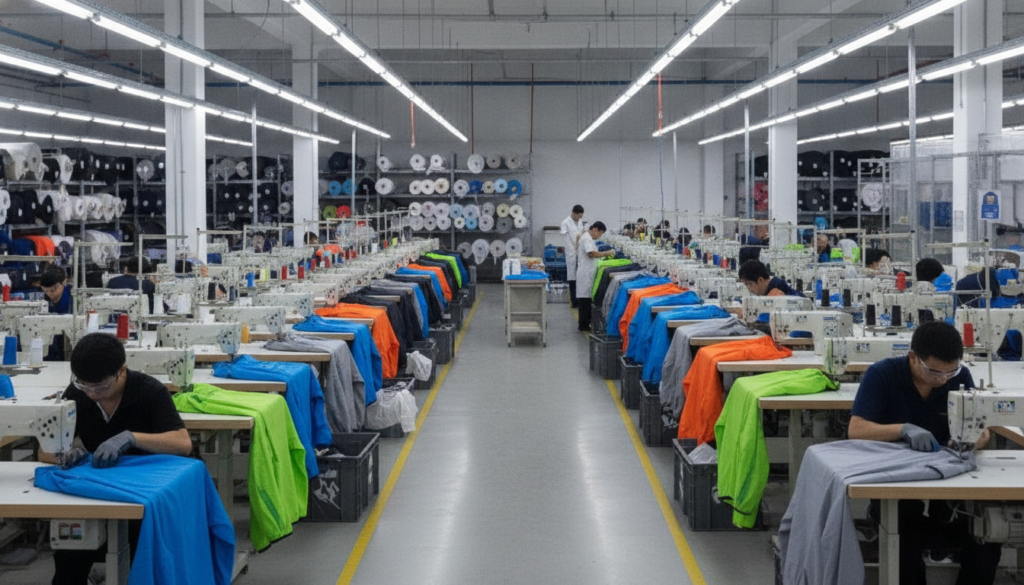
The factory laminates the membrane to the face fabric (2-layer construction) or sandwiches it between face and lining (3-layer), applies seam tape to every stitch line, installs waterproof zippers, and inspects hydrostatic head and breathability. PTOUTWEAR’s 3,000m² Taizhou Sanmen facility runs 20 production lines with in-house lamination, seam taping, and ISO 9001 QC, sourcing membranes from mills that provide SGS test reports and material safety data sheets.
Why This Matters for Small Buyers
A factory that stocks bio-based membranes or maintains relationships with multiple mills can offer low MOQ production and faster sampling. A factory that sources membranes on a per-order basis will pass the mill MOQ and lead time directly to the buyer. Ask whether the membrane is stocked, what the mill MOQ is, and whether the factory has completed prior orders with that specific membrane.
Three Layers Where Bio-Based Content Can Appear
A waterproof jacket has three functional layers: the face fabric, the membrane, and the DWR finish. Bio-based content can appear in any or all of them, and marketing claims often conflate the three.
Face Fabric: Recycled vs Bio-Based
Recycled nylon and polyester dominate the sustainable face-fabric market because the supply chain is mature and the cost premium is low. Bio-based nylon from castor oil (PA 6.10, PA 10.10) costs 20 to 40% more than recycled nylon and is available from fewer mills. A jacket with a bio-based face fabric but a conventional membrane is not a bio based waterproof membrane jacket; the waterproofing layer remains petroleum-derived.
Membrane: Where Waterproofing Lives
The membrane is the continuous hydrophobic layer that blocks liquid water while allowing water vapor to escape. Polycarbonate polyurethanes with 13 to 30% bio-based polyol content are the most common commercial option. Microporous membranes with over 60% bio-based content are newer, more expensive, and available from fewer mills. Both achieve 20,000 mm hydrostatic head ratings when formulated correctly, but long-term durability data (500+ wash cycles, UV exposure, flexing) remains thin.
DWR: The Sacrificial Outer Layer
Durable water repellent finishes are not waterproof; they prevent the face fabric from wetting out, which preserves breathability. Fluorinated DWRs (C6, C8) last longest but face regulatory pressure. Plant-wax and paraffin-based DWRs are PFAS-free and can be bio-based, but they require reproofing every 10 to 20 washes instead of every 30 to 50. Buyers often discover this only after the first bulk order, when customer complaints about wet-out arrive.
In practice: DWR is what separates a jacket that breathes after ten washes from one that feels clammy, which is why sample wash testing before bulk production is standard practice for any PFAS-free finish.
MOQ, Sampling, and Lead Time for Bio-Based Membrane Jackets
Minimum order quantities and lead times for bio-based membrane jackets depend on whether the factory stocks the membrane or sources it per order.
Sample MOQ: 1 piece. Bulk MOQ: 10 pieces per style (mix colours and sizes). Sampling time: 7 to 10 days. Bulk production: 25 to 35 days.
Sampling: 1-Piece Prototypes
A sample development run for a bio-based membrane jacket costs $100 to $200 per piece, refunded against a first bulk order of 30+ pieces. The factory cuts one shell, laminates or sources pre-laminated membrane, applies seam tape, and completes assembly. Turnaround is 7 to 10 days when the membrane is in stock, 15 to 25 days when the mill must ship a small lot. Request a hydrostatic-head test report and a seam-peel-strength report with the sample.
Bulk MOQ: 10 Pieces Per Style
Bulk production for private label bio-based membrane jackets starts at 10 pieces per style, with colours and sizes mixed. School and corporate uniform programs require 30 pieces per style per colour to justify setup and seam-tape waste. Factories that stock the membrane can run smaller batches; those that order membrane per job require 100 to 300 pieces to meet the mill MOQ.
Lead Time: 25 to 35 Days Standard, 14 Days Rush
Standard production takes 25 to 35 days from approved sample to finished goods, including fabric and membrane sourcing, cutting, lamination, sewing, seam taping, QC, and packing. A rush option for 1,000 pieces in 14 days carries a 25% surcharge and requires the membrane to be in stock. DDP shipping to the US, UK, or EU adds 18 to 30 days by sea, 5 to 7 days by air.
Certifications and Testing That Matter
Certifications for bio-based content, waterproofing, and chemical safety are issued by different bodies and verify different claims. A jacket can pass waterproofing tests but fail bio-based verification, or vice versa.
Bio-Based Content Verification
- ASTM D6866: Radiocarbon analysis that measures the percentage of bio-based carbon in a material. The test costs $300 to $600 per sample and takes 7 to 10 days. Mills provide D6866 reports for membranes; garment manufacturers rarely re-test the finished jacket.
- USDA BioPreferred: US federal program that certifies products meeting minimum bio-based content thresholds. The threshold for textiles is 25% bio-based carbon. Certification costs $1,500 to $3,000 annually plus royalties.
- TÜV Austria OK biobased: European certification using EN 16785-1 (similar to ASTM D6866). Recognized in EU green public procurement.
Waterproofing and Breathability
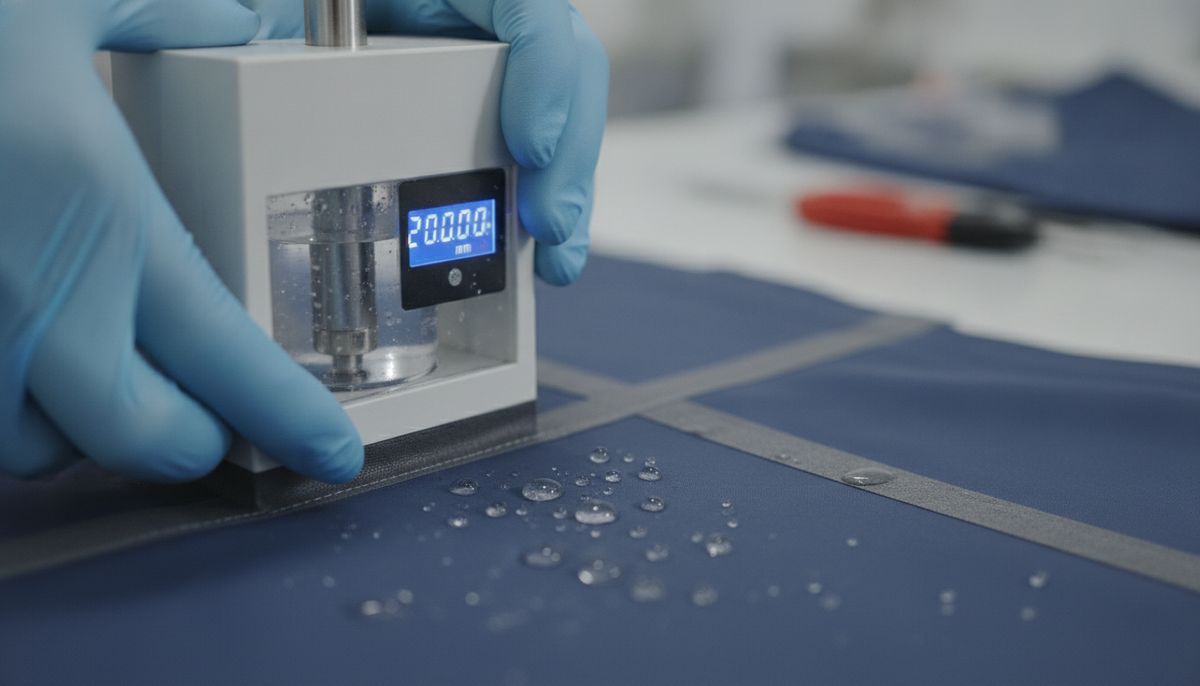
- Hydrostatic head (ISO 811 / AATCC 127): Measures water pressure resistance in millimeters. A 20,000 mm rating means the fabric withstands a 20-meter column of water before leaking. Seam-taped jackets should test above 15,000 mm at the seam.
- Moisture vapor transmission rate (ISO 11092 / ASTM E96): Measures breathability in grams per square meter per 24 hours. Values above 10,000 g/m²/24h are considered highly breathable.
- Seam peel strength (ISO 13935-2): Measures the force required to separate a seam-taped joint. Minimum acceptable value is 50 Newtons; durable seams exceed 80 N.
Chemical Safety and Sustainability
- OEKO-TEX Standard 100: Screens textiles against restricted substances. Does not verify bio-based content or waterproofing performance.
- bluesign: Certifies that inputs (dyes, membranes, finishes) meet chemical-safety and environmental criteria. Mills hold bluesign certification; garment factories use bluesign-approved materials.
- Global Recycled Standard (GRS): Verifies recycled content and chain of custody. Does not apply to bio-based materials unless they are also recycled.
Cost Drivers: Why Bio-Based Membranes Add 15 to 40% to FOB
Bio-based membranes cost more than conventional polyurethane or polyester membranes because feedstock supply chains are shorter, production volumes are lower, and mills pass R&D costs to early adopters.
Membrane Cost
A conventional 2-layer PU membrane costs $1.80 to $2.50 per linear meter. A bio-based PU membrane with 20 to 30% renewable content costs $2.50 to $3.50 per meter. A 60%+ bio-based microporous membrane costs $4.00 to $6.00 per meter. A jacket uses 1.5 to 2.0 meters of membrane, so the membrane cost delta is $1.00 to $7.00 per garment.
Lamination and Seam Taping
Lamination and seam taping add $2.00 to $4.00 per jacket regardless of membrane type. Bio-based membranes require the same equipment and process as conventional membranes, so labor cost is identical. Factories that lack lamination equipment outsource the step, adding $1.50 to $2.50 per garment and 5 to 7 days to lead time.
Certification and Testing
ASTM D6866 testing costs $300 to $600 per sample. USDA BioPreferred certification costs $1,500 to $3,000 annually. These costs are amortized over production volume; a 1,000-piece order adds $2 to $4 per jacket, while a 100-piece order adds $15 to $30 per jacket. Mills typically provide D6866 reports for the membrane, and buyers rely on those rather than testing the finished garment.
Total FOB Impact
A conventional 2-layer hardshell jacket with seam taping costs $18 to $28 FOB. Switching to a 20% bio-based membrane adds $3 to $6 per jacket (15 to 25% increase). Switching to a 60% bio-based membrane adds $8 to $12 per jacket (35 to 45% increase). The delta shrinks as order volume rises and certification costs amortize.
Frequently Asked Questions
Can a factory make a fully bio-based waterproof jacket?
No commercially available waterproof jacket in 2026 is 100% bio-based. The highest bio-based content membranes exceed 60%, but zippers, thread, seam tape, and hardware remain largely petroleum-derived. A jacket marketed as bio-based typically contains 15 to 40% renewable carbon across all components. Buyers seeking maximum bio-based content should specify the target percentage for each layer and request ASTM D6866 reports for the membrane, face fabric, and lining separately.
Does bio-based mean the jacket is biodegradable?
No. Bio-based describes the feedstock origin, not the end-of-life behavior. A bio-based polyurethane membrane is chemically identical to a petroleum-based one and will not biodegrade in a landfill or compost bin. Some mills are developing biodegradable waterproof membranes, but these remain experimental and are not yet available for commercial garment production. Buyers concerned with end-of-life should prioritize recyclability and take-back programs rather than biodegradability claims.
How do I verify a factory’s bio-based membrane claim?
Request the mill’s ASTM D6866 test report for the membrane, which shows the measured bio-based carbon percentage and the testing lab’s accreditation. The report should be dated within the past 12 months and should name the specific membrane grade the factory plans to use. If the factory cannot provide a mill report, ask for the mill’s name and contact information so you can request it directly. Third-party verification through USDA BioPreferred or TÜV Austria OK biobased adds a layer of audit but is not required for most B2B buyers.
Ready to source bio-based waterproof jackets with transparent membrane sourcing, 1-piece sampling, and 10-piece bulk MOQs?
Request a sample and mill certificate →
Written by Ivan Chen, Sales Engineer at PTOUTWEAR, 13 years in outdoor apparel manufacturing.