📋 Table of Contents
If you are launching a snowboard brand or sourcing team uniforms for a ski program, finding baggy snowboard pants with the right waterproofing, reinforced seams, and unrestricted mobility can sink your timeline when most factories demand 300-500 piece minimums. Small-batch testing is out of reach until you connect with a manufacturer built for low-MOQ technical outerwear.
Executive Summary
- Market opportunity: The global outdoor apparel market reached $18.3 billion in 2024 (Statista), with snowboard pants carving a growing niche among relaxed-fit performance styles.
- Low-MOQ access: A sample MOQ of 1 piece and a bulk MOQ of 30 pieces per SKU let you validate baggy snowboard pants designs without overcommitment (PTOUTWEAR production model).
- Certification safety: OEKO-TEX Standard 100 screens textiles for over 1,000 harmful substances, giving buyers confident compliance with EU and US regulations.
- Sustainability traction: Textile Exchange reports recycled polyester demand rose 58% between 2019 and 2023, making PFC-free DWR and recycled fabrics a sourcing priority.
- Supply chain agility: A 2025 McKinsey survey found 72% of apparel sourcing executives plan to diversify supplier bases within two years, favouring partners with fast sampling and flexible MOQs.
What Makes Baggy Snowboard Pants Different to Source?
Baggy snowboard pants require a relaxed fit block that still performs under wet, high-movement conditions. A standard OEM jacket factory OEM outerwear factory may not have the pattern engineering required for oversized legs and articulated knees while maintaining waterproof seam integrity.
Fit Blocks and Size Grading Challenges
A true baggy silhouette needs around 10-15 cm extra ease across the hip and thigh compared to slim-fit patterns. Without a size grading rule set that accounts for snowboard-specific stances and layering, brands end up with inconsistent sizing across small to XL runs.
Waterproofing and Breathability Demands
Riders sit on wet lifts, take spills in powder, and sweat through hike-ups. A rating of 15,000 mm waterproofness and 10,000 g/m²/24h breathability is the baseline for baggy snowboard pants aimed at resort and backcountry use.
Seam Sealing and Abrasion Resistance
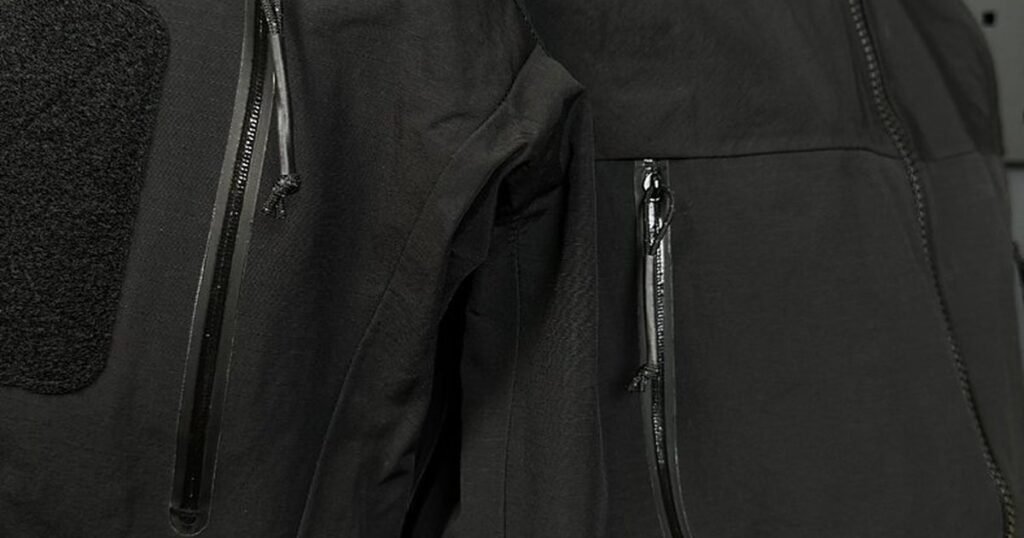
Critically taped seams prevent leak points; fully taped is preferred over critically taped for snowboard applications. Abrasion-resistant nylon or polyester face fabrics with a denier of 70D-150D extend pant life when riders slide on hardpack.
Fabric Specifications That Matter for Performance
Material choice directly impacts whether baggy snowboard pants stay dry, breathe, and survive a full season. Technical outerwear manufacturers evaluate three layers: face fabric, membrane, and backer.
Membrane Types and Waterproof Ratings
DWR Coatings: PFC-Free Options
Durable water repellent finishes keep face fabric from wetting out. As of 2026, PFC-free DWR has become the standard for brands targeting EU and North American eco-conscious retailers. OEKO-TEX and ZDHC MRSL compliance confirm no long-chain perfluorinated chemistries.
Abrasion Resistance and Durability
Look for fabrics with a Martindale abrasion score above 50,000 cycles. Reinforced kick patches at the inside ankle and hem overlays add lifespan-critical for rental and team programs.
MOQs, Sampling, and Production Timelines
Run a startup or school program, and standard minimums of 300-500 units per design can freeze cash for two seasons. A different model exists for low-MOQ technical outerwear.
Sample MOQ: 1 piece. Bulk MOQ: 30 pieces per SKU. Sampling time: 7-10 days.
Sampling Process and Turnaround
A single pre-production sample lets you test fit, fabric hand feel, and waterproof taping before committing to bulk. Dedicated sampling lines can turn a first prototype in 7-10 days, versus the 3-4 weeks typical at larger factories.
Bulk Production MOQ Comparison
Lead Times from China to the US
Production lead times run 25-35 days after deposit. Add 15-25 days for ocean freight to the West Coast. Air freight cuts delivery to 7-10 days for urgent restocks.
Private Label and Custom Branding Options
When you launch baggy snowboard pants under your own label, you need more than just a blank garment. Private-label outerwear should feel like your own product from the first hangtag the consumer sees.
Logo Application Techniques
- Direct embroidery: High-end look for hip logos and back pocket branding; adds durability.
- Heat transfer: Ideal for complex multi-color designs; works on waterproof fabrics when using low-temperature adhesives.
- Woven labels: Perfect for inside waistband branding and size tabs.
Custom Labels and Hang Tags
Branded woven neck labels, care labels with OEKO-TEX certification reference, and FSC-certified hang tags all contribute to a cohesive retail presentation. A custom logo service manages the entire trim package from a single point of contact.
Packaging Options for Retail
- Polybag with brand sticker: Cost-efficient for online fulfilment.
- Recyclable cardboard sleeve: Meets eco-conscious retailer requirements.
- Full-color gift box: Increases perceived value for premium DTC lines.
Cost Breakdown and Wholesale Pricing Strategies
Understanding landed cost per unit helps you set a wholesale price that yields 50-60% margin after marketing. The table below reflects typical pricing for a mid-tier TPU-laminate baggy snowboard pants with fully taped seams.
Unit Costs by Order Volume
Costs assume 3-layer laminated fabric, fully taped seams, and basic embroidery logo. Custom linings or membrane upgrades increase per-unit pricing by $3, $5.
Shipping and Logistics Considerations
Ocean LCL (less than container load) costs around $0.80, $1.20 per kg from Ningbo to Los Angeles. Factor in 12-15% for US import duties on polyester-based snowboard pants under HTS 6113.00.
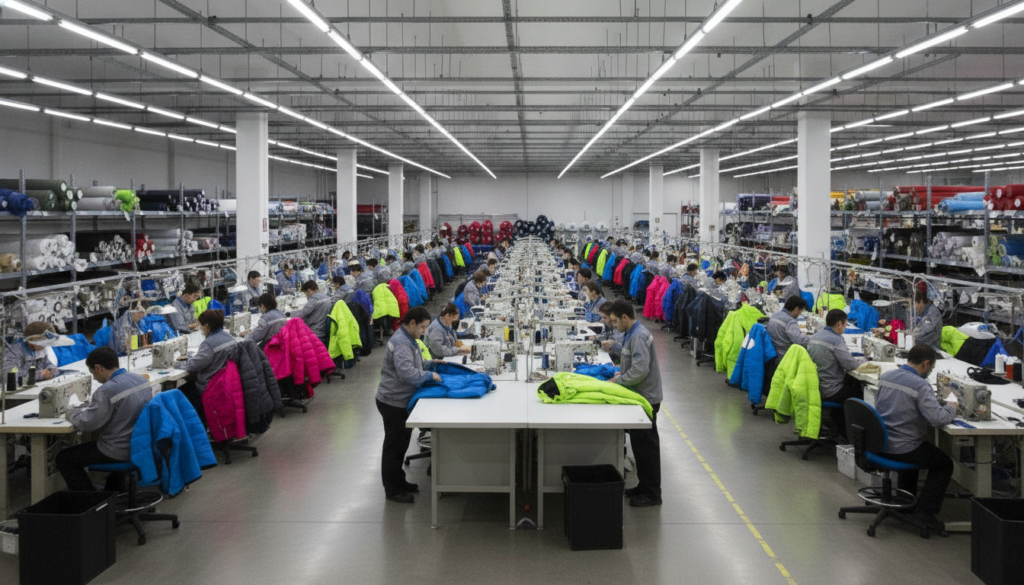
In our 12+ years manufacturing technical outerwear in Taizhou and Yiwu, we have seen small brands launch profitable lines by starting with 30-piece runs and reinvesting profits into larger orders.
Key Takeaways
- The global outdoor apparel market exceeded $18.3 billion in 2024, according to Statista, making snowboard pants a viable category for private-label expansion.
- OEKO-TEX Standard 100 certification screens textiles for more than 1,000 harmful substances, ensuring compliance for baggy snowboard pants sold in the US and EU.
- Textile Exchange’s 2024 report confirms recycled polyester fiber production grew 8% year-over-year, aligning with rising demand for sustainable snowboard outerwear.
- A 2025 McKinsey survey found that 72% of apparel sourcing executives plan to diversify supplier bases within two years, rewarding manufacturers with low-MOQ agility.
- Grand View Research projects the global snowboard market to grow at a CAGR of 5.6% through 2030, increasing demand for performance-oriented baggy snowboard pants.
FAQ
Are baggy snowboard pants better than slim-fit pants?
Baggy snowboard pants offer greater freedom of movement and easier layering over protective gear. The extra room around the seat and knees reduces restriction during deep carves and falls. Slim-fit pants may feel less bulky but can limit mobility and trap heat. For park laps and backcountry riding, the relaxed fit generally improves comfort and air circulation.
What should I look for in snowboard pants?
Prioritize a waterproof rating of at least 15,000 mm, fully taped seams, and breathability above 10,000 g/m²/24h. Check for reinforced kick patches, ankle gaiters, and zippered ventilation. The fit should allow a full range of motion with room for impact shorts. Material durability against abrasion and PFC-free DWR coatings are also key for long-lasting performance.
Are baggy snowboard pants waterproof?
Yes, quality baggy snowboard pants use waterproof/breathable membranes like TPU or ePTFE paired with DWR finishes. A rating of 15,000-20,000 mm ensures water stays out during wet lift rides and deep powder. Fully taped seams prevent leakage at stitch lines. Entry-level models may use PU coatings that are water-resistant but less durable under heavy moisture.
How should snowboard pants fit?
Snowboard pants should fit loosely enough to layer thermal underwear and impact shorts without restricting movement. The waist should sit comfortably, often with adjustable tabs or belt loops. Inseam should be long enough that the pants don’t ride up when bending knees. Baggy styles add 10-15 cm of ease through the hip and thigh for that signature relaxed silhouette.
What is the best material for snowboard pants?
A 75D-150D polyester or nylon face fabric with a TPU or ePTFE membrane offers the best balance of waterproofness, breathability, and durability. PFC-free DWR coatings shed moisture while meeting environmental standards. Recycled nylon or polyester options reduce carbon footprint without sacrificing performance. High-abrasion zones benefit from Cordura or Keprotec overlays for extended life.
Ready to test your baggy snowboard pants designs without tying up cash?
Request 1‑piece samples →
For a factory-direct reference on stretch fabrics in legwear, see our stretch guide hiking pants (PT-PN-06) spec page.