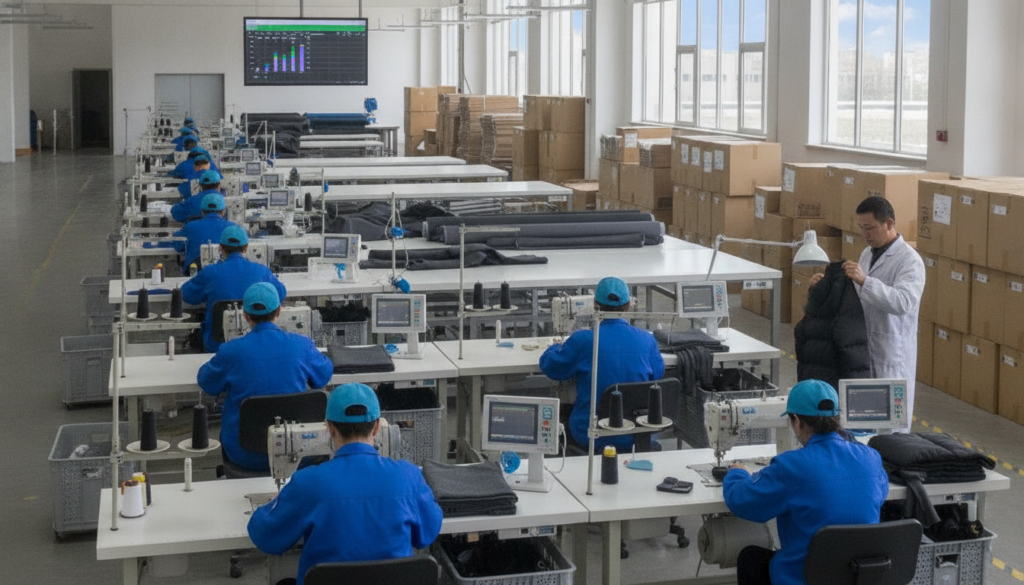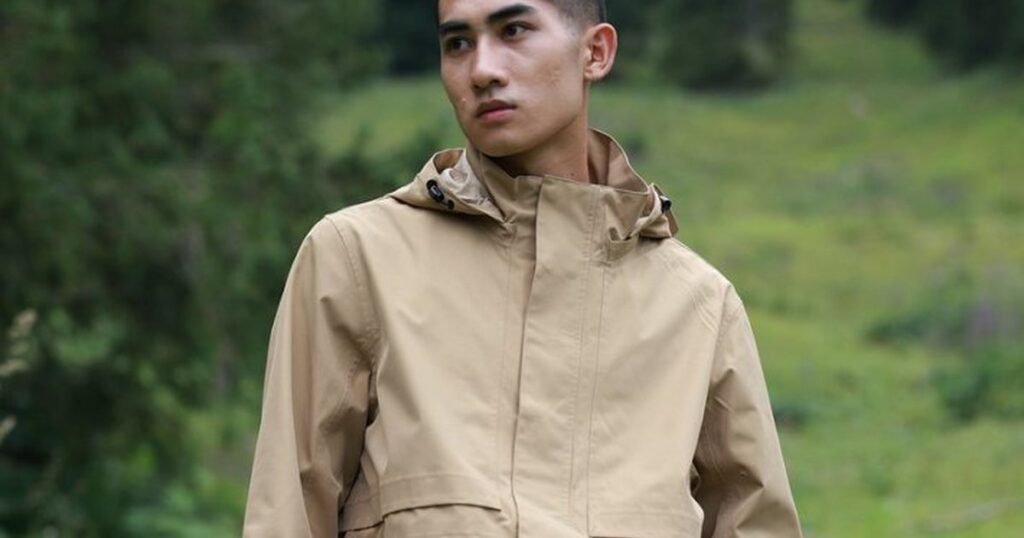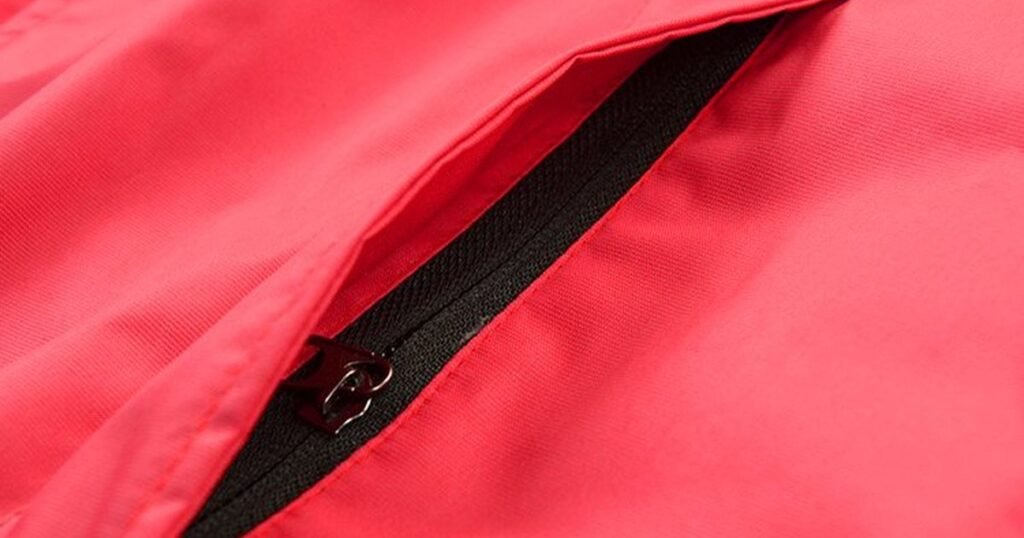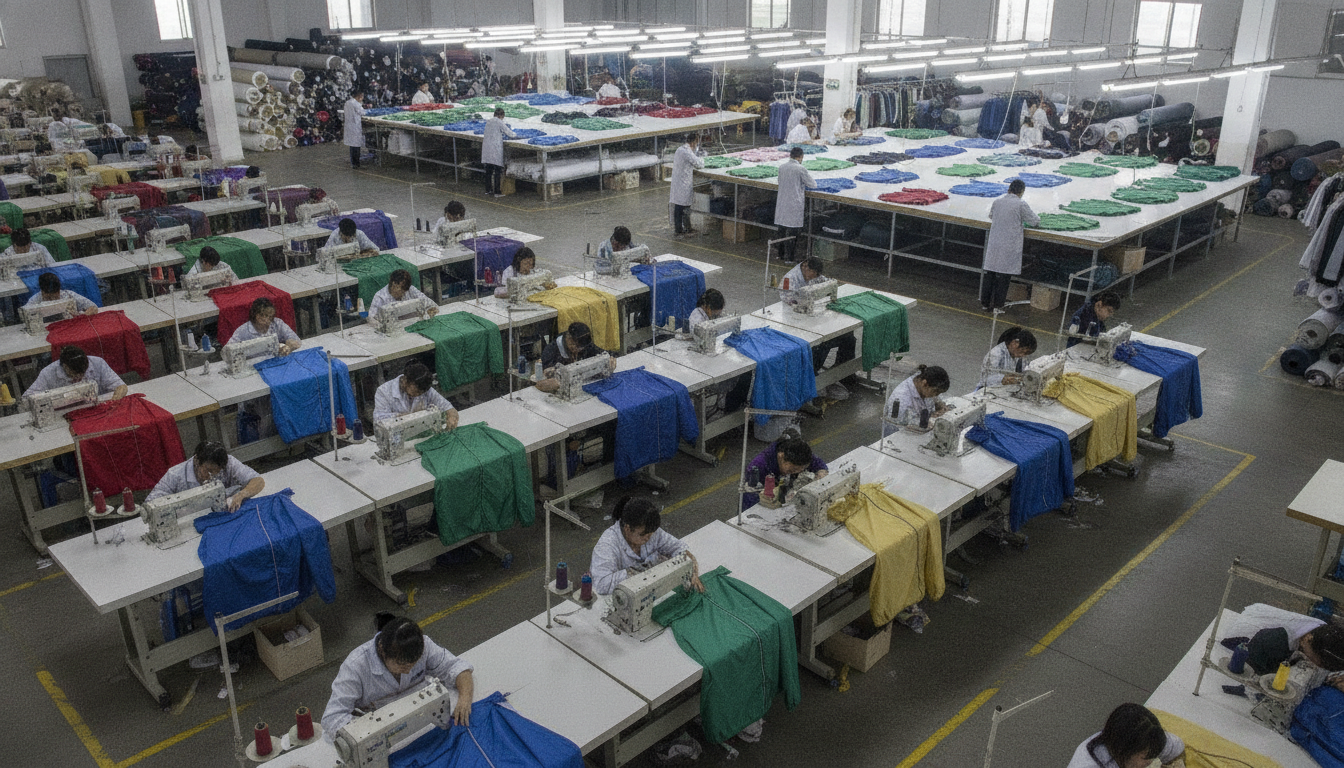
Wholesale windbreaker jackets from a vertically integrated factory start at 30 pieces per SKU for bulk orders, with 1-piece samples available in 7-10 days. Pricing depends on fabric weight, construction method, and decoration complexity, with packable ultralight styles typically ranging from $4.94 to $7.60 per unit at volume and lined rainproof shells from $7.28 to $11.20 per unit, according to Ruixing Gifts (2026). Lead times for bulk production run 25-35 days, with rush orders of 1,000 pieces possible in two weeks at a 25% surcharge.
📋 Table of Contents
- Key Takeaways
- Executive Summary
- What MOQ Should You Expect for Wholesale Windbreaker Jackets?
- How Do Fabric Choices Affect Wholesale Windbreaker Jacket Pricing?
- What Decoration Methods Work Best on Windbreaker Shells?
- How Do You Verify Waterproofing Claims Before Bulk Orders?
- What Lead Times Are Realistic for Sampling and Production?
- FAQ
Key Takeaways
- Factory-direct wholesale windbreaker jackets typically require a 30-piece minimum per SKU for bulk production, with 1-piece samples available to validate fit and fabric before committing capital.
- Packable ultralight windbreakers are priced from approximately $4.94 per unit at 3,000+ pieces, while lined rainproof shells range from $7.28 to $11.20 per unit depending on order volume, according to Ruixing Gifts (2026).
- Water-resistant DWR coatings repel light rain but are not waterproof; buyers seeking genuine rain protection need taped seams and a hydrostatic head rating above 5,000 mm.
- Embroidery, screen printing, and heat transfer each impose different fabric-weight and seam-placement constraints, so decoration method must be specified before sampling to avoid rework.
- Sampling turnaround runs 7-10 days for most constructions, with bulk production requiring 25-35 days; rush orders of 1,000 pieces can be completed in two weeks at a 25% surcharge.
- Size-run consistency failures are a common complaint in bulk uniform orders, making pre-production fit samples and graded spec sheets critical for corporate and school programs.
Executive Summary
- MOQ reality: Most vertically integrated factories set bulk minimums at 30 pieces per SKU, though some suppliers advertise 300-piece thresholds for custom orders; 1-piece sampling allows validation before capital commitment.
- Pricing drivers: Shell weight, lining presence, seam taping, and DWR finish all affect unit cost; packable ultralight styles start around $4.94 at volume, while lined rainproof shells range from $7.28 to $11.20 per unit.
- Decoration constraints: Embroidery requires stable backing and avoids seam intersections; screen printing works best on flat panels; heat transfer suits small logos but may peel on low-denier shells.
- Waterproofing verification: Request hydrostatic head test reports and seam-tape construction photos before bulk orders; marketing claims of water resistance often fail in real weather without taped seams.
- Lead-time planning: Sampling takes 7-10 days, bulk production 25-35 days; rush orders are possible but add cost and reduce factory flexibility for spec changes.
What MOQ Should You Expect for Wholesale Windbreaker Jackets?
Minimum order quantities for OEM jacket manufacturing vary by supplier capability and production model. Vertically integrated factories with in-house cutting, sewing, and quality control typically set bulk minimums at 30 pieces per SKU, allowing small outdoor brands and corporate buyers to test colorways and sizes without tying up excessive capital. Some suppliers advertise 300-piece thresholds for custom orders, according to Ruixing Gifts (2026), positioning that MOQ as a wholesale entry point.
Sample MOQ vs. Bulk MOQ
Sample orders serve a different function than bulk production. A 1-piece sample validates fabric hand, fit, and construction quality before committing to a full run. Sample fees are often refundable against bulk orders, reducing the financial risk of testing multiple suppliers. Bulk MOQs, in contrast, reflect the minimum quantity needed to justify setup costs for cutting dies, screen printing, and embroidery programming.
Sample MOQ: 1 piece. Bulk MOQ: 30 pieces per SKU. Sampling time: 7-10 days.
How MOQ Affects Inventory Risk
Corporate uniform buyers and school programs face size-run allocation challenges. A 30-piece MOQ per SKU means ordering at least 30 units of each size and color combination, which can lead to overstock in less common sizes. Buyers mitigate this by consolidating orders across multiple teams or departments, spreading the MOQ across a broader user base. DTC outdoor brands, on the other hand, often start with a single colorway in three core sizes to minimize inventory exposure while testing market demand.
Dropshipping and Print-on-Demand Models
Some suppliers offer 1-piece fulfillment for dropshipping or print-on-demand models, eliminating bulk inventory requirements entirely. This approach suits online retailers testing new designs or seasonal offerings without warehouse overhead. Unit costs are higher in this model, typically 50-80% above bulk pricing, but the trade-off is zero upfront inventory investment and the ability to discontinue underperforming SKUs immediately.
How Do Fabric Choices Affect Wholesale Windbreaker Jacket Pricing?
Fabric weight, weave structure, and finish treatments directly determine unit cost and performance characteristics. Packable ultralight windbreakers use 20-30 denier ripstop nylon with a plain weave, prioritizing weight savings over abrasion resistance. Lined rainproof shells step up to 70-100 denier fabrics with a tighter weave and often add a mesh or taffeta lining for comfort and durability. According to Ruixing Gifts (2026), packable ultralight styles are priced from about $4.94 per unit at 3,000+ pieces, while lined rainproof shells range from $7.28 to $11.20 per unit depending on order volume.
Ultralight Packable Shells
Ultralight shells prioritize compressibility and low weight, making them ideal for runners, cyclists, and hikers who need emergency wind protection without bulk. These jackets typically use 20-30 denier ripstop nylon with a DWR finish, weighing 80-120 grams for a men’s medium. The trade-off is durability: thin shells snag easily on branches and wear through at high-friction points like shoulder seams and cuff edges. Buyers seeking promotional giveaways or short-term event use accept this trade-off; outdoor brands building a reputation for quality avoid it.
Standard Windproof Shells
Standard windproof shells use 50-70 denier fabrics, balancing weight with abrasion resistance. These jackets suit corporate uniforms, school programs, and casual outdoor use where the garment will see repeated wear and washing. The heavier fabric provides a more substantial hand feel, addressing buyer complaints that cheap windbreakers feel too thin and look like disposable promo jackets. Standard shells also handle embroidery and screen printing more reliably, as the fabric has enough body to support thread tension without puckering.
Lined Rainproof Shells
Lined rainproof shells add a mesh or taffeta lining between the outer shell and the wearer, improving comfort by reducing clammy feel and providing a smoother interior surface. These constructions typically use 70-100 denier outer fabrics with taped seams and a hydrostatic head rating above 5,000 mm, qualifying as light rain jackets rather than wind shells. The lining adds material cost, sewing time, and quality-control steps, explaining the higher unit price. Buyers often confuse water-resistant windbreakers with waterproof rain jackets, then complain when the garment wets through in sustained rain; taped seams and a verifiable hydrostatic head rating are the only reliable indicators of rain protection.
What Decoration Methods Work Best on Windbreaker Shells?
Decoration method must be specified before sampling, as each technique imposes different fabric-weight and seam-placement constraints. Embroidery, screen printing, and heat transfer each work well on windbreakers, but the wrong method on the wrong fabric leads to puckering, cracking, or peeling. Wholesale buyers ordering corporate uniforms or team gear often discover decoration limitations only after bulk production has started, forcing costly rework or acceptance of substandard results.
Embroidery on Windbreaker Shells
Embroidery provides a durable, professional finish that survives repeated washing and abrasion. It works best on 50+ denier fabrics with enough body to support thread tension without puckering. Embroidery requires stable backing material, typically a tear-away or cut-away stabilizer, which adds thickness and stiffness to the decorated area. Placement must avoid seam intersections and zipper edges, as the hoop cannot clamp securely over uneven surfaces. Logo size is limited by hoop dimensions, typically 4 x 4 inches for chest placements and 10 x 10 inches for back placements. Stitch count and thread density affect both cost and production time; complex logos with gradients or fine detail require digitizing fees and longer run times.
Screen Printing for Flat Panels
Screen printing suits large, bold graphics on flat panels like the back yoke or chest. It works best on unlined shells or jackets with removable linings, as the ink must cure without scorching interior fabrics. Screen printing requires setup fees for each color, making it cost-effective only for orders above 50 pieces per design. The printed area feels slightly stiff compared to the surrounding fabric, and heavy ink deposits can crack over time if the garment is packed tightly or folded repeatedly. Water-based inks provide a softer hand than plastisol inks but require careful curing to avoid wash-out.
Heat Transfer for Small Logos
Heat transfer applies pre-printed vinyl or sublimation transfers using heat and pressure, eliminating setup fees and allowing full-color designs without stitch count limits. It suits small logos, individual names, and short-run custom orders where embroidery digitizing costs would be prohibitive. The trade-off is durability: heat transfers can peel or crack on low-denier shells, especially at fold lines and high-flex areas like elbows. Transfer adhesive also adds stiffness, creating a noticeable texture difference between decorated and undecorated areas. Buyers ordering windbreakers for outdoor use should test wash durability on samples before committing to heat transfer for bulk orders.
In practice: Embroidery tension settings that work on 70-denier polyester will pucker and distort 30-denier ripstop nylon, which is why decoration method and fabric weight must be locked in before the first sample is cut.
How Do You Verify Waterproofing Claims Before Bulk Orders?
Water-resistant and waterproof are not interchangeable terms, yet suppliers often use them loosely in marketing copy. A water-resistant DWR coating repels light rain and moisture for a limited time, typically 20-30 minutes of exposure, but eventually wets through. A waterproof membrane or taped-seam construction blocks water penetration indefinitely under specified pressure. Buyers ordering wholesale windbreaker jackets for outdoor use need to verify construction details and request test reports before committing to bulk production.
Hydrostatic Head Testing
Hydrostatic head measures the water pressure a fabric can withstand before leaking, expressed in millimeters. A rating of 5,000 mm means the fabric can hold a 5-meter column of water before water penetrates. Light rain jackets typically rate 5,000-10,000 mm, while technical rain shells exceed 20,000 mm. Windbreakers with DWR coatings but no membrane or taped seams rarely exceed 1,500 mm, qualifying them as water-resistant rather than waterproof. Buyers should request hydrostatic head test reports from an accredited lab, not supplier self-testing, to verify claims.
Seam Taping and Construction Details
Seam taping is what separates a jacket that survives a wash test from one that delaminates after three wears. Taped seams use a waterproof adhesive strip applied to the inside of stitched seams, blocking water penetration through needle holes. Fully taped construction covers all seams, including shoulder, side, and sleeve seams. Critically taped construction covers only high-exposure seams like shoulders and hood attachments, reducing cost but leaving side seams and pocket edges vulnerable. Buyers ordering rainproof shells should request construction photos showing seam tape placement and width, not just a checkbox claim that seams are taped.
DWR Durability and Reapplication
DWR coatings degrade with washing, abrasion, and UV exposure, losing effectiveness after 10-20 washes depending on detergent type and wash temperature. PFC-free DWR formulations, which avoid fluorinated chemicals, offer comparable initial performance but shorter lifespan than legacy PFC-based coatings. Buyers ordering corporate uniforms or school programs should plan for DWR reapplication or accept that water repellency will diminish over the garment’s service life. Reapplication sprays and wash-in treatments restore some performance, but they require user education and compliance.
What Lead Times Are Realistic for Sampling and Production?
Lead times for wholesale windbreaker jackets depend on factory capacity, fabric availability, and decoration complexity. Sampling typically runs 7-10 days from pattern approval to finished sample, assuming stock fabrics and standard construction. Bulk production requires 25-35 days, roughly four weeks, from deposit to ex-factory shipment. Rush orders are possible but add cost and reduce factory flexibility for spec changes.
Sampling Turnaround
Sampling turnaround depends on whether the factory holds stock fabrics or must order custom materials. Stock fabrics, typically solid colors in common weights, allow 7-10 day sampling. Custom fabrics, such as heathered blends, printed patterns, or specialty finishes, add 15-20 days for mill lead time before sampling can begin. Buyers ordering custom samples should confirm fabric availability before requesting a sample, not assume the factory can source any material on demand.
Bulk Production Timeline
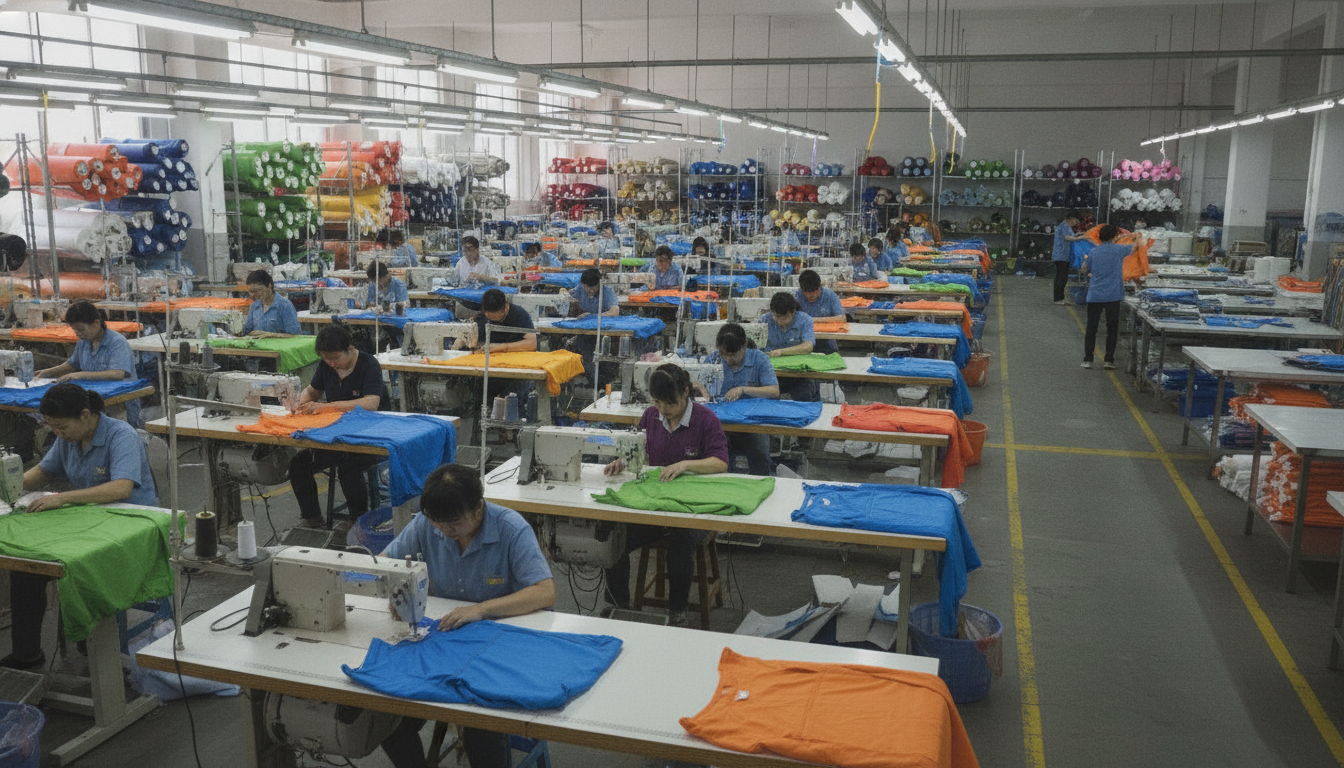
Bulk production runs 25-35 days from deposit to ex-factory shipment for standard constructions. This timeline includes fabric cutting, sewing, quality inspection, and packing. Decoration adds 3-5 days for embroidery or screen printing, depending on logo complexity and order volume. Buyers ordering multiple colorways or size runs should expect longer lead times, as each SKU requires separate cutting and sewing runs. Our 3,000m² Taizhou Sanmen facility runs 20 production lines with in-house cut-and-sew and QC, allowing us to handle multi-SKU orders without outsourcing delays.
Rush Orders and Expedited Production
Rush orders of 1,000 pieces can be completed in two weeks at a 25% surcharge, but this option requires factory capacity alignment and limits spec changes once production starts. Expedited production prioritizes the order over standard-lead-time jobs, often requiring overtime shifts and weekend work. Buyers requesting rush orders should lock in all specs, including fabric, decoration, and sizing, before production begins, as changes mid-run will blow the expedited timeline.
Shipping and DDP Delivery
DDP (Delivered Duty Paid) shipping transfers customs clearance and import duty responsibility to the supplier, simplifying logistics for buyers unfamiliar with international trade. DDP delivery adds 10-15 days for ocean freight to US West Coast ports, 20-25 days to East Coast ports, and 25-30 days to European ports. Air freight reduces transit time to 5-7 days but increases shipping cost by 3-5x compared to ocean. Buyers ordering for seasonal launches or event deadlines should build in buffer time for customs delays, port congestion, and last-mile delivery variability.
FAQ
What is the difference between a windbreaker and a rain jacket?
A windbreaker blocks wind using a tightly woven shell fabric and typically includes a DWR coating for light moisture resistance, but it is not waterproof. A rain jacket uses a waterproof membrane or coating with taped seams to block sustained rain, typically rated at 5,000 mm hydrostatic head or higher. Windbreakers prioritize breathability and packability, while rain jackets prioritize water protection at the cost of added weight and reduced breathability. Buyers seeking genuine rain protection need taped seams and a verifiable hydrostatic head rating, not just a water-resistant finish.
Can windbreaker jackets be customized with a logo?
Windbreaker jackets accept embroidery, screen printing, and heat transfer decoration, each with different fabric-weight and placement constraints. Embroidery works best on 50+ denier fabrics with stable backing and avoids seam intersections. Screen printing suits large, bold graphics on flat panels and requires setup fees for each color. Heat transfer allows full-color designs without setup fees but may peel on low-denier shells. Buyers should specify decoration method and logo placement before sampling to avoid rework, as embroidery tension settings and screen-printing curing temperatures vary by fabric type. Visit our custom logo service page for decoration options and lead times.
How much do wholesale windbreaker jackets cost?
Wholesale windbreaker jacket pricing depends on fabric weight, construction method, and order volume. Packable ultralight styles using 20-30 denier ripstop nylon are priced from about $4.94 per unit at 3,000+ pieces, according to Ruixing Gifts (2026). Standard windproof shells using 50-70 denier fabrics range from $6.50 to $9.00 per unit at volume. Lined rainproof shells with taped seams and 70-100 denier outer fabrics range from $7.28 to $11.20 per unit depending on order volume. Decoration, custom fabrics, and expedited production add cost. Buyers should request detailed quotes with fabric specs, decoration methods, and lead times to compare suppliers accurately.
Ready to source wholesale windbreaker jackets with transparent MOQs, verified waterproofing specs, and 7-10 day sampling?
Request samples and factory specs →
Written by Ivan Chen, Sales Engineer at PTOUTWEAR, 13 years in outdoor apparel manufacturing.