📋 Table of Contents
When sourcing a ykk waterproof zipper jacket, the difference between a jacket that leaks and one that performs in heavy rain often comes down to the zipper and the factory that seals it. critical specs, testing standards, cost drivers, and how to find a reliable OEM jacket manufacturer that supports low-quantity orders.
Executive Summary
- Global zipper market: $17.31 billion in 2024, growing at 7.71% CAGR to $33.77 billion by 2033 (Business Research Insights, 2025).
- YKK production scale: over 3 million kilometers of zippers produced per year (YKK Corporation, 2026).
- Key differentiator: a YKK waterproof zipper jacket uses polyurethane-laminated AquaGuard tape that blocks rain-but must be combined with seam-sealed construction.
- Low-MOQ access: bulk orders start at 30 pieces per SKU, with 1-piece sample development available.
- Testing essentials: ISO 811 hydrostatic head of 10,000 mm is the industry benchmark for waterproof jackets.
What Is a YKK Waterproof Zipper Jacket?
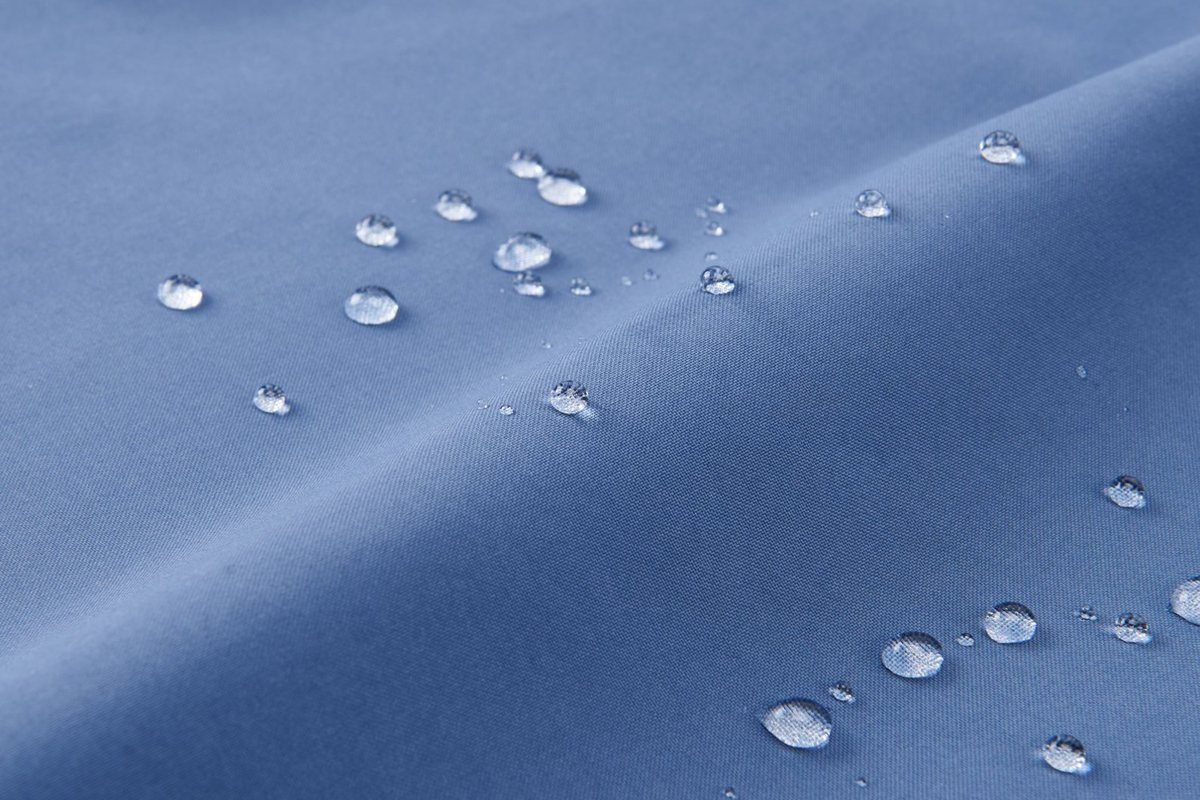
A jacket built around a YKK waterproof zipper uses a coated or laminated zipper tape that prevents water from passing through the teeth and chain. Unlike water-resistant zippers that simply slow moisture, a waterproof zipper is designed to achieve a measurable hydrostatic head rating-often 10,000 mm or higher.
The Zipper Construction
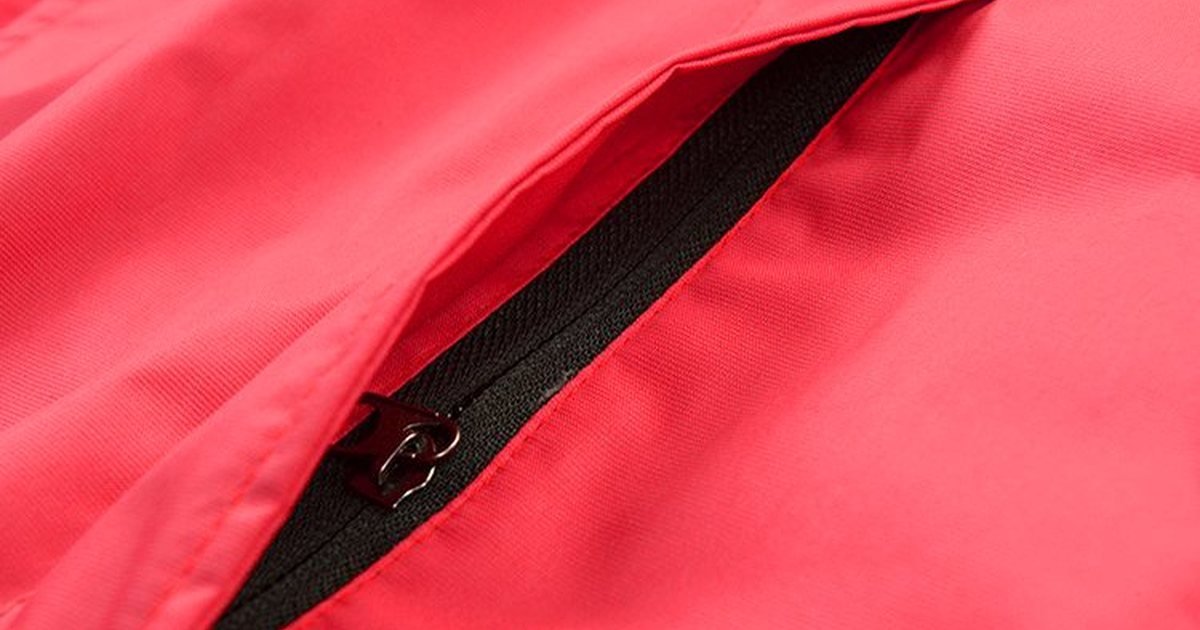
YKK AquaGuard zippers bond a polyurethane (PU) film to the zipper tape. When closed, the PU layers from opposite tapes press together, creating a continuous barrier. This design is used in #3, #5, and #8 coil zippers depending on weight and durability needs.
Why Seam Sealing Is Non-Negotiable
The zipper itself is only one water entry point. Every stitch hole in the garment can leak unless taped or welded. A fully waterproof jacket requires taped seams across shoulders, hood, and armholes-ideally using 20 mm seam tape with a minimum of 0.3 mm film thickness.
How to Evaluate Waterproof Jacket Manufacturers
A factory that makes standard softshells may lack the equipment to guarantee waterproof integrity. Look for manufacturers with in-house seam taping machines, hydrostatic head testers, and documented quality protocols.
Production MOQ and Sample Flexibility
Startups and uniform buyers get stuck when factories demand 300-plus pieces per style. In our 12+ years of manufacturing outdoor jackets in Taizhou Sanmen and Yiwu, we’ve learned that production agility matters more than scale for new brands. A sample development process that starts at 1 piece-with a refundable $100 fee-lets you validate waterproof performance before committing to bulk.
Sample MOQ: 1 piece. Bulk MOQ: 30 pieces per SKU. Sampling time: 7-10 days.
Quality Control and Testing Standards
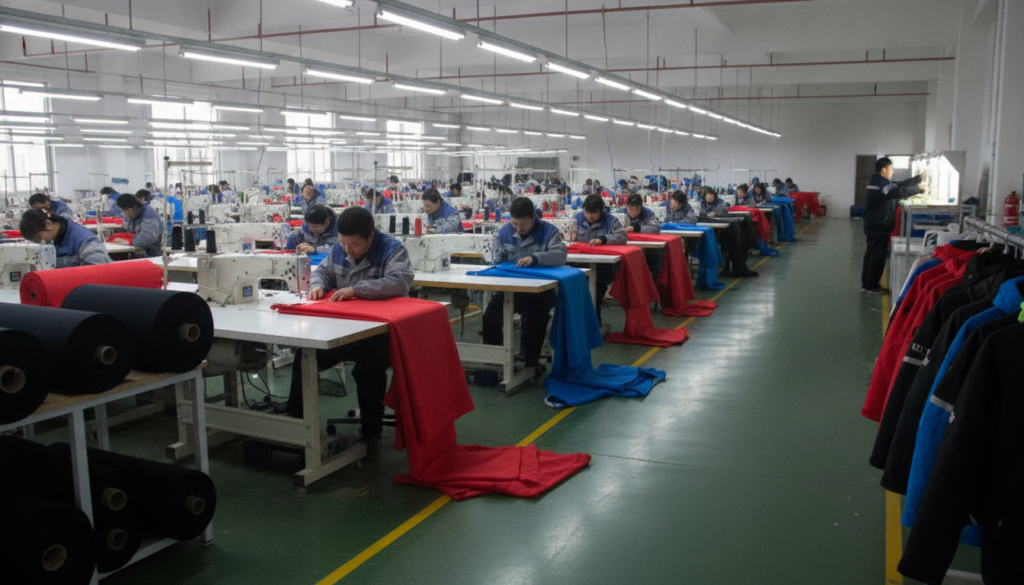
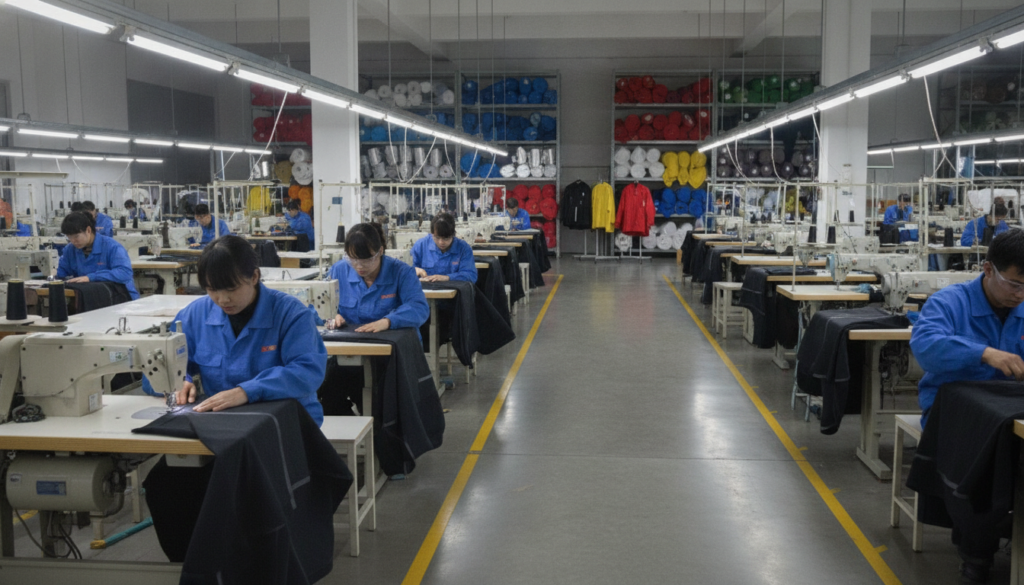
Our 3,000 m² Taizhou Sanmen facility runs 20 production lines with in-house cut-and-sew and QC stations. Before any jacket leaves, we conduct hydrostatic head tests on at least 5% of each batch. Third-party SGS audits verify that seam taping and zipper bonding meet AATCC 127 standards.
- In-house test: Hydrostatic head sampling per ISO 811 on every production run.
- Third-party verification: SGS performs random tensile and water penetration tests.
- Visual audit: Every seam is checked for tape adhesion under a 3× magnifier.
Cost Structure for a YKK Waterproof Zipper Jacket
Waterproof jackets carry a premium because of the zipper, the membrane or coating, and the labor-intensive seam sealing. Understanding what drives cost helps you negotiate confidently and avoid corner-cutting.
Per-Unit Cost Drivers
How to Lower Cost Without Sacrificing Waterproofing
Use a low-MOQ jacket manufacturer that carries shared fabric inventories. Grouping orders of multiple styles under the same fabric batch reduces per-meter cost. Also, standardizing zipper lengths across models lowers minimum order penalties from YKK distributors.
Specifying Your Jacket: Template and Data Essentials
A clear tech pack removes ambiguity and reduces sampling rounds. Every specification sheet for a jacket with a waterproof zipper should list these exact fields.
Private Label and Branding Options
Once the jacket’s technical side is locked, layering your brand identity becomes straightforward. Choose between private-label programs that include woven neck labels, hangtags, and polybags with your artwork. For quick logo addition, custom logo services cover embroidery, silicone patches, and screen printing.
Navigating Compliance and Certifications
Retailers and importers increasingly demand proof of environmental and social compliance. A jacket built with a YKK waterproof zipper can be backed by multiple certifications that ease market access.
Waterproofing Tests: ISO 811 and Hydrostatic Head
ISO 811 determines the pressure a fabric can withstand before three drops of water appear on the underside. The standard requires a minimum of 1,300 mm for “waterproof” classification, but technical outerwear brands typically target 10,000 mm for reliable rain protection. AATCC 127, the U.S. equivalent, uses a similar procedure. Both tests should be run on the finished jacket, not just the fabric roll.
Eco and Social Compliance Certifications
SGS audits running parallel to production catch issues before shipment. The PFC-free DWR certification aligns with REACH and upcoming U.S. state-level PFAS restrictions, making the jacket eligible for markets like California and the EU.
Key Takeaways
- According to Business Research Insights (2025), the global zippers market was $17.31 billion in 2024 and is projected to reach $33.77 billion by 2033, growing at a 7.71% CAGR.
- YKK Corporation produced over 3 million kilometers of zippers in 2026, illustrating the scale and reliability of the AquaGuard waterproof zipper line.
- ISO 811 and AATCC 127 define waterproof fabric performance; technical jackets with YKK AquaGuard zippers routinely meet a 10,000 mm hydrostatic head rating.
- Grand View Research estimated the global outdoor apparel market at over $18 billion in 2024, driven by demand for high-performance rainwear and shells.
- The Textile Exchange’s 2025 Material Change Index found that 64% of participating brands have public commitments to eliminate PFCs, making PFC-free DWR a strategic sourcing priority.
What is a YKK waterproof zipper?
A YKK waterproof zipper uses AquaGuard technology, where a polyurethane film is laminated to the zipper tape. When closed, the films press together to block water. It is not submersible but provides reliable protection in heavy rain when combined with a storm flap and seam-sealed garment.
Are YKK AquaGuard zippers fully waterproof?
No, YKK AquaGuard zippers are highly water-resistant, not fully waterproof. They can withstand hydrostatic pressures of 5,000 to 20,000 mm depending on the size, but prolonged submersion or extreme water force can cause leakage. For full immersion, dry suits use specialized watertight zippers.
What is the difference between waterproof and water-resistant zippers?
A water-resistant zipper has a coating that repels light moisture but lacks a sealed tape structure. A waterproof zipper like YKK AquaGuard incorporates a bonded polyurethane layer across the tape, creating a continuous physical barrier that prevents water penetration even under pressure.
Do waterproof zippers need seam sealing?
Yes. While a waterproof zipper blocks water through the teeth, the stitches that attach the zipper to the jacket and all other seams in the garment create holes. Seam tape must be applied over these stitch lines using heat and pressure to achieve complete waterproof integrity.
Which jackets use YKK AquaGuard zippers?
Many premium outdoor and technical apparel brands use YKK AquaGuard zippers, including Arc’teryx, Patagonia, The North Face, and Hyperlite Mountain Gear (which uses #3 AquaGuard on tent vestibules). They appear in rain shells, ski jackets, hardshells, and waterproof pockets.
Ready to test a YKK waterproof zipper jacket with zero-risk sampling?
Request 1-piece samples →