To find a small production run waterproof jacket manufacturer, prioritize suppliers offering 1-piece sample MOQs and bulk minimums of 30-100 pieces per SKU, verified seam-sealing capability, and transparent waterproof membrane or DWR specifications. Request pre-production samples to validate construction quality before committing to bulk orders.
📋 Table of Contents
Executive Summary
- Low-MOQ factories exist: Some manufacturers accept 30-piece bulk orders per SKU, while others require 100-300 pieces depending on fabric and trim customization.
- Sampling validates construction: A 1-piece sample program allows buyers to inspect seam sealing, membrane lamination, and DWR application before committing capital to bulk inventory.
- Waterproof is not water-resistant: True waterproof jackets require sealed or taped seams and a hydrostatic-head rating above 10,000 mm, while water-resistant shells rely on DWR coatings that wet out in sustained rain.
- Custom fabrics raise minimums: Stock fabrics support lower MOQs, but custom mill runs for proprietary colors or weights typically push bulk orders to 200-500 pieces per SKU.
- Lead time includes sampling: Expect 7-10 days for sample development, followed by 25-35 days for bulk production once the sample is approved and deposit paid.
What Qualifies as a Small Production Run?
A small production run for waterproof jackets typically ranges from 30 to 300 pieces per style, depending on the factory’s setup and fabric sourcing model. Buyers launching a direct-to-consumer outdoor brand or testing a new corporate uniform program need flexibility that traditional high-volume manufacturers cannot provide. The distinction matters because factories optimized for 1,000-piece orders often quote prohibitive per-unit costs or refuse orders below their production threshold.
Sample MOQ vs. Bulk MOQ
Sample MOQ refers to the minimum quantity required to produce a pre-production prototype for fit, fabric, and construction validation. Bulk MOQ is the minimum order size for full production after sample approval. According to Passion Outerwear / PTOUTWEAR (2026), some private-label technical jacket suppliers offer 1-piece sample programs before requiring 30 to 100 pieces per SKU for bulk orders. This two-tier structure allows buyers to validate design and waterproofing performance without locking capital into untested inventory.
Stock Fabric vs. Custom Fabric Runs
Factories offering stock waterproof fabrics can support lower MOQs because the material is already in inventory. Custom fabric runs require the mill to dye or weave a specific colorway or weight, which introduces minimum yardage requirements. According to Passion Outerwear / PTOUTWEAR (2026), customized runs with different colors or fabrics commonly rise to 200 to 300 pieces per SKU because of mill dye-lot constraints. Buyers prioritizing low initial investment should confirm whether the factory stocks waterproof fabrics in the target weight and finish.
Dropshipping and Print-on-Demand Models
Some manufacturers support 1-piece fulfillment for dropshipping or print-on-demand programs, eliminating the need for buyers to warehouse inventory. This model suits direct-to-consumer brands testing demand across multiple designs before committing to bulk production. Buyers should verify whether the factory can handle individual order fulfillment, including custom logo embroidery or screen printing, without imposing per-piece surcharges that erode margin.
How Do You Verify Waterproof Construction Capability?
Waterproof construction requires sealed seams, a hydrostatic-head rating above 10,000 mm, and either a laminated membrane or a tightly woven fabric with durable water repellent (DWR) treatment. Buyers often discover that jackets marketed as waterproof fail at the seams during sustained rain, a common complaint in outdoor gear review communities. Verification starts with the factory’s technical specification sheet and continues through physical sample inspection.
Seam Sealing and Taping Methods
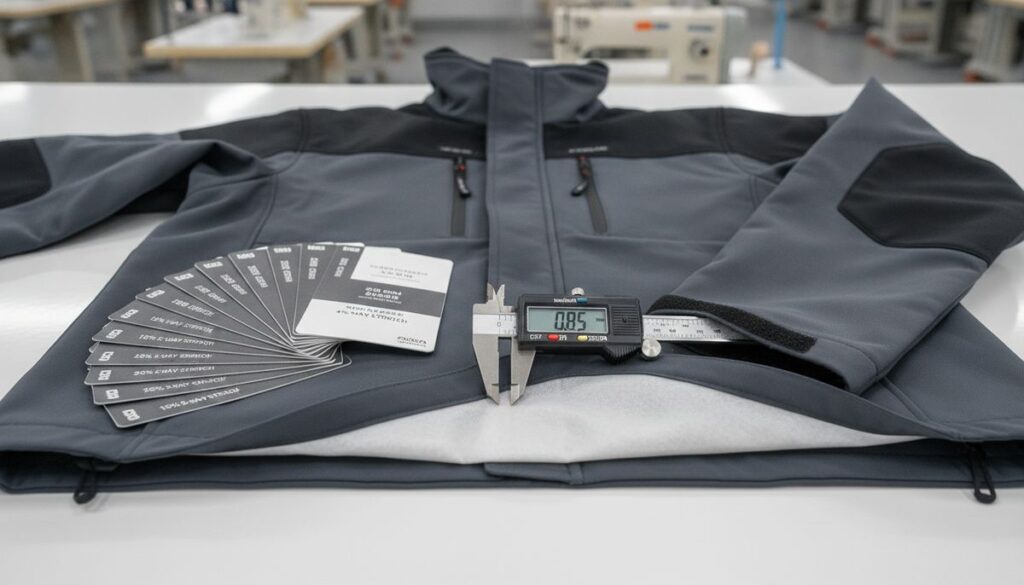
Seam sealing prevents water ingress at stitched joints, the weakest point in any waterproof garment. Factories use hot-air seam-sealing machines to apply waterproof tape over every stitched seam, creating a continuous barrier. Buyers should request photos of the seam-sealing station and ask whether the factory seals all seams or only critical zones like shoulders and chest. Partial seam sealing reduces cost but compromises rain protection in prolonged exposure.
Membrane vs. Coated Fabric
Waterproof-breathable membranes like GORE-TEX, eVent, or Toray Dermizax are laminated to the shell fabric, providing both water resistance and moisture vapor transmission. Coated fabrics use a polyurethane or PVC layer on the fabric interior, which blocks water but often traps perspiration. Membrane construction costs more and requires higher MOQs, while coated fabrics support lower minimums. Buyers targeting technical outdoor use should specify membrane construction, while corporate or school uniform buyers may accept coated shells for cost efficiency.
Hydrostatic Head and MVTR Testing
Hydrostatic head measures the water column height a fabric can withstand before leaking, expressed in millimeters. A rating of 10,000 mm indicates the fabric can resist a 10-meter column of water, sufficient for moderate rain. Moisture vapor transmission rate (MVTR) measures breathability, typically expressed in grams per square meter per 24 hours. Buyers should request third-party test reports from SGS or similar labs, not just factory claims. A factory that cannot produce test documentation likely lacks in-house QC or uses untested materials.
Why Request Samples Before Bulk Orders?
Pre-production samples allow buyers to inspect waterproofing construction, fit consistency, and trim quality before committing to bulk inventory. Buyers frequently report that jacket sizing and fit are inconsistent across samples and production lots, making first-run approvals risky for new brands. A physical sample reveals whether the factory can execute the tech pack accurately and whether the waterproof construction meets the specified standard.
Sample Fee Structure
Factories typically charge a sample fee ranging from $50 to $150 per piece, depending on fabric and construction complexity. Some manufacturers refund the sample fee against the bulk order, while others treat it as a non-refundable development cost. Buyers should clarify refund terms upfront and request an itemized breakdown showing fabric, labor, and trim costs. A factory unwilling to itemize sample costs may inflate fees to discourage small buyers.
Sample Turnaround Time
Sample development takes 7-10 days for stock fabrics and 15-20 days when custom fabrics or trims must be sourced. Buyers should confirm whether the quoted lead time includes fabric procurement or starts only after materials arrive at the factory. Factories that promise 3-day sampling often use lower-quality substitutes or skip critical steps like seam sealing to meet the deadline.
Revisions and Fit Adjustments
Most buyers require one to three sample revisions to finalize fit, pocket placement, and trim details. Each revision adds 5-7 days to the timeline and may incur an additional fee. Buyers should negotiate a revision policy during initial discussions, specifying how many rounds are included in the sample fee and what constitutes a chargeable change. Clear communication at this stage prevents disputes when the factory invoices for unexpected revision costs.
In practice: A UK outdoor brand founder ordered 1-piece samples of three hardshell designs from a small production run waterproof jacket manufacturer, validated seam-sealing quality and fit across all three, then placed a 30-unit-per-SKU first order without tying up cash in untested inventory
What Drives MOQ and Cost in Small Runs?
MOQ and per-unit cost are determined by fabric sourcing, trim customization, and factory overhead allocation. Buyers often encounter factories that advertise low MOQs but then add higher costs for custom fabrics, colors, trims, or branding once the quote is issued. Understanding the cost drivers allows buyers to negotiate realistic pricing and avoid surprises during the order process.
Fabric Sourcing and Mill Minimums
Waterproof fabrics are sourced from specialized mills that impose minimum yardage requirements, typically 500-1,000 meters per colorway. A 30-piece jacket order consumes approximately 60-75 meters of fabric, well below the mill minimum. Factories offering low MOQs either maintain stock fabric inventory or group multiple small orders into a single mill run. Buyers requesting custom colors or weights should expect MOQs to rise to 200-300 pieces to meet mill minimums.
Trim and Hardware Customization
Custom zippers, pullers, snaps, and logo labels each carry their own minimums, often 500-1,000 pieces per component. Factories supporting small production runs use stock trims or source from suppliers willing to accept lower quantities at a premium. Buyers should specify whether they require branded hardware or accept stock components to keep MOQs and costs manageable. A factory quoting 30-piece MOQs but requiring 500-piece custom zipper orders creates a hidden cost trap.
Setup and Cutting Efficiency
Cutting and sewing setup costs are fixed per style, regardless of order size. A 30-piece order absorbs the same pattern grading, marker making, and machine setup as a 300-piece order, raising the per-unit cost. Factories that specialize in small runs optimize their workflow to reduce setup time, while high-volume manufacturers treat small orders as inefficient and price accordingly. Buyers should ask how the factory allocates setup costs and whether they batch small orders to improve efficiency.
Supplier Qualification Checklist
Qualifying a small production run waterproof jacket manufacturer requires verifying production capacity, technical capability, and commercial terms before placing a deposit. Buyers often say manufacturers are slow to answer tech-pack questions or do not explain membrane, seam-sealing, and breathability tradeoffs clearly. A structured qualification process reduces the risk of selecting a factory that cannot deliver on waterproof construction or low-MOQ commitments.
Production Capacity and Export Experience
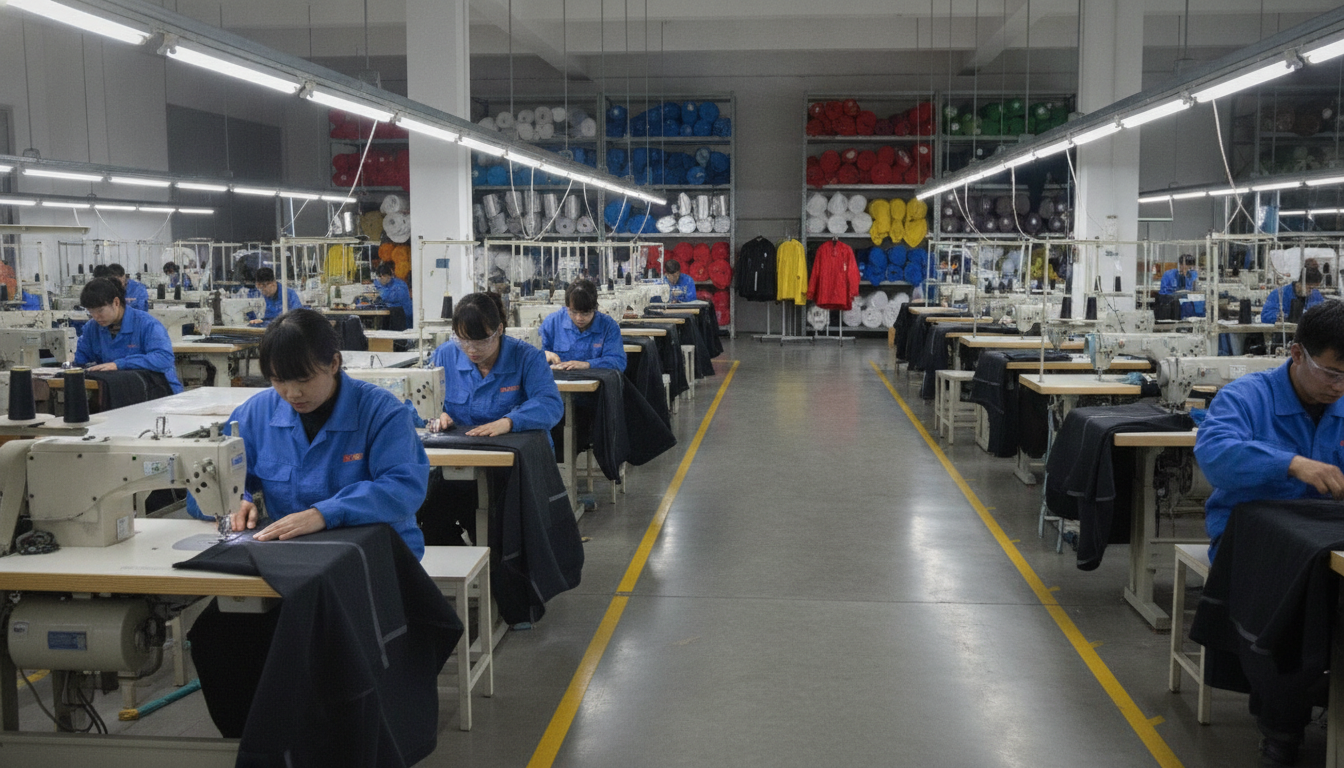
Verify the factory’s annual output, workforce size, and export market experience. A facility producing 200,000 pieces per year across 20 production lines can support scaling beyond initial test runs, while a smaller workshop may struggle to meet reorder demand. Buyers should request client references from similar markets and ask whether the factory has shipped to the buyer’s target country, confirming familiarity with labeling, packaging, and customs documentation requirements.
Certifications and Compliance
Request copies of current certifications such as ISO 9001, OEKO-TEX Standard 100, BSCI, or GRS. These certifications signal that the factory maintains documented quality systems, screens for harmful substances, and adheres to social compliance standards. Buyers targeting the EU or UK should confirm whether the factory can provide REACH-compliant test reports for restricted substances, while US buyers may require CPSIA compliance for children’s outerwear.
Payment Terms and Deposit Structure
Standard payment terms for small production runs are 30-50% deposit upon order confirmation, with the balance due before shipment. Some factories offer more favorable terms for repeat buyers or accept letters of credit for larger orders. Buyers should clarify whether the deposit is refundable if the factory fails to meet the agreed specification or delivery date, and whether progress payments are required for orders exceeding 100 pieces.
Quality Control and Inspection Protocols
Ask whether the factory conducts in-process inspection during cutting, sewing, and seam sealing, or only final inspection before packing. In-process QC catches defects early, reducing the risk of an entire batch failing waterproof testing. Buyers should request photos of the QC station and ask whether third-party inspection is permitted. A factory that refuses third-party inspection likely lacks confidence in its quality systems.
- Sample MOQ: Confirm whether the factory offers 1-piece samples and whether the sample fee is refundable against bulk orders.
- Bulk MOQ per SKU: Verify the minimum order size for stock fabrics versus custom fabrics, and whether the factory batches small orders to reduce costs.
- Seam-sealing capability: Request photos of seam-sealing equipment and ask whether all seams are sealed or only critical zones.
- Waterproof test reports: Request third-party hydrostatic head and MVTR test reports from SGS or similar labs, not just factory claims.
- Lead time breakdown: Clarify whether quoted lead times include fabric procurement or start only after materials arrive at the factory.
- Revision policy: Negotiate how many sample revisions are included in the sample fee and what constitutes a chargeable change.
- Trim and hardware minimums: Confirm whether custom zippers, pullers, and labels carry separate minimums that would raise the effective MOQ.
- Payment terms: Verify deposit percentage, balance due date, and whether the deposit is refundable if the factory fails to meet specifications.
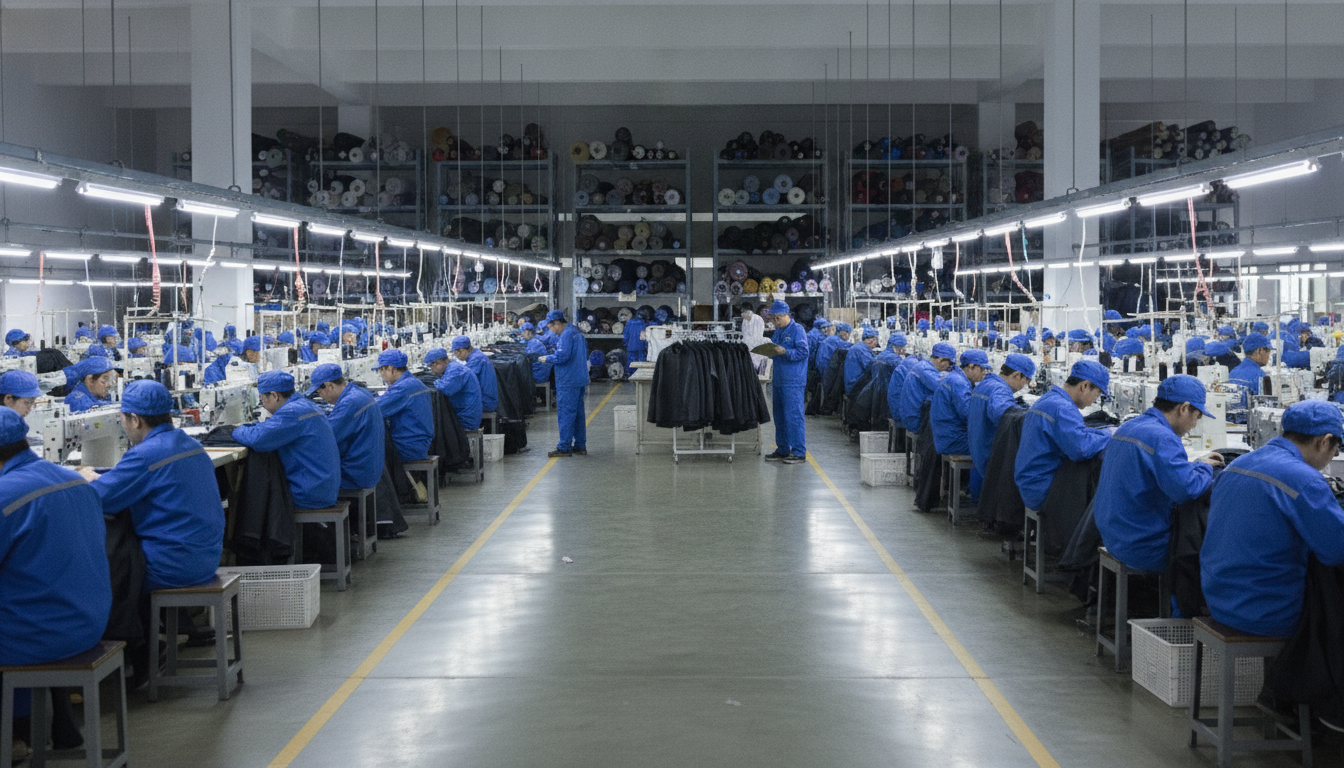
PTOUTWEAR operates a 3,000m² facility in Taizhou Sanmen, Zhejiang, with 20 production lines and 240 workers producing 200,000 pieces per year. Our OEM jacket manufacturing program supports 1-piece sample MOQs and 30-piece bulk minimums per SKU, with in-house seam-sealing capability and PFC-free DWR certification. Buyers can validate waterproof construction through our sample development process before committing to bulk inventory.
In practice: A corporate uniform buyer in Australia requested seam-sealed rain jackets for a 50-person field team, validated waterproof performance with a 1-piece sample in Melbourne winter conditions, then placed a 60-piece order split across two colorways without exceeding budget
Key Takeaways
- Small production run waterproof jacket manufacturers typically accept 30-100 pieces per SKU for stock fabrics, while custom fabric runs push minimums to 200-300 pieces due to mill dye-lot constraints.
- True waterproof construction requires sealed or taped seams and a hydrostatic-head rating above 10,000 mm, while water-resistant shells rely on DWR coatings that wet out in sustained rain.
- A 1-piece sample program allows buyers to inspect seam sealing, membrane lamination, and DWR application before committing capital to bulk inventory, reducing the risk of construction defects in production lots.
- Custom fabrics, trims, and hardware each carry separate mill or supplier minimums, often 500-1,000 pieces per component, which can raise the effective MOQ even when the factory advertises low-piece-count flexibility.
- Buyers should request third-party waterproof test reports from SGS or similar labs, not just factory claims, and verify whether the factory conducts in-process inspection during cutting, sewing, and seam sealing.
- Payment terms for small runs typically require a 30-50% deposit upon order confirmation, with the balance due before shipment, and buyers should clarify whether the deposit is refundable if the factory fails to meet specifications.
FAQ
Can a factory make waterproof jackets with a 1-piece sample MOQ?
Yes, some manufacturers offer 1-piece sample programs to validate waterproof construction, fit, and fabric quality before bulk commitment. The sample fee typically ranges from $100 to $150 per piece and may be refundable against the bulk order. Buyers should confirm whether the sample includes full seam sealing and uses the same waterproof membrane or DWR treatment specified for production, as factories sometimes substitute materials to reduce sample costs.
What is the difference between waterproof and water-resistant jackets?
Waterproof jackets use sealed seams and a hydrostatic-head rating above 10,000 mm to block water ingress in sustained rain, while water-resistant jackets rely on DWR coatings that repel light moisture but wet out during prolonged exposure. Waterproof construction requires either a laminated membrane or a tightly woven fabric with taped seams, while water-resistant shells use a surface treatment that degrades over time. Buyers targeting technical outdoor use should specify waterproof construction and request third-party test reports to verify the hydrostatic-head rating.
How long does custom waterproof jacket production take for small runs?
Custom waterproof jacket production for small runs takes 7-10 days for sample development, followed by 25-35 days for bulk production once the sample is approved and deposit paid. Custom fabrics that must be sourced from the mill can extend this window, so confirm fabric availability before paying the deposit. Buyers should confirm whether the quoted lead time includes fabric procurement or starts only after materials arrive at the factory, and whether the factory prioritizes small orders or queues them behind larger contracts.
Ready to validate waterproof construction with a 1-piece sample before committing to bulk inventory?
Request Your Sample Today →
Written by Ivan Chen, Sales Engineer at PTOUTWEAR – 13 years in outdoor apparel manufacturing.