📋 Table of Contents
Finding a low MOQ softshell jacket manufacturer solves the cash-flow problem most outdoor brand founders face: you need 1-piece samples to validate fit and fabric, then 30-50 units per colorway to test retail channels without tying up $8,000-$15,000 in inventory. Traditional factories demand 500-piece minimums that force you to guess on sizing, lock capital for 90+ days, and risk dead stock if the design misses the mark.
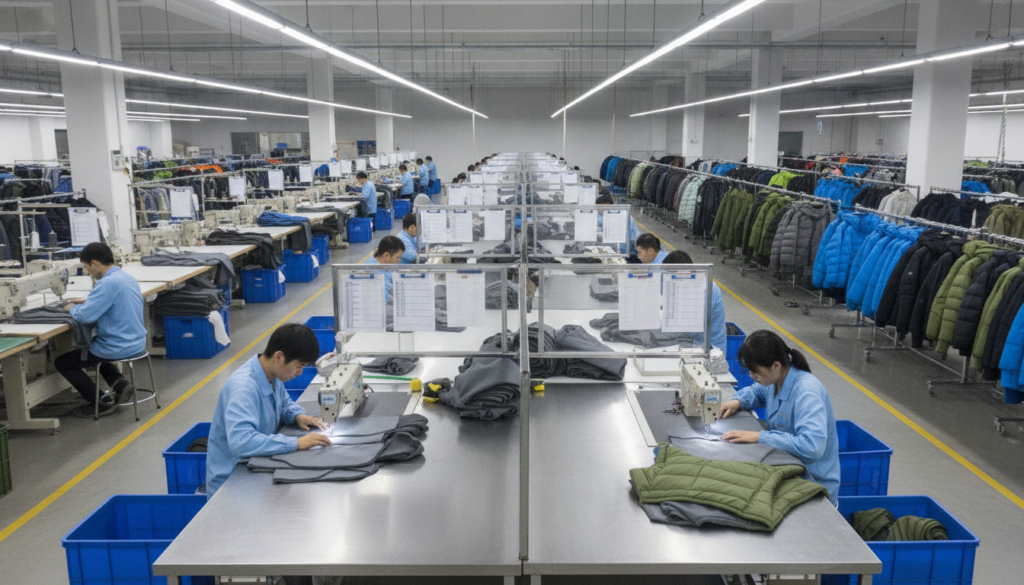
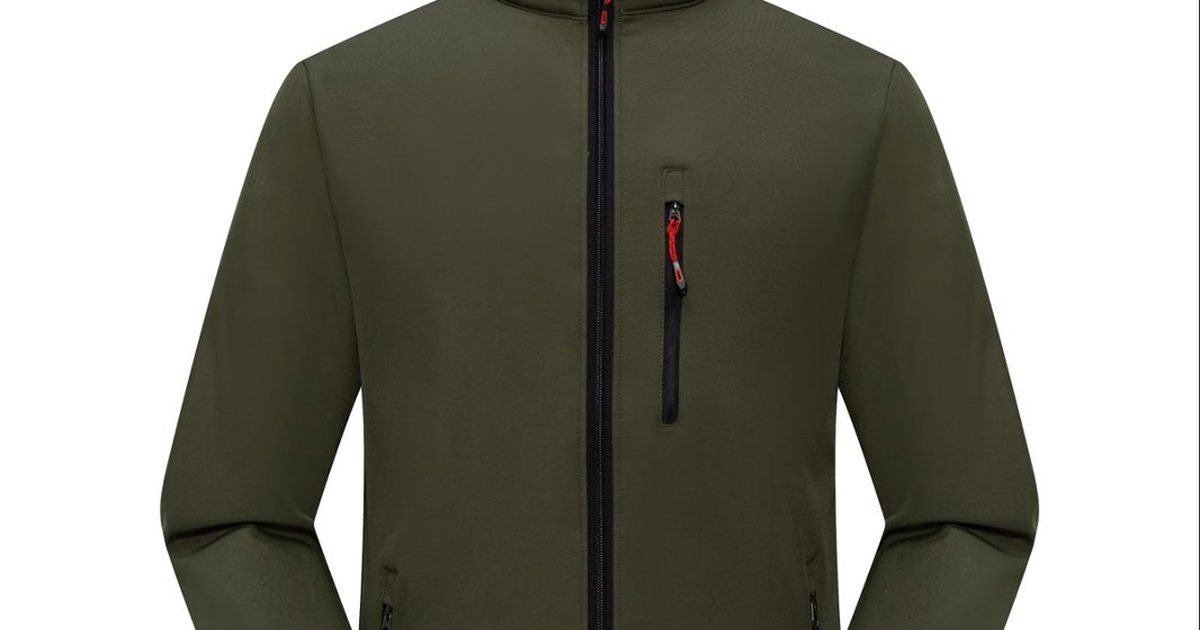
Softshell jackets combine stretch-woven face fabric with a bonded membrane or fleece backing, delivering wind resistance and breathability without the stiff hand-feel of hardshell rain jackets. The construction requires lamination equipment and precise seam placement, which raises the technical bar compared to single-layer windbreakers. A low-MOQ facility must run small batches economically while maintaining lamination quality and consistent DWR application across every piece.
Executive Summary
- Sample MOQ: 1 piece allows fit and fabric validation before committing to bulk production, with $100 sample fees typically refunded against first orders above 30 units.
- Bulk MOQ floor: 30 pieces per SKU enables small outdoor brands and corporate buyers to test colorways and sizing without locking $10,000+ in a single order.
- Lamination precision: Softshell bonding requires controlled heat and pressure; facilities running fewer than 50 pieces per batch need roll-to-roll laminators that maintain consistent adhesive distribution at lower throughput.
- DWR durability: PFC-free durable water repellent coatings applied via pad-dry-cure maintain 80+ wash-cycle performance when cured at 150-160°C, addressing the common wet-out complaint buyers report on budget softshells.
- Lead time advantage: 7-10 day sampling and 25-30 day bulk production cycles for orders under 100 pieces let brands respond to retail feedback faster than 60-90 day factory queues.
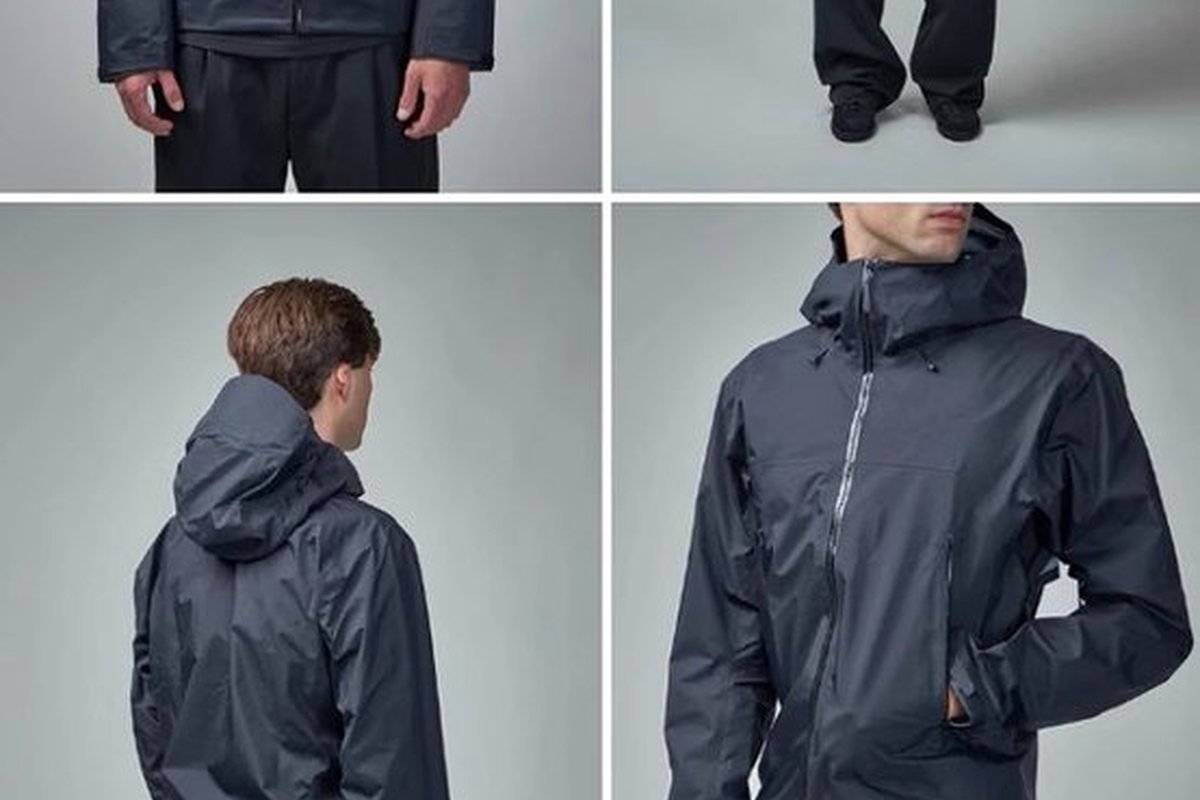
Why Low MOQ Matters for Softshell Production
Softshell jackets sit in a technical category that demands both performance validation and market testing before scaling. The bonded construction, stretch fabric, and DWR coating create more failure points than a simple nylon windbreaker, so sampling becomes critical to catch lamination bubbles, inconsistent stretch recovery, or premature DWR wear-off.
Cash Flow Protection
A 500-piece minimum at $28-$35 FOB per jacket ties up $14,000-$17,500 before you confirm the fabric performs in field conditions. Outdoor brand founders operating on $50,000-$150,000 seed budgets cannot afford to lock half their capital in untested inventory. A 30-piece MOQ reduces upfront commitment to $840-$1,050, leaving cash available for marketing, photography, and additional SKU development.
Design Iteration Speed
Retail buyers and DTC customers provide feedback on fit, pocket placement, and zipper quality within the first 20-30 units sold. A low-MOQ OEM jacket manufacturing partner lets you incorporate that feedback into the next production run without waiting to deplete 500 units of an imperfect design. Brands using this iterative approach typically finalize their best-selling SKU by the third 30-50 piece batch, then scale to 200-300 units once product-market fit is proven.
Colorway and Sizing Risk
Softshell jackets often launch with 3-4 colorways and 5-6 sizes (XS-XXL). A 500-piece minimum forces you to distribute inventory across 15-20 SKU combinations based on assumptions, not data. Low-MOQ production lets you test a single colorway in core sizes (S/M/L/XL) with 30 pieces, analyze sell-through rates, then reorder the proven combinations. This data-driven approach reduces closeout risk and improves inventory turn.
Understanding Softshell Construction Fundamentals
Softshell jackets use laminated or bonded fabric systems that combine an outer face fabric, a membrane or fleece middle layer, and sometimes an inner lining. The bonding process and material selection directly impact breathability, stretch, and durability, making factory capabilities more critical than in cut-and-sew garments.
Two-Layer Bonded Construction
The most common softshell format bonds a stretch-woven polyester or nylon face (240-320 GSM) to a micro-fleece backing (100-180 GSM) using a polyurethane adhesive film. The lamination happens on a roll-to-roll machine that applies heat (130-150°C) and pressure to activate the adhesive without crushing the fleece loft. Factories running small batches need laminators that can handle 10-20 meter rolls economically; larger machines designed for 500+ meter runs waste adhesive and energy on short yardage.
Three-Layer Membrane Systems
Higher-performance softshells insert a microporous membrane (typically polyurethane or ePTFE at 5,000-15,000 g/m²/24hr MVTR) between the face fabric and fleece liner. This adds windproofness and water resistance while maintaining breathability. The membrane requires precise temperature control during lamination to avoid delamination or pore collapse. A low MOQ softshell jacket manufacturer running membrane construction must calibrate lamination parameters for each 30-50 piece batch, which demands skilled technicians and quality-control protocols beyond basic cut-and-sew.
DWR Application and Curing
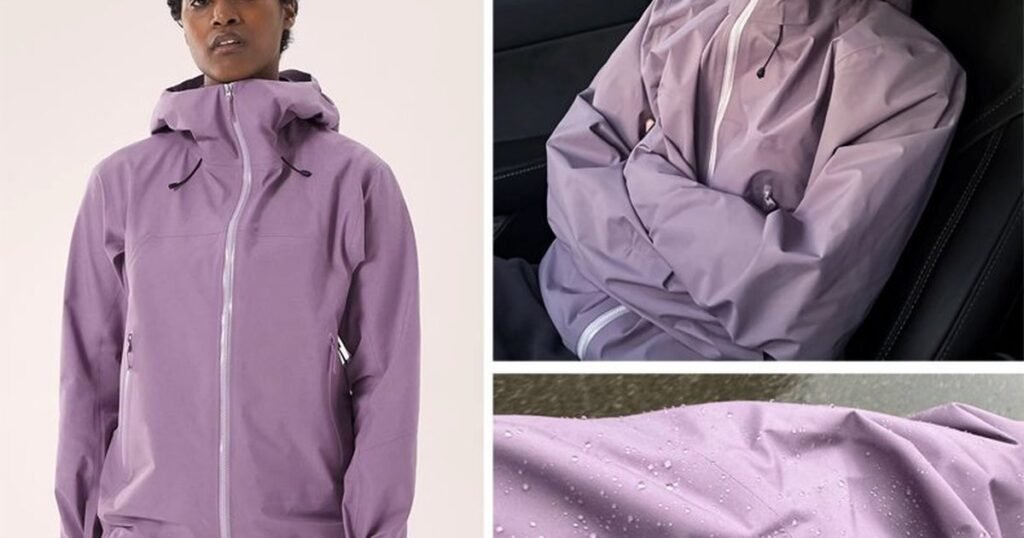
Durable water repellent finish determines how long the softshell sheds light rain and snow before wetting out. PFC-free DWR chemistries (typically hydrocarbon or silicone-based) require pad-dry-cure application: the fabric passes through a chemical bath, dries at 110-120°C, then cures at 150-160°C to cross-link the polymer coating. Under-curing leaves the DWR water-soluble and prone to wash-off; over-curing can stiffen the fabric and reduce breathability. Small-batch production demands precise oven profiling for each fabric weight and weave structure.
A common complaint buyers raise: breathable jackets lose water repellency after 10-15 washes, causing the face fabric to wet out and trapping perspiration inside. Properly cured PFC-free DWR maintains bead-up performance for 80+ wash cycles when applied at 25-30 g/L concentration and cured at 155°C for 90 seconds.
MOQ Tiers and Pricing Structure
Softshell jacket pricing follows a step function tied to material purchasing, setup amortization, and labor efficiency. Understanding the cost drivers at each tier helps you plan order quantities that balance unit economics with inventory risk.
Sample-Tier Economics
A 1-piece sample requires the same pattern grading, marker making, and lamination setup as a 30-piece run, but spreads those costs across a single unit. The $100 sample fee covers technician time for pattern adjustment, lamination calibration, and quality inspection. Factories offering sample development services typically refund this fee when you place a bulk order above 30 pieces, effectively making the sample free once you commit to production.
Small-Batch Premium Drivers
The $32-$38 FOB range for 30-100 piece orders reflects three cost factors: fabric minimum purchases (most mills require 100-300 meter rolls, leaving surplus for small runs), lamination setup time (20-30 minutes per batch to calibrate temperature and pressure), and cut-room efficiency (markers optimized for 100+ pieces waste 8-12% more fabric on small lays). Despite the premium, this tier remains the most cost-effective entry point for brands testing new designs or seasonal colorways.
Volume Break Points
Unit costs drop $4-$6 at the 100-piece threshold because fabric purchasing becomes more efficient and lamination setup amortizes across more yardage. The next significant break occurs at 300 pieces, where cut-room efficiency approaches bulk-order levels and fabric waste falls below 5%. Brands typically start at 30 pieces for validation, reorder 100-150 pieces once the design proves out, then scale to 300-500 pieces for seasonal production.
Quality Validation Before Bulk Orders
Softshell construction introduces quality variables that do not appear in single-layer garments. Testing samples for lamination integrity, DWR durability, and stretch recovery prevents expensive rework or customer returns on bulk orders.
Lamination Bond Strength
Delamination occurs when the adhesive film fails to fully bond the face fabric and fleece backing, creating bubbles or separation after washing. Test this by flexing the fabric sharply at multiple points and inspecting for air pockets or peeling at the bond line. A properly laminated softshell shows no separation when bent 180 degrees and released. Factories should provide a peel strength test report showing bond force above 2.5 N/cm (per ASTM D1876), confirming the lamination will survive 50+ wash cycles.
DWR Bead-Up Performance
Water repellency degrades with wear and washing, so pre-production samples must demonstrate durable performance. The spray test (ISO 4920) rates water repellency on a 1-5 scale; softshells should achieve a rating of 4 or higher (only slight wetting at spray points) after 20 home washes at 40°C. Request a laundered sample alongside the unwashed version to confirm the DWR survives repeated cleaning. A common failure mode: budget factories skip the high-temperature curing step, leaving DWR that washes off after 5-10 cycles.
Stretch and Recovery Testing
Softshell fabrics typically offer 10-25% mechanical stretch in the cross-grain direction for mobility during climbing, hiking, or skiing. The fabric must return to its original dimensions after stretching to prevent bagging at elbows and knees. Test this by stretching a 10 cm section of fabric to 12-13 cm, holding for 30 seconds, then releasing and measuring recovery after 5 minutes. Fabrics with spandex content (3-5%) should recover to within 3% of original length; those relying on mechanical stretch from textured yarns may show 5-8% permanent elongation.
In practice: A Colorado outdoor brand ordered 1-piece samples of three softshell designs in different fabric weights (280 GSM, 320 GSM, 340 GSM), tested them on multi-day backpacking trips, and selected the 320 GSM version for a 30-piece first production run based on breathability and packability feedback from field testers.
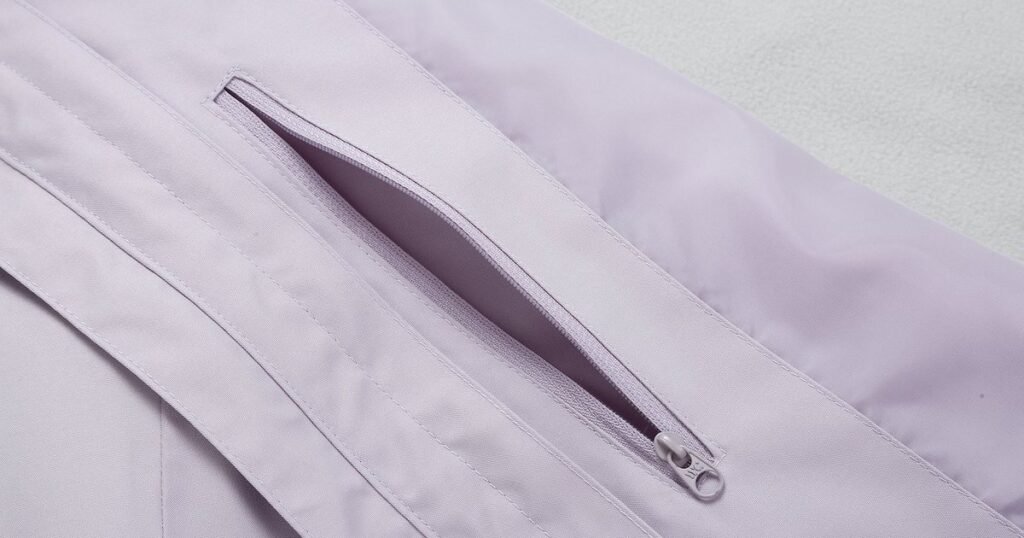
Seam and Zipper Durability
Softshell jackets use flatlock or overlock seams that must stretch with the fabric without breaking stitches. Inspect seam construction under magnification for consistent stitch density (12-14 stitches per inch) and proper thread tension. YKK or SBS zippers rated for outdoor use (typically #5 coil or #8 vislon) should operate smoothly under load and resist corrosion in wet conditions. A low-MOQ jacket manufacturer running ISO 9001 quality systems will provide seam strength reports (minimum 40 lbs breaking force) and zipper cycle testing data (5,000+ open-close cycles without failure).
Fabric Selection Strategies for Small Runs
Fabric choice drives both performance and MOQ feasibility. Mills typically require 100-300 meter minimums for custom colors or weaves, but stock fabrics and mill overruns let small-batch buyers access technical materials without locking capital in surplus yardage.
Stock Fabric Programs
Many softshell manufacturers maintain inventories of 5-10 popular fabric constructions in neutral colors (black, charcoal, navy, olive). These stock fabrics eliminate mill minimums and reduce lead times by 10-15 days. Common stock options include:
- 280 GSM 2-layer bonded: 92% polyester / 8% spandex face bonded to 150 GSM micro-fleece, 10,000 g/m²/24hr breathability, suitable for spring/fall lightweight softshells
- 320 GSM 3-layer membrane: Nylon ripstop face with 10,000mm/10,000g waterproof-breathable PU membrane and tricot lining, all-season performance for hiking and climbing
- 340 GSM heavy-duty: Polyester twill face bonded to 180 GSM grid fleece, abrasion-resistant for workwear and tactical applications
Using stock fabrics for your first 30-50 piece run lets you validate the construction and fit without custom fabric investment. Once the design proves successful, you can order custom colors or weaves for subsequent 100-300 piece runs.
Mill Overrun and Deadstock Sourcing
Textile mills often have 50-200 meter remnants from large production runs that did not meet the original buyer’s full yardage requirement. These overruns sell at 20-40% below standard pricing and work well for small-batch softshell production. The challenge: colors and specifications vary unpredictably, so this strategy suits brands with flexible design aesthetics rather than strict seasonal color palettes.
Custom Fabric Minimums
When your design requires a specific fabric weight, weave, or colorway not available in stock, expect to order 100-300 meters from the mill. A 30-piece softshell jacket consumes approximately 1.8-2.2 meters per piece (depending on size distribution and marker efficiency), so 30 pieces require 54-66 meters plus 10-15% waste allowance, totaling 60-75 meters. A 100-meter mill minimum leaves 25-40 meters surplus, which can be used for a second colorway or held for reorders. Negotiate with your manufacturer to warehouse the surplus fabric and apply it to your next 30-50 piece run, avoiding repeated mill minimums.
Production Lead Times by Order Size
Lead time planning for softshell jackets must account for fabric sourcing, lamination, cut-and-sew, and quality inspection. Small-batch orders often move faster than bulk runs because they fit into production gaps between larger contracts.
Stock Fabric Advantage
Orders using in-stock fabrics eliminate the 12-18 day fabric sourcing window, reducing total lead time to 25-30 days for 30-100 piece runs. This speed advantage lets brands respond to retail reorders or seasonal trends without long production queues. In our 12+ years manufacturing outdoor jackets in Taizhou and Yiwu, we have seen brands launch new colorways within 30 days of identifying a market opportunity, capturing sales that would have been lost with 60-90 day lead times.
Custom Fabric Timeline
Custom fabric orders add 12-18 days for mill production, dyeing, and finishing. Mills prioritize larger yardage orders (500+ meters), so 100-300 meter runs may experience delays during peak seasons (August-October for fall/winter production, February-April for spring/summer). Plan custom fabric orders 6-8 weeks before your target delivery date to account for potential mill delays and shipping variability.
Rush Production Options
Small-batch orders can often be expedited by 5-10 days through priority scheduling in the cut room and sewing lines. Factories with dedicated private label production teams can insert 30-50 piece runs between larger contracts without disrupting the main production schedule. Rush production carries an expedite fee; the PTOUTWEAR rush option delivers 1,000 pieces in about 2 weeks at +25%.
Key Takeaways
- Softshell jackets require bonded or laminated construction that combines a stretch-woven face fabric with a fleece or membrane backing, demanding specialized equipment and quality control beyond single-layer garments.
- A 30-piece MOQ per SKU reduces upfront capital commitment to $840-$1,050 compared to $14,000-$17,500 for traditional 500-piece minimums, preserving cash flow for brand-building activities.
- PFC-free DWR coatings maintain water repellency for 80+ wash cycles when cured at 150-160°C, addressing the wet-out and breathability degradation that buyers commonly report on budget softshells.
- Stock fabric programs eliminate 100-300 meter mill minimums and reduce lead times by 10-15 days, enabling 25-30 day production cycles for validation runs.
- Lamination bond strength above 2.5 N/cm (per ASTM D1876) ensures the face fabric and backing remain bonded through 50+ wash cycles without delamination or bubble formation.
- Small-batch production fits into scheduling gaps between larger contracts, often delivering faster than bulk orders during peak seasons when 500+ piece runs queue for 60-90 days.
FAQ
What is the minimum order quantity for softshell jacket samples?
The sample MOQ is 1 piece with a $100 sample fee that covers pattern grading, lamination setup, and quality inspection. This fee is typically refunded when you place a bulk order of 30 or more pieces, making the sample effectively free once you commit to production. The 1-piece sample lets you validate fabric performance, fit, and construction quality before investing in bulk inventory.
How long does it take to produce 30-50 softshell jackets?
Production lead time for 30-50 piece orders is 25-35 days after deposit; custom fabric sourcing adds mill time on top. The timeline includes lamination and DWR application (2-3 days), pattern and marker preparation (1-2 days), cutting (1 day), sewing (5-7 days), and quality control (2 days). Small-batch runs often move faster than bulk orders because they fit into production gaps between larger contracts.
What certifications should a softshell jacket manufacturer have?
Look for ISO 9001 quality management certification, SGS third-party testing for fabric performance, and PFC-free DWR verification. OEKO-TEX Standard 100 certification confirms the fabric has been tested against harmful substances, while BSCI social compliance audits verify ethical labor practices. For recycled materials, the Global Recycled Standard (GRS) requires at least 20% recycled content and tracks chain of custody from source to finished product.
Can I use my own fabric with a low-MOQ manufacturer?
Most low-MOQ softshell manufacturers accept customer-supplied fabric as long as you provide sufficient yardage for the order size plus 10-15% waste allowance. For a 30-piece run, plan on 60-75 meters of fabric depending on jacket style and size distribution. The manufacturer will inspect the fabric for lamination compatibility and may require a test lamination before committing to production, since not all fabrics bond reliably with adhesive films or fleece backings.
What is the cost difference between 30-piece and 300-piece softshell orders?
A 30-piece order typically costs $32-$38 FOB per jacket, while a 300-piece order drops to $22-$28 FOB per piece, representing a $10-$12 per-unit savings. The cost reduction comes from fabric purchasing efficiency (mills offer better pricing on larger yardage), lamination setup amortization (fixed costs spread across more pieces), and cut-room optimization (markers for 300 pieces waste 3-5% less fabric than 30-piece lays). The 30-piece tier remains the most cost-effective validation point before scaling to bulk volumes.
Ready to validate your softshell jacket design without locking up capital in 500-piece minimums?
Request 1-piece samples and 30-unit pricing →
Written by Ivan Chen, Sales Engineer at PTOUTWEAR – 13 years in outdoor apparel manufacturing.