📋 Table of Contents
Sourcing an insulated ski jacket ODM factory direct eliminates middleman markups and gives you control over fabric selection, insulation type, and private-label customization. For North American outdoor brands launching their first technical outerwear line or corporate buyers managing ski team uniforms, the factory-direct model reduces sample costs and unlocks low-volume production runs that traditional wholesalers cannot match.
Executive Summary
- Sample MOQ: Factory-direct ODM suppliers typically offer 1-piece sampling with refundable fees between $80 and $150, while bulk production starts at 30 to 50 pieces per SKU depending on fabric complexity.
- Waterproof ratings: Entry-level ski jackets use 5,000 mm coated fabrics; mid-range models specify 10,000 mm laminated shells; premium resort and backcountry styles require 20,000 mm three-layer constructions with taped seams.
- Insulation options: Synthetic fills (80-120 g/m²) dry faster and cost less; down insulation (550-700 fill power) offers superior warmth-to-weight but requires water-resistant treatment and adds 15 to 25 percent to unit cost.
- Lead time breakdown: Pre-production sampling averages 7 to 10 days; bulk production for 30 to 200 units runs 25 to 35 days after deposit; ocean freight from Ningbo to Los Angeles takes 18 to 22 days, totaling roughly 50 to 67 days dock-to-dock.
- Certification requirements: OEKO-TEX Standard 100 screens textiles against more than 1,000 harmful substances, while BSCI audits cover labor practices and facility safety in vertically integrated cut-and-sew operations.
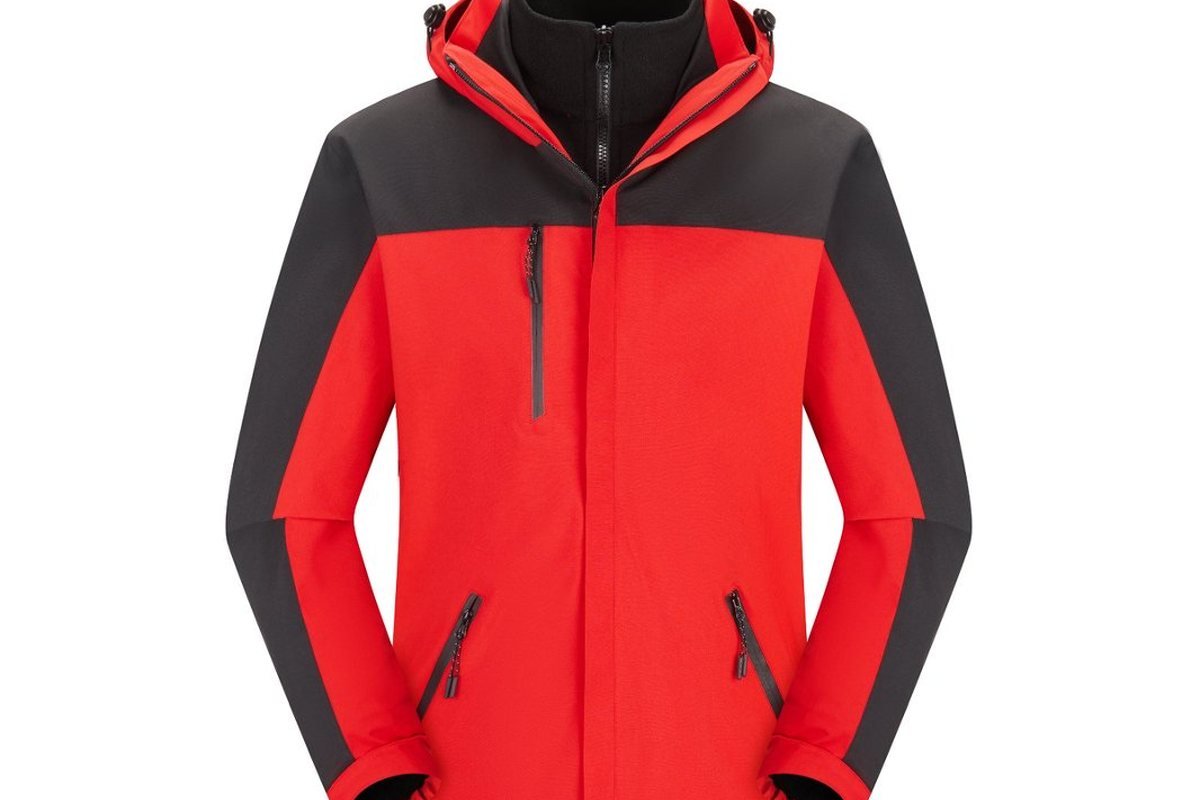
Why Factory-Direct ODM for Insulated Ski Jackets?
Factory-direct ODM (Original Design Manufacturer) partnerships let you select from proven jacket patterns, customize fabrics and trims, and apply your branding without paying for in-house design teams or full-scale product development. This model suits outdoor brands validating a new category, corporate buyers ordering ski team uniforms, and school programs sourcing winter gear for student trips.
Cost Transparency
Working directly with the production facility removes distributor margins that typically add 30 to 50 percent to landed cost. You negotiate fabric upgrades, zipper brands, and logo placement at factory cost, then control your own retail markup. OEM jacket manufacturing facilities in Zhejiang province quote FOB prices that include fabric, trims, labor, and basic packaging, with no hidden fees for pattern adjustments or colorway changes within the agreed spec.
Customization Depth
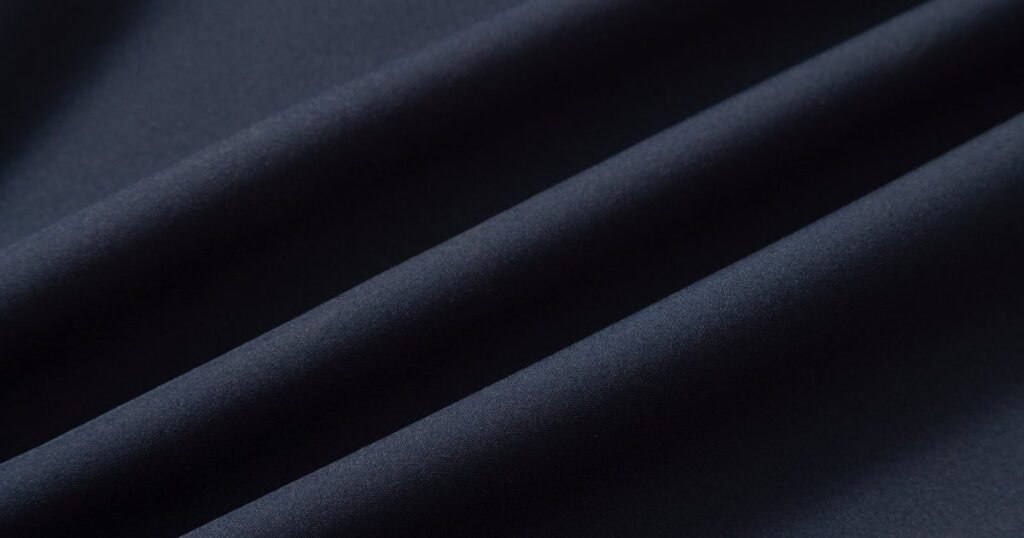
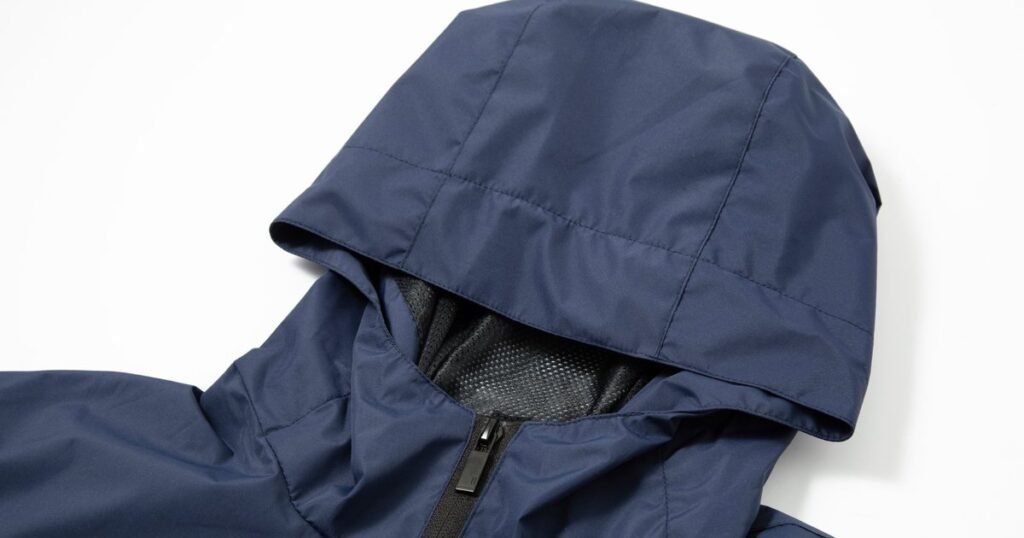
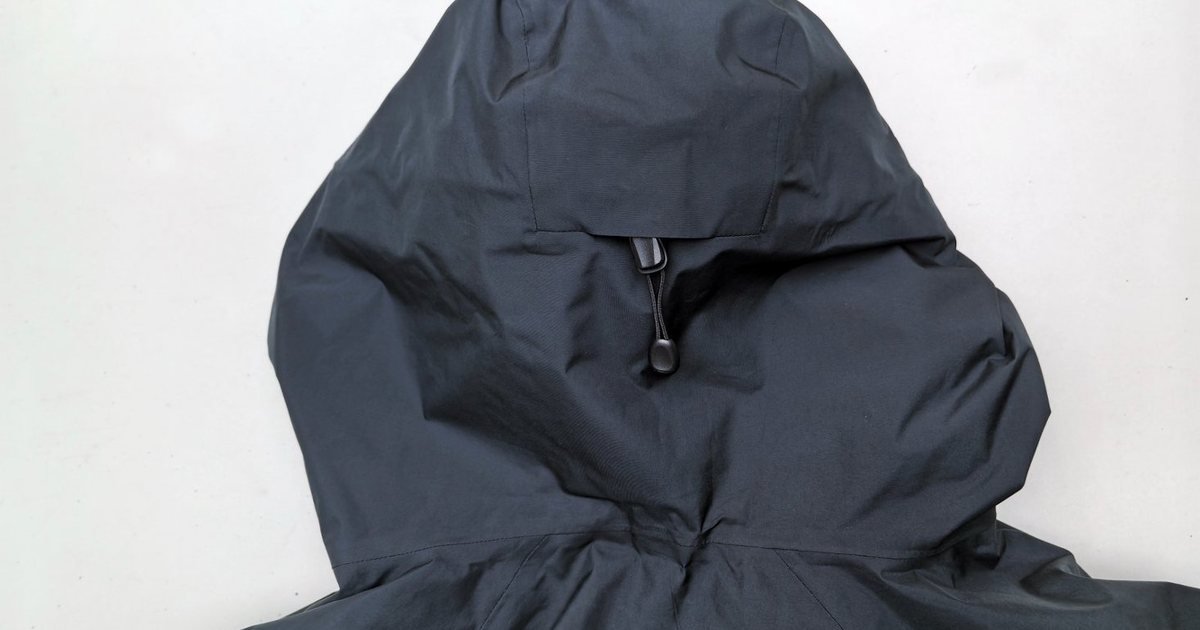
ODM suppliers maintain libraries of base patterns for insulated ski jackets covering resort, backcountry, and casual snow styles. You choose shell fabric (coated polyester, laminated membranes, or three-layer constructions), insulation type (synthetic or down), and feature set (pit zips, powder skirts, helmet-compatible hoods). The factory applies your woven labels, heat-transfer logos, and custom colorways without requiring you to draft technical packs from scratch.
Speed to Market
Pre-approved patterns and in-stock technical fabrics compress sampling cycles. A factory with ready inventory of 10,000 mm laminated shell fabric and 100 g/m² synthetic insulation can ship a wearable sample in 7 to 10 days, letting you test fit and function before winter trade shows. Brands launching seasonal collections avoid the 90 to 120 day lead times associated with fully custom development.
Technical Specifications That Matter
Insulated ski jacket performance hinges on shell waterproofing, insulation weight, breathability, and seam construction. North American buyers prioritize specs that match regional climate zones: Pacific Northwest resort skiers need high breathability and pit zips; Rocky Mountain backcountry users require lightweight insulation and helmet-compatible hoods; Midwest school programs favor durable coated fabrics over premium membranes.
Waterproof and Breathability Ratings
Waterproof ratings measure how much water pressure the fabric withstands before leaking; 10,000 mm handles moderate snowfall and wet chairlift rides. Breathability ratings indicate how much moisture vapor escapes per square meter over 24 hours; values above 5,000 g reduce interior condensation during aerobic activity. Buyers often discover that breathable shells still feel clammy when the DWR (durable water repellent) coating wets out, trapping moisture against the membrane.
Insulation Types and Weights
- Synthetic fill (80 g/m²): Lightweight option for high-output resort skiing; retains warmth when wet; dries in 4 to 6 hours; adds minimal bulk; costs 10 to 15 percent less than down equivalents.
- Synthetic fill (120 g/m²): Mid-weight insulation for chairlift laps and moderate cold; balances warmth and breathability; suitable for temperatures between 15°F and 35°F; compresses less than down but recovers loft faster after washing.
- Down insulation (550 fill power): Entry-level down at 60 to 80 g total weight; warmer than 120 g synthetic per gram; requires water-resistant treatment (hydrophobic down or DWR-treated clusters); adds 15 to 20 percent to FOB cost.
- Down insulation (700 fill power): Premium warmth-to-weight for backcountry touring and extreme cold; 50 to 70 g total weight equals 120 g synthetic warmth; compresses to half the packed volume; sensitive to moisture without treatment; increases unit cost by 25 percent over synthetic.
Seam Construction and DWR Durability
Fully taped seams (all interior seam allowances covered with waterproof tape) prevent water ingress at stitching holes; critically taped seams (shoulders, hood, and pocket flaps only) reduce cost by 8 to 12 percent but allow minor leakage at side seams and cuffs. PFC-free DWR coatings meet environmental standards but require re-proofing every 20 to 30 wash cycles, while fluorocarbon DWRs last 40 to 50 washes before losing bead-up performance. Buyers report that without pit zips, even a 10,000 g breathability rating feels hot during strenuous activity, as interior humidity cannot escape fast enough.
MOQ and Pricing Structure
Minimum order quantities for insulated ski jacket ODM factory direct programs vary by fabric sourcing and customization depth. Factories running vertically integrated operations with in-house cut-and-sew can accommodate smaller runs than those relying on external fabric mills and trim suppliers.
Sample and Pre-Production Costs
Sample MOQ: 1 piece. Bulk MOQ: 30 pieces per SKU. Sampling time: 7 to 10 days.
Our 3,000 m² Taizhou Sanmen facility runs 20 production lines with in-house cut-and-sew and quality control, enabling 1-piece sample orders at $100 per unit (refundable against bulk). This lets outdoor brand founders test three colorways and two insulation weights without locking up $3,000 in non-refundable samples. Low MOQ jacket manufacturers serving startup brands and corporate buyers typically set bulk minimums at 30 pieces per SKU, while traditional wholesalers require 100 to 300 units and charge $200 to $400 for non-refundable samples.
Bulk Pricing Tiers
Pricing assumes 10,000 mm laminated shell fabric, YKK zippers, fully taped seams, and basic woven labels. Upgrading to 20,000 mm three-layer fabric adds $6 to $9 per unit; switching to 700 fill-power down increases cost by $8 to $12. Custom embroidered logos (chest and sleeve placement) add $1.50 to $2.50 per jacket depending on stitch count.
Payment Terms and Deposit Structure
Factory-direct ODM suppliers typically require 30 percent deposit upon order confirmation, 60 percent before shipment, and 10 percent against final inspection or upon delivery. This structure protects both parties: the deposit covers fabric procurement and cutting, the pre-shipment balance funds labor and finishing, and the final holdback ensures quality meets specification. Buyers using letters of credit should budget an additional 1.5 to 2.5 percent for bank fees and confirm the factory accepts LC terms before sampling.
Quality Control and Testing Protocols
Quality failures in insulated ski jackets cluster around seam leakage, insulation migration, and zipper durability. North American buyers returning defective units cite waterproofing breakdown at taped seams (35 to 40 percent of claims), down fill shifting to lower panels (20 to 25 percent), and main zipper separation under load (15 to 20 percent). Factory-direct partnerships let you specify inspection checkpoints and testing standards before production starts.
Pre-Production Testing
- Hydrostatic pressure test: Confirms shell fabric meets stated waterproof rating (5,000 mm, 10,000 mm, or 20,000 mm); performed on fabric roll samples before cutting; detects substandard lamination or coating application; costs $80 to $120 per fabric lot at SGS or Intertek labs.
- Seam tape adhesion test: Measures peel strength of waterproof tape applied to interior seams; minimum acceptable value is 8 N/cm for polyurethane tape; identifies weak bonding that leads to delamination after 10 to 15 wash cycles; prevents the most common warranty claim.
- Insulation loft recovery: Compresses synthetic or down fill to 50 percent original thickness, then measures rebound after 24 hours; synthetic fills should recover to 85 percent loft; down fills to 95 percent; low recovery indicates poor-quality fill or moisture contamination.
In-Line and Final Inspections
During-production inspections catch defects before full runs are completed. At the 30 percent production milestone, inspectors pull 10 to 15 units to verify stitch density (12 to 14 stitches per inch on seams), zipper alignment, and insulation distribution. Factories running sample development programs with AQL 2.5 standards reject batches where more than 2.5 percent of units show critical defects (seam leakage, broken zippers, misaligned hoods). Final inspections before shipment check random samples for waterproof performance using spray tests, measure insulation weight variance (should not exceed ±5 g/m² from spec), and confirm all woven labels and logos match approved artwork.
Certification and Compliance
OEKO-TEX Standard 100 certification screens fabrics, insulation, zippers, and trims against more than 1,000 harmful substances including heavy metals, formaldehyde, and restricted dyes. BSCI (Business Social Compliance Initiative) audits verify that factories maintain safe working conditions, fair wages, and reasonable hours for cut-and-sew teams. Buyers importing into the United States should confirm the factory provides a commercial invoice, packing list, and country-of-origin certificate for customs clearance; missing documentation delays shipments by 5 to 10 days at the port.
Lead Times and Logistics to North America
Total time from deposit to dock in North America breaks into sampling, production, and freight phases. Buyers planning winter launches should initiate sampling by late April or early May to receive inventory before October retail windows.
Sampling Phase
Pre-production samples using in-stock fabrics and standard trims ship in 7 to 10 days from deposit. Custom fabric development (unique colorways, proprietary laminations, or branded membrane inserts) extends sampling to 18 to 25 days as mills produce trial yardage. Buyers requesting fit adjustments (longer torso, adjusted sleeve pitch, modified hood volume) add 5 to 7 days per revision round. Most outdoor brands complete sampling in two rounds: initial fit sample, then pre-production sample with final fabrics and trims.
Bulk Production Cycle
Bulk production for 30 to 200 units takes 25 to 35 days from deposit. Rush orders (1,000 pieces in about 2 weeks at a 25 percent expedite fee) compress this by prioritizing fabric allocation and running overtime shifts, but quality risk increases as inspectors have less time to catch defects.
Ocean Freight and Customs Clearance
Ocean freight from Ningbo to Los Angeles takes 18 to 22 days; to Vancouver 16 to 20 days; to New York/New Jersey 32 to 38 days via Suez Canal or 28 to 34 days via Panama Canal depending on carrier routing. Air freight (7 to 10 days door-to-door) costs 6 to 8 times ocean rates and makes sense only for sample shipments or emergency restocks under 50 kg. Buyers should budget 3 to 5 days for US customs clearance and drayage from port to warehouse, longer if CBP (Customs and Border Protection) selects the shipment for physical inspection.
Seasonal Planning Windows
North American ski retail peaks in October through December. Brands targeting this window should finalize sampling by June, place bulk orders by mid-July, and receive shipments by late September. Corporate buyers ordering ski team uniforms for January trips can compress timelines by choosing in-stock fabrics and accepting standard colorways, reducing total lead time to 50 to 60 days. School programs with fixed budgets often order in spring (March to May) for delivery in August, taking advantage of off-peak factory capacity and negotiating 5 to 8 percent discounts.
Key Takeaways
- Factory-direct ODM partnerships eliminate distributor margins of 30 to 50 percent, letting outdoor brands control fabric upgrades and logo placement at true production cost.
- OEKO-TEX Standard 100 certification screens textiles against more than 1,000 harmful substances, covering fabrics, insulation, zippers, and trims in a single test protocol.
- Synthetic insulation at 100 g/m² retains warmth when wet and dries in 4 to 6 hours, while 550 fill-power down offers 15 to 20 percent better warmth-to-weight but requires hydrophobic treatment.
- Seam tape adhesion testing measures peel strength at 8 N/cm minimum for polyurethane tape, preventing the most common warranty claim (seam leakage after 10 to 15 wash cycles).
- Ocean freight from Ningbo to Los Angeles averages 18 to 22 days, with an additional 3 to 5 days for US customs clearance and drayage to inland warehouses.
- Buyers ordering 30 to 99 units per SKU pay $42 to $48 FOB for synthetic-fill jackets with 10,000 mm shells and YKK zippers, while 700 fill-power down upgrades add $8 to $12 per unit.
FAQ
What is the MOQ for custom insulated ski jackets from an ODM factory?
Factory-direct ODM suppliers serving outdoor brands and corporate buyers typically set bulk minimums at 30 pieces per SKU, with 1-piece sampling available at $80 to $150 (refundable against bulk orders). Traditional wholesalers require 100 to 300 units and charge non-refundable sample fees of $200 to $400, making factory-direct partnerships more accessible for startup brands validating new categories.
What waterproof rating is best for insulated ski jackets?
Resort skiing in moderate snowfall requires 10,000 mm waterproof ratings with 5,000 g/m²/24h breathability; backcountry and multi-day touring demand 20,000 mm three-layer constructions with 10,000+ g breathability. Entry-level jackets at 5,000 mm handle light snow and casual use but leak under prolonged wet conditions or when sitting on chairlifts. Buyers should match the rating to regional climate and activity intensity rather than defaulting to premium specs that add 20 to 30 percent to unit cost.
How long does OEM ski jacket sampling and production take?
Pre-production sampling using in-stock fabrics ships in 7 to 10 days from deposit; custom fabric development extends this to 18 to 25 days. Bulk production for 30 to 200 units takes 25 to 35 days after deposit, covering fabric procurement, cutting and sewing, and finishing. Ocean freight from Ningbo to Los Angeles adds 18 to 22 days, totaling roughly 50 to 67 days dock-to-dock for a complete cycle.
What is the difference between OEM and ODM for ski jackets?
OEM (Original Equipment Manufacturer) production requires you to provide complete technical packs, patterns, and specifications; the factory executes your design exactly as drafted. ODM (Original Design Manufacturer) partnerships let you select from the factory’s existing jacket patterns, customize fabrics and trims, and apply your branding without drafting patterns from scratch. ODM suits outdoor brands validating new categories or corporate buyers with limited design resources, while OEM fits established brands with in-house technical design teams.
Can insulated ski jackets be customized with logos and private labels?
Private-label customization includes woven neck labels, heat-transfer chest logos, embroidered sleeve patches, and custom hangtags. Woven labels cost $0.30 to $0.60 per unit depending on size and color count; embroidered logos add $1.50 to $2.50 based on stitch count and placement. Factories apply your branding during finishing, with artwork approval required 10 to 14 days before production starts to allow time for label weaving and embroidery digitization.
Written by Ivan Chen, Sales Engineer at PTOUTWEAR – 13 years in outdoor apparel manufacturing.
Ready to source insulated ski jackets with 1-piece sampling and 30-unit minimums?
Request Your Sample Pack →