📋 Table of Contents
For outdoor brand founders, corporate uniform buyers, and small wholesalers, sourcing zip vents snow pants that balance breathability, waterproofing, and small-batch affordability remains a core challenge in 2026. Zip vents snow pants require precise seam sealing, durable water-repellent (DWR) treatments, and well-engineered zippers to perform on the slopes and trails. In our 12+ years manufacturing technical outerwear in Taizhou and Yiwu, we have seen how the right vendor partnership can turn a simple vented pant into a competitive advantage.
Executive Summary
- Consumer-Demand Indicator: According to Adventure Alan (2026), ventilated technical pants remain a top feature, with “massive zipper vents” cited as a key differentiator for performance pants.
- Side-Zip Preference: BikeHikeSafari (2026) emphasizes that 3/4-length waterproof side zips are critical for both ventilation and easier on/off over boots in ultralight rain pants.
- Durability-Ventilation Trade-off: Backpacking Light (2026) specifically argues for rainwear with more ventilation features and durability, confirming that venting is a recurring purchase criterion.
- Design Benchmark: Outdoor Gear Lab (2026) highlights zip-open vents on the outside of pants as a standard evaluation criterion in technical pant reviews.
- Competitive MOQ: Unlike many Asian factories requiring 300-500 pieces per SKU, PTOUTWEAR offers a 1-piece sample and 30-piece bulk MOQ, making market validation accessible.
Why Ventilation Design Matters in Snow Pants
Heat Regulation During High-Output Activities
Backcountry skiers, snowshoers, and winter hikers generate significant body heat that needs to escape. Full-length or 3/4-length side zips on snow pants allow quick temperature control without removing the garment. According to a 2026 GearJunkie ski jacket testing summary, venting and temperature control are now core performance metrics across snow sports gear. Zip vents can increase airflow by 40-60% compared to pants relying solely on breathable membranes.
On/Off Convenience Over Bulky Footwear
BikeHikeSafari (2026) notes that 3/4-length side zips not only vent heat but also make it possible to pull pants on or off over ski boots or heavy snow boots. For corporate uniform programs or school groups, this feature drastically reduces time spent in cold changing areas and lowers the risk of torn seams from forcing pants over boots.
Zip Vents Snow Pants Manufacturing: Key Technical Specifications
Zipper Selection and Durability Testing
Choosing the right zip is critical. Water-resistant coil zippers (e.g., YKK AquaGuard or SBS equivalent) protect against snow infiltration, while reverse-coil zippers offer smooth operation even at low temperatures. Look for zippers tested to at least 10,000 open/close cycles per ASTM D2061. Storm flaps with snap or hook-and-loop closures add a secondary barrier and reduce zipper freeze-up.
Seam Sealing and Waterproofing Integrity
For fully waterproof zip vents snow pants, every seam must be taped or welded. Two-layer and three-layer laminated fabrics require different seam-sealing techniques: hot-air tape for PU-backed fabrics, ultrasonic welding for TPU membranes. Inconsistent taping leads to delamination and field failures. A reputable factory will test seam strength to 3,500-5,000 mm hydrostatic head and provide samples for on-site validation.
Articulation and Gusset Construction
Zip vent placement must not restrict mobility. Deep crotch gussets (diamond or triangle inserts) and articulated knees ensure that full-length zips do not pull when squatting or striding. Tech packs should specify gusset fabric that matches or exceeds outer fabric durability, as friction from zipper teeth wears through lighter linings quickly.
Bulk MOQ: 30 pieces per SKU. Sample MOQ: 1 piece. Zipper options: YKK, SBS, custom pulls available.
Materials, DWR, and Certifications for Zip Vents
Face Fabric and Membrane Options
Most snow pants use a polyester or nylon face fabric with a PU, TPU, or ePTFE membrane. PU-coated polyester costs $3-$5/meter, while a 3-layer ePTFE laminate can exceed $12/meter. For vented pants, the challenge is bonding a smooth-sliding zipper tape to a membrane without compromising waterproofness. Pre-production samples are essential to test adhesion.
PFC-Free DWR and OEKO-TEX Compliance
EU and US buyers increasingly require PFC-free durable water-repellent finishes. The OEKO-TEX Standard 100 certification screens textiles against more than 1,000 harmful substances and is a baseline for European market access. Our Taizhou Sanmen facility already runs PFC-free DWR lines; OEKO-TEX Standard 100 is planned, not held. Request a lab report showing spray rating of 80+ (AATCC 22) after 20 home launderings.
Sourcing Models: OEM, Private Label, and Custom Options
OEM Manufacturing for Full Customization
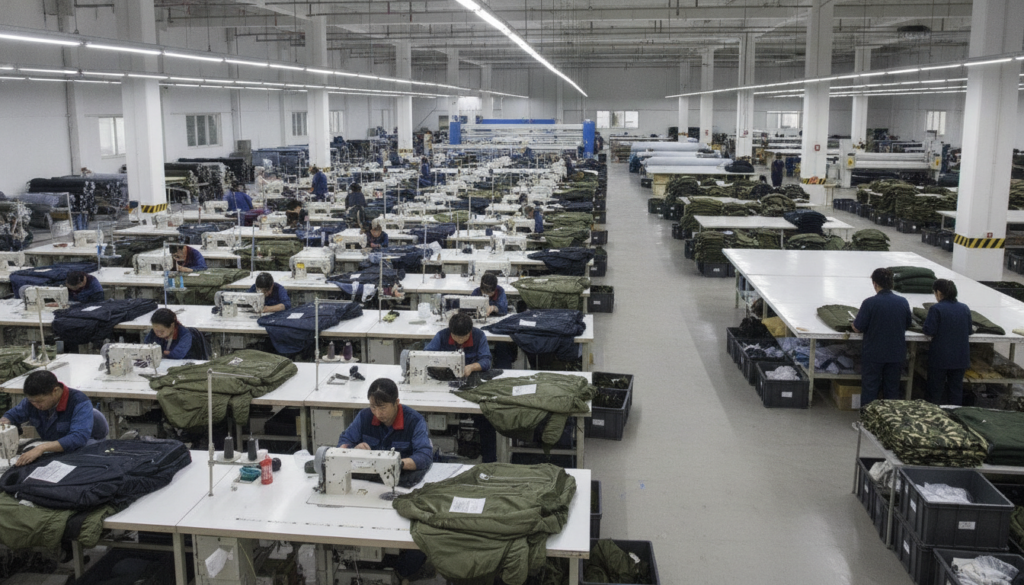
When you have a unique design, the OEM jacket manufacturing route lets you specify fabrics, zipper types, vent placement, and branding. Our 3,000m² Taizhou Sanmen facility runs 20 production lines capable of handling small custom runs down to 30 pieces per SKU. A tech pack with graded patterns and stitch details reduces sampling rounds to 7-10 days.
Private Label with Quick Turnaround
For brands that want to test market fit, private label snow pants with existing zip vent designs reduce lead time to 4-5 weeks. You customize labels, embroidery, and hang tags, while keeping technical development costs near zero. This is ideal for school uniform programs or corporate team gear where function trumps trend.
Low-MOQ Sampling Before Market Validation
Cash-flow protection starts with 1-piece sample development. A $100 sample fee (refundable against the bulk order) lets you test zipper smoothness, DWR performance, and fit before committing to inventory. This approach has helped dozens of low-MOQ jacket buyers validate designs with their customers without locking up capital.
Quality Control and Testing Protocols
In-Line and Final Random Inspection
During production, pull-test zippers for consistent slider force (2-4 kg pull), check seam tape adhesion with peel-strength tests, and verify DWR spray rating on randomly selected panels. At final inspection, conduct a 10-minute full-leg submersion test on 2% of pieces. AQL 2.5 is the minimum acceptable standard; many high-end brands demand AQL 1.5 for waterproof garments.
Wash Durability and Field-Simulation Testing
Zip vents must remain waterproof after repeated use. Testing should include 20 wash/dry cycles per ISO 6330 and re-testing of hydrostatic head and DWR. For bulk orders, consider having the supplier send a post-wash test panel alongside the shipment. Our SGS-certified in-house lab can provide these reports for every production lot.
To secure a production slot with 1-piece sample validation and see the latest zip vents snow pants tech packs, Request 1-piece samples →
FAQ
Are zip vents worth it on snow pants?
Zip vents provide rapid heat release during high-exertion activities like backcountry skiing or snowshoeing. A 2026 GearJunkie ski gear analysis ranks venting as a core performance metric. They can increase airflow by 40-60% over membrane-only pants, preventing sweat build-up and subsequent chilling. For buyers, vented pants command a 15-25% retail premium, making them a worthwhile feature for brand differentiation.
What are zip vents on pants used for?
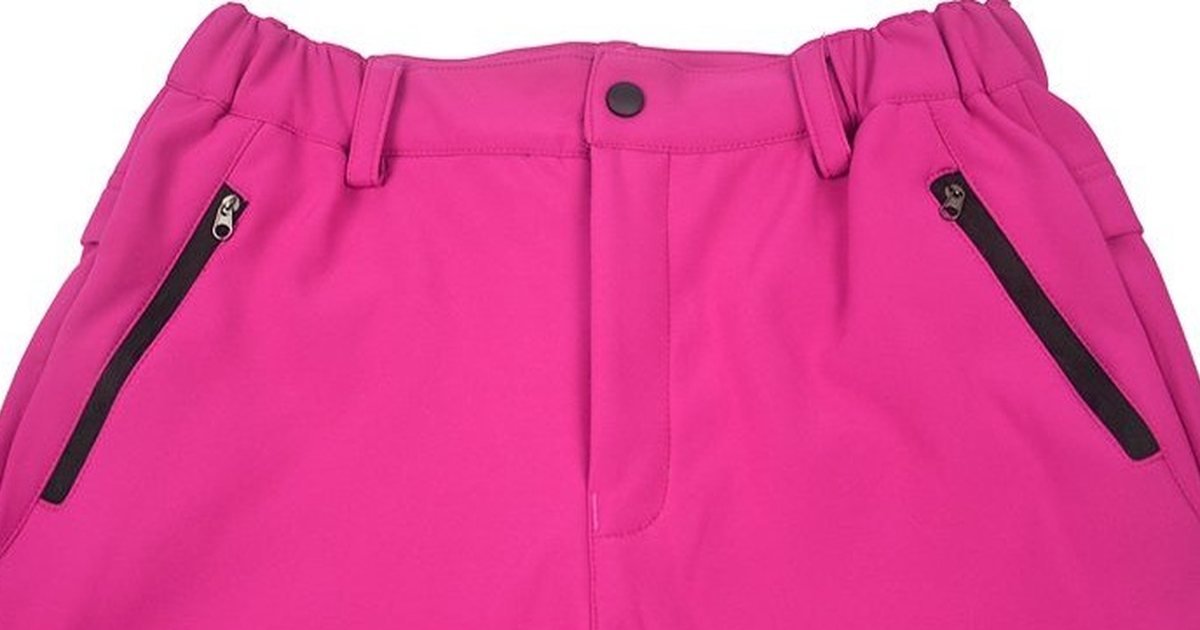
Zip vents are openings along the outer thigh or calf, sealed by a waterproof zipper, that allow the wearer to regulate body temperature without removing the pants. On snow pants, full-length or 3/4-length side zips double as an easy on/off feature over ski boots, as noted by BikeHikeSafari (2026). They also release trapped moisture vapor that breathable membranes struggle to expel during high-output movement.
Are zip vents better than breathable fabric in snow pants?
They serve different functions. Premium breathable membranes like ePTFE can transmit moisture vapor in cool, dry conditions, but in heavy-sweat scenarios or wet conditions, their performance drops. Zip vents offer immediate, high-volume airflow that mechanical venting cannot match. For best results, combine both: a breathable membrane for low-exertion periods and zip vents for intense activity. Adventure Alan (2026) highlights pants with “massive zipper vents” as the gold standard.
Should snow pants have side zips?
Side zips are not essential for every use case, but they add significant convenience and temperature control. For backcountry touring, side zips are nearly mandatory. For resort skiing or casual wear, shorter inner-thigh vents may suffice. When sourcing, offering at least a 3/4-length zip variant lets you cover both recreational and performance markets. Outdoor Gear Lab (2026) includes zip-open vents as a standard evaluation criterion in all technical pant reviews.
How do you choose the right snow pants for skiing or snowboarding?
Prioritize waterproofing (10,000 mm minimum), seam-sealed construction, and adequate venting. Fit must accommodate knee pads and layering without restricting movement. For a B2B purchase, validate samples for zipper smoothness at freezing temperatures and DWR durability after washing. Build a tech pack that includes articulation specs and vent placement. Work with a supplier that offers 1-piece sampling, like PTOUTWEAR, to test performance before committing to bulk inventory.
Key Takeaways
- According to Adventure Alan (2026), ventilated technical pants with “massive zipper vents” remain a top differentiator in outdoor apparel buying guides.
- BikeHikeSafari (2026) reports that 3/4-length waterproof side zips are critical for both ventilation and easier on/off over boots in ultralight rain pants.
- Backpacking Light (2026) specifically argues for rainwear with more ventilation features, confirming that venting is a decisive purchase criterion in performance outerwear.
- Outdoor Gear Lab (2026) highlights zip-open vents on the outside of pants as a standard evaluation criterion in technical pant reviews.
- The Global Recycled Standard (GRS) requires a minimum of 20% recycled content before a product can be certified, a growing expectation among eco-conscious buyers of zip vents snow pants.
- OEKO-TEX Standard 100 screens textiles against more than 1,000 harmful substances, a baseline for European market compliance and increasingly required by US corporate uniform programs.
To see how zip vents integrate on a production pant, check our hardshell pants (K037025) product page.