Premium waterproof membrane brands Pertex sourcing offers jacket manufacturers alternatives to Gore-Tex, including Pertex Shield (20,000+ mm hydrostatic head), eVent (electrospun PTFE, high breathability), Polartec NeoShell (air-permeable stretch), and proprietary systems like Patagonia H2No and The North Face FutureLight. Each membrane balances waterproofness, breathability, weight, and cost, with sourcing considerations including minimum order quantities, lamination compatibility, and certification requirements.
📋 Table of Contents
Executive Summary
- Membrane landscape: Jacket manufacturers can source premium waterproof membranes from Pertex Shield, eVent, Polartec NeoShell, and proprietary systems, each offering distinct performance profiles and sourcing pathways.
- Performance comparison: Pertex Shield delivers 20,000+ mm waterproofness in a lightweight package, eVent excels in breathability through electrospun PTFE, and Polartec NeoShell provides air-permeable stretch for active use.
- Sourcing complexity: Buyers face challenges comparing proprietary membrane names because brands publish inconsistent lab specifications, making direct performance assessment difficult.
- Manufacturing compatibility: Membrane selection affects lamination processes, seam-sealing methods, and quality-control testing, requiring manufacturers to verify technical compatibility before committing to production runs.
- Commercial terms: Minimum order quantities, lead times, and certification requirements vary significantly across membrane suppliers, with some systems requiring brand partnerships or exclusive licensing agreements.
Why Source Beyond Gore-Tex?
Gore-Tex holds a dominant position in technical outerwear, with a minimum hydrostatic head of 28,000 mm across its fabrics according to Gore-Tex (2026). Many jacket manufacturers explore alternatives to reduce material costs, avoid licensing restrictions, or differentiate their product lines. Buyers seeking premium waterproof membrane brands Pertex sourcing often aim to balance performance with commercial flexibility, especially when launching new outdoor apparel lines or serving niche markets like ultralight hiking or corporate team gear.
Cost Structure and Licensing
Gore-Tex membrane systems typically carry premium pricing and require brand partnerships that include minimum purchase commitments and quality-control audits. Smaller outdoor brands or manufacturers producing for corporate uniform programs may find these requirements restrictive. Alternative membranes offer more flexible commercial terms, though performance specifications and brand recognition vary.
Performance Trade-Offs
Budget waterproof shells often keep water out but sacrifice breathability, leading to condensation and clammy wear during activity. Premium alternatives to Gore-Tex address this gap by offering high waterproofness and breathability without the same licensing overhead. Some lighter membranes are praised for weight savings, but reviewers still question long-term durability and abrasion resistance in demanding alpine environments.
Market Differentiation
Brands using Pertex Shield, eVent, or proprietary membranes can position products as specialized alternatives rather than direct Gore-Tex competitors. A 2026 ultralight jacket guide lists the Montane Minimus using Pertex Shield as a classic lightweight shell option, demonstrating market acceptance of non-Gore-Tex membranes in premium segments.
Pertex Shield: Lightweight Premium Membrane
Pertex Shield is a hydrophilic polyurethane membrane system designed for lightweight hardshell jackets. Outdoor Research Helium is listed with Pertex Shield Diamond Fuse and a 2.5-layer construction in 2026 jacket roundups, confirming its use in current premium products. The membrane achieves 20,000+ mm hydrostatic head waterproofness while maintaining breathability through moisture-vapor transmission rather than microporous structure.
Pertex Shield Variants
- Pertex Shield Air: Lightest option at approximately 7 denier face fabric, designed for ultralight backpacking shells where every gram matters.
- Pertex Shield+: Standard 2.5-layer construction balancing weight and durability, common in trekking and trail-running jackets.
- Pertex Shield Diamond Fuse: Three-layer laminate with enhanced abrasion resistance, used in technical alpine shells requiring extended durability.
Sourcing Pertex Shield Fabric
Pertex operates as a fabric brand rather than a direct membrane supplier, meaning manufacturers source finished laminated fabrics through authorized mills. Lead times typically range from 45 to 90 days depending on colorway and finish specifications. Minimum order quantities vary by mill but commonly start at 500 meters per colorway for stock constructions. Custom color matching or DWR finish specifications may increase minimums to 1,000+ meters.
Manufacturing Considerations
Pertex Shield laminates require fully taped seams to maintain waterproof integrity. Seam tape must be compatible with the hydrophilic membrane chemistry, typically using polyurethane-based tape rather than PVC. Our 3,000 m² Taizhou Sanmen facility runs 20 production lines with in-house seam-taping equipment calibrated for both PU and PVC tape systems, allowing us to work with multiple membrane types without cross-contamination.
eVent: Electrospun PTFE for Maximum Breathability
eVent membranes use electrospun polytetrafluoroethylene (PTFE) technology with a direct-venting structure that eliminates the oleophobic coating found in traditional Gore-Tex. This design allows moisture vapor to escape immediately rather than requiring a pressure differential, resulting in higher breathability during high-output activities. The membrane maintains waterproofness through microporous structure rather than hydrophilic chemistry.
eVent DValpine and DVstorm
- eVent DValpine: Three-layer construction optimized for alpine climbing and ski mountaineering, offering maximum breathability in cold, dry conditions where moisture management is critical.
- eVent DVstorm: Enhanced face-fabric durability for extended expeditions and professional guide use, with reinforced abrasion zones and higher denier outer layer.
- eVent DVdry: Two-layer construction for lighter-weight applications, commonly used in trail-running shells and ultralight backpacking jackets.
Breathability Performance
eVent’s direct-venting architecture delivers moisture-vapor transmission rates (MVTR) that typically exceed 25,000 g/m²/24hr in laboratory testing, compared to 15,000-20,000 g/m²/24hr for many hydrophilic membranes. This performance advantage becomes noticeable during sustained aerobic activity like ski touring or trail running, where internal condensation can compromise comfort even in waterproof shells.
Sourcing eVent Laminates
eVent operates through a network of authorized laminators and fabric converters. Manufacturers typically source finished three-layer laminates rather than raw membrane, with minimum orders starting at 300-500 meters for standard colorways. Custom color development requires 1,000+ meter commitments and 60-90 day lead times for initial production. The membrane’s PTFE chemistry requires specialized seam tape, adding approximately 8-12% to total material cost compared to PU-based systems.
Quality Control Requirements
eVent fabrics require hydrostatic head testing at incoming inspection to verify waterproofness has not degraded during shipping or storage. The microporous structure is sensitive to contamination from oils or silicones, so manufacturers must maintain separate cutting tables and sewing equipment for PTFE membranes. Cross-contamination from silicone-treated fabrics can permanently damage breathability performance.
Polartec NeoShell: Air-Permeable Stretch Membrane
Polartec NeoShell uses an air-permeable membrane technology that allows direct air exchange while maintaining waterproofness through a monolithic structure. Unlike microporous or hydrophilic membranes that rely on vapor diffusion, NeoShell permits limited airflow, creating a more comfortable microclimate during high-exertion activities. The membrane incorporates mechanical stretch, making it suitable for technical climbing and ski shells where freedom of movement is essential.
Air Permeability vs. Waterproofness
NeoShell’s air permeability measures approximately 5-10 CFM (cubic feet per minute), enough to reduce internal humidity buildup without compromising waterproof performance in rain. The membrane achieves 10,000+ mm hydrostatic head, adequate for most outdoor activities but lower than Gore-Tex Pro or eVent DValpine. This trade-off favors active use cases over static exposure to prolonged heavy rain.
Stretch and Mobility
- Four-way stretch: NeoShell laminates offer 20-30% stretch in both warp and weft directions, reducing the need for articulated patterning or gusseted underarms in technical shells.
- Face fabric integration: The membrane bonds to stretch nylon or polyester face fabrics without restricting elasticity, maintaining garment mobility through the full laminate stack.
- Durability concerns: Stretch membranes typically show faster wear in high-abrasion zones like shoulder seams under pack straps, requiring reinforcement patches or higher-denier face fabrics in these areas.
Sourcing Polartec NeoShell
Polartec licenses NeoShell technology to select brands and manufacturers through a partnership model rather than open fabric sales. Smaller brands or contract manufacturers may face difficulty accessing NeoShell laminates without an established relationship or minimum annual volume commitments. Lead times for approved partners typically run 90-120 days for custom colorways, with minimums starting at 500 meters per SKU.
Proprietary In-House Membrane Systems
Major outdoor brands have developed proprietary waterproof-breathable membranes to control supply chains, differentiate products, and avoid third-party licensing fees. These systems range from rebranded commodity membranes to genuinely unique technologies with distinct performance characteristics.
Patagonia H2No
Patagonia H2No is described in 2026 coverage as a competing proprietary membrane with about 20,000 mm waterproofness. The system includes multiple variants: H2No Performance Standard (two-layer and three-layer constructions), H2No Performance Standard Stretch (mechanical stretch), and a recycled-polyester face-fabric option. Patagonia does not license H2No to third-party manufacturers, limiting availability to Patagonia-branded products only.
The North Face FutureLight
The North Face is described in 2026 coverage as using FutureLight and DryVent in the premium shell market. FutureLight employs a nanospinning process to create an air-permeable membrane similar in concept to Polartec NeoShell. The North Face positions FutureLight as a premium option above DryVent, with higher breathability and lighter weight. Like H2No, FutureLight remains exclusive to The North Face products and is not available for third-party sourcing.
Columbia Omni-Tech
Columbia is described in 2026 coverage as using Omni-Tech in jackets positioned at lower price tiers than Gore-Tex. Omni-Tech is a hydrophilic polyurethane membrane similar to entry-level waterproof-breathable systems, offering adequate performance for casual outdoor use and everyday rainwear. Columbia does not license Omni-Tech externally, but the technology represents a benchmark for performance and pricing in the mid-market segment.
Arc’teryx and Gore-Tex Pro
Arc’teryx is described in 2026 coverage as using Gore-Tex Pro with a 28,000 mm rating in premium technical shells. While Arc’teryx does not manufacture a proprietary membrane, the brand’s exclusive use of Gore-Tex Pro in flagship products demonstrates the continued dominance of Gore technologies in the high-end alpine market. Manufacturers targeting similar performance specifications often benchmark against Gore-Tex Pro when evaluating alternative membranes.
Implications for Jacket Manufacturers
Proprietary membranes are generally unavailable for third-party sourcing, but they establish performance benchmarks and market positioning that inform material selection. A manufacturer developing a hardshell for a startup outdoor brand can reference H2No or FutureLight specifications when negotiating with membrane suppliers, even if those exact systems are inaccessible. Understanding proprietary membrane performance helps manufacturers match client expectations to available alternatives.
Sourcing Considerations for Jacket Manufacturers
Selecting and sourcing premium waterproof membrane brands Pertex sourcing requires manufacturers to balance performance specifications, commercial terms, and production compatibility. Buyers complain that some membranes are marketed as premium but real-world performance depends heavily on seam sealing and construction, not the membrane name alone. A well-executed jacket using a mid-tier membrane can outperform a poorly constructed shell with a premium membrane.
Minimum Order Quantities and Lead Times
Membrane suppliers and fabric laminators typically impose minimum order quantities ranging from 300 to 1,000+ meters per colorway. Custom color matching, DWR finish specifications, or face-fabric substitutions increase minimums and extend lead times. Manufacturers working with startup outdoor brands or small corporate uniform programs must carefully plan fabric procurement to avoid tying up working capital in excess inventory.
Sample MOQ: 1 piece. Bulk MOQ: 30 pieces per SKU. Sampling time: 7-10 days. Our low-MOQ production model allows brands to validate membrane performance in finished jackets before committing to large fabric orders.
Certification and Compliance
- OEKO-TEX Standard 100: Screens finished textiles for harmful substances, required by many European retailers and school uniform programs.
- bluesign approval: Certifies that membrane production meets environmental and safety standards for chemical use, water consumption, and emissions.
- PFC-free DWR: Fluorocarbon-free durable water-repellent finishes are increasingly required by brands committed to eliminating per- and polyfluoroalkyl substances (PFAS) from supply chains.
- Global Recycled Standard (GRS): Verifies recycled content in face fabrics and membranes, important for brands with sustainability commitments.
Lamination and Seam-Sealing Compatibility
Different membrane chemistries require specific seam-tape types and application temperatures. Hydrophilic polyurethane membranes (Pertex Shield, many proprietary systems) use PU-based seam tape applied at 130-150°C. PTFE membranes (eVent, Gore-Tex) require specialized tape and higher temperatures (150-180°C). Manufacturers must verify that their seam-sealing equipment can accommodate the selected membrane before committing to production.
Testing and Quality Control
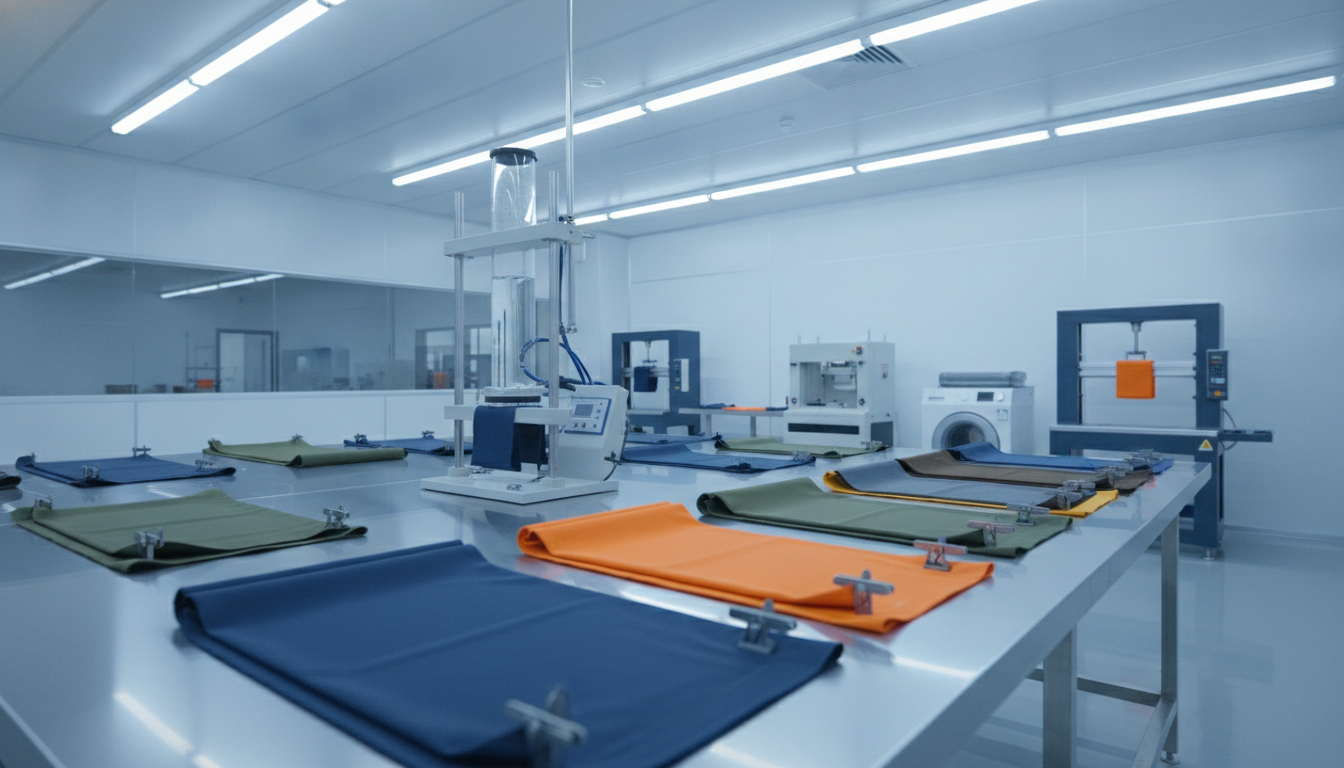
Incoming fabric inspection should include hydrostatic head testing (ISO 811 or AATCC 127) to verify waterproofness and moisture-vapor transmission rate testing (ISO 11092 or ASTM E96) to confirm breathability. Finished garments require seam-integrity testing, typically using a spray test (ISO 4920) or hydrostatic pressure test on critical seam zones. Buyers often discover quality issues only after production, when rework costs and schedule delays become significant.
Cost Structure Analysis
Supplier Qualification Process
Manufacturers should request lab test reports (hydrostatic head, MVTR, abrasion resistance) from membrane suppliers before committing to orders. Verify that the supplier holds relevant certifications (bluesign, OEKO-TEX) if required by end customers. Request small yardage samples (5-10 meters) for in-house testing and prototype development before placing full production orders. Our sample development service allows brands to test membrane performance in finished jacket prototypes before scaling to production.
Key Takeaways
- Pertex Shield delivers 20,000+ mm waterproofness in lightweight constructions, with variants ranging from ultralight 7-denier face fabrics to three-layer alpine laminates.
- eVent uses electrospun PTFE with direct-venting architecture to achieve moisture-vapor transmission rates exceeding 25,000 g/m²/24hr, outperforming many hydrophilic membranes in high-output activities.
- Polartec NeoShell offers air-permeable membrane technology with four-way stretch, trading maximum waterproofness (10,000+ mm) for superior breathability and mobility in active use cases.
- Proprietary membranes like Patagonia H2No and The North Face FutureLight establish performance benchmarks but remain unavailable for third-party sourcing, limiting manufacturers to reference specifications rather than direct procurement.
- Membrane sourcing requires balancing minimum order quantities (typically 300-1,000+ meters per colorway), lead times (45-120 days), seam-tape compatibility, and certification requirements against budget constraints and production schedules.
- Real-world jacket performance depends heavily on seam-sealing quality, construction techniques, and face-fabric durability, not membrane brand alone, making manufacturing expertise as critical as material selection.
FAQ
Can small outdoor brands source Pertex Shield fabric in quantities under 500 meters?
Most Pertex-authorized mills impose 500-meter minimums per colorway for stock constructions, but some converters offer cut-yardage services for prototype development or very small production runs at premium pricing (typically 20-40% above standard per-meter cost). Manufacturers can aggregate orders across multiple clients to meet mill minimums, though this requires careful production planning and inventory management. Brands launching with limited budgets should consider stock colorways in standard constructions to access lower minimums and faster lead times.
How do hydrophilic membranes like Pertex Shield compare to microporous PTFE membranes in long-term durability?
Hydrophilic polyurethane membranes typically show better resistance to contamination from body oils and dirt because they lack the micropores that can clog in PTFE systems. However, PU membranes are more susceptible to hydrolysis (chemical breakdown from moisture exposure) over multi-year lifespans, especially in humid storage conditions. PTFE membranes maintain waterproofness and breathability longer in ideal conditions but lose performance faster when micropores become contaminated. Proper garment care (regular washing, DWR reactivation) extends the functional life of both membrane types, with well-maintained shells lasting 5-10+ years regardless of chemistry.
What testing should manufacturers perform on incoming membrane fabric before cutting production runs?
Incoming inspection should include hydrostatic head testing (ISO 811) on at least three random samples per fabric roll to verify waterproofness meets specification, visual inspection for delamination or surface defects, and DWR performance testing (spray test per ISO 4920) to confirm water-repellent finish is active. For critical production runs or new suppliers, add moisture-vapor transmission rate testing (ISO 11092) and abrasion resistance testing (Martindale method) to verify breathability and durability claims. Manufacturers should reject fabric lots that fall below specification and document test results for traceability in case of downstream quality issues.
Ready to source premium waterproof membranes for your next jacket line?
Request Membrane Samples & MOQ Details →
Written by Ivan Chen, Sales Engineer at PTOUTWEAR – 13 years in outdoor apparel manufacturing.