Jacket manufacturers produce custom outerwear for brands, corporate teams, schools, and wholesalers, offering OEM and private-label services with minimum order quantities typically ranging from 1-piece samples to 30-100 pieces per SKU for bulk production. According to Eliian (2026), custom outdoor jackets are commonly offered at a 10-piece minimum per design with 20-25 day delivery after sample approval in current supplier listings. Verified bulk jacket supplier directories currently index 80+ manufacturers offering jackets in bulk, per Alibaba Apparel (2026).
📋 Table of Contents
Executive Summary
- Service Scope: Jacket manufacturers offer OEM production, private-label branding, and custom logo decoration for softshell, hardshell, rain, ski, insulated, windbreaker, 3-in-1, workwear, and varsity jackets.
- MOQ Reality: Sample minimums start at 1 piece for validation, while bulk production typically requires 30 pieces per SKU for technical fabrics and custom construction.
- Quality Verification: Buyers face challenges with vague waterproof claims, inconsistent fabric handfeel between samples and production runs, and unclear seam-sealing standards.
- Lead Time Planning: Sampling takes 7-10 days after spec approval, with bulk production running 25-35 days depending on fabric sourcing and decoration complexity.
- Cost Structure: Hidden charges for embroidery setup, fabric changes, and size-run grading often surface after initial quotes, requiring detailed breakdowns upfront.
What Do Jacket Manufacturers Provide?
Jacket manufacturers deliver end-to-end production services from design consultation and fabric sourcing through cut-and-sew assembly, quality control, and final packaging. Most facilities offer both OEM (original equipment manufacturing) and ODM (original design manufacturing) models. OEM production follows your exact specifications and tech packs, while ODM lets you select from the factory’s existing patterns and customize fabrics, colors, and branding.
Core Service Categories
- OEM Manufacturing: You supply technical drawings, fabric specs, and construction details; the factory executes your design with no creative input. Ideal for established brands with in-house design teams. OEM jacket manufacturing requires detailed tech packs specifying stitch type, seam allowances, and hardware placement.
- Private-Label Production: The factory provides base patterns (bomber, parka, softshell, windbreaker) that you rebrand with your logo, hang tags, and custom packaging. Faster to market than full OEM because patterns are proven and graded. Private-label services typically include label attachment, custom polybag printing, and carton marking.
- Custom Logo and Decoration: Embroidery, screen printing, heat transfer, woven labels, and rubber patches applied to finished garments. Setup fees range from USD 50-150 per logo depending on stitch count and placement complexity. Custom logo decoration requires vector artwork in AI or EPS format for clean reproduction.
Jacket Categories Offered
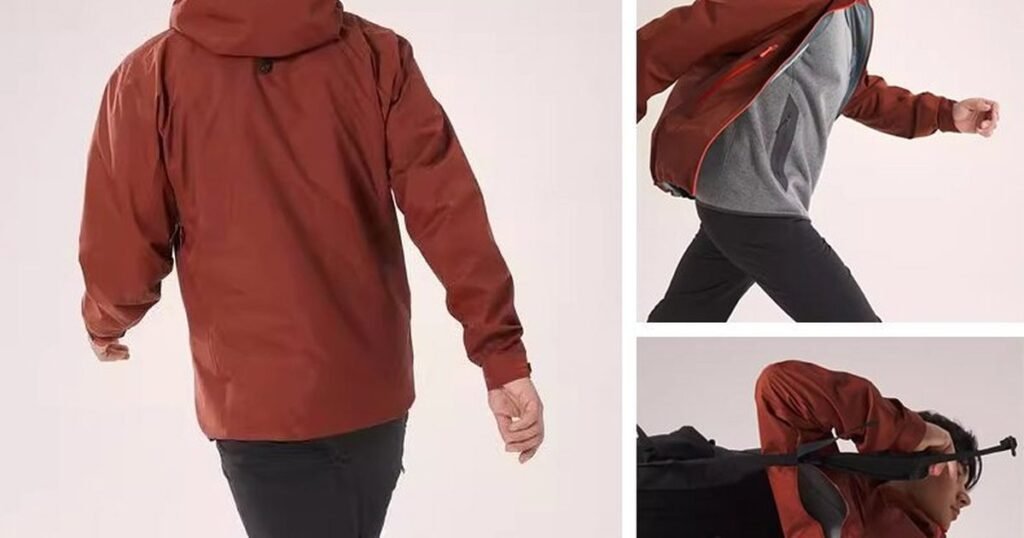
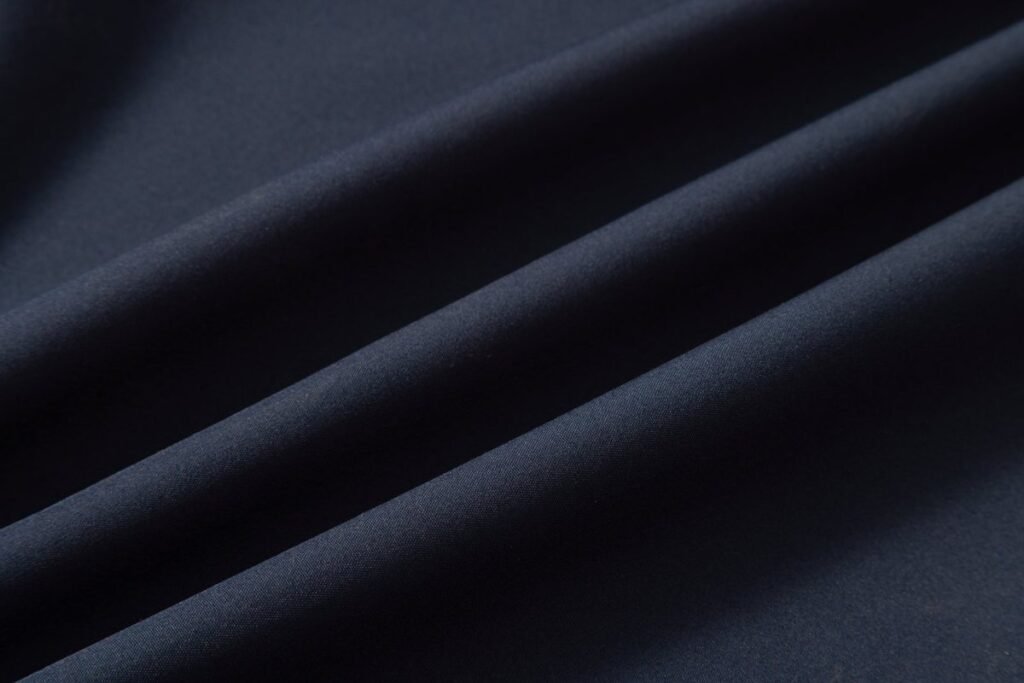
Manufacturers specialize in different performance and style segments. Softshell jackets use stretch-woven fabrics with fleece backing for breathability and mobility. Hardshell jackets feature waterproof-breathable membranes with fully taped seams for wet-weather protection. Rain jackets prioritize packability and lightweight construction with 2-layer or 2.5-layer laminates. Ski jackets add insulation, powder skirts, and goggle pockets for resort use. Insulated jackets use synthetic fill or down with baffled or quilted construction. Windbreakers offer wind resistance without waterproofing, often with DWR-treated ripstop nylon. 3-in-1 systems combine a waterproof shell with a zip-out insulated liner for modular layering. Workwear jackets meet high-visibility standards (ANSI/ISEA 107) or flame-resistance codes (NFPA 2112). Varsity jackets use wool-blend bodies with leather or vinyl sleeves and chenille lettering for school and team programs.
How Do You Find a Reliable Jacket Manufacturer?
Reliable jacket manufacturers demonstrate production capacity through facility audits, maintain certifications for quality and compliance, and provide transparent communication on MOQ, lead times, and cost breakdowns. Buyers often struggle to distinguish between trading companies that outsource production and vertically integrated factories with in-house cut-and-sew lines.
Verification Checklist
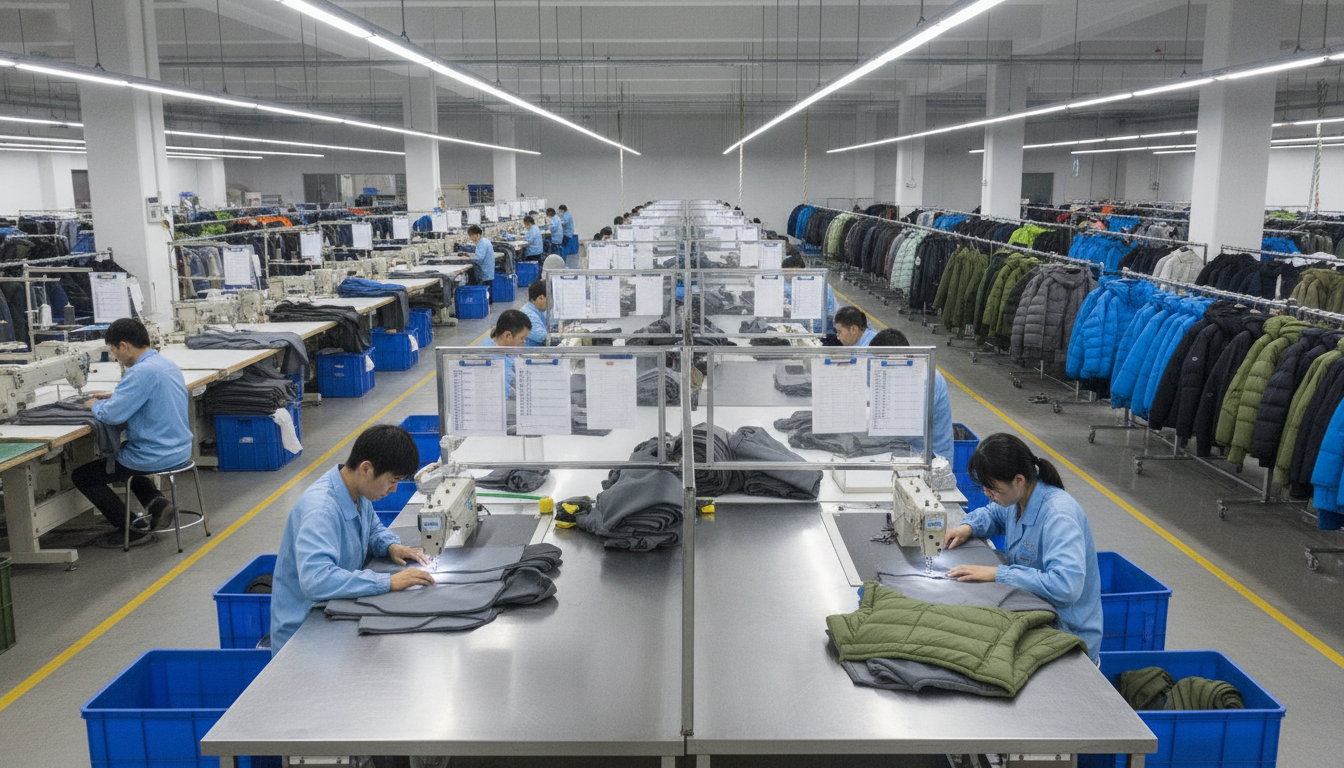
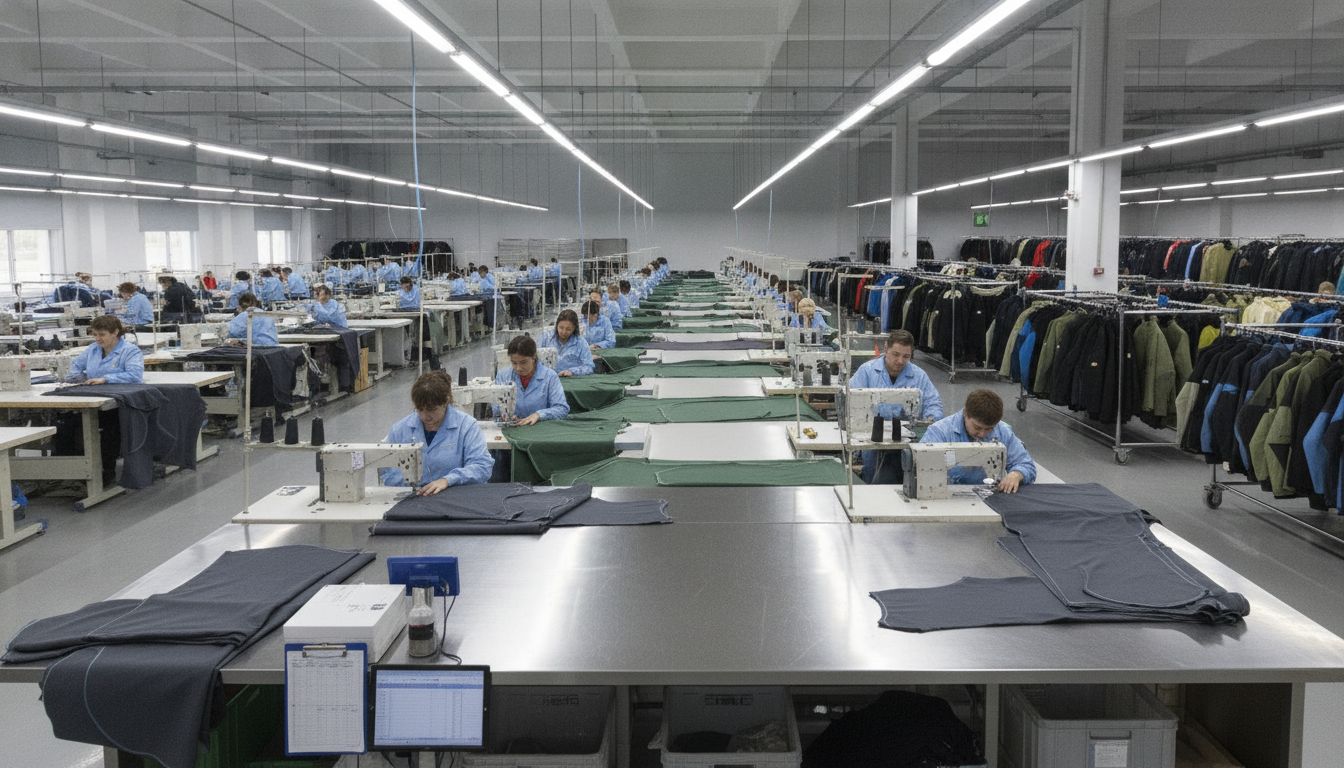
- Facility Ownership: Request photos of the production floor showing cutting tables, sewing lines, and finishing stations. Trading companies show generic stock images or refuse facility visits. Vertically integrated manufacturers provide timestamped photos with your company name visible on a whiteboard in the frame.
- Certifications Held: ISO 9001 confirms quality-management systems. BSCI (Business Social Compliance Initiative) or WRAP (Worldwide Responsible Accredited Production) verify labor and safety standards. OEKO-TEX Standard 100 tests finished garments for harmful substances. GRS (Global Recycled Standard) certifies recycled-content claims. Ask for certificate numbers and verify them directly with the issuing body.
- Sample Turnaround: Sample development speed indicates production control. Factories with in-house pattern-making and sample rooms deliver in 7-10 days. Trading companies that outsource sampling quote 15-20 days because they wait on subcontractors.
- Communication Clarity: Reliable manufacturers answer technical questions with specific numbers (fabric weight in g/m², waterproof rating in mm H₂O, seam-sealing method). Vague responses like “very waterproof” or “good quality” signal inexperience or lack of factory access.
Red Flags to Watch
Buyers report that some suppliers promise low minimums but add fees for sampling, embroidery setup, or fabric changes once the order is underway. Sample jackets may arrive with correct construction, but production runs show different fabric handfeel, color shade, or trim quality because the factory switched suppliers to cut costs. Outdoor buyers frequently encounter waterproof claims that do not specify membrane ratings, seam-sealing coverage, or test standards, making it impossible to validate performance. Uniform buyers struggle with size consistency across repeated orders, especially when mixing men’s, women’s, and youth runs, because factories lack graded pattern libraries. Many suppliers remain unclear about lead times after sample approval, causing launch delays for seasonal collections and team uniform rollouts.
What MOQ Should You Expect?
Minimum order quantities vary by service type, fabric complexity, and decoration requirements. Sample MOQs allow design validation before committing to bulk production. Bulk MOQs reflect fabric mill minimums, cutting efficiency, and factory scheduling constraints.
Sample MOQ
Most jacket manufacturers accept 1-piece sample orders for design validation and fit testing. Sample fees typically range from USD 80-150 per piece depending on fabric cost and construction complexity. Factories refund the sample fee against your first bulk order, usually when you place 100+ pieces total. Low-MOQ production starts at 30 pieces per SKU for technical fabrics with waterproof membranes or insulation, because fabric mills impose 50-100 meter minimums and cutting efficiency drops below 30 units.
Sample MOQ: 1 piece. Bulk MOQ: 30 pieces per SKU. Sampling time: 7-10 days.
Bulk Production MOQ
- Basic Windbreakers and Rain Shells: 30-50 pieces per color per style. Simple construction with minimal seam sealing and no insulation allows lower minimums because fabric waste is minimal and sewing time is short.
- Softshell and Fleece-Lined Jackets: 50-100 pieces per SKU. Bonded fabrics and stretch materials require specialized cutting and handling, increasing setup time and fabric waste.
- Hardshell and Insulated Jackets: 100-200 pieces per SKU. Waterproof-breathable membranes, fully taped seams, and down or synthetic insulation add labor hours and require fabric mill minimums of 100+ meters.
- Custom Team and Corporate Uniforms: 30-50 pieces total across all sizes. Uniform programs accept mixed size runs (S/M/L/XL/2XL) within a single PO, but total piece count must meet the factory’s minimum to justify setup.
Decoration Impact on MOQ
Embroidery, screen printing, and heat-transfer logos add setup charges and minimum quantities. Embroidery setups cost USD 50-100 per logo location and require 12-piece minimums per design to amortize digitizing fees. Screen printing imposes 50-piece minimums per color per location because screen preparation is labor-intensive. Heat-transfer vinyl has no setup fee but charges USD 3-8 per placement depending on size and complexity.
How Do You Verify Quality Before Ordering?
Quality verification starts with pre-production samples and continues through in-process inspections and final audits. Buyers who skip sample validation often receive production runs with different fabric weight, color shade, or construction details than expected.
Pre-Production Sample Approval
Request a pre-production sample in your exact fabric, colorway, and size before authorizing bulk production. This sample must match your approved tech pack in every detail: stitch type, seam allowances, zipper brand, snap placement, and label position. Photograph the sample from multiple angles and measure critical dimensions (chest width, sleeve length, hem circumference) to create a reference standard. Sign off on the sample in writing, specifying that bulk production must match the approved sample in all respects.
Fabric and Membrane Testing
- Waterproof Rating: Request hydrostatic head test results showing pressure resistance in mm H₂O. Entry-level rain shells rate 5,000-10,000 mm. Technical hardshells rate 15,000-20,000 mm. Expedition-grade shells exceed 25,000 mm. Testing follows ISO 811 or AATCC 127 methods.
- Breathability: MVTR (moisture vapor transmission rate) measures grams of water vapor passing through 1 m² of fabric in 24 hours. Basic shells rate 5,000-10,000 g/m²/24h. High-performance shells rate 15,000-25,000 g/m²/24h. Testing follows ASTM E96 or ISO 15496 methods.
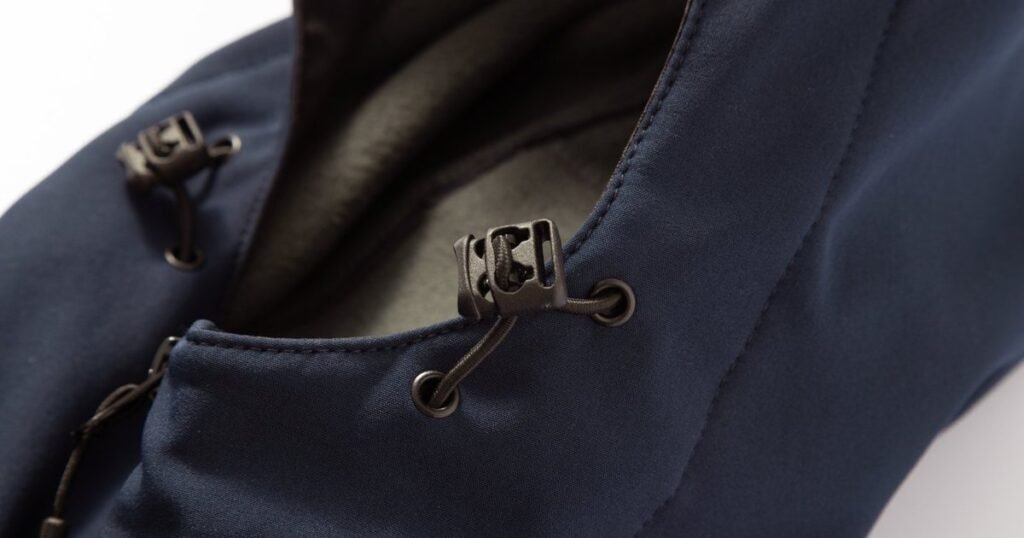
- Seam Sealing: Fully taped seams use heat-activated tape over every stitch line to prevent water intrusion. Critically taped seams cover only shoulder, hood, and pocket seams. Inspect seam tape width (should be 18-22 mm), adhesion quality, and coverage completeness on your pre-production sample.
- DWR Durability: Durable water repellent coatings cause water to bead and roll off fabric surface. PFC-free DWR formulations use fluorine-free chemistry and maintain performance through 20-30 wash cycles. Request wash-durability test data showing contact angle or spray rating after 20 home launderings.
During-Production and Final Inspection
Schedule an inspection when 30-50% of production is complete to catch issues before the full run ships. Inspect fabric shade against approved sample under daylight-equivalent lighting (D65 illuminant). Check stitch density (12-14 stitches per inch for technical outerwear), seam strength (pull test at 15-20 lbs force), and zipper function (50 open-close cycles). Final inspection before shipment verifies carton counts, size distribution, polybag sealing, and label accuracy.
What Are Typical Lead Times and Costs?
Lead times and costs depend on fabric sourcing, construction complexity, order quantity, and decoration requirements. Transparent manufacturers break down timelines by phase and itemize all charges upfront.
Lead Time Breakdown
Cost Structure
- Sample Fee: USD 80-150 per piece, refundable against bulk orders of 100+ pieces. Covers fabric, labor, and pattern development. Rush samples (3-5 days) add 30-50% surcharge.
- Unit Cost: Basic windbreakers start at USD 8-12 FOB for 200+ pieces. Softshell jackets range USD 15-25 FOB. Hardshell jackets with waterproof membranes cost USD 25-40 FOB. Insulated jackets with down or synthetic fill run USD 30-50 FOB. Costs decrease 10-15% at 500+ pieces and another 8-12% at 1,000+ pieces due to fabric bulk discounts and production efficiency.
- Decoration Charges: Embroidery setup USD 50-100 per logo, then USD 2-5 per placement depending on stitch count. Screen printing setup USD 60-120 per color, then USD 1.50-3 per print. Heat transfer no setup fee, USD 3-8 per placement.
- Hidden Charges to Clarify: Fabric color-matching fees (USD 100-200 per custom dye lot), size grading beyond standard S-2XL (USD 50-100 per additional size), polybag and carton customization (USD 0.15-0.30 per unit), inspection fees (USD 200-350 per day if you hire third-party QC).
Payment Terms
Standard terms are 30% deposit upon order confirmation, 70% balance before shipment. Factories may accept letter of credit (L/C) for orders above USD 20,000, but L/C fees add 1-2% to total cost. Established buyers with repeat orders negotiate net-30 or net-60 terms after demonstrating payment history over 3-6 orders.
Key Takeaways
- Jacket manufacturers offer OEM, private-label, and custom logo services across softshell, hardshell, rain, ski, insulated, windbreaker, 3-in-1, workwear, and varsity jacket categories.
- Sample MOQs start at 1 piece for design validation, while bulk production typically requires 30 pieces per SKU for technical fabrics and 100+ pieces for complex hardshell or insulated styles.
- Quality verification requires pre-production samples in your exact fabric and colorway, plus waterproof and breathability test data following ISO or ASTM standards.
- Lead times break down into 7-10 days for sampling, 10-15 days for bulk fabric sourcing, 25-35 days for production, and 20-35 days for sea freight to North America, Europe, or Australia.
- Hidden charges for embroidery setup, fabric color-matching, size grading, and polybag customization often surface after initial quotes, requiring detailed cost breakdowns before order confirmation.
- Reliable manufacturers provide timestamped facility photos, current certification PDFs, specific waterproof ratings in mm H₂O, and transparent communication on every cost and timeline component.
FAQ
Can I order custom jackets without holding inventory?
Some manufacturers offer dropshipping or print-on-demand fulfillment where they produce and ship individual units directly to your customers as orders arrive. This model works for basic windbreakers and softshells with simple decoration, but technical hardshells and insulated jackets with complex construction rarely qualify because per-unit costs become prohibitive below 10-piece batches. Expect unit prices 40-60% higher than bulk FOB rates, plus per-shipment handling fees of USD 3-5. Verify the factory’s warehouse location and shipping speed to your target markets before committing, because overseas fulfillment adds 10-20 days to delivery times compared to domestic inventory.
How do I protect my jacket design from being copied?
Sign a non-disclosure agreement (NDA) and a non-compete clause before sharing tech packs, patterns, or proprietary fabric specs. The NDA prohibits the factory from disclosing your design details to third parties, while the non-compete prevents them from producing your design for other buyers during and after your contract term. Register your design as a utility patent (if it includes functional innovation) or a design patent (if it has unique ornamental features) in your primary sales markets. Trademark your brand name and logo to prevent the factory from selling copycat versions under a similar brand. Conduct periodic online searches and marketplace audits to detect unauthorized copies, and enforce your IP rights through cease-and-desist letters or legal action when violations occur.
What certifications matter most for school uniform jackets?
OEKO-TEX Standard 100 certification confirms that finished jackets are free from harmful substances, which is critical for children’s apparel because kids have higher skin sensitivity and hand-to-mouth contact rates. CPSIA (Consumer Product Safety Improvement Act) compliance in the United States requires lead-content testing for metal components like zippers and snaps, plus tracking labels for traceability. EN 14682 in Europe sets safety requirements for cords and drawstrings on children’s clothing to prevent strangulation hazards, mandating breakaway fastenings and length limits. Flame-resistance certifications (NFPA 2112 or EN ISO 14116) apply only to specialized school programs like vocational-training workshops where students work near open flames or welding equipment, not general classroom uniforms.
Ready to source technical jackets with transparent MOQs, fast sampling, and verified quality?
Request Your Sample Quote →
Written by Ivan Chen, Sales Engineer at PTOUTWEAR – 13 years in outdoor apparel manufacturing.