The premium pet category is maturing fast, and a new buyer is emerging: the brand that wants dog outerwear engineered like human technical apparel — not a $4 reversible poncho with a cute print. If you are sourcing for that buyer, the partner you choose decides everything. Working with a technical dog outerwear OEM — a factory that already laminates membranes, tapes seams, and sources certified materials for human hardshells — is a structurally different process from buying off a pet-apparel marketplace. This guide walks the full private-label sourcing process: what OEM versus ODM actually means here, how far customization can go, why the tech transfer from human jackets matters, and the MOQ, sampling, and lead-time realities of launching a premium line.
Executive Summary
- OEM with a technical factory is a build-to-spec process, not a catalog-pick. You bring the design intent; the factory engineers the construction using its existing hardshell production line.
- The differentiation wedge is the equipment, not the prints. A factory running seam-taping and membrane lamination for human jackets can apply the identical process to a dog panel — a pet-only sweater shop cannot.
- Customization runs deep: fabric, brand colorways, hardware, woven/printed labeling, logo application, and retail-ready packaging are all in scope for a private-label program.
- MOQ is the make-or-break barrier. A low-MOQ technical setup can support from 30–50 pieces per SKU (depending on complexity) plus 1-piece sampling — a low-risk way to validate before scaling.
- A technical partner beats a pet-only shop on the specs retail buyers verify — taped seams, certified materials, and documented testing.
OEM vs ODM: What the Terms Mean for a Dog Line
The two models get used loosely, so pin them down before you brief any factory.
| Model | Who owns the design | Best for | Trade-off |
|---|---|---|---|
| OEM (Original Equipment Manufacturer) | You — your design, tech pack, and spec | Brands with a distinct point of view who want a product nobody else sells | You must supply (or co-develop) the design and size block |
| ODM (Original Design Manufacturer) | The factory — you adapt an existing base | Speed to market, lighter design lift, testing a category | Less differentiation; the base pattern may also serve competitors |
A true OEM dog program is built around your tech pack and a dedicated dog size block. ODM is the faster on-ramp: you start from a proven base garment and apply your fabric, colors, and branding. Many premium brands begin ODM to validate the category, then move to full OEM once a SKU proves out. A capable factory should be able to support either path — and tell you honestly which fits your stage.
The Tech Transfer: Why a Human-Jacket Factory Has the Edge
The reason a hardshell factory can credibly cross into dogs is that the hard part — the technical construction — is the same discipline, just at a different scale. The capabilities that define a premium human shell transfer almost directly:
- Sealed seams. A factory that runs a seam-taping line can apply fully or critically taped seams over a dog panel’s needle holes. Without taping, fabric waterproof ratings are meaningless — the single clearest tell of a real technical partner.
- Membrane and laminate construction. The 2L / 2.5L / 3L laminate logic used on human shells applies identically to a dog coat’s face fabric.
- Shell type selection. The same softshell vs hardshell trade-off — abrasion and stretch versus maximum weatherproofing — drives whether a winter dog coat or an everyday all-rounder is right for the use case.
- DWR chemistry. A factory already shifting to PFC-free DWR for apparel can carry that compliance straight into a pet line.
A pet-only factory built for knit sweaters and PU ponchos has none of this hardware. You should confirm a candidate factory genuinely runs these lines for its own human production rather than outsourcing them — that is what makes the tech transfer real. For the deeper fit-and-waterproofing breakdown, see our pillar guide on choosing a waterproof dog jacket manufacturer.
Customization Scope: How Far Private Label Can Go
“Private label” should mean more than a logo sticker. With a technical OEM partner, the customization scope on a premium dog line typically spans:
- Fabric & membrane: face fabric weight, membrane/coating spec, hydrostatic target, lining choice.
- Brand colorways: dyed-to-match face fabric and trims rather than stock colors only.
- Hardware: custom zipper pulls, buckles, adjustable straps, reflective trims, leash/harness ports.
- Labeling: woven or printed neck labels, care/content labels, hang tags to your artwork.
- Logo application: embroidery, heat-transfer, or screen print, placed per your spec.
- Packaging: retail-ready polybags, branded boxes, barcode/SKU labeling for direct shelf or fulfilment.
The point of OEM is that these are your decisions, not a menu the factory picks from. When you brief, list which of these you want controlled — the more you specify, the more genuinely differentiated (and defensible) the finished product.
MOQ, Sampling, and Lead Times
Minimum order quantity is the single biggest barrier for emerging premium pet brands. Marketplace pet suppliers commonly demand 300–500 pieces per SKU because their economics are built for volume basics. A factory configured for low-MOQ technical production can usually structure a launch far more conservatively:
| Stage | Typical with a technical low-MOQ factory | Typical pet marketplace |
|---|---|---|
| Development sample | 1 piece, ~7–10 days | Often not offered |
| Bulk MOQ | from 30–50 pcs / SKU / colorway, depending on complexity | 300–500 pcs |
| Bulk lead time | ~25–35 days, fabric-dependent | varies |
| Customization | full (fabric, color, hardware, labeling, packaging) | limited |
You should always confirm these figures against your specific construction — a fully-taped 3L coat carries a different MOQ and lead time than a softshell. The strategic value of low MOQ is validation: prove a premium SKU sells at low risk before committing capital to scale.
Why a Technical Partner Beats a Pet-Only Shop
It comes down to which claims a serious retail buyer can verify. Premium pet retailers increasingly hold pet products to apparel-grade standards — and a pet-only factory’s supply chain was never built to meet them. A crossover technical factory should be able to support:
- OEKO-TEX / bluesign-class material certification — chemical safety, which matters because dogs lick and chew garments. (Confirm exactly which certifications a factory can document for your chosen materials — do not assume.)
- Recycled-content standards (GRS/RCS) for sustainability positioning.
- RDS if down insulation is used.
- Documented testing — hydrostatic and seam-adhesion reports you can cite in your own marketing.
These relationships already exist for the human line, so the cost of carrying them into a pet program is low. That is the core of the wedge: a technical factory sells you the specs your retail buyer checks, while a pet-only shop sells you a print.
Recommended Next Step
The lowest-risk way to launch a premium dog outerwear line is a 1-piece development sample against your tech pack — your chosen membrane, real taped seams, your colorway and branding — before committing to bulk. Send your design or a reference garment with target specs, and ask for a sample quote that spells out seam-sealing, certification options, and MOQ for your exact construction.
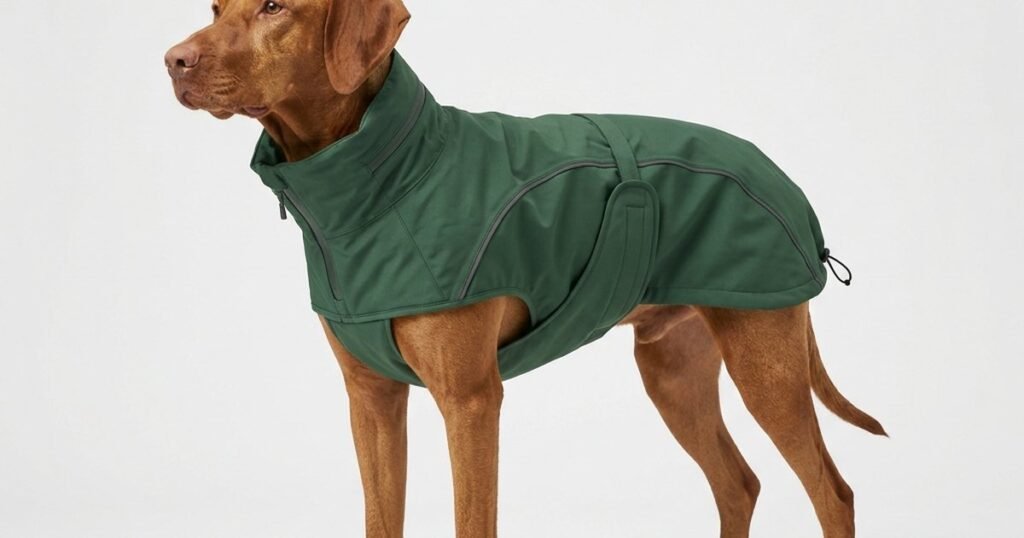
See our premium technical dog jacket for reference, or get a sample quote →.
FAQ
What is the difference between OEM and ODM for dog outerwear?
OEM means you own the design and the factory builds to your tech pack and size block — maximum differentiation. ODM means you adapt an existing factory base with your fabric, colors, and branding — faster but less unique. Many brands start ODM to validate, then move to OEM.
Can a human-jacket factory really make premium dog outerwear?
Yes — the hard parts (seam taping, membrane lamination, DWR, certified materials) are the same discipline at a different scale. A technical factory can transfer those capabilities directly; you should confirm it runs those production lines in-house rather than outsourcing them.
What is the minimum order for a private-label dog jacket?
A factory set up for technical low-MOQ work can support 1-piece samples and bulk runs from around 30–50 pieces per SKU, depending on complexity — versus 300–500 on most pet marketplaces. This lets a brand validate a premium SKU at low risk before scaling.
What can be customized on a private-label dog coat?
Fabric and membrane spec, brand colorways, hardware (zippers, buckles, leash ports), woven/printed labels and hang tags, logo application (embroidery, heat-transfer, print), and retail-ready packaging.
Do you need certifications to sell premium pet outerwear?
Increasingly, yes. Western retailers often expect OEKO-TEX-class chemical safety (dogs chew and lick garments), and RDS for down. Confirm with any factory which certifications it can actually document for your specific materials.