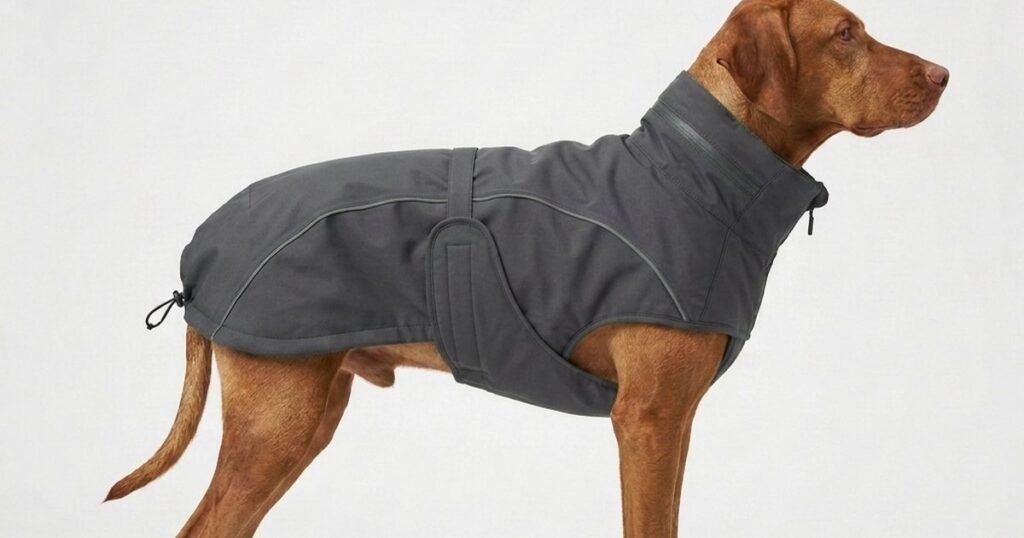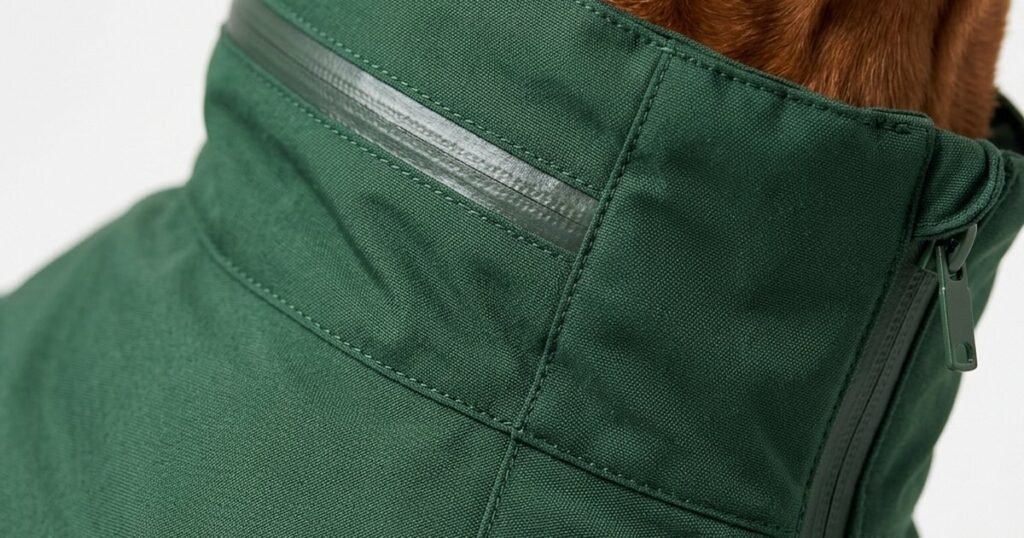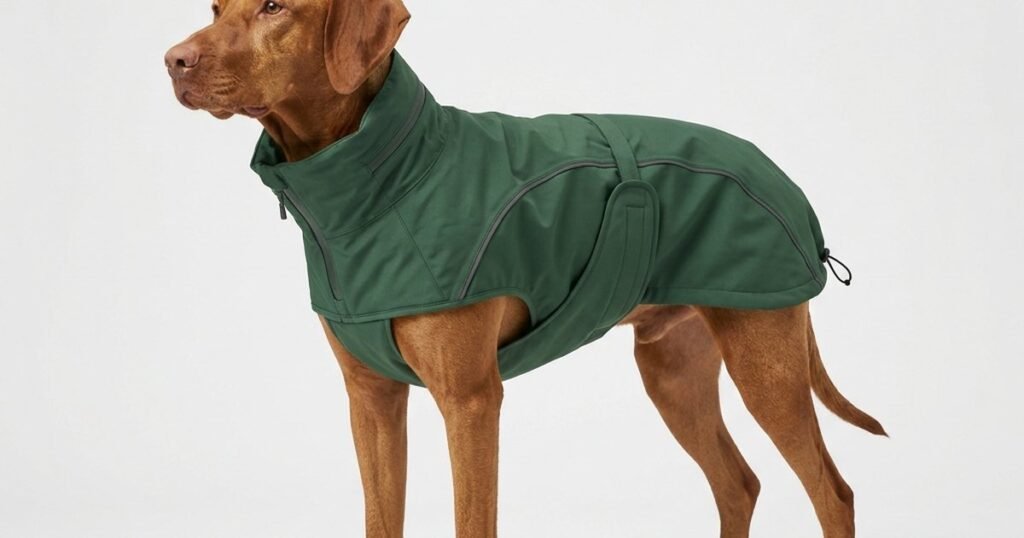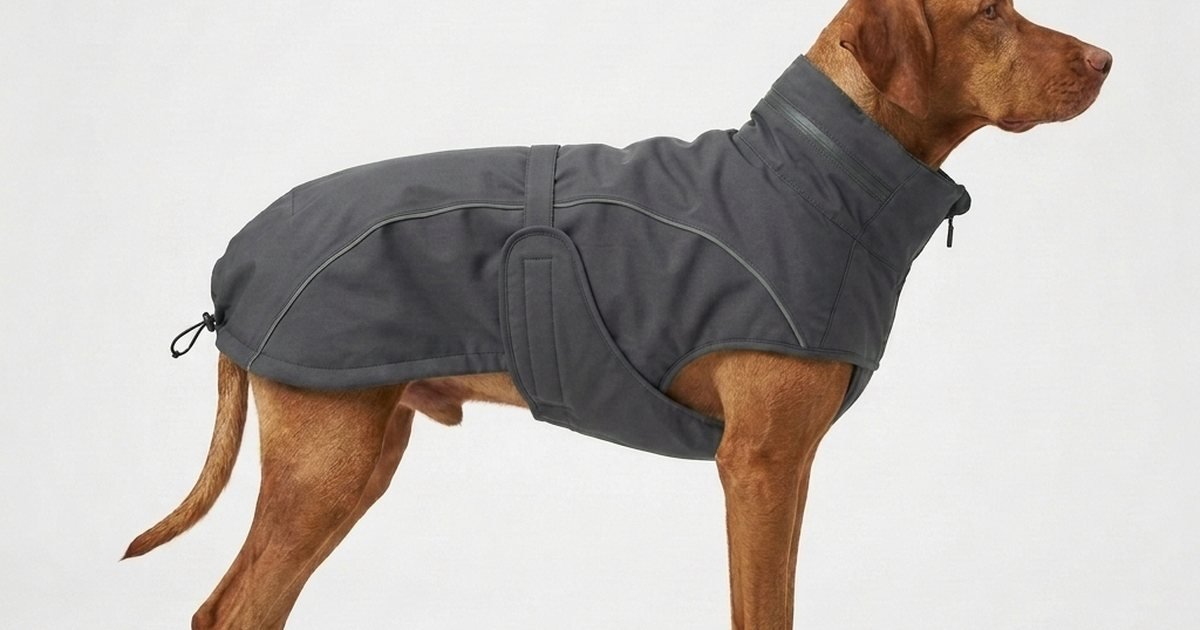
The hardest part of launching a premium pet outerwear brand is not the design — it’s the order math. The moment you ask a factory for a real technical dog jacket, most quote a 300–500 piece minimum per SKU, per colorway. For an emerging brand that hasn’t validated demand yet, that’s tens of thousands of dollars locked into unproven inventory. Low MOQ pet outerwear sourcing solves this: it lets a new premium brand produce a genuinely technical dog jacket — taped seams, real laminate, certified materials — in batches small enough to test the market before scaling. The critical thing to understand up front: low MOQ does not mean low quality. The two are unrelated. A factory built for low-volume technical runs uses the same construction line as its bulk production; what changes is the order quantity, not the craftsmanship. This guide covers why high MOQ kills new brands, the sample-first workflow, the real cost trade-offs at low volume, and the path from 30 pieces to 300+.
Executive Summary
- High MOQ is the #1 killer of new premium pet brands — a 500-piece minimum forces a five-figure inventory bet before you have a single sale or a validated fit.
- Low MOQ is a validation tool, not a downgrade. A technical factory can run from 30–50 pieces per SKU, depending on fabric and construction complexity — on the same line that builds its bulk hardshells.
- Sample first, then commit. A 1-piece development sample de-risks fit, fabric, and seam sealing before any bulk money moves.
- Low volume costs more per unit — and that’s fine at launch. You pay a small premium per piece to avoid a large premium on dead inventory. The math favors small batches until demand is proven.
- There is a clean scaling path from a 30-piece test run to 300+ pieces as your data justifies it — same factory, same specs, falling unit cost.
Why High MOQ Kills New Pet Brands
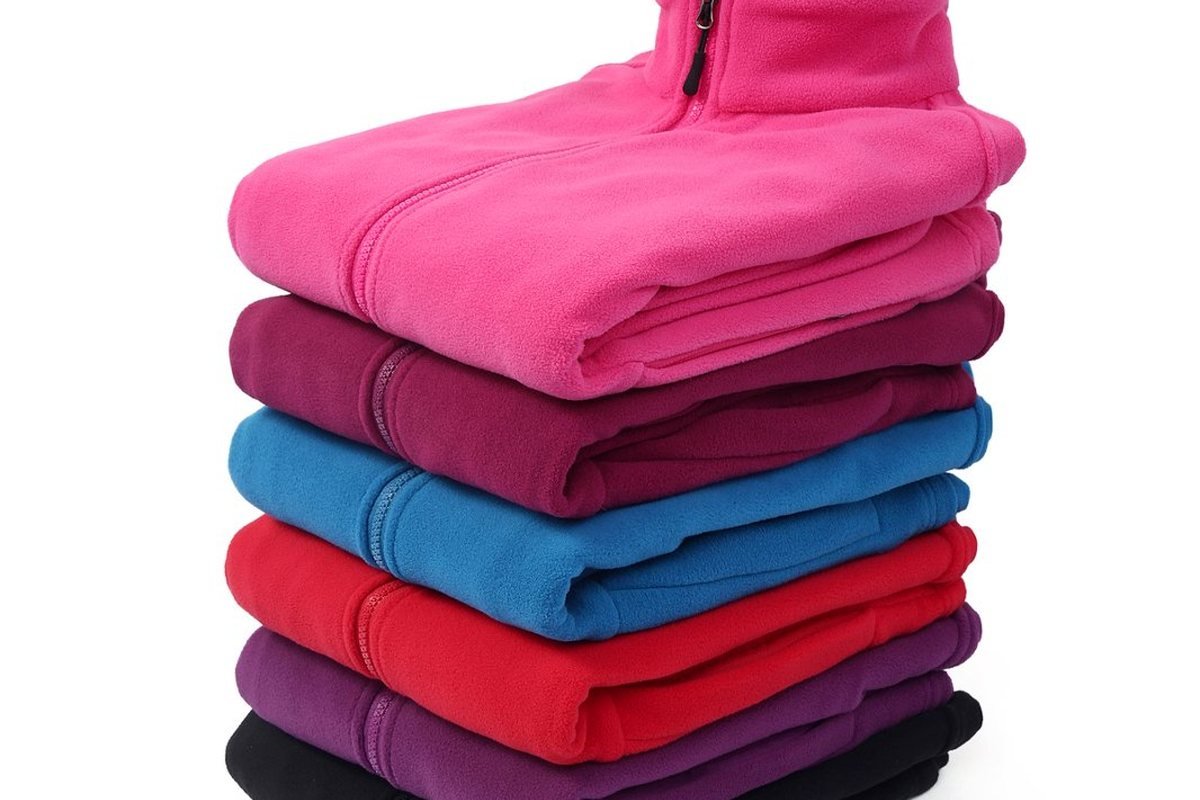
Marketplace pet suppliers quote 300–500 piece minimums because their factories are built for volume basics — fleece sweaters, PVC raincoats — where margins come from running thousands of identical units. That model is fundamentally hostile to a new brand. Consider what a 500-piece minimum actually demands of a startup:
- Capital lock-up: 500 units × 3–4 sizes × 2 colorways is easily 1,500–4,000 pieces and a five-figure outlay before launch.
- Unvalidated fit: You haven’t yet confirmed your size block works on real dogs. A high-MOQ order bakes any fit error into thousands of units.
- No room to iterate: Premium brands win on details. With all your capital in one frozen order, you can’t revise a closure, a strap, or a colorway after early feedback.
The result is predictable: emerging brands either overcommit and drown in the wrong inventory, or they compromise down to a cheap mass supplier and lose the premium positioning that justified the brand in the first place. Low MOQ breaks that trap — it lets you behave like an established brand (test, learn, refine) on a startup balance sheet.
The Sample-First Workflow
Before any bulk order, a serious premium program runs a sample-first sequence. This is the single most important discipline for a new brand, because it isolates risk one variable at a time.
- Concept + reference — share a sketch, a tech pack, or a reference garment you want to improve on.
- 1-piece development sample — the factory builds a single unit against your spec, with your chosen membrane, real taped seams, and your size block. Typical turnaround is 7–10 days.
- Fit + performance review — test on actual dogs in the target size. Check ride, gapping, limb articulation, and waterproofing.
- Revise and re-sample if needed — closures, straps, panel shapes. Iterate cheaply at 1-piece cost, not at 500-piece cost.
- Approved sample → small bulk run — only once the sample is signed off do you commit to a low-MOQ production batch.
This workflow converts the biggest unknowns — fit and real-world waterproofing — into a low-cost, fast-feedback loop. By the time you spend bulk money, the product is proven. (The same sample-first logic underpins our broader low-MOQ hardshell sourcing guide.)
Marketplace High-MOQ vs Technical Low-MOQ Partner
| Factor | B2B marketplace supplier | Technical low-MOQ partner |
|---|---|---|
| Bulk MOQ per SKU | 300–500 pieces | From 30–50 pieces (by complexity) |
| Sampling | Often 50–100 piece “trial” | 1-piece development sample |
| Seam sealing | Usually none (unsealed) | Fully or critically taped seams |
| Membrane / laminate | PU coating only | Real 2L/2.5L/3L laminate options |
| Certified materials | Rarely available | OEKO-TEX / RDS-class supply chain |
| Iteration before bulk | Effectively none | Revise at sample stage |
| Fit | Generic scaled patterns | Dog-specific size block |
| Best for | High-volume basics | Emerging premium validation |
The point of the table is not that one is “cheap” and one is “good.” It’s that a technical low-MOQ partner gives a small brand access to genuine performance construction at a quantity it can actually afford to test.
Cost Trade-Offs at Low Volume (and How to Keep Quality)
Honesty matters here: a 30–50 piece run will cost more per unit than a 500-piece run. Setup, cutting, and seam-taping line changeovers are amortized across fewer pieces. Expect a meaningful per-unit premium at the smallest tiers.
That premium is the correct trade. You are paying a small amount more per piece to avoid a large amount of capital frozen in unvalidated inventory. For a brand that hasn’t proven demand, the cheapest unit cost in the world is worthless if the units don’t sell or fit wrong.
Crucially, the cost difference is in economics, not construction. Quality is held constant by keeping the spec identical to bulk:
- Same taped-seam process and tape spec.
- Same membrane and DWR finish.
- Same certified materials and QC checks.
Where you can manage cost at low volume: limit colorways and sizes in the first run, choose a stock technical fabric over a custom dye lot, and standardize hardware. None of these compromise the technical performance buyers are paying premium prices for — see our waterproof dog jacket manufacturer guide for what actually drives that performance.
The Scaling Path: From 30 to 300+
Low MOQ is the on-ramp, not the destination. A sensible scaling path looks like this:
- Stage 1 — Validate (30–50 pcs/SKU): one or two hero SKUs, limited sizes/colorways. Prove fit, demand, and sell-through.
- Stage 2 — Establish (80–150 pcs/SKU): expand size run and add colorways on proven SKUs. Unit cost begins to fall as quantities rise.
- Stage 3 — Scale (300+ pcs/SKU): full size runs, multiple colorways, possibly custom fabric dye lots. Unit cost approaches efficient bulk pricing.
Because it’s the same factory and the same specs throughout, scaling is continuous — there’s no re-sourcing, re-sampling, or quality reset between stages. Your data pulls the volume up; the product never changes underneath you.
What to Prepare Before You Source
The smoother your brief, the faster and cheaper your sample. Bring:
- A tech pack (or a reference garment). Even a sketch plus a competitor garment to benchmark works for a first sample.
- Your dog size block — sizing keyed to back length + chest girth + neck girth, not chest alone. If you don’t have one, a technical factory can develop it with you.
- Target specs: waterproofing level (and taping approach), insulation type, closures, harness/leash compatibility.
- Compliance needs: OEKO-TEX-class material safety (relevant because dogs lick and chew garments), RDS if using down.
- Quantity plan: your Stage 1 test quantity and a realistic Stage 2/3 outlook so the factory can advise on fabric sourcing.
Recommended Next Step
The fastest, lowest-risk way to start a premium pet line is a 1-piece development sample against your spec — real taped seams, your membrane, your size block — before committing to even a small bulk run. Send your design (or a reference garment) and target specs, and request a sample quote with MOQ tiers, lead times, and certification options laid out.
See our premium technical dog jacket for reference, or get a sample quote →.
FAQ
What is the lowest MOQ for a custom technical dog jacket?
A factory set up for low-volume technical production can typically run from 30–50 pieces per SKU, depending on fabric and construction complexity, plus 1-piece development samples — versus the 300–500 piece minimums common on B2B marketplaces.
Does low MOQ mean lower quality?
No. Low MOQ is an order-quantity choice, not a construction choice. A technical low-MOQ run uses the same seam-sealing line, membrane, and certified materials as bulk production — only the quantity is smaller.
Why does a small batch cost more per unit?
Setup, cutting, and line-changeover costs are spread across fewer pieces. The per-unit premium is the trade-off for not freezing capital in unvalidated inventory — usually the right call for a new brand validating demand.
How does the sample-first process work?
You share a tech pack or reference garment, the factory builds a single development sample (typically 7–10 days), you test fit and performance on real dogs, revise if needed, and only then commit to a low-MOQ bulk run. Risk is resolved at 1-piece cost.
Can I scale up later without re-sourcing?
Yes. The same factory runs your 30-piece validation batch and your 300+ piece scale order on the same specs, so unit cost falls as volume grows with no quality reset or re-sampling between stages.