📋 Table of Contents
Softshell fabric explained: buyers sourcing outdoor apparel often face confusion between softshell, hardshell, and fleece materials. Understanding the bonded construction, breathability metrics, and performance trade-offs determines whether your product line needs wind-resistant stretch fabric or fully waterproof membranes. This guide breaks down the technical architecture, testing standards, and real-world applications for OEM jacket manufacturing decisions.
Executive Summary
- Construction: Softshell fabric typically combines a polyester or nylon outer face bonded to a fleece or microfleece backing, with optional middle membrane layers for wind resistance.
- Breathability: MVTR (moisture vapor transmission rate) for quality softshells ranges from 10,000 to 25,000 g/m²/24hr, significantly higher than most hardshell laminates.
- Water resistance: Softshell fabrics achieve hydrostatic head ratings between 5,000 and 10,000 mm, sufficient for light rain and snow but not prolonged downpours.
- Stretch performance: Mechanical stretch (woven with spandex or elastane) provides 15-30% elongation, critical for climbing, cycling, and active movement.
- Market positioning: Softshell occupies the mid-layer to outer-layer space, bridging the gap between fleece insulation and hardshell rain protection.
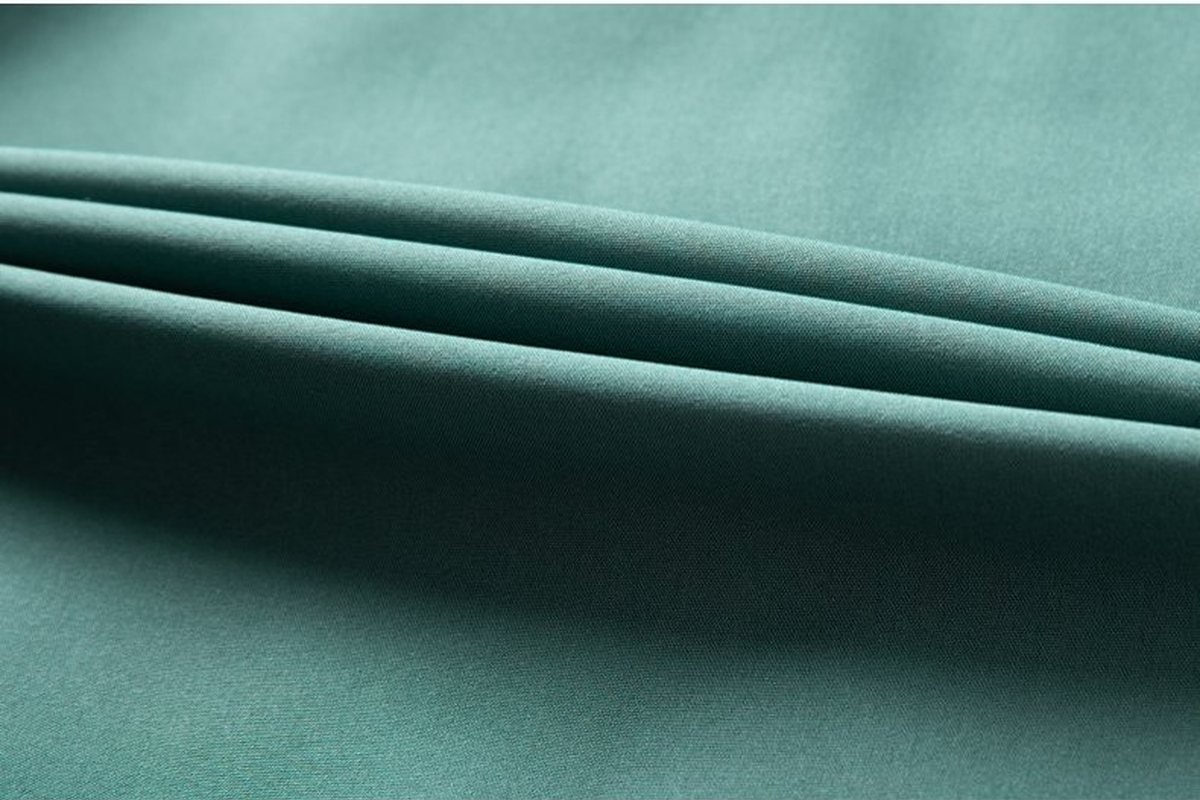
What Is Softshell Fabric?
Softshell fabric is a bonded textile system that combines wind resistance, breathability, and mechanical stretch in a single garment layer. The term originated in the mountaineering community during the 1990s to describe jackets that performed better than fleece in windy conditions but remained more breathable and flexible than waterproof hardshells.
Core Design Philosophy
The softshell concept addresses a specific performance gap. Fleece mid-layers provide insulation but offer zero wind protection. Hardshell rain jackets block wind and water but trap perspiration during high-output activities. Softshell fabric delivers wind resistance and water repellency while maintaining vapor transmission rates high enough to prevent interior condensation during aerobic movement.
Material Categories
Two primary softshell categories exist in the manufacturing supply chain:
- Woven softshells: Polyester or nylon face fabric woven with 2-10% spandex for mechanical stretch, bonded to fleece backing. Common in alpine climbing and ski touring jackets.
- Knit softshells: Jersey-knit outer layer bonded to fleece or microfleece. Higher stretch (20-30% elongation) but lower abrasion resistance. Popular for trail running and cycling shells.
Multi-Layer Construction
Understanding the bonded layer architecture helps buyers specify fabric performance and evaluate factory capabilities.
Two-Layer Bonded Systems
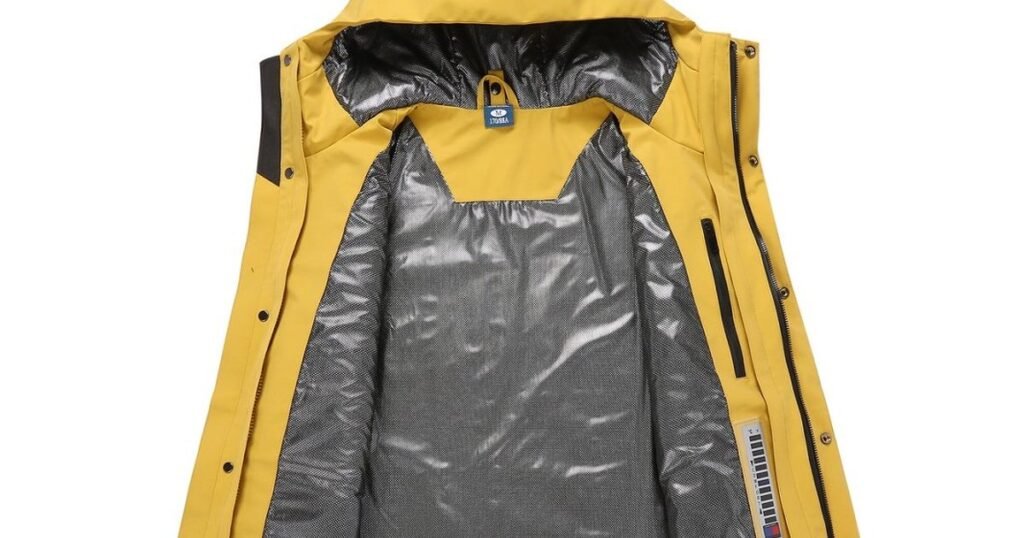
The most common softshell construction bonds a technical face fabric directly to a fleece backing. The face fabric handles wind resistance and DWR (durable water repellent) treatment. The fleece layer provides warmth and wicks moisture away from the body. This construction delivers good breathability (15,000-20,000 g/m²/24hr MVTR) and moderate water resistance (5,000-8,000 mm hydrostatic head).
In our 12+ years manufacturing outdoor jackets in Taizhou and Yiwu, two-layer softshells represent roughly 60% of softshell orders. Brands choose this construction for cost efficiency and reliable performance in dry-cold or light-precipitation environments.
Three-Layer Bonded Systems
Premium softshells add a microporous membrane between the face fabric and fleece backing. The membrane blocks wind completely while allowing water vapor to escape. Three-layer softshells achieve higher water resistance (8,000-10,000 mm) and better wind protection (zero CFM air permeability) but sacrifice some breathability compared to two-layer systems.
Face Fabric Specifications
The outer layer determines abrasion resistance and DWR durability:
- Denier range: 40D to 90D nylon or polyester. Lower denier (40-50D) reduces weight; higher denier (70-90D) improves durability for rock contact and pack abrasion.
- Weave density: 210T to 290T thread count. Higher thread count improves wind resistance but reduces breathability.
- DWR treatment: PFC-free C0 chemistry now standard for OEKO-TEX compliance. Initial water-repellency rating typically 80+ (AATCC 22 spray test).
Performance Characteristics
Quantifying softshell performance requires understanding four independent metrics.
Breathability (MVTR)
Moisture vapor transmission rate measures how many grams of water vapor pass through one square meter of fabric in 24 hours. Quality softshells achieve 10,000-25,000 g/m²/24hr. Higher MVTR values reduce interior condensation during aerobic activity. Two-layer softshells without membranes typically score 18,000-25,000 g/m²/24hr. Three-layer membrane softshells score 10,000-15,000 g/m²/24hr.
Breathability testing follows ASTM E96 (upright cup method) or JIS L-1099 (inverted cup method). Buyers should specify which test standard the factory uses, as results vary between protocols.
Water Resistance (Hydrostatic Head)
Hydrostatic head testing measures how many millimeters of water column the fabric can withstand before leaking. Softshells typically rate between 5,000 mm and 10,000 mm. For context, 5,000 mm handles light rain for 30-45 minutes. 10,000 mm manages moderate rain for 60-90 minutes. Hardshells rate 15,000-28,000 mm for comparison.
Testing follows ISO 811 or AATCC 127. The fabric sample sits in a fixture while a water column slowly increases pressure until three points of leakage appear. Softshell fabrics intentionally sacrifice waterproofness to maintain breathability.
Wind Resistance (Air Permeability)
Air permeability testing (ASTM D737) measures cubic feet per minute (CFM) of airflow through the fabric at a standardized pressure differential. Quality softshells achieve 0.5-5.0 CFM. Lower numbers indicate better wind blocking. Three-layer membrane softshells often reach 0 CFM (complete wind block). Two-layer softshells without membranes score 2-5 CFM, sufficient to eliminate wind chill but not completely windproof.
Stretch and Recovery
Mechanical stretch comes from spandex or elastane content woven into the face fabric. Quality softshells provide 15-30% elongation in both warp and weft directions. Stretch percentage alone does not tell the full story. Recovery rate matters equally. After stretching, the fabric should return to within 5% of original dimensions within 60 seconds. Poor recovery causes bagging at elbows and knees after repeated use.
Testing follows ASTM D2594 (stretch) and ASTM D3107 (recovery). Buyers sourcing softshells for climbing or technical applications should request both metrics.
Softshell vs Hardshell Fabric
The softshell versus hardshell decision depends on activity type, precipitation exposure, and aerobic output.
When Softshell Outperforms Hardshell
Softshell fabric excels in three scenarios. First, high-aerobic-output activities in dry or light-precipitation conditions. Ski touring, trail running, and cycling generate enough body heat that hardshell jackets cause interior condensation even with pit zips open. Softshell breathability prevents the clammy wet-out issue common with hardshells during sustained effort.
Second, environments where mechanical stretch improves safety and comfort. Rock climbing, mountaineering, and technical scrambling require full range of motion. Softshell’s 20-30% stretch allows reaching, twisting, and high-stepping without fabric restriction. Hardshells with minimal stretch limit movement and increase fatigue.
Third, cold-dry climates where wind chill is the primary threat. Alpine environments above treeline, high-desert hiking, and winter trail running benefit from softshell’s wind blocking without the waterproof penalty of reduced breathability.
When Hardshell Is Mandatory
Hardshell fabric becomes necessary when precipitation exposure exceeds softshell water resistance. Multi-hour rain, wet snow, or any condition requiring prolonged waterproof protection demands hardshell construction. Softshells will eventually wet out, losing insulation value and wind resistance.
Buyers developing product lines for wet climates (Pacific Northwest, UK, Northern Europe) should prioritize private-label hardshell jackets over softshell styles. Softshells work as mid-layers under hardshells in these markets but rarely function as outer layers.
Ideal Use Cases
Softshell fabric serves distinct applications in outdoor and technical apparel.
Alpine Climbing and Mountaineering
Softshell jackets function as primary outer layers for alpine climbing in dry conditions. The combination of wind resistance, breathability, and stretch supports technical movement. Climbers typically pair softshells with insulated mid-layers for cold temperatures and carry a lightweight hardshell for emergency precipitation.
Fabric specifications for alpine softshells: 70-90D face fabric for abrasion resistance against rock, 3-layer construction with membrane for complete wind block, articulated elbows and shoulders, and helmet-compatible hoods.
Ski Touring and Backcountry Skiing
Ski touring generates high heat output during ascents. Softshell jackets prevent overheating while blocking wind on ridgelines and summits. The stretch fabric accommodates the repetitive kick-and-glide motion without binding.
Buyers developing ski-touring softshells should specify: pit zips for additional ventilation, powder skirts to interface with ski pants, and wrist gaiters with thumb loops to seal gaps between gloves and sleeves.
Trail Running and Fast Hiking
Lightweight softshells (200-280 gsm total fabric weight) serve as wind layers for trail running in cold weather. The high breathability prevents sweat accumulation during sustained aerobic effort. Runners typically choose softshells over hardshells for any condition except heavy rain.
Cycling Commuter and Training Apparel
Cycling generates consistent forward wind pressure. Softshell jackets block wind chill while allowing perspiration vapor to escape. The stretch fabric accommodates the forward-leaning riding position without pulling or binding.
Cycling-specific softshells benefit from: extended rear hem to cover lower back in riding position, reflective trim for visibility, and chest pockets positioned to avoid interference with backpack straps.
Corporate and Team Uniform Programs
Softshell jackets have become popular for corporate uniform programs and team apparel. The professional appearance, comfort, and weather versatility make softshells suitable for outdoor work environments, trade shows, and team events.
Buyers sourcing softshells for uniform programs should evaluate: ease of logo embroidery or heat-transfer application, color-fastness for consistent appearance across large orders, and durability for frequent washing. Our custom logo service handles embroidery, screen printing, and woven label application on softshell fabrics.
Quality Control Standards
Verifying softshell fabric quality requires testing at three stages: raw fabric inspection, pre-production sampling, and in-line production checks.
Raw Fabric Testing
Before cutting, factories should test incoming softshell fabric rolls for:
- MVTR verification: Random samples tested per ASTM E96 to confirm breathability meets specification (typically ±10% tolerance).
- Hydrostatic head: Testing per ISO 811 to verify water resistance matches mill certificate.
- DWR performance: AATCC 22 spray test to confirm initial water repellency rating (should score 80+ for new fabric).
- Colorfastness: AATCC 61 wash testing and AATCC 16 light-fastness testing to prevent fading and color bleeding.
Buyers working with low-MOQ jacket manufacturers should ask which tests the factory performs in-house versus sending to external labs. In-house testing speeds up the approval process but external SGS or Intertek testing provides independent verification.
Pre-Production Sample Validation
Sample jackets allow buyers to validate fabric performance and construction quality before committing to production. Key checkpoints include:
- Seam construction: Softshell seams should use flatlock or overlocked stitching to reduce bulk. Seam allowances should lie flat without puckering.
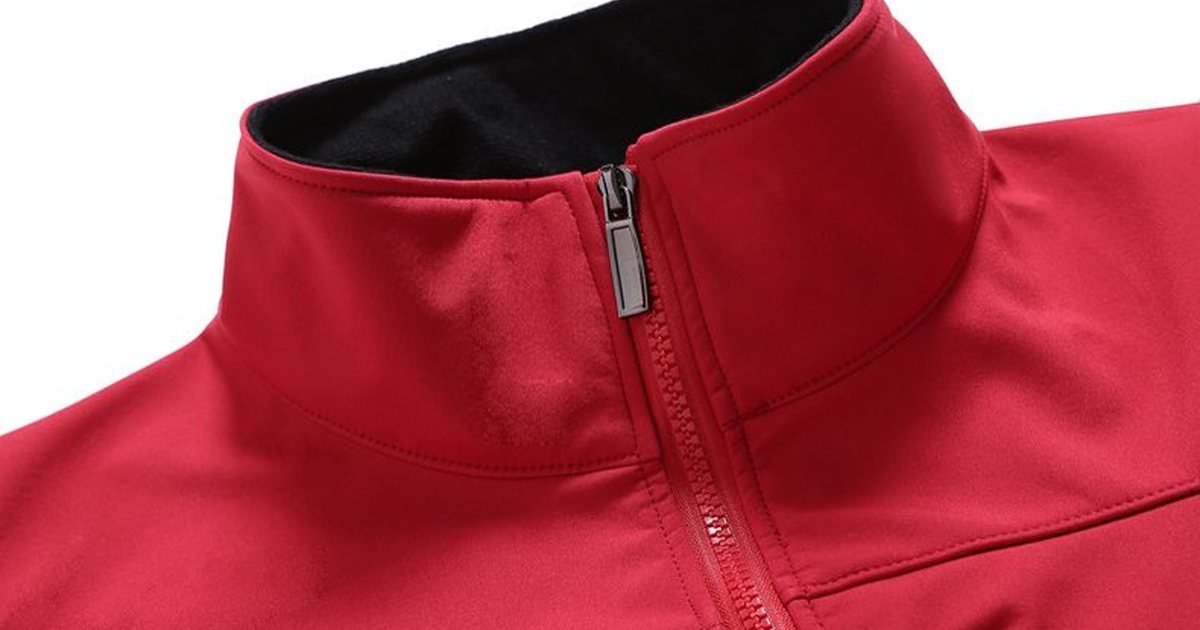
- Zipper function: Front zippers should operate smoothly under tension (fabric stretched). YKK or SBS zippers rated for outerwear use.
- DWR uniformity: Water should bead evenly across all panels. Inconsistent beading indicates poor DWR application or contaminated fabric.
- Stretch recovery: After stretching elbow and shoulder areas 20-30%, fabric should return to original dimensions within 60 seconds.
Production Quality Checks
During bulk production, quality control should include:
- First-piece inspection: The first completed jacket from each style and size run gets full measurement and construction verification before the line continues.
- In-line checks: Random inspection of 5-10% of garments during production to catch issues before they compound.
- Final audit: AQL 2.5 inspection (2.5% defect tolerance) before packing and shipping.
Our 3,000 m² Taizhou Sanmen facility runs in-house QC at all three stages. Buyers can also hire third-party inspection services (SGS, Intertek, Bureau Veritas) for independent verification before shipment.
Key Takeaways
- Softshell fabric combines a technical outer face (polyester or nylon with 2-10% spandex) bonded to a fleece backing, with optional wind-blocking membranes in 3-layer constructions.
- Quality softshells achieve breathability ratings between 15,000 and 25,000 g/m²/24hr MVTR, significantly higher than most hardshell laminates which score 8,000-15,000 g/m²/24hr.
- Water resistance for softshells ranges from 5,000 to 10,000 mm hydrostatic head, sufficient for light rain and snow but not prolonged downpours that require hardshell protection above 15,000 mm.
- Mechanical stretch in softshell fabrics provides 15-30% elongation in both directions, critical for climbing, cycling, and active movement where hardshells with 0-10% stretch restrict motion.
- Testing standards for softshell verification include ASTM E96 for breathability, ISO 811 for water resistance, ASTM D737 for air permeability, and AATCC 22 for DWR spray rating.
- Sample MOQ of 1 piece allows brands to validate softshell fabric performance and construction quality before committing to bulk production minimums of 30 pieces per SKU.
FAQ
What is the difference between softshell and hardshell fabric?
Softshell fabric prioritizes breathability (15,000-25,000 g/m²/24hr MVTR) and stretch (15-30% elongation) over waterproofness, achieving 5,000-10,000 mm water resistance. Hardshell fabric uses waterproof membranes for 15,000-28,000 mm protection but offers lower breathability (8,000-15,000 g/m²/24hr) and minimal stretch. Softshells excel in dry-cold, high-output activities while hardshells handle prolonged rain and snow exposure.
Is softshell waterproof or water-resistant?
Softshell fabric is water-resistant, not waterproof. Quality softshells achieve 5,000-10,000 mm hydrostatic head ratings, sufficient for light rain and snow for 30-90 minutes depending on intensity. DWR (durable water repellent) treatment on the face fabric causes water to bead and roll off initially. Prolonged exposure or heavy rain will eventually saturate the fabric, unlike hardshells with sealed waterproof membranes rated 15,000-28,000 mm.
What is softshell fabric made of?
Softshell fabric consists of a technical outer layer (polyester or nylon woven with 2-10% spandex for stretch) bonded to a fleece or microfleece backing. Two-layer softshells bond face fabric directly to fleece. Three-layer softshells add a microporous membrane between layers for enhanced wind and water resistance. Face fabrics range from 40D to 90D, with higher denier providing better abrasion resistance for technical use.
When should you wear a softshell jacket?
Wear a softshell jacket during high-output activities in dry-cold or light-precipitation conditions where breathability and stretch matter more than waterproofness. Ideal applications include alpine climbing, ski touring, trail running, cycling, and fast hiking. Softshells work best when temperatures range from freezing to 50°F and precipitation is limited to light rain, snow flurries, or dry conditions with significant wind chill.
Is softshell better than fleece for winter?
Softshell performs better than fleece as an outer layer in windy winter conditions. Fleece provides insulation but offers zero wind resistance, losing thermal efficiency in even moderate wind. Softshell blocks wind (0.5-5.0 CFM air permeability) while maintaining breathability and adding water repellency. For layering systems, fleece works as a mid-layer under softshell or hardshell outer layers, combining insulation with wind and weather protection.
Ready to validate softshell fabric options for your product line?
Request 1-piece samples and fabric specs →
Written by Ivan Chen, Sales Engineer at PTOUTWEAR – 13 years in outdoor apparel manufacturing.