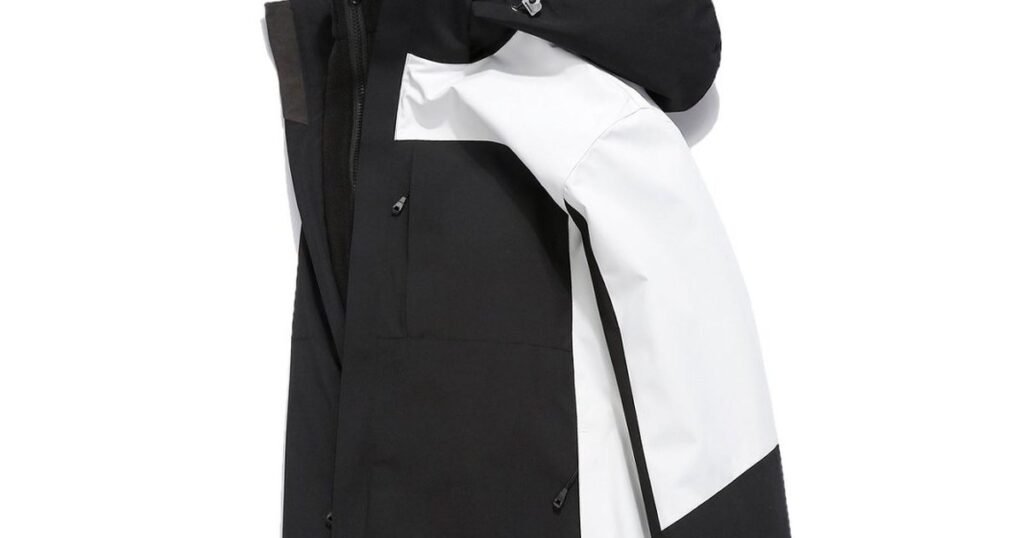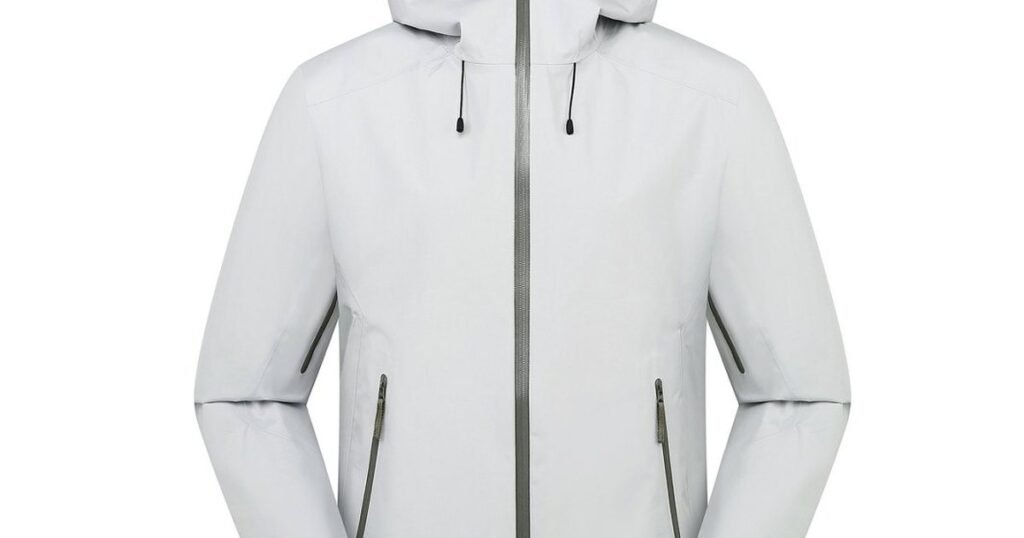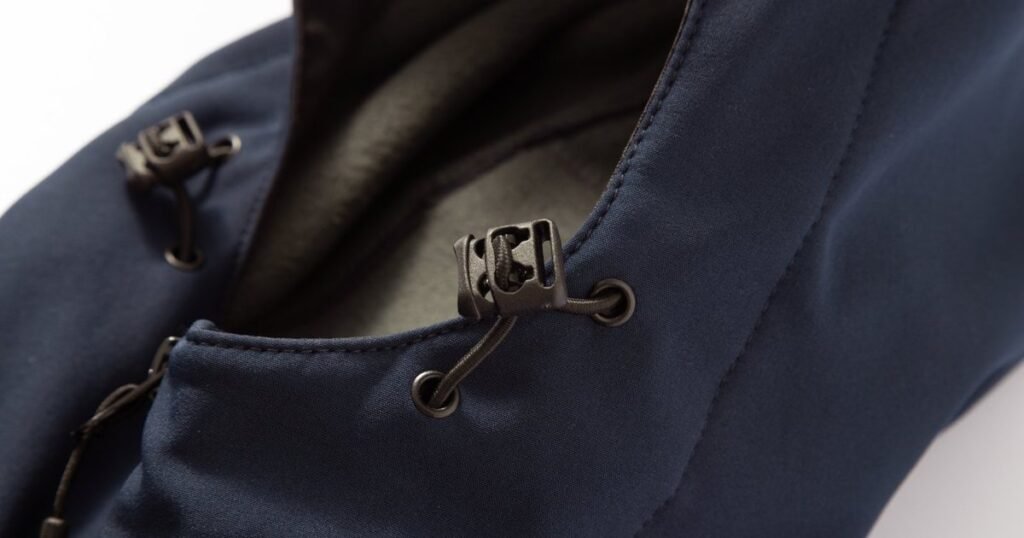
A sublimation printing softshell jacket OEM factory must operate dye-sublimation equipment that heat-bonds full-color artwork into white or light-colored polyester fabric before the shell is cut and sewn, because sublimation cannot penetrate dark fabrics, nylon, or bonded membranes. The factory needs in-house pattern grading, CAD cutting, and quality control to ensure printed panels align at seams and maintain water-repellent performance after the heat-transfer process. PTOUTWEAR operates dye-sublimation lines in a 3,000m² Taizhou Sanmen facility with 1-piece sample MOQ and 10-piece bulk MOQ per style, mixing colors and sizes.
📋 Table of Contents
Executive Summary
- Fabric Limitation: Sublimation requires white or light-colored polyester fabric and cannot penetrate dark shells, nylon blends, or bonded waterproof membranes without damaging the laminate.
- Factory Equipment: A qualified sublimation printing softshell jacket OEM factory operates calendar heat-press lines, CAD pattern software, and in-house quality control to align printed panels at seams and maintain DWR performance.
- MOQ and Sampling: Sample MOQ starts at 1 piece with a refundable fee; bulk production typically begins at 10-30 pieces per style, with 7-10 day sampling and 25-35 day bulk lead times.
- Performance Trade-Offs: Sublimated polyester softshells deliver wind resistance and stretch but lack the abrasion durability and high waterproof ratings of nylon-faced hardshells with taped seams.
- Landed Cost: Total delivered cost includes FOB unit price, ocean or air freight, import duties, compliance testing, and sampling fees; transparent factories provide itemized breakdowns before deposit.
Fabric Substrate Requirements for Sublimation
Dye sublimation transfers ink from printed transfer paper into polyester fiber using heat and pressure. The process requires a white or very light base color because the dye becomes part of the fiber rather than sitting on the surface. Dark fabrics, nylon, and cotton blends do not accept sublimation ink, and bonded waterproof membranes delaminate under the 180-200°C heat required for transfer.
Polyester Content and Weave
Sublimation-compatible softshell fabric must contain at least 85% polyester to accept the dye. Common constructions include 100% polyester woven twill, stretch polyester with 5-15% spandex, and polyester fleece-backed shells. Nylon-polyester blends above 30% nylon content show incomplete color saturation and uneven print quality. Factories that claim sublimation on nylon or dark fabrics typically mean screen printing or heat-transfer vinyl, not true dye sublimation.
Base Color Constraints
White, off-white, and pale gray polyester deliver full-color vibrancy. Light pastel bases allow sublimation but shift the final color palette. Medium and dark base colors block the dye entirely, leaving faint or invisible prints. Buyers sourcing team uniforms or corporate jackets with dark brand colors must choose screen printing, embroidery, or heat-transfer appliqué instead of sublimation.
Membrane and Lining Compatibility
Sublimation heat damages bonded waterproof membranes such as polyurethane or ePTFE laminates. The factory must sublimate the outer shell fabric before bonding or sewing any liner. Unlined softshells and fleece-backed shells without adhesive membranes are compatible. Fully seam-sealed hardshells and 3-layer waterproof jackets cannot be sublimated after construction.
Factory Equipment and Capability Verification
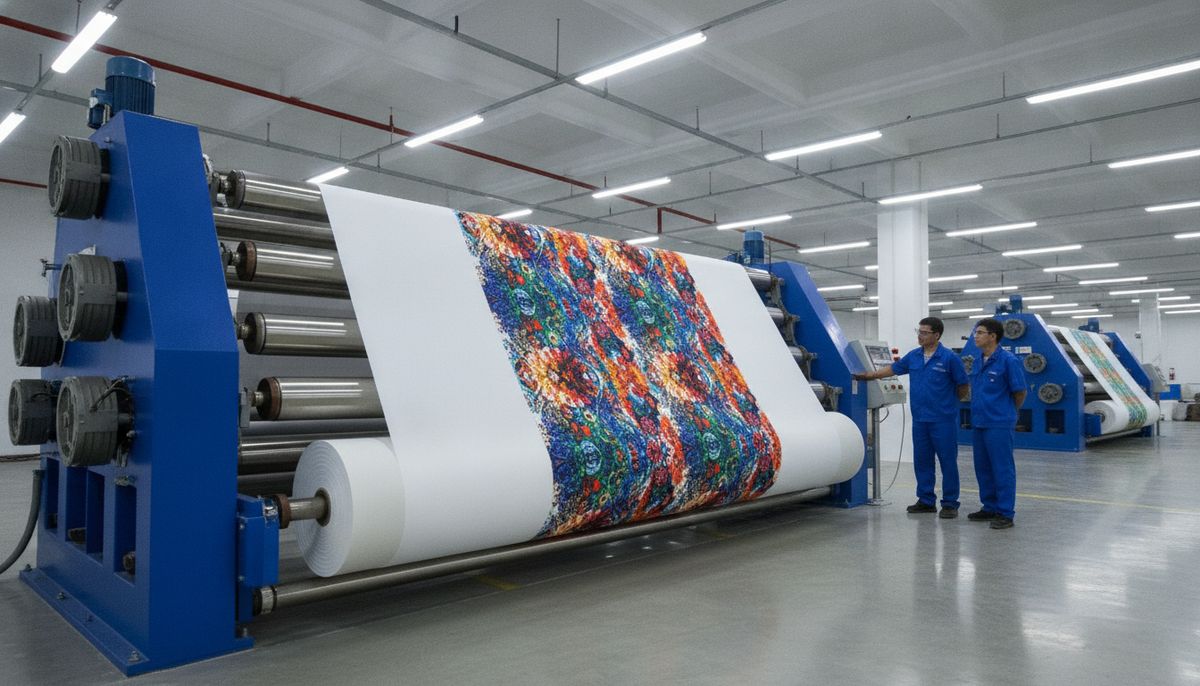
A sublimation printing softshell jacket OEM factory must operate calendar heat-press equipment, digital textile printers or large-format transfer-paper printers, and CAD pattern software to ensure printed panels align at seams. Verifying this equipment before placing a deposit protects buyers from factories that outsource sublimation to third-party print shops, adding lead time and quality-control risk.
In-House Sublimation Lines
Calendar heat presses are wide conveyor systems that apply even heat and pressure across full fabric widths, typically 1.6-1.8 meters. Roll-to-roll sublimation ensures consistent color across large production runs. Factories using small flatbed heat presses for apparel are typically sampling-only operations that cannot scale to bulk orders. Ask for photos or video of the calendar press in operation, and verify the maximum fabric width the press can handle matches your jacket panel dimensions.
Pattern Grading and Panel Alignment
Sublimation prints the fabric before cutting, so the factory must use CAD pattern software to position artwork on the fabric roll, accounting for seam allowances, panel shapes, and size grading. Misaligned prints result in design elements cut off at seams or asymmetric left-right panels. Request a digital pattern layout proof before approving the sample, showing how your artwork maps to each jacket panel in each size.
Quality-Control Checkpoints
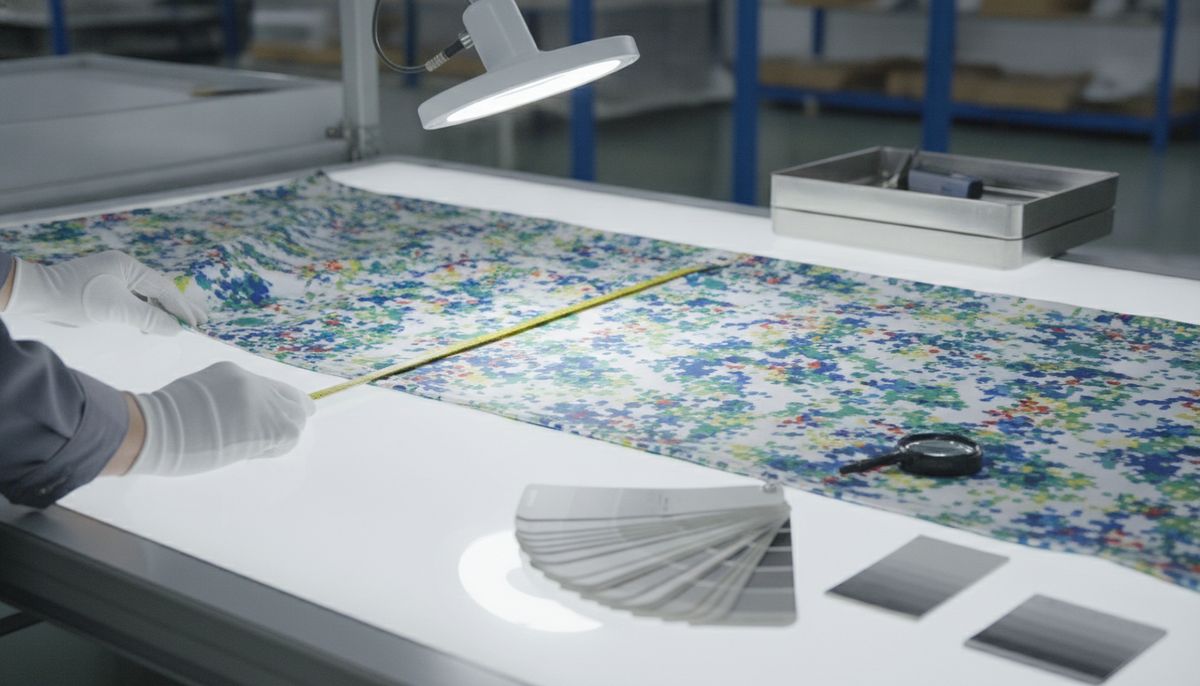
Sublimation quality control includes color-matching the print to your Pantone or RGB reference, checking for streaks or banding from clogged print heads, and verifying DWR performance after the heat-transfer process. Factories should provide a strike-off sample of the printed fabric before cutting the full sample jacket. This allows you to approve color and print quality separately from fit and construction, reducing costly rework.
Sample MOQ: 1 piece. Bulk MOQ: 10 pieces per style (mix colors and sizes). Sampling time: 7-10 days.
Softshell Construction and Performance After Sublimation
Sublimated polyester softshells deliver wind resistance, stretch, and breathability but typically lack the high waterproof ratings and abrasion durability of nylon-faced hardshells. Understanding these performance trade-offs helps buyers specify the right shell construction for their end use, whether that is lightweight team jackets, corporate uniforms, or outdoor activewear.
Wind Resistance and Breathability
Polyester softshell fabrics rated 180-280 GSM provide wind resistance suitable for cool, dry conditions but are not fully windproof. Breathability depends on the weave tightness and any fleece or mesh backing. Sublimation does not reduce breathability, but applying a DWR coating after sublimation can lower moisture-vapor transmission rates if the coating is too heavy. Factories should specify the breathability rating in grams per square meter per 24 hours (g/m²/24h) or provide an MVTR test result if the jacket is marketed for active outdoor use.
Water Repellency and DWR Application
Sublimated polyester fabric accepts DWR (durable water repellent) coating after the heat-transfer process. PFC-free DWR formulations provide initial water beading but require reapplication after 15-20 washes. Buyers often report that breathable jackets feel clammy once the DWR wets out, because moisture no longer beads off the face fabric and the shell absorbs water instead of shedding it. PTOUTWEAR applies PFC-free DWR as standard and provides care instructions for reapplying DWR spray or wash-in treatments. Factories that skip DWR or use low-quality coatings deliver jackets that wet out immediately in light rain.
Seam Construction and Durability
Softshells use flatlock or overlock seams for stretch and comfort, not fully taped seams. This construction is suitable for wind and light moisture but not heavy rain. Abrasion resistance on polyester softshells is lower than nylon, so high-wear areas such as elbows, cuffs, and shoulders may show pilling or fiber breakdown after repeated use. Buyers sourcing jackets for rugged outdoor use should request nylon reinforcement panels in those zones, though adding nylon creates color-matching challenges because nylon cannot be sublimated.
MOQ, Sampling, and Lead-Time Benchmarks
Minimum order quantities, sampling fees, and production lead times vary widely across sublimation printing softshell jacket OEM factories. Transparent factories publish these terms upfront and allow buyers to validate fit, print quality, and construction before committing to bulk orders.
Sample MOQ and Refund Policy
Sample MOQ for sublimated softshell jackets typically ranges from 1 to 5 pieces per style. Factories charge a sample fee to cover fabric printing, pattern grading, and labor, usually refundable against the first bulk order above a specified threshold. PTOUTWEAR offers 1-piece sample MOQ with a $100 sample fee, refunded when the buyer places a bulk order of 30 or more pieces. Factories that require 10-piece sample minimums or non-refundable fees add financial risk for startups testing market demand before committing to inventory.
Bulk Production MOQ
Bulk MOQ for sublimation softshells starts at 10-30 pieces per style at most low-MOQ jacket manufacturers, with colors and sizes mixed within that total. School uniform programs and corporate team orders often require 30 pieces per style per color to justify the sublimation setup cost. Factories quoting 100-piece minimums are typically optimized for large wholesale or retail orders and may not accommodate small DTC brands or pilot runs. Buyers should confirm whether the MOQ is per style, per color, or per size to avoid unexpected minimums at the order stage.
Sampling and Bulk Lead Times
Sampling lead time for sublimated softshells runs 7-10 days from artwork approval to shipment, including fabric printing, cutting, sewing, and quality inspection. Bulk production takes 25-35 days after deposit and final artwork approval. Rush orders of 1,000 pieces or fewer can be completed in 2 weeks at a 25% surcharge, though this compresses quality-control time and increases the risk of defects. Factories that promise 3-5 day sampling or 10-day bulk production either outsource sublimation, skip quality checks, or operate on a dropshipping model with pre-printed stock fabric rather than custom artwork.
Landed-Cost Model for US, UK, EU, and Australia
Total landed cost for sublimated softshell jackets includes the FOB unit price, ocean or air freight, import duties, compliance testing, and sampling fees. Transparent factories provide itemized breakdowns before deposit, allowing buyers to budget accurately and compare total delivered cost rather than FOB price alone.
FOB Unit Price Components
FOB unit price covers fabric, sublimation printing, cutting, sewing, trims, packaging, and factory profit. Sublimation adds a printing cost per square meter of fabric, typically $1.50-$3.00 depending on design complexity and color count. Factories quoting unusually low FOB prices often use thinner fabric, skip DWR coating, or reduce quality-control steps. Request a detailed costing breakdown that lists fabric GSM, DWR type, trim specifications, and labor cost separately.
Freight and Duties by Destination
Ocean freight for a 100-piece jacket order from China to the US West Coast runs approximately $200-$400 depending on carton volume and carrier. Air freight costs $4-$7 per kilogram and delivers in 5-7 days versus 25-35 days by sea. Import duties on textile jackets entering the United States range from 16.5% to 27.7% depending on fiber content and construction, applied to the FOB value plus freight and insurance. The UK applies a standard 12% duty on most apparel imports post-Brexit. EU duty rates vary by member state but typically fall between 12% and 14%. Australia levies a 5% duty plus 10% GST on the landed value. Buyers should verify the Harmonized System (HS) code with their customs broker before ordering to avoid unexpected duty bills.
Compliance Testing and Certification Costs
Sublimated polyester jackets sold in the US, UK, EU, or Australia may require flammability testing, labeling compliance, and restricted-substance screening. US flammability testing under 16 CFR 1610 costs $150-$300 per style. OEKO-TEX Standard 100 certification for the finished garment runs $1,500-$3,000 annually and covers harmful-substance testing. REACH compliance for EU imports requires a declaration of conformity but typically no third-party testing unless the jacket contains metal trims or plastic components. Factories that include compliance testing in their service package reduce the buyer’s administrative burden and ensure the product clears customs without delays.
- FOB Price: Fabric, printing, labor, trims, packaging, and factory margin; request itemized breakdown.
- Freight: Ocean $200-$400 per 100-piece order, air $4-$7/kg; verify carton dimensions and weight.
- Duties: US 16.5-27.7%, UK 12%, EU 12-14%, Australia 5% plus 10% GST; confirm HS code before deposit.
- Compliance: US flammability $150-$300, OEKO-TEX $1,500-$3,000 annually, REACH declaration for EU.
- Sampling Fee: Typically $100-$200 per piece, refundable against bulk order above threshold.
In practice: Seam alignment is what separates a sublimated jacket that looks professional from one with cut-off design elements, which is why the factory provides a digital pattern layout proof showing how artwork maps to each panel before printing the fabric.
Key Takeaways
- Sublimation requires white or light-colored polyester fabric and cannot penetrate dark shells, nylon blends, or bonded waterproof membranes without damaging the laminate.
- A qualified sublimation printing softshell jacket OEM factory operates calendar heat-press equipment, CAD pattern software, and in-house quality control to align printed panels at seams.
- Sample MOQ starts at 1 piece with a refundable fee; bulk production typically begins at 10-30 pieces per style, with 7-10 day sampling and 25-35 day bulk lead times.
- Sublimated polyester softshells deliver wind resistance and stretch but lack the high waterproof ratings and abrasion durability of nylon-faced hardshells with taped seams.
- Total landed cost includes FOB unit price, ocean or air freight, import duties, compliance testing, and sampling fees; transparent factories provide itemized breakdowns before deposit.
- PFC-free DWR coating applied after sublimation provides initial water beading but requires reapplication after 15-20 washes to prevent wet-out and clammy feel during active use.
Frequently Asked Questions
Can you sublimate on a dark softshell jacket?
No, dye sublimation cannot penetrate dark fabrics because the dye becomes part of the polyester fiber rather than sitting on the surface. Dark base colors block the dye entirely, leaving faint or invisible prints. Buyers sourcing team uniforms or corporate jackets with dark brand colors must choose screen printing, embroidery, or heat-transfer appliqué instead of sublimation. Only white, off-white, and pale gray polyester deliver full-color vibrancy with sublimation.
What is the minimum order quantity for custom sublimation softshell jackets?
Bulk MOQ for sublimation softshells starts at 10-30 pieces per style at most low-MOQ jacket manufacturers, with colors and sizes mixed within that total. School uniform programs and corporate team orders often require 30 pieces per style per color to justify the sublimation setup cost. Sample MOQ typically ranges from 1 to 5 pieces per style, with a refundable fee applied against the first bulk order. Factories quoting 100-piece minimums are optimized for large wholesale orders and may not accommodate small DTC brands or pilot runs.
How long does it take to produce sublimated softshell jacket samples?
Sampling lead time for sublimated softshells runs 7-10 days from artwork approval to shipment, including fabric printing, cutting, sewing, and quality inspection. This timeline assumes the factory operates in-house sublimation lines and CAD pattern software. Factories that promise 3-5 day sampling either outsource sublimation to third-party print shops, skip quality checks, or operate on a dropshipping model with pre-printed stock fabric rather than custom artwork. Bulk production takes 25-35 days after deposit and final artwork approval.
Ready to validate your sublimated softshell jacket design with a 1-piece sample and transparent landed-cost breakdown?
Request Your Sample and Costing →
Written by Ivan Chen, Sales Engineer at PTOUTWEAR, 13 years in outdoor apparel manufacturing.