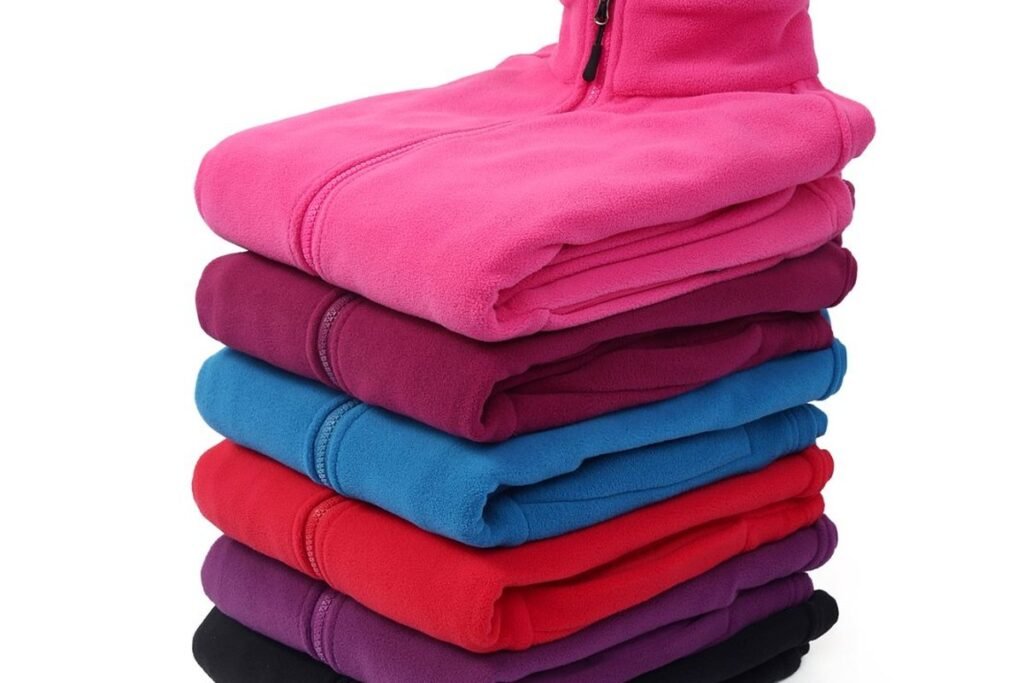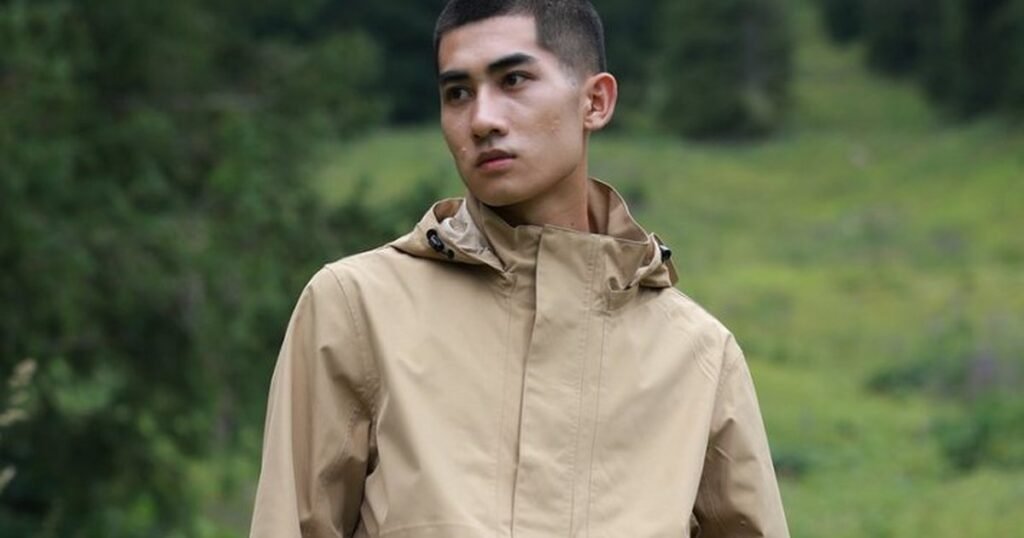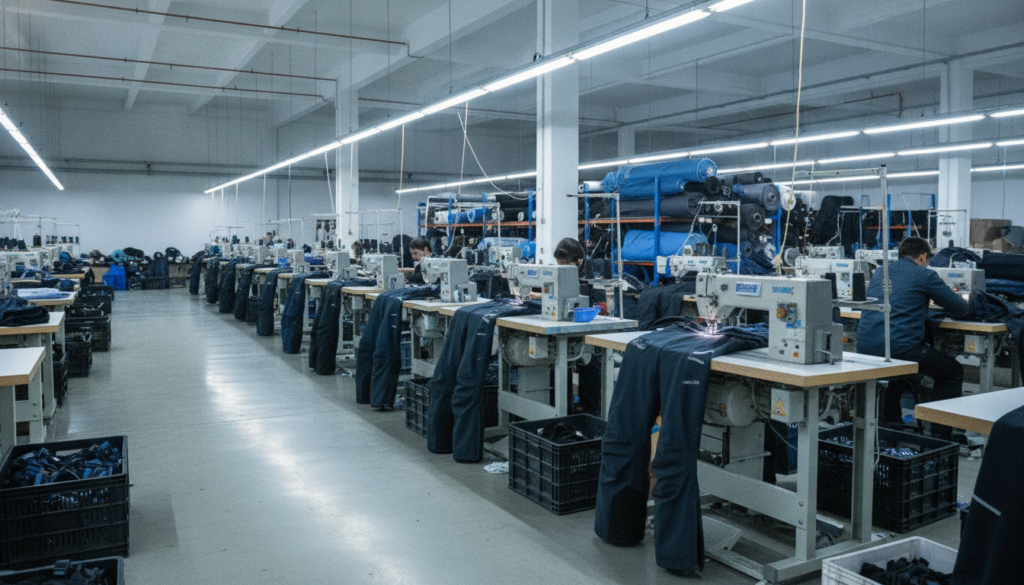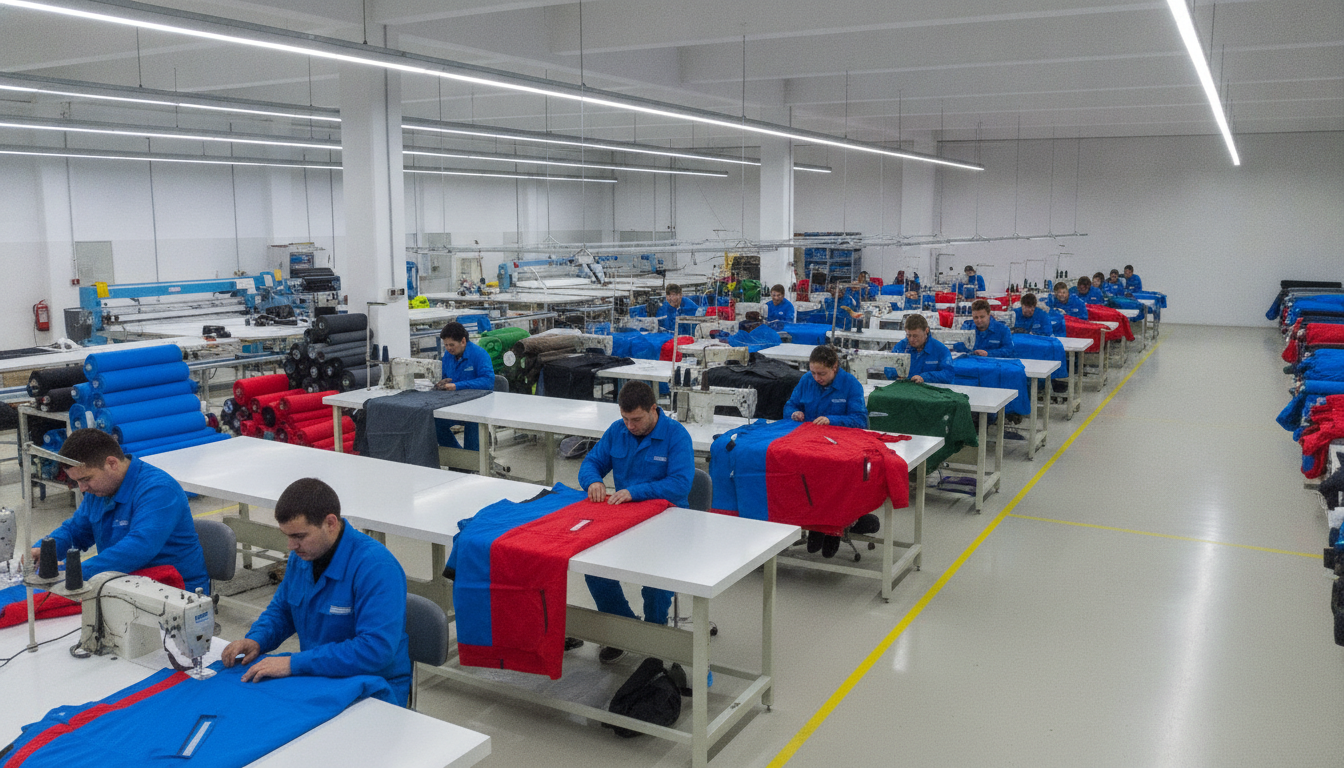
Custom ski clothing is manufactured through OEM or private-label programs that allow brands, teams, and schools to specify fabric waterproofness, insulation weight, branding placement, and fit. Factory-direct ODM programs typically offer 1-piece sampling with refundable fees between $80 and $150, then require 30 to 50 pieces per SKU for bulk production-significantly lower than traditional wholesalers who often demand 100 to 300 units.
📋 Table of Contents
- Executive Summary
- What Custom Ski Clothing Includes
- OEM vs ODM vs Private-Label: Which Path Fits Your Program?
- Fabric Performance: Waterproofness, Breathability, and DWR
- MOQ, Sampling, and Bulk Production Realities
- Branding and Customization Options
- Construction Details: Seam Sealing, Insulation, and Fit
- Lead Times and Production Planning
- Key Takeaways
- FAQ
Executive Summary
- MOQ Reality: Factory-direct ODM programs start at 30 pieces per SKU for bulk production, while traditional wholesalers typically require 100 to 300 units.
- Sampling Access: One-piece sampling with refundable fees between $80 and $150 allows brands to validate fit, fabric performance, and branding before committing to bulk orders.
- Waterproofness Tuning: Common factory specifications cite 20,000 mm hydrostatic head with breathability around 5,000 g/m²/24h, with full fabric customization available for different use cases.
- Production Workflow: OEM ski apparel development runs through a 13-step workflow from concept to reorder, including sample, testing, revision, and bulk production phases.
- DWR Maintenance: PFC-free DWR coatings require periodic re-proofing to maintain water repellency and prevent fabric wet-out, which causes clamminess during activity.
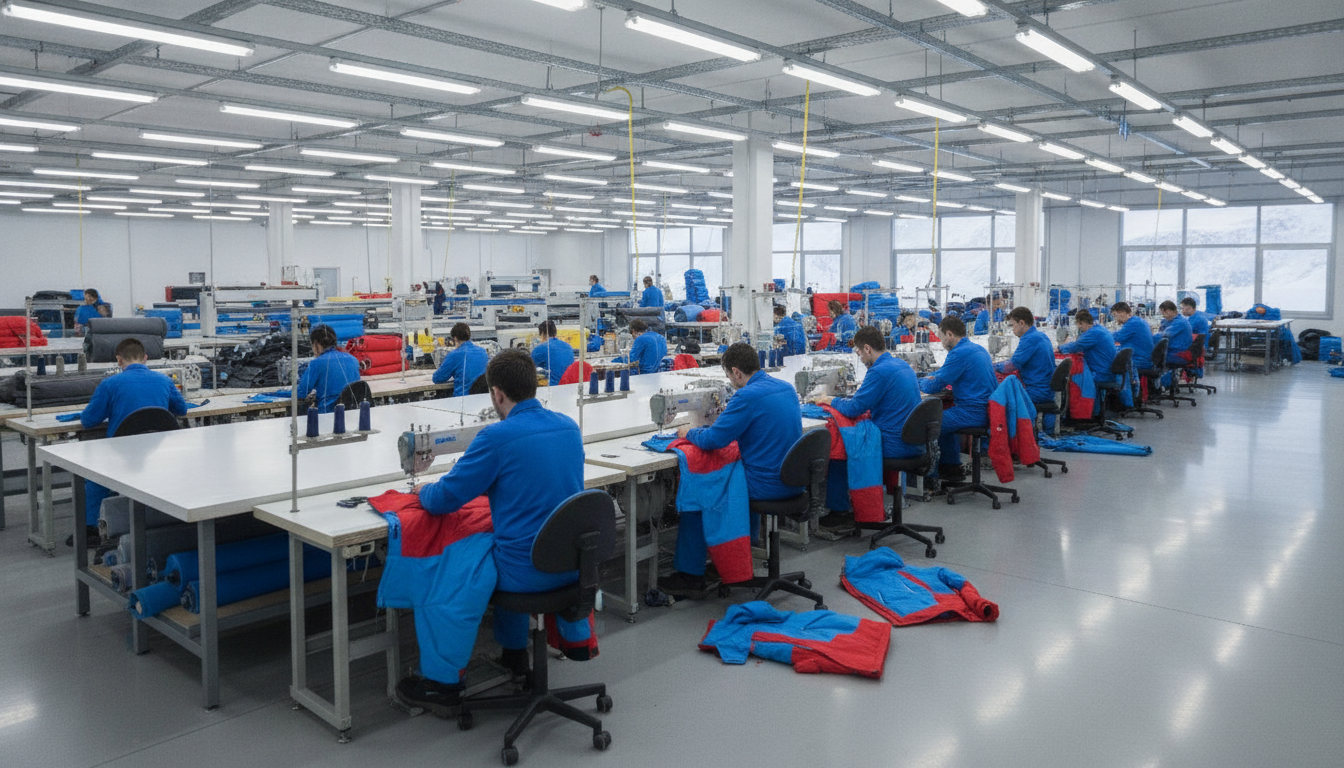
What Custom Ski Clothing Includes
Custom ski clothing encompasses jackets, pants, bibs, and one-piece suits manufactured to a buyer’s fabric, fit, insulation, and branding specifications. Buyers specify waterproof membrane type, insulation weight, seam-sealing coverage, pocket placement, ventilation features like pit zips, and all branding elements including woven labels, heat-transfer logos, embroidery, and hangtag design. The scope ranges from full cut-and-sew OEM jacket manufacturing where the buyer controls every material and construction detail, to private-label programs where a factory’s existing design is re-branded with the buyer’s logo and colorway.
Jacket Types
Ski jackets are manufactured in three main insulation categories. Shell jackets use waterproof-breathable membranes with no insulation, relying on layering for warmth. Insulated jackets integrate synthetic or down fill between the shell and lining, with fill weights typically ranging from 60g light insulation to 200g+ for resort and backcountry use. Hybrid jackets combine insulated body panels with uninsulated sleeves or side panels to balance warmth and mobility.
Pants and Bibs
Ski pants and bibs are constructed with reinforced knees, seat, and cuff areas to resist abrasion from edges and boot contact. Bibs offer additional torso coverage and eliminate the waist gap that occurs when a jacket rides up. Both formats include features like inner gaiters to seal out snow, boot zippers for easy on-off over boots, and adjustable waist systems.
One-Piece Suits
One-piece ski suits integrate jacket and pant into a single garment, eliminating the waist gap entirely. They are common in race programs, ski schools, and team uniforms where a unified appearance and maximum weather protection are priorities. Construction requires careful torso-length sizing and often includes a two-way front zipper for bathroom access.
OEM vs ODM vs Private-Label: Which Path Fits Your Program?
OEM (Original Equipment Manufacturer) programs allow the buyer to specify every material, construction method, and design detail. The factory sources fabrics to the buyer’s specification, cuts patterns to the buyer’s tech pack, and applies the buyer’s branding. ODM (Original Design Manufacturer) programs start with the factory’s existing designs; the buyer selects a base style, then customizes fabric, color, insulation weight, and branding within the factory’s design framework. Private-label programs are the simplest path: the factory produces a stock design, and the buyer applies their own logo and hangtag with minimal or no construction changes.
OEM: Full Design Control
OEM ski apparel development runs through a 13-step workflow from concept to reorder, including sample, testing, revision, and bulk production. The buyer provides technical specifications, the factory sources materials, produces a pre-production sample, and iterates until the sample meets all performance and fit requirements. This path offers maximum differentiation but requires the buyer to manage fabric sourcing, testing, and quality control. MOQ for full OEM programs typically starts at 300 to 500 pieces per style due to fabric minimums and pattern development costs.
ODM: Factory Design, Buyer Branding
ODM programs allow buyers to customize within a factory’s proven design library. The factory has already developed patterns, tested fabrics, and validated construction methods, so the buyer selects a base jacket or pant style, chooses fabric performance tier, specifies color and insulation weight, and applies their branding. PTOUTWEAR ODM programs allow 1-piece sampling for a $100 fee refunded on the bulk order, then move to bulk production from 30 pieces per design and colorway. This path balances customization with lower MOQ and faster sampling.
Private-Label: Fastest Path to Market
Private-label programs apply the buyer’s branding to a factory’s stock design with minimal construction changes. The factory produces the garment in its standard fabric and colorway, and the buyer specifies logo placement, woven label content, and hangtag design. MOQ is often the lowest of the three paths, sometimes as low as 30 pieces per SKU, because the factory is not altering its production process. Lead time is also the shortest, typically 25 to 35 days from order confirmation to shipment.
In practice: Seam taping is what separates a jacket that survives a wash test from one that delaminates after three cycles, which is why it gets checked on the pre-production sample before bulk fabric is ever cut.
Fabric Performance: Waterproofness, Breathability, and DWR
Waterproofness is measured by hydrostatic head in millimeters: the height of a water column the fabric can support before leaking. According to Yuelei Sports, common ski jacket waterproof performance cited by factories is 20,000 mm with breathability around 5,000 g/m²/24h. Entry-level ski fabrics start at 5,000 mm, suitable for light snow and short outings. Mid-tier fabrics run 10,000 to 15,000 mm, adequate for resort skiing in mixed conditions. High-performance fabrics exceed 20,000 mm and are specified for backcountry, patrol, and all-day use in heavy precipitation.
Breathability and MVTR
Breathability is measured by Moisture Vapor Transmission Rate (MVTR) in grams per square meter per 24 hours. A fabric rated 5,000 g/m²/24h can transport 5,000 grams of water vapor away from the body in a day. Higher MVTR values reduce interior condensation and clamminess during aerobic activity. Buyers commonly encounter a wet-out problem: a waterproof jacket is only breathable while its DWR keeps the face fabric from wetting out; once it wets out, the membrane cannot breathe effectively and the wearer feels clammy and wet inside.
DWR Coating and Maintenance
Durable Water Repellent (DWR) is a surface treatment applied to the face fabric that causes water to bead and roll off rather than soaking in. PFC-free DWR formulations replace legacy perfluorinated compounds that persist in the environment. PFC-free DWR performs comparably in initial water repellency but requires more frequent re-proofing. Buyers should specify PFC-free DWR and educate end users that breathable rain jackets are not permanently waterproof; the DWR wears off over time and must be restored with heat reactivation or spray-on re-proofing products.
Full Custom Fabric Tuning
According to Yuelei Sports, full custom fabric customization is offered with waterproofness and breathability adjusted to the intended use case. Buyers working with a low MOQ jacket manufacturer can specify membrane type, face fabric weight, DWR formulation, and lining material to balance performance, weight, and cost. Common membrane options include 2-layer, 2.5-layer, and 3-layer laminates, each with different durability and packability characteristics.
MOQ, Sampling, and Bulk Production Realities
Minimum Order Quantity (MOQ) is the smallest production run a factory will accept for a custom style. According to PTOUTWEAR, bulk production for factory-direct ODM ski jackets typically starts at 30 to 50 pieces per SKU, while traditional wholesalers often require 100 to 300 units. MOQ varies by customization level: private-label programs with minimal changes have the lowest MOQ, ODM programs with fabric and color selection sit in the middle, and full OEM programs with custom patterns and materials have the highest MOQ due to fabric minimums and tooling costs.
Sample Development Process
Sample development begins with a one-piece pre-production sample that validates fit, fabric performance, construction quality, and branding placement before bulk production. Sampling fees typically range from $80 to $150 per piece and are often refundable against the bulk order. Sampling time runs 7 to 10 days for ODM programs where the factory is adapting an existing pattern, and 14 to 21 days for full OEM programs where patterns are being developed from scratch. Buyers should budget for one or two sample revisions to refine fit and details.
Bulk Production MOQ
Bulk MOQ is driven by fabric minimums, production efficiency, and the factory’s willingness to run small batches. A 30-piece-per-SKU minimum means a buyer ordering three colorways of one jacket style must commit to 90 total pieces. Buyers launching a DTC outdoor brand often start with two to three SKU (style-color combinations) to test market response before scaling. School and corporate team programs typically order 50 to 200 pieces per year across multiple size runs, fitting comfortably within low-MOQ factory capabilities.
Size Runs and SKU Planning
Each size within a style counts as a separate SKU for production planning. A jacket offered in sizes S, M, L, XL, XXL is five SKU. If the factory’s MOQ is 30 pieces per SKU, the buyer must order 150 total pieces to cover all five sizes. Buyers working with team or school programs often consolidate into three core sizes (M, L, XL) to reduce total piece count and simplify inventory. Size distribution typically follows a bell curve: 20% small, 30% medium, 30% large, 20% extra-large.
Branding and Customization Options
Branding elements in custom ski clothing include woven labels, heat-transfer logos, embroidery, screen printing, sublimation printing, and hangtag design. Woven labels are sewn into the neck, hem, or pocket and carry brand name, size, care instructions, and country of origin. Heat-transfer logos are applied with heat and pressure, creating a smooth, flexible graphic with no stitching. Embroidery uses thread to stitch logos directly into the fabric, offering durability and a premium appearance. Screen printing applies ink to the fabric surface and is cost-effective for large, simple graphics. Sublimation printing infuses dye into synthetic fabrics, allowing full-color, photographic-quality graphics.
Logo Placement Options
- Chest: Left chest is the most common logo placement, typically 3 to 4 inches wide, visible when the jacket is worn and photographed.
- Back: Upper back or center back allows larger graphics, often 8 to 12 inches wide, used for team names, sponsor logos, or brand wordmarks.
- Sleeve: Left or right sleeve placement is common for secondary logos, sponsor marks, or flag patches, typically 2 to 3 inches wide.
- Hood: Hood placement is less common but used for subtle branding or reflective safety marks in team and school programs.
Woven Labels and Hangtags
Woven labels are manufactured separately and sewn into the garment during production. They include brand name, size, fabric content, care instructions, and country of origin as required by import regulations. Hangtags are printed cards attached to the finished garment with a plastic fastener or string, carrying brand story, fabric performance claims, care instructions, and pricing. Buyers working with a custom logo service can specify label and hangtag design, material, and attachment method.
Color Matching and Pantone Codes
Color matching uses Pantone Textile Color System (TPX or TCX) codes to ensure fabric, thread, and logo colors match the buyer’s brand standards. Buyers provide Pantone codes for each color element, and the factory submits lab dips (small fabric swatches dyed to the specified color) for approval before bulk fabric is ordered. Color matching adds 7 to 10 days to the sampling timeline and requires good lighting and color-calibrated monitors for remote approval.
Construction Details: Seam Sealing, Insulation, and Fit
Seam sealing is the process of applying waterproof tape over stitched seams to prevent water from leaking through needle holes. Fully seam-sealed garments have tape applied to every seam, while critically seam-sealed garments tape only high-exposure areas like shoulders, hood, and front zipper. Seam tape is applied with heat and pressure, and its durability depends on tape quality, application temperature, and fabric compatibility. Buyers commonly discover that seam taping is what separates a jacket that survives a wash test from one that delaminates after a few cycles.
Insulation Types and Weights
Synthetic insulation uses polyester fibers to trap air and provide warmth even when wet. Common synthetic fills include PrimaLoft, Thinsulate, and proprietary factory blends, with weights ranging from 40g (light) to 200g+ (heavy). Down insulation uses goose or duck down clusters, offering superior warmth-to-weight ratio but losing insulating ability when wet. Down is rated by fill power (the volume in cubic inches that one ounce of down occupies); higher fill power (700+, 800+) indicates better insulation per gram. Hybrid insulation combines synthetic fill in high-moisture areas (underarms, back) with down in the core for balanced performance.
Fit and Mobility Features
Ski jacket fit balances weather protection with mobility for dynamic movement. Articulated sleeves use curved seams that follow the natural arm position, reducing fabric bunching when arms are raised. Underarm gussets add fabric panels that expand during reaching and pole-planting motions. Without pit zips, a waterproof jacket becomes hot during strenuous activity, so many buyers specify pit zips (underarm zippers) or back vents to dump excess heat. Adjustable cuffs, hem, and hood allow the wearer to seal out snow and wind or open for ventilation.
Pockets and Storage
Ski jackets typically include chest pockets for goggles and electronics, hand-warmer pockets with fleece lining, internal mesh pockets for small items, and a pass pocket on the sleeve or chest for lift tickets or access cards. Pocket placement must avoid interference with backpack waist belts and harness buckles in backcountry applications. Waterproof zippers add cost but prevent snow and rain from entering pockets during falls or heavy weather.
Lead Times and Production Planning
Lead time is the total duration from order confirmation to finished goods arriving at the buyer’s warehouse. Sampling time runs 7 to 10 days for ODM programs and 14 to 21 days for full OEM programs. Bulk production time is 25 to 35 days (about 4 weeks) for standard runs, with a rush option available for 1,000 pieces in 2 weeks at a 25% surcharge. Shipping time depends on method: ocean freight takes 25 to 40 days from China to the US West Coast, 35 to 50 days to the East Coast, and 30 to 45 days to Europe or Australia. Air freight reduces shipping to 5 to 10 days but increases cost by 5 to 8 times.
Production Planning for Seasonal Programs
Ski clothing is a seasonal product with most sales occurring between October and March in the Northern Hemisphere. Buyers placing orders in June or July receive finished goods in August or September, allowing time for pre-season marketing, retail placement, and inventory distribution. Orders placed later than August risk missing the peak selling season. School and team programs often order in spring (March to May) for delivery in late summer, ensuring uniforms arrive before the season starts.
DDP Shipping and Landed Cost
DDP (Delivered Duty Paid) shipping means the factory handles all logistics, customs clearance, and duty payment, and the buyer receives goods at their warehouse with no additional fees. DDP simplifies budgeting and eliminates surprise duty bills, but the buyer pays a premium for the factory’s logistics service. FOB (Free On Board) shipping means the buyer arranges and pays for ocean freight, customs clearance, and duties separately, offering more control and often lower total cost for experienced importers. Buyers working with a sample development program should clarify whether sample shipping is included in the sample fee or billed separately.
Inventory Management for Small Brands
Small DTC brands and team programs often lack warehouse space and working capital to hold large inventory. Buyers can split production into two or three shipments spread across the season, paying for each batch as it ships rather than funding the entire order upfront. Some factories offer dropshipping or fulfillment services where the factory holds finished inventory and ships individual orders directly to end customers, eliminating the buyer’s need for warehouse space.
Key Takeaways
- Factory-direct ODM programs offer 1-piece sampling with refundable fees between $80 and $150, then move to bulk production starting at 30 to 50 pieces per SKU, significantly lower than traditional wholesalers who often require 100 to 300 units.
- Common ski jacket waterproof performance cited by factories is 20,000 mm hydrostatic head with breathability around 5,000 g/m²/24h, with full fabric customization available to tune performance for specific use cases.
- OEM ski apparel development runs through a 13-step workflow from concept to reorder, including sample, testing, revision, and bulk production phases, requiring the buyer to manage fabric sourcing and quality control.
- PFC-free DWR coatings require periodic re-proofing to maintain water repellency and prevent fabric wet-out, which causes clamminess during activity, so buyers should educate end users that breathable rain jackets are not permanently waterproof.
- Seam taping applied with heat and pressure to stitched seams prevents water from leaking through needle holes, and its durability depends on tape quality, application temperature, and fabric compatibility.
- Bulk production time is 25 to 35 days for standard runs, with a rush option available for 1,000 pieces in 2 weeks at a 25% surcharge, and ocean freight adds 25 to 50 days depending on destination port.
FAQ
What is the difference between OEM and ODM for custom ski clothing?
OEM (Original Equipment Manufacturer) programs allow the buyer to specify every material, construction method, and design detail, requiring the factory to source fabrics to the buyer’s specification and cut patterns to the buyer’s tech pack. ODM (Original Design Manufacturer) programs start with the factory’s existing designs, and the buyer selects a base style then customizes fabric, color, insulation weight, and branding within the factory’s design framework. OEM offers maximum differentiation but requires higher MOQ (typically 300 to 500 pieces) and longer lead times, while ODM balances customization with lower MOQ (30 to 50 pieces per SKU) and faster sampling.
How long does custom ski apparel production take from sample to delivery?
Sampling time runs 7 to 10 days for ODM programs where the factory is adapting an existing pattern, and 14 to 21 days for full OEM programs where patterns are being developed from scratch. Bulk production time is 25 to 35 days for standard runs. Shipping time depends on method: ocean freight takes 25 to 40 days from China to the US West Coast, 35 to 50 days to the East Coast, and 30 to 45 days to Europe or Australia, while air freight reduces shipping to 5 to 10 days but increases cost by 5 to 8 times. Total lead time from sample approval to delivery is typically 60 to 90 days for ocean freight.
Can ski jackets be fully customized with logos and colors at low MOQ?
Factory-direct ODM programs allow full logo and color customization at 30 to 50 pieces per SKU bulk MOQ, with 1-piece sampling available to validate branding placement and color matching before bulk production. Customization includes woven labels, heat-transfer logos, embroidery, screen printing, and sublimation printing, with Pantone color matching to ensure fabric, thread, and logo colors match the buyer’s brand standards. Private-label programs with minimal construction changes can achieve even lower MOQ, sometimes as low as 30 pieces per SKU, because the factory is not altering its production process.
Ready to develop your custom ski clothing line with 1-piece sampling and 30-piece bulk MOQ?
Request Your Sample →
Written by Ivan Chen, Sales Engineer at PTOUTWEAR, 13 years in outdoor apparel manufacturing.