📋 Table of Contents
Finding a dropship ski snowboard brand supplier that can handle technical outerwear with low minimums and reliable quality is the single biggest hurdle for new outdoor apparel brands. Many factories demand 1,000-piece orders, but a growing number of vertically integrated manufacturers now offer 1-piece sample MOQs and 30-piece bulk runs, making market entry possible without inventory risk.
Executive Summary
- Market size: The global outdoor apparel market exceeded $18 billion in 2024, according to Grand View Research, with winter sports segments growing at a mid-single-digit CAGR.
- MOQ shift: New-generation suppliers now offer 1-piece sample and 30-piece bulk MOQs, versus traditional 300-1,000-piece minimums.
- Technical compliance: OEKO-TEX Standard 100 screens for over 1,000 harmful substances; BSCI audits social compliance; and PFC-free DWR is becoming a buyer requirement.
- Customization: Private label, custom logo embroidery, and OEM design are available at low MOQs for brands looking to differentiate.
- Risk mitigation: Pre-production samples, third-party SGS testing, and CIF shipping terms protect margins and quality.
What to Look for in a Dropship Ski Snowboard Brand Supplier
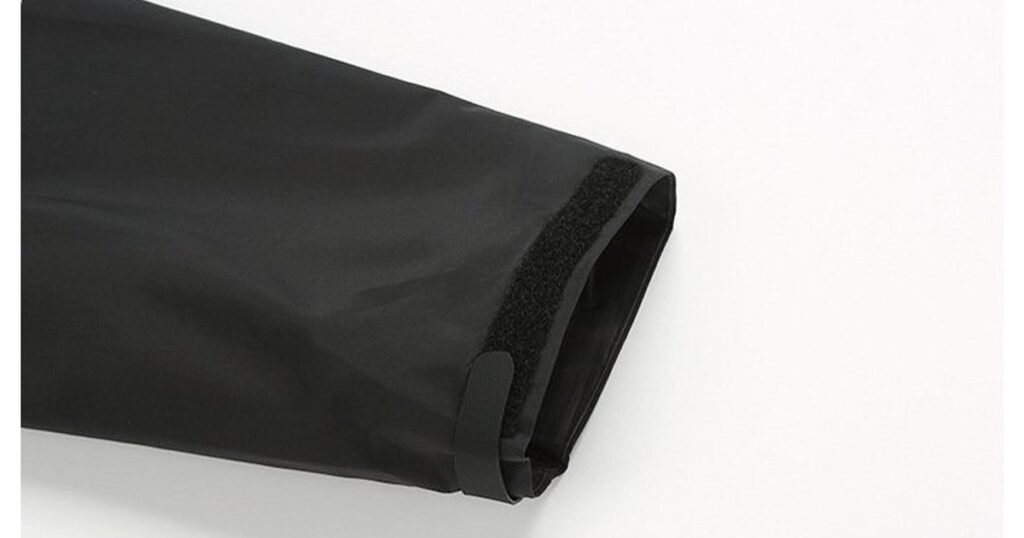
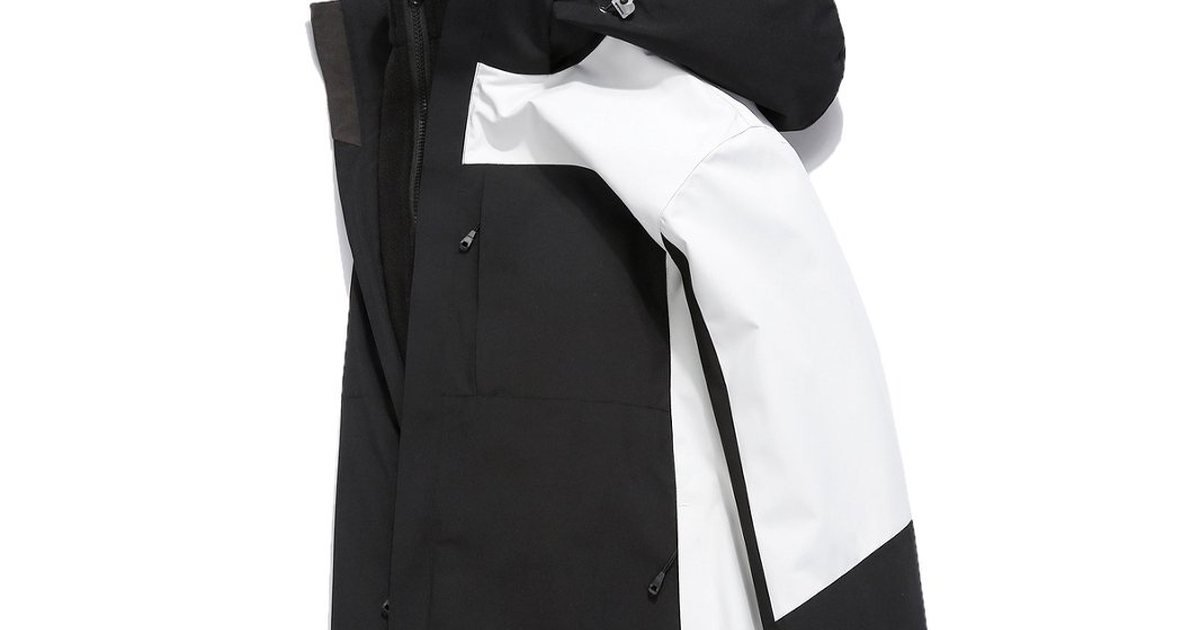
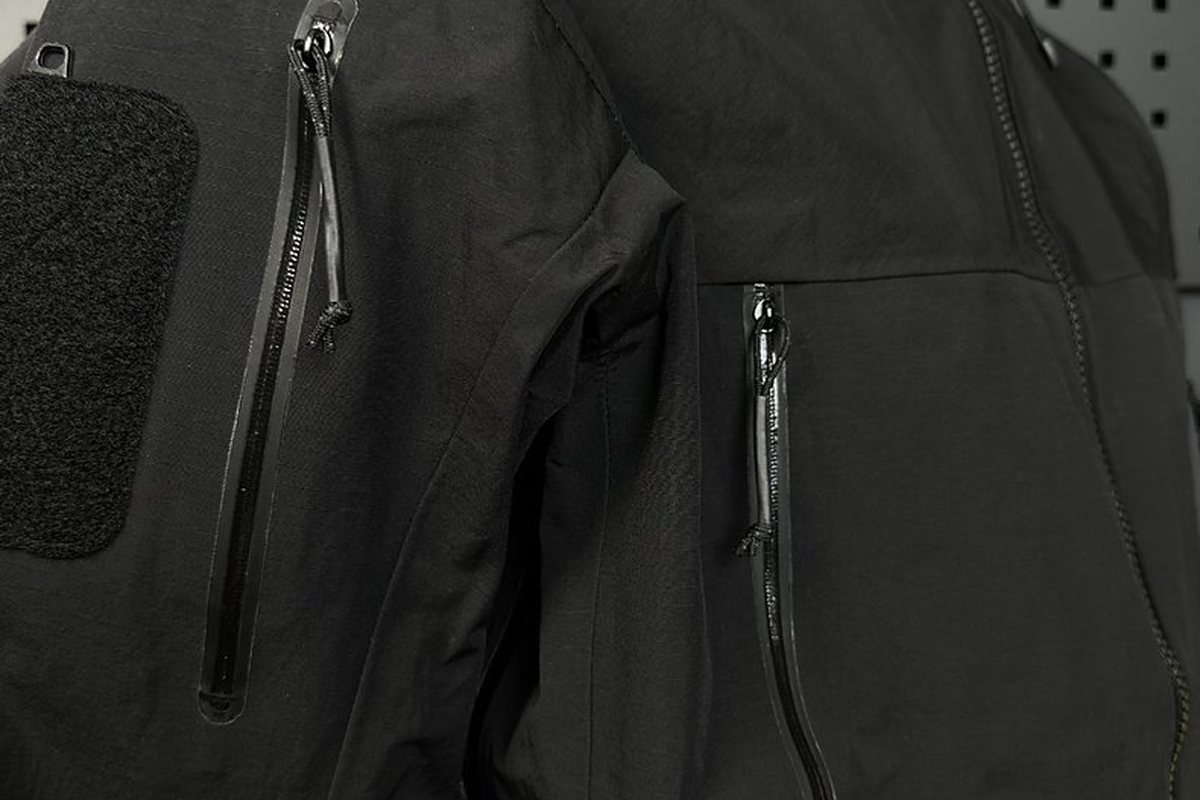
When evaluating a dropship ski snowboard brand supplier, focus on their ability to produce technical outerwear that meets mountain performance standards, not just fashion cut-and-sew. A supplier with in-house fabric sourcing, seam-sealing capability, and experience with 3-layer hardshell construction will reduce your defect rate and return rate.
1. Vertical Integration
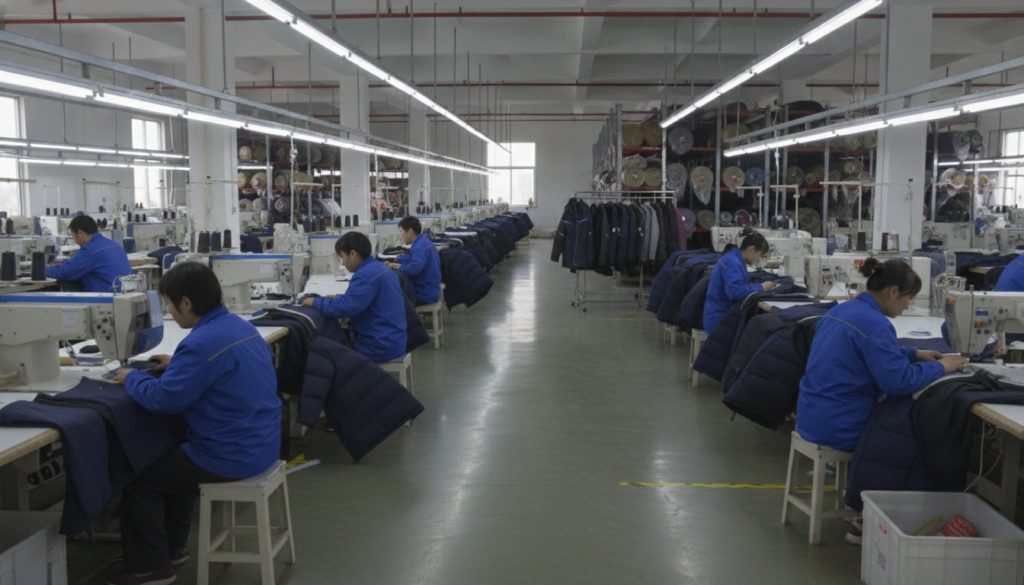
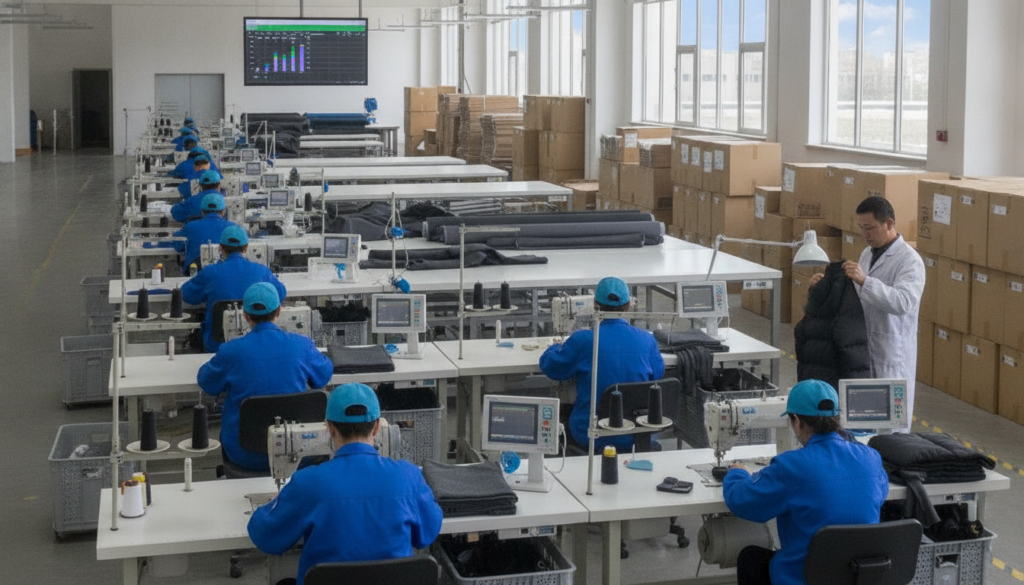
Suppliers who control cutting, sewing, taping, and quality inspection under one roof avoid the subcontractor delays that plague fragmented supply chains. A 3,000 m² facility with 20 production lines and 240 workers, for example, can handle 200,000 pieces annually while maintaining a dedicated QC team for each order.
2. Experience with Outdoor Brands
In our 12+ years manufacturing outdoor jackets in Taizhou and Yiwu, we have seen that suppliers who serve brands across multiple countries understand the varying fit, labeling, and compliance requirements of the US, EU, and Australian markets. Ask for client references in your target region and verify that the factory has produced jackets with taped seams, waterproof zippers, and adjustable hoods.
3. Dropshipping Fulfillment Capability
A true dropship ski snowboard brand supplier ships individual orders directly to your customers with your branding, often within 3-5 business days. Confirm that the supplier offers blind shipping, branded packing slips, and integration with Shopify or WooCommerce via API or CSV order files. Our 3,000 m² Taizhou Sanmen facility runs 20 production lines, in-house cut-and-sew, and QC, enabling us to fulfill 1-piece dropship orders alongside bulk production.
Technical Outerwear Compliance and Certifications
Mountain apparel must handle wind, wet snow, and abrasion. Buyers are increasingly citing certification requirements in their RFQs, and marketplaces like Amazon require compliance documentation for waterproof and insulated claims.
Testing Protocols
Beyond certifications, insist on a supplier that provides a test report for each lot. A standard ski jacket test package includes hydrostatic head (≥10,000 mm for resort skiing), breathability (≥5,000 g/m²/24h), and seam tape adhesion after 3 washes. The Global Recycled Standard (GRS) requires at least 20% recycled material content before a product can be certified and labeled GRS, a threshold that is becoming the baseline for eco-conscious outdoor brands.
Supply Chain Transparency
Request a factory audit report or schedule a virtual tour of the production floor, cutting room, and QC station. A supplier with ISO 9001 certification demonstrates document control and process consistency, which reduces the risk of batch-to-batch variation in waterproofing.
MOQ, Sampling, and Pricing: How to Start Lean
Cash-flow management is the top concern for a new ski outerwear brand. Traditional factories demand 300-500 pieces per SKU, which can tie up $15,000, $30,000 before a single sale. The new generation of dropship ski snowboard brand supplier models flips this: sample 1 piece for $100 (refundable against bulk), then order 30 pieces per SKU once you have validated demand.
Sample MOQ: 1 piece. Bulk MOQ: 30 pieces per SKU. Sampling time: 7-10 days. Sample fee: $100, refundable against bulk order.
Cost Breakdown by Production Tier
Factors That Impact Pricing
- Fabric choice: 3-layer hardshell with an ePTFE membrane costs 2-3× more than a 2-layer PU-coated polyester shell.
- Insulation fill power: 800-fill-power goose down adds $15, $25 per jacket compared to 600-fill-power duck down, and requires a Responsible Down Standard (RDS) certification.
- Trim and branding: Custom zipper pulls, multicolor embroidery, and laser-cut logos add $1, $3 per unit but improve perceived value.
Logistics and Duties: US Import Considerations
Shipping ski jackets from China to the US involves navigating Section 301 tariffs, seasonal demand peaks, and the choice between air freight and sea freight. The US Harmonized Tariff Schedule (HTS) code for men’s synthetic ski jackets is 6201.93.3000, which as of 2026 carries a base duty rate of 27.7% plus a 7.5% Section 301 tariff if the jacket is not covered by an exclusion. Always confirm the HTS code with your freight forwarder before quoting landed cost.
De Minimis and Dropshipping Duties
For individual dropshipped orders under $800, the Section 321 de minimis exemption allows duty-free entry into the US. However, if you ship 30 jackets to a 3PL warehouse, the full duty applies. Many brands split their model: ship bulk to a US warehouse for large orders, and use direct-from-factory dropshipping for single-unit test orders.
Warehouse Partnerships
If you are not dropshipping, consider a 3PL in Salt Lake City or Denver to reduce last-mile delivery time to mountain resort towns. The average storage fee is $0.50, $0.75 per cubic foot per month, with pick-and-pack fees of $2.50, $4.00 per order.
Building Your Brand with Private Label and Customization
A dropship ski snowboard brand supplier that offers private label outdoor apparel allows you to sell jackets under your own brand name without owning a factory. Customization goes beyond a logo: you can specify fabric colors, pocket placement, insulation type, and even create a custom fit block.
Private Label vs. OEM/ODM
- Private label: You select from existing jacket silhouettes and add your branding. Lead time is 15-20 days, making it ideal for new brands testing the market.
- OEM/ODM: You provide a tech pack with your own design, measurements, and fabric specifications. The factory develops a pattern and sample from scratch. Lead time extends to 30-45 days, but you get a fully unique product.
Customization Options at Low MOQ
- Custom woven labels: $0.08, $0.15 each, MOQ 500 labels.
- Embroidery: Up to 6 colors, 5,000-stitch limit, $0.80, $1.50 per jacket.
- Hang tags and packaging: Custom design, $0.15, $0.30 per set.
For brands that need full design support, OEM jacket manufacturing services cover everything from tech pack creation to sample development. A low MOQ jacket manufacturer can deliver 30 pieces per SKU with your own hangtags, woven labels, and custom logo embroidery, letting you launch a brand without committing to container loads.
To add a professional finish, you can work with the supplier to add custom logos via embroidery, screen print, or heat transfer. The supplier should provide a digital mockup for approval before production.
FAQ
How do I find a ski snowboard dropshipping supplier?
Start by searching for vertical manufacturers that specialize in technical outerwear. Verify their facility size, certifications (OEKO-TEX, BSCI), and minimum order quantities. Request a 1-piece sample to test waterproofing and fit before committing to a bulk order. A supplier with in-house production and a trade office in Yiwu or Shanghai typically offers better communication and faster turnaround.
Is dropshipping ski and snowboard gear profitable?
Yes, but margins depend on your product positioning. A basic softshell jacket with a $45 FOB cost can retail for $129, $149, yielding a 60-65% gross margin. Higher-end 3-layer hardshell jackets with 20K/20K ratings command $249, $349 retail. Dropshipping eliminates inventory holding costs, but shipping costs and duties must be factored into your pricing model.
Can I private label ski and snowboard apparel from a supplier?
Absolutely. Many manufacturers offer private label programs where you can add your brand name, logo, and custom packaging to existing jacket designs. For a fully unique product, OEM/ODM services allow you to submit your own tech pack and have the factory develop a pattern and sample. The MOQ for private label is often as low as 30 pieces per SKU.
What should I look for in a dropship supplier for winter sports products?
Prioritize suppliers with proven experience in waterproof/breathable fabrics, seam-sealing capability, and certification like OEKO-TEX Standard 100. Check their sampling policy (1-piece sample availability), bulk MOQ (ideally 30 pieces), and whether they offer blind dropshipping. Confirm they can provide SGS test reports for waterproof ratings and breathability to back up your product claims.
Do I need special certifications to sell ski and snowboard apparel?
While you as a brand owner don’t need certifications, your supplier’s certifications protect your business. OEKO-TEX Standard 100 ensures fabric safety, BSCI confirms ethical manufacturing, and GRS validates recycled content claims. If you sell on Amazon or to EU retailers, these certifications are often mandatory. PFC-free DWR compliance is required for California and EU markets.
Key Takeaways
- The global outdoor apparel market exceeded $18 billion in 2024, according to Grand View Research, with winter sports driving consistent mid-single-digit growth.
- OEKO-TEX Standard 100 certification tests for over 1,000 harmful substances and is required by many US and EU retailers.
- The Global Recycled Standard (GRS) requires at least 20% recycled material content before a product can be certified and labeled GRS.
- A low-MOQ dropship ski snowboard brand supplier can offer 1-piece samples and 30-piece bulk orders, cutting inventory risk by 70-80% compared to traditional 500-piece minimums.
- Section 321 de minimis allows duty-free entry for individual dropshipped orders under $800, but bulk shipments over $800 are subject to 27.7% plus 7.5% Section 301 tariff.
- BSCI social compliance audits are required by Amazon and large retailers, making them a non-negotiable supplier credential for scaling your brand.
Start with a 1-piece sample and test your ski jacket designs risk-free.
Request Your Sample →