📋 Table of Contents
If you’re a US teamwear buyer or outdoor brand founder evaluating custom jackets in 320gsm matte softshell fabric, the spec sheets you see online rarely tell the full story. The gap between a 5,000mm hydrostatic head claim and a jacket that actually withstands a season of daily wear comes down to test data, bonded construction, and factory QC-not marketing. Getting those details right before you place a PO prevents returns, chargebacks, and frozen inventory.
Executive Summary
- Water resistance: A 320gsm softshell jacket can achieve a 5,000mm hydrostatic head rating, according to Zinc Group (2026).
- Hand feel and construction: Avid Edge (2026) describes 320gsm polyester-spandex softshell with a soft-touch matte finish and warm fleece backing.
- Stretch and bonding: JB’s Wear (2026) specifies a four-way stretch 3-layer construction with membrane and micro fleece.
- Sizing and performance: DNC Workwear (2026) lists 320gsm softshell jackets with waterproof performance and sizing up to 8XL.
- Wind resistance: Overland Outdoor Adventure (2026) notes a 320gsm softshell with light water repellent and wind resistant finish.
What Is 320gsm Matte Softshell Fabric?
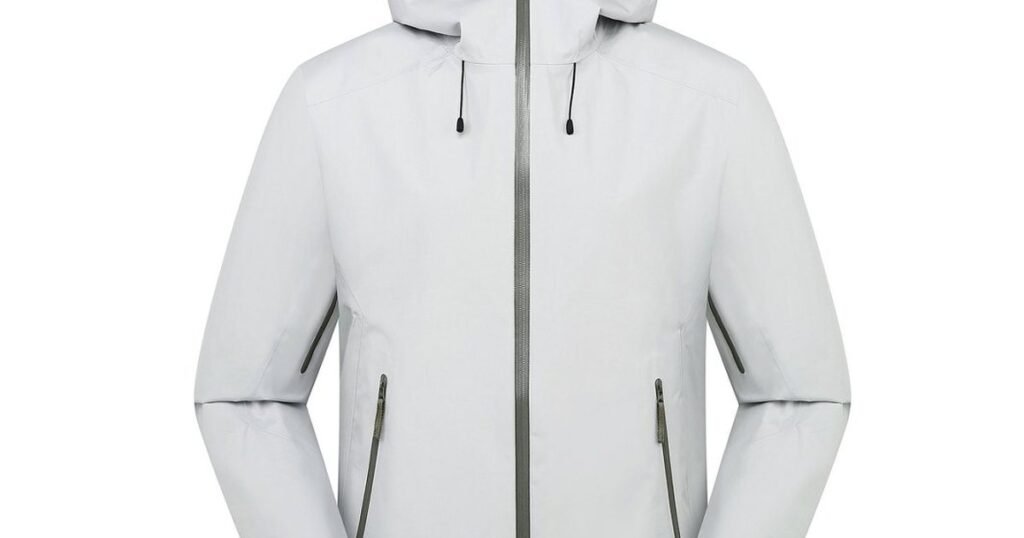
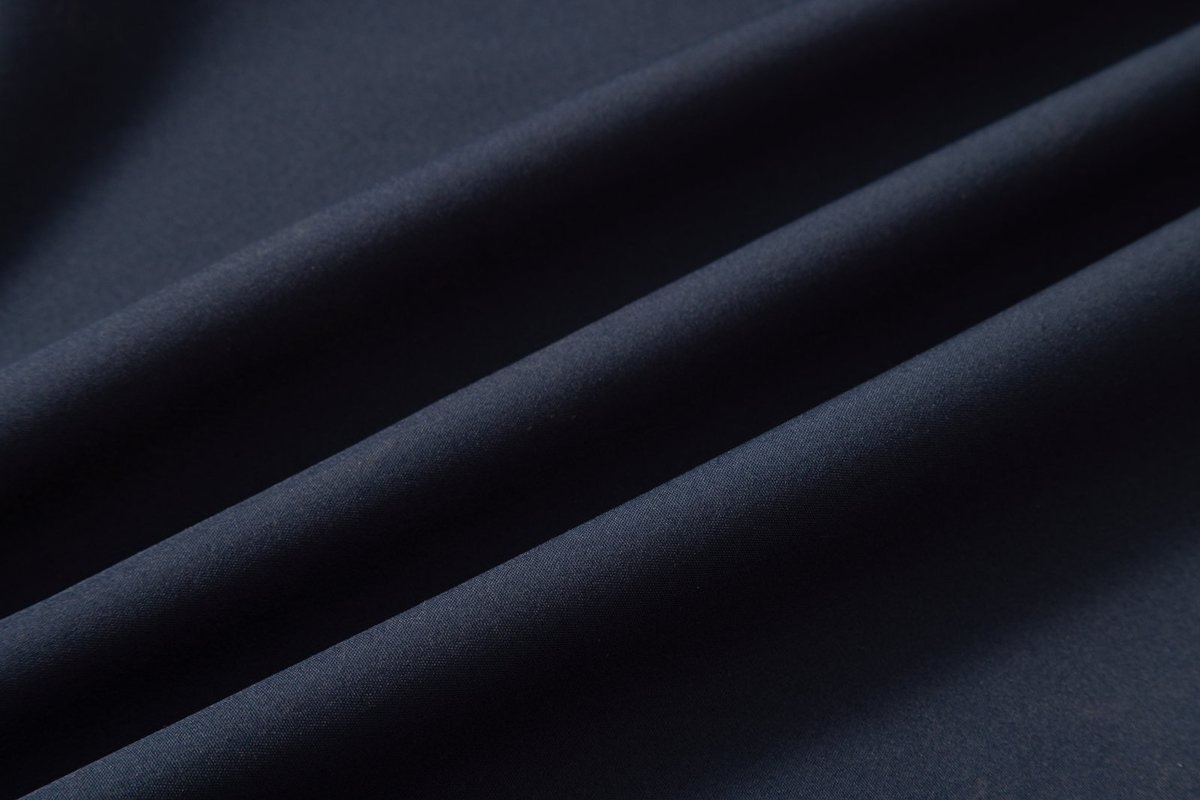
320gsm matte softshell fabric is a mid-heavy bonded textile that sits between a standard 280gsm urban softshell and a heavy 350gsm workwear or ski outer layer. The 320gsm weight gives it enough body to drape cleanly over a midlayer while keeping the jacket flexible for daily movement. A true matte finish removes the shiny, plastic-like sheen found on budget softshells, making it a go-to for premium corporate uniforms, school teamwear, and DTC outdoor brands that want a refined, pre-worn look out of the box.
Three-Layer Construction and Stretch
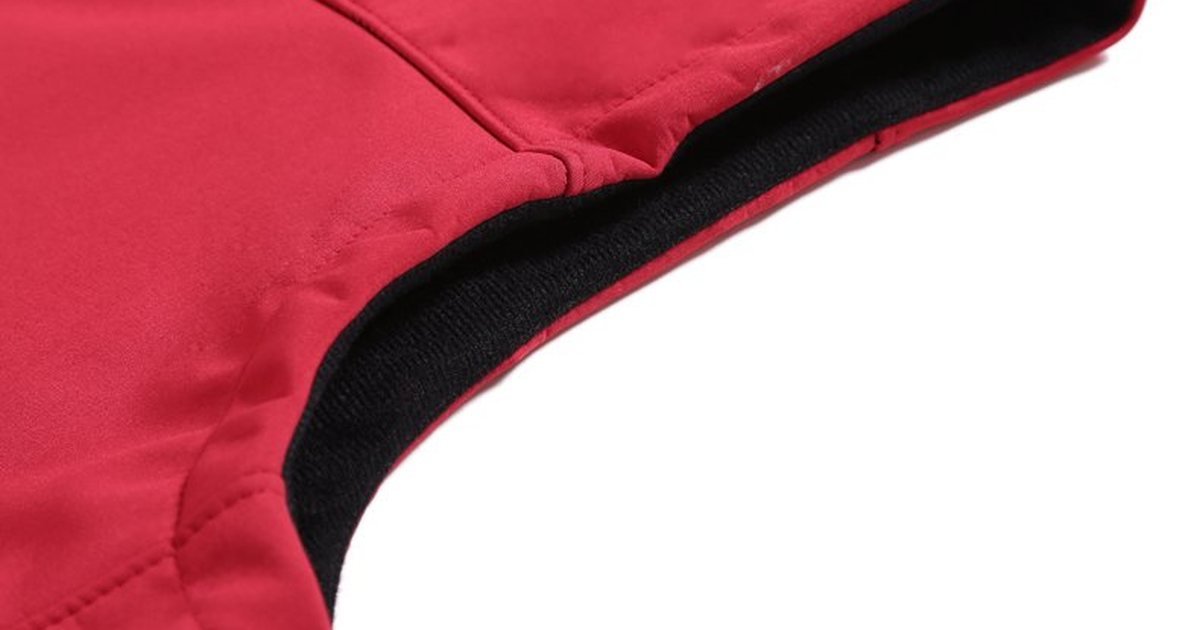
A quality 320gsm softshell uses a 3-layer bonded structure: an outer woven polyester or polyester-spandex face, a breathable TPU or PFC-free membrane, and a brushed micro-fleece inner. According to JB’s Wear (2026), this stack includes four-way stretch and the membrane is directly bonded-not drop-liner sewn-so the jacket moves with the wearer instead of binding at the shoulders.
Matte Finish and Urban Aesthetic
The matte surface comes from a dull-luster polyester yarn and a finishing process that scatters light. Avid Edge (2026) highlights a soft-touch matte finish paired with a warm fleece backing. For buyers, matte means logos and embroidery pop without competing against a shiny fabric, and the jacket photographs well for e-commerce listings without needing heavy retouching.
How 320gsm Softshell Performs: Water, Wind, and Breathability
Most suppliers list “water resistant” or “wind resistant” without citing test methods. As a buyer, you should request the specific lab reports that back those claims. A 320gsm softshell jacket built on a 3-layer bonded membrane typically targets a hydrostatic head of 5,000mm, breathability above 5,000 g/m²/24h, and Martindale abrasion beyond 50,000 cycles to survive daily backpack and seatbelt friction.
What “Water-Resistant” Means in Practice
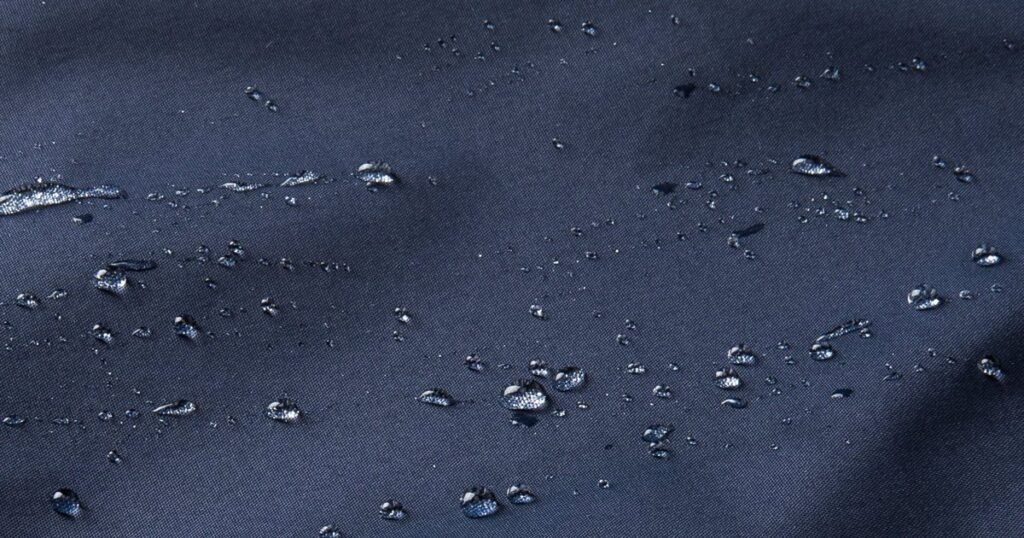
A 5,000mm rating means the fabric resists a column of water 5 metres tall before moisture penetrates. In real-world use, this handles steady rain for roughly 2-3 hours before wet-out. Zinc Group (2026) lists a 320gsm polyester-spandex softshell jacket with a 5,000mm water-resistant rating. For buyers sourcing team jackets that will face a long commute or sideline drizzle, specifying a minimum of 5,000mm and confirming the membrane is bonded-not just a topical DWR-avoids disappointed end users.
Breathability for Active Use
A JIS L1099 A1 breathability target of 5,000 g/m²/24h means sweat vapour can escape without chilling the wearer. For teamwear that will be worn during warm-up drills or light outdoor activity, pairing a 5K breathable membrane with a micro-fleece inner prevents that clammy, sauna-suit feeling. Ask your OEM jacket manufacturing partner for their in-house breathability test results, not just the membrane supplier’s marketing sheet.
320gsm vs 280gsm, 300gsm, and 350gsm Softshell
Choosing the right fabric weight directly affects the jacket’s warmth, structure, and price per unit. The table below puts 320gsm in context for buyers who need to balance performance with budget.
For brands that want a jacket heavy enough to feel premium yet still agile enough for a commute or sideline, 320gsm matte softshell fabric hits the sweet spot. The weight also supports clean embroidery registration and DTG print adhesion better than lighter fabrics that pucker under high stitch counts.
How to Source 320gsm Softshell Jackets: MOQs, Sampling, and Lead Times
When you move from spec sheets to actual orders, the numbers that matter are minimum order quantities, sample turnaround, and per-unit cost at different batch sizes. A factory that offers a low-MOQ softshell jacket manufacturer approach lets you test designs without committing to container loads.
Sample MOQ: 1 piece. Bulk MOQ: 30 pieces per SKU. Sampling time: 7-10 days.
Sampling and Pre-Production
Before placing a bulk order, a sample development run confirms fit, fabric hand, and logo placement on the actual 320gsm matte material. In our 12+ years manufacturing outdoor jackets in Taizhou and Yiwu, we’ve seen that a single pre-production sample with a washed test report catches 90% of fit or finish issues that would otherwise surface after 300 units are in a warehouse. A refundable sample fee against the bulk order keeps the process cash-light for startups.
MOQs and Order Tiers
A 30-piece-per-SKU minimum means a brand launching 3 colourways with a unisex size run of XS-3XL can place a single purchase order of roughly 90 units without breaking MOQ across styles. This tier works for corporate team programs and small DTC drops. For comparison, many large-scale cut-and-sew factories only accept 500-1,000 pieces per PO, which forces smaller buyers to absorb dead stock.
Lead Times and Quality Assurance
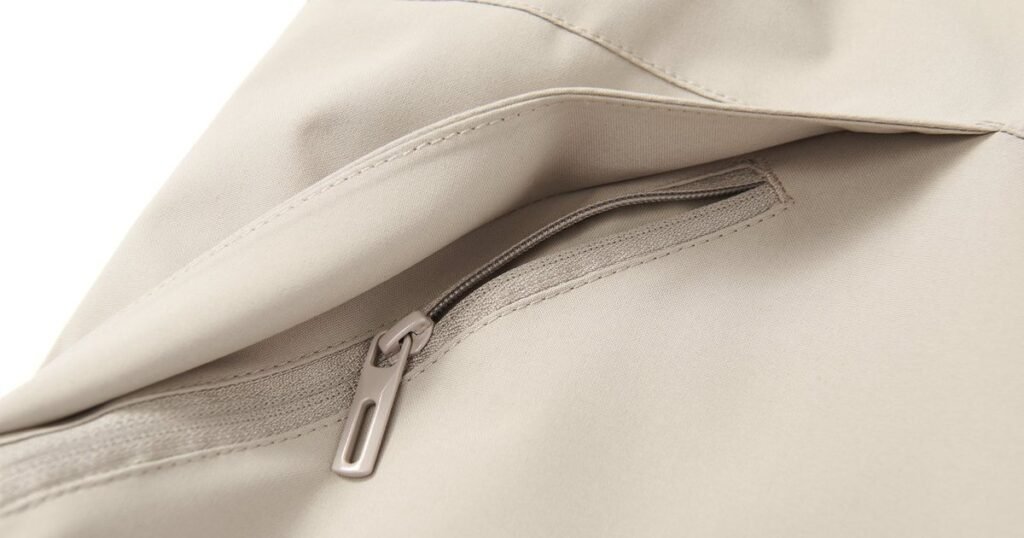
After sample approval, a 30-piece bulk order typically ships in 25-35 working days. Our 3,000m² Sanmen facility runs 20 production lines, which allows us to run small-batch softshell orders alongside larger runs without sacrificing QC. Every order should have a pre-shipment inspection that checks seam strength, zipper function, and waterproof-tape adhesion.
Working with a private-label jacket factory that also handles custom logo embroidery in-house cuts out a separate decoration vendor and reduces lead time by 5-7 days. Embroidery on matte softshell holds tight, clean registration because the dense fabric resists puckering better than lightweight nylons.
Ready to test 320gsm matte softshell fabric for your next jacket collection?
Request 1-piece samples or a fabric swatch set to see the matte finish, 4-way stretch, and fleece backing firsthand.
Get Your Sample Started →
Key Takeaways
- According to Zinc Group (2026), a 320gsm softshell jacket can achieve a 5,000mm water-resistant rating.
- Avid Edge (2026) describes 320gsm softshell fabric as having a soft-touch matte finish with warm fleece backing.
- JB’s Wear (2026) specifies four-way stretch bonding with a membrane and micro fleece in their 320gsm softshell jacket.
- DNC Workwear (2026) lists 320gsm softshell jackets with waterproof performance and sizing up to 8XL.
- Overland Outdoor Adventure (2026) notes a 320gsm softshell with light water repellent and wind resistant finish.
- The Global Recycled Standard (GRS) requires at least 20% recycled content for certified labeling (Textile Exchange, 2025), a growing requirement for teamwear RFPs.
What is 320gsm softshell fabric used for?
320gsm softshell fabric is primarily used for premium corporate teamwear, school uniform jackets, and mid-weight urban outerwear. Its substantial 320g weight provides enough structure for embroidery and print customization while maintaining 4-way stretch. Brands like DNC Workwear and Avid Edge (2026) use 320gsm softshell for waterproof, wind-resistant jackets with soft fleece backing, making it a versatile spec for everyday outdoor use.
Is 320gsm softshell fabric waterproof?
A 320gsm softshell fabric is water resistant, not fully waterproof. According to Zinc Group (2026), jackets made with 320gsm softshell can achieve a 5,000mm hydrostatic head rating, which repels steady rain for about 2 to 3 hours. It uses a bonded TPU or PFC-free membrane between the outer face and fleece lining, but sealed seams are required for true waterproof performance in prolonged downpours.
What does matte softshell fabric mean?
Matte softshell fabric means the outer surface has a non-shiny, low-gloss finish instead of the slick, plastic-like sheen found on cheaper softshells. Avid Edge (2026) highlights a soft-touch matte finish on their 320gsm jackets. This finish scatters light, making logos and embroidery stand out, photographs better for e-commerce, and gives an upscale urban look suitable for corporate branding.
How does 320gsm compare to 300gsm softshell?
320gsm softshell is heavier and more structured than 300gsm. The extra 20 grams per square metre adds warmth, a firmer drape, and better support for embroidery registration. 300gsm works for light business uniforms, while 320gsm is preferred for premium team jackets that need a substantial feel and higher wind resistance. The price difference is typically $1, $3 per jacket at wholesale batch sizes.
Is softshell fabric good for jackets?
Softshell fabric is excellent for jackets that need water resistance, wind protection, and breathability in a flexible, quiet shell. Unlike hardshell rain jackets, softshells stretch and breathe, making them ideal for active commutes, team warm-ups, and everyday corporate outerwear. A 320gsm matte softshell balances rugged weather resistance with a clean, professional appearance that works for logos and embroidery.