A ski jacket faces something a rain jacket usually doesn’t: the wearer sits, kneels, and falls in wet snow, pressing saturated fabric against the body under load. That changes the waterproof rating you should spec. This guide covers what the number needs to be for snow and how to balance it against breathability. (For the underlying scale, start with waterproof rating explained.)
Why Snow Demands More Than Rain
Snow itself isn’t the problem — it’s snow under pressure. When a skier sits on a lift, kneels to adjust bindings, or falls and slides, body weight drives melted snow against the fabric at far higher pressure than falling rain. A rating that shrugs off a rainstorm can wet through at the seat and knees of a ski jacket.
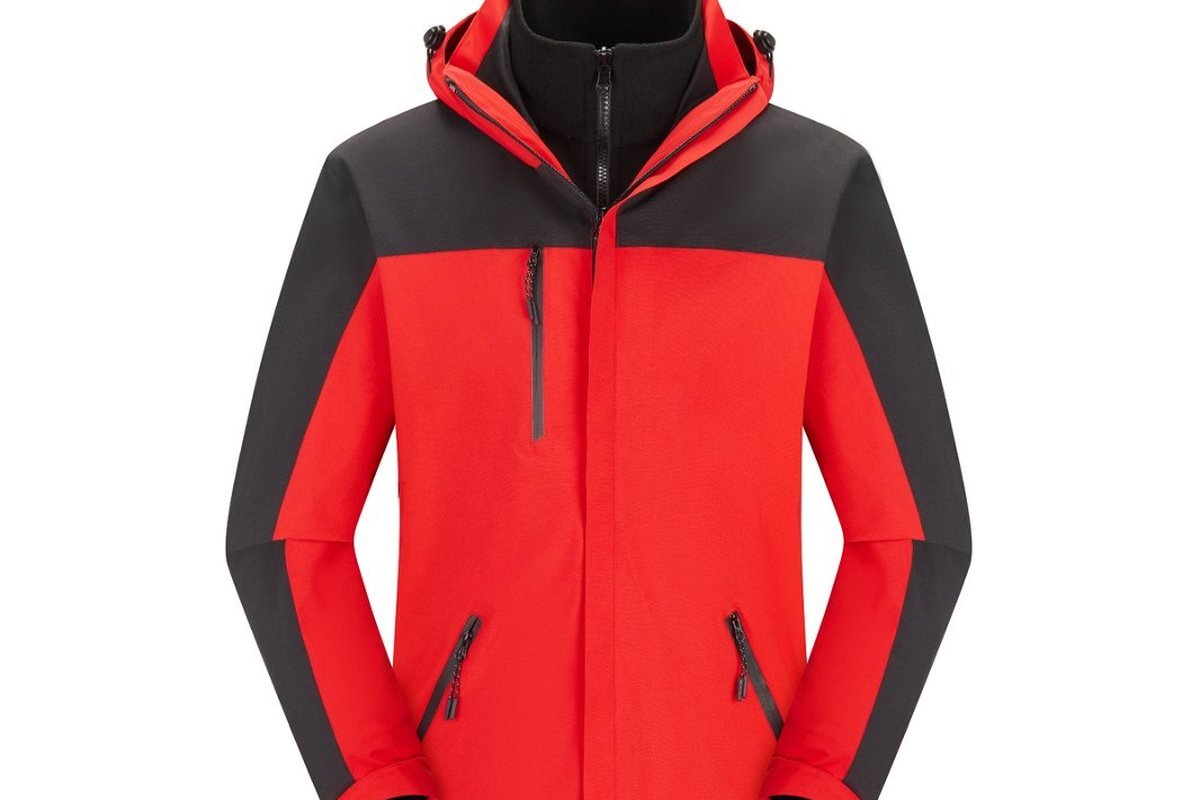
That’s why ski outerwear is spec’d higher than general rain shells. The pressure points, not the volume of water, set the requirement.
The Rating to Spec for Ski
| Use | Waterproof rating | Why |
|---|---|---|
| Resort / casual, mostly upright | 10,000mm | Handles lift sitting and light falls |
| All-mountain, regular falls | 15,000mm | Withstands kneeling and seated pressure on wet snow |
| Backcountry / hard-charging | 20,000mm+ | Long exposure, deep snow, sustained pressure |
For most ski lines, 15,000mm is the sweet spot — enough for the seat-and-knee pressure of real skiing without the cost of expedition-grade fabric. Resort-only jackets can sit at 10,000mm. The full 10K-vs-20K trade-off is covered in 10,000mm vs 20,000mm.
Don’t Forget Breathability — Skiing Is High-Output
Skiing generates heat. Hike to a run, skin uphill, or just ski hard and the body produces sweat that has to escape, or it condenses inside the jacket and freezes the wearer on the lift. A waterproof ski jacket that can’t breathe is miserable.
Spec the breathability (MVTR / RET) alongside the waterproof rating — aim for 10,000 g/m²/24h or higher for active skiing, and add pit zips for mechanical venting on the climbs. See breathability ratings explained and waterproof vs breathable.
Insulation and Construction Notes
- Insulated vs shell: resort jackets often run insulated; touring jackets favor a breathable shell with layering. Synthetic insulation holds warmth when damp better than down — see synthetic insulation vs down in cold-wet conditions.
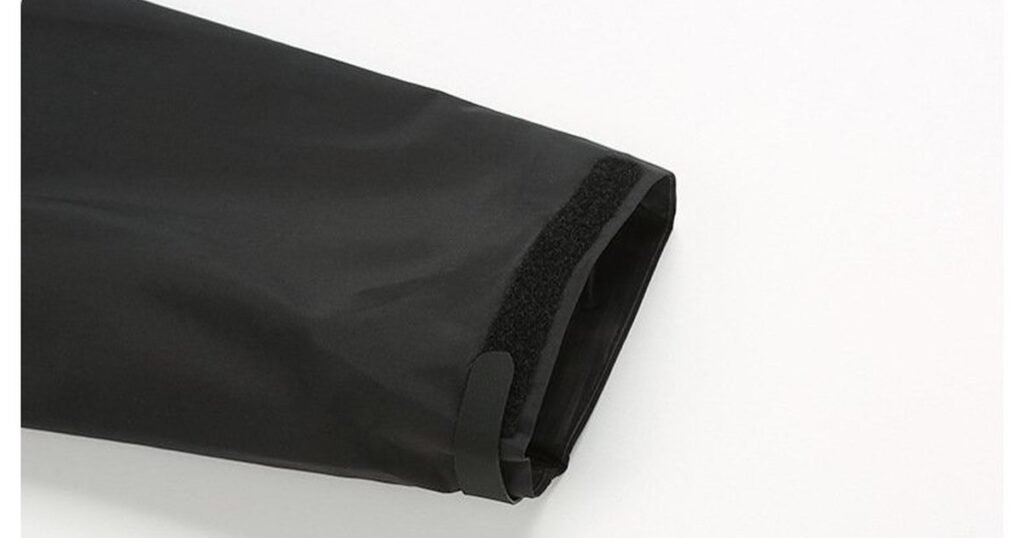
- Sealed seams and a powder skirt matter as much as the mm rating for keeping snow out.
- Reinforced seat and knees at the high-pressure zones extend the life of the waterproofing.
How to Spec Ski Outerwear for OEM
In the tech pack, state together: waterproof rating (e.g. 15,000mm, ISO 811), breathability (MVTR), insulation type and weight, and which seams are sealed. A factory that reports each with test data — not just the marketing number — is the one to trust for ski product. We build ski and snow outerwear to spec with low MOQs and sample-first development.
FAQ
How waterproof should a ski jacket be?
15,000mm suits most all-mountain skiing; 10,000mm is fine for resort-only, and 20,000mm+ for backcountry and hard use. Snow under pressure needs more than rain.
Is 10,000mm enough for skiing?
For casual resort days mostly upright, yes. For regular falls and seated time on wet snow, step up to 15,000mm.
Does a ski jacket need to breathe?
Yes — skiing is high-output. Pair the waterproof rating with a 10,000 g+ breathability rating and pit zips, or sweat condenses inside.
Building a ski or snow outerwear line? We’ll spec the rating, breathability, and insulation with you and prove it on a sample. Start a project →