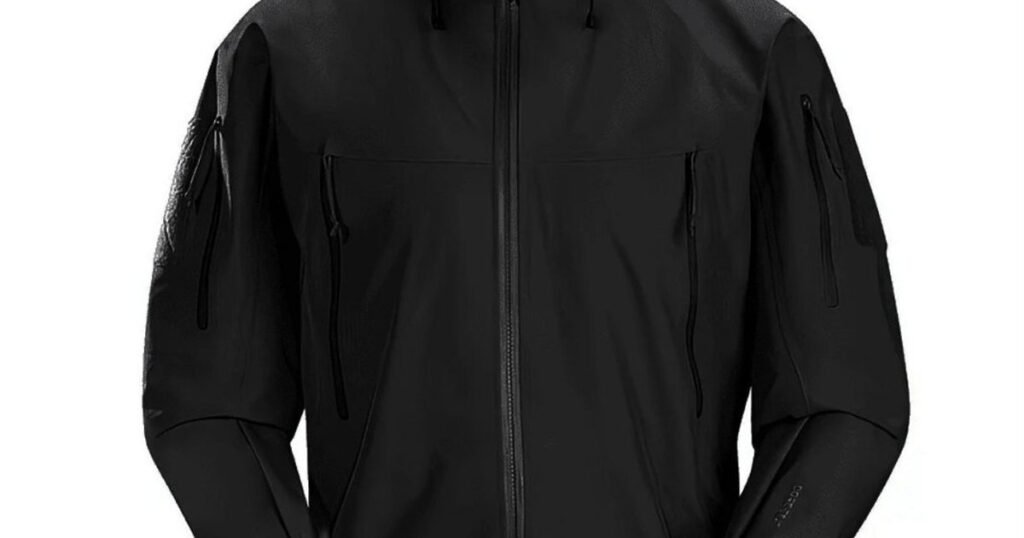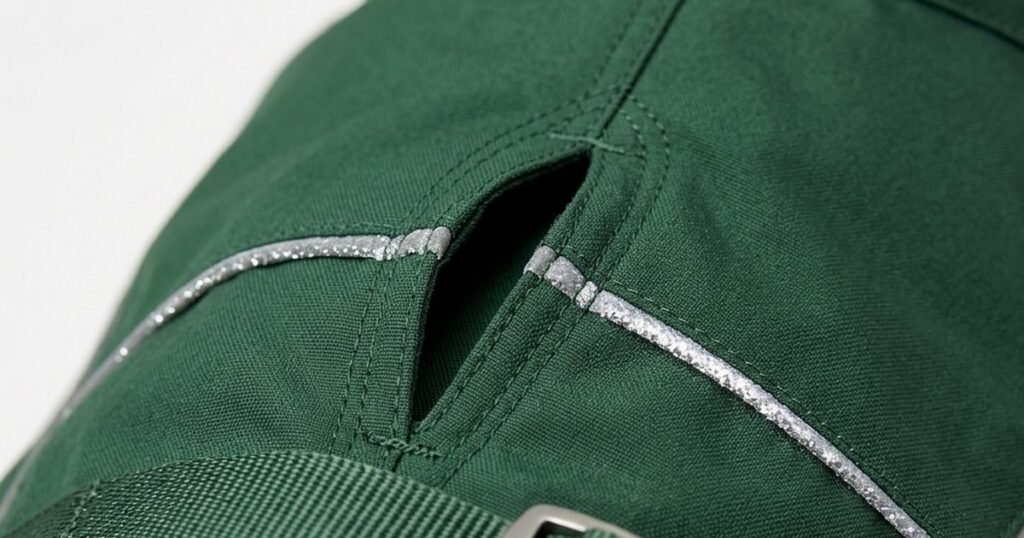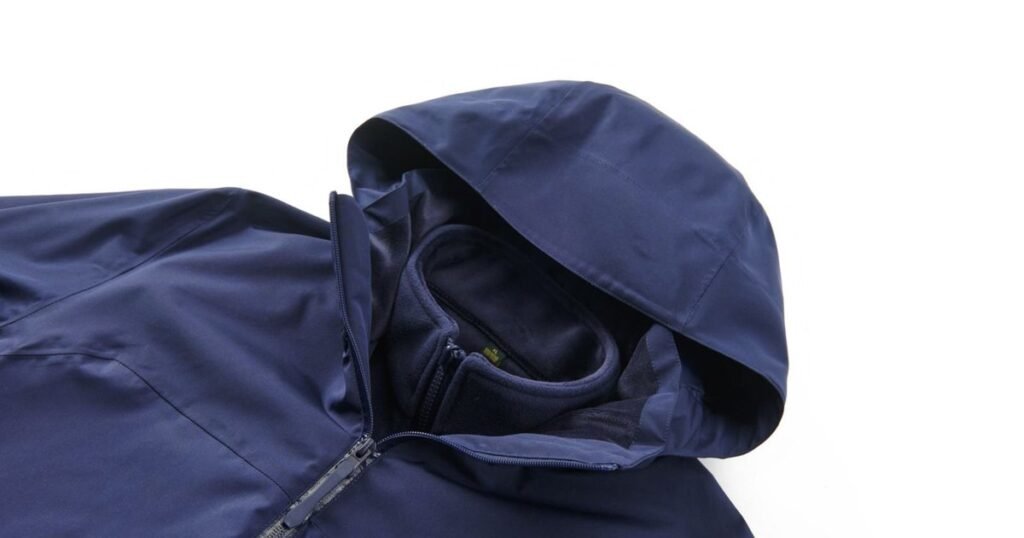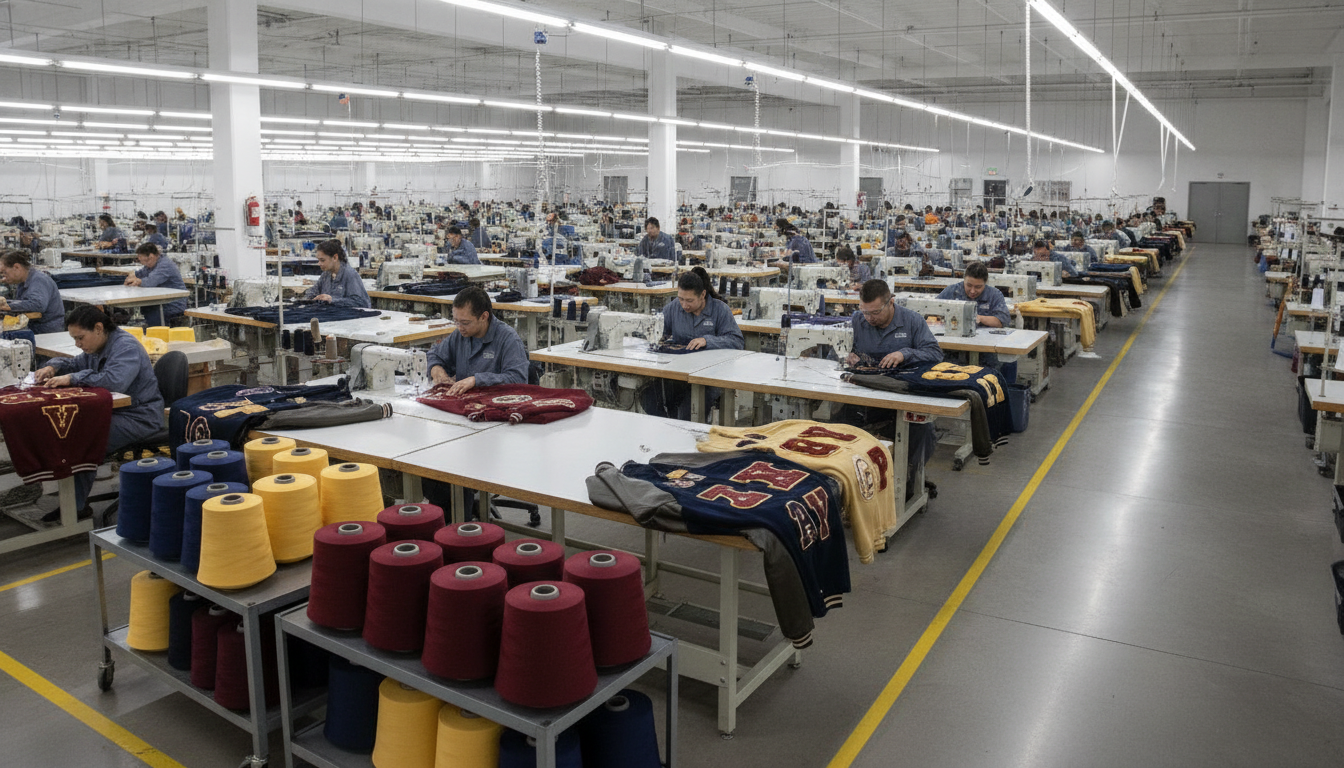
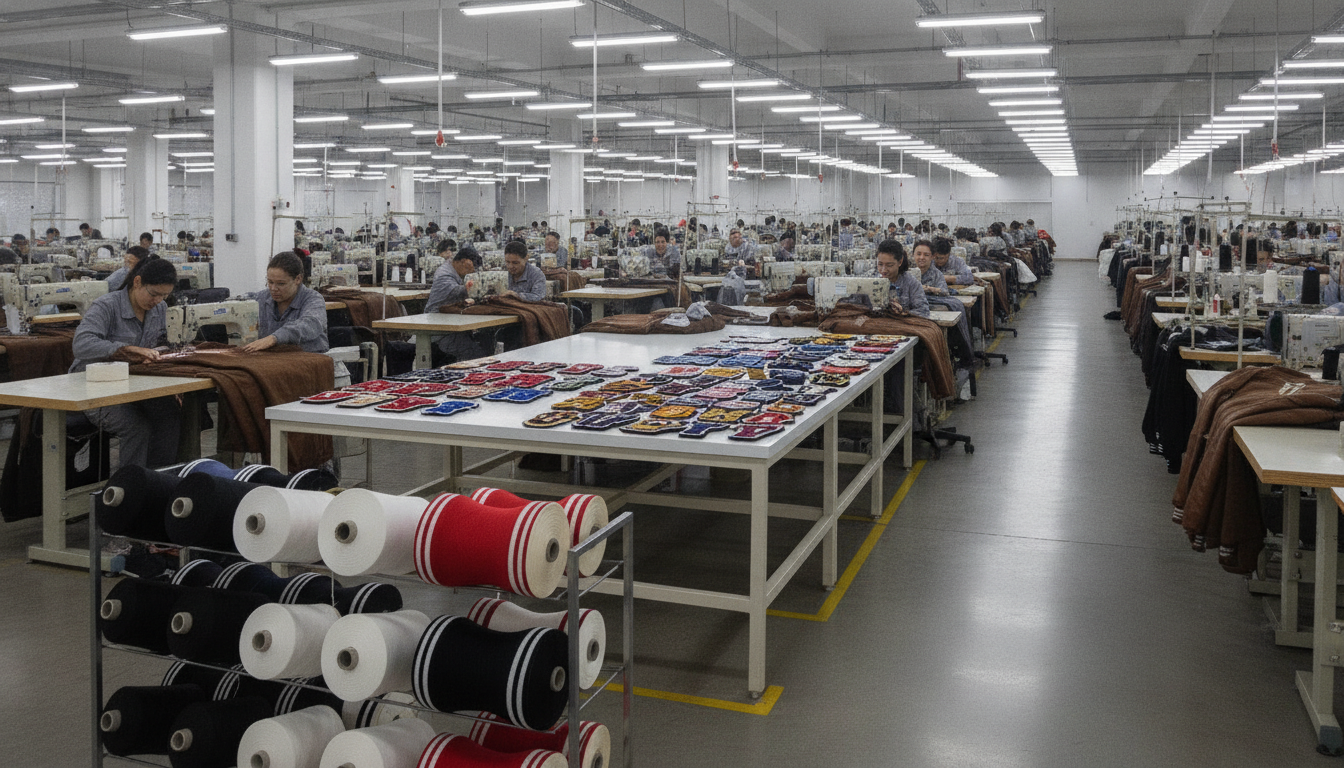
A letterman jacket manufacturer produces custom varsity jackets with wool bodies, leather sleeves, rib-knit collars and cuffs, chenille patches, and embroidered logos for schools, sports teams, and apparel brands. PTOUTWEAR offers 1-piece sample MOQ, 30-piece bulk MOQ per SKU, and 7-10 day sampling from our 3,000m² Taizhou Sanmen facility with 240 workers and 20 production lines.
📋 Table of Contents
Key Takeaways
- Letterman jackets combine wool bodies with leather sleeves, rib-knit trim, and chenille patches, requiring factories with specialized cut-and-sew and embroidery capabilities.
- Sample MOQ of 1 piece and bulk MOQ of 30 pieces per SKU enable small brands and school programs to validate fit and design before committing to large orders.
- Seven to ten day sampling and 25-35 day bulk production timelines allow buyers to meet school season deadlines and event schedules without extended lead times.
- Material durability hinges on wool-blend weight, leather abrasion resistance, and colorfast dyeing, all verified through pre-production samples and third-party testing.
- Customization spans chenille patch application, embroidered logos, screen-printed graphics, and lining personalization, each requiring different decoration methods and lead-time adjustments.
- ISO 9001, SGS, and PFC-Free DWR certifications confirm factory quality systems and chemical compliance, while OEKO-TEX and BSCI remain pending for many suppliers.
What Defines a Letterman Jacket Manufacturer?
A letterman jacket manufacturer specializes in producing varsity-style outerwear with wool or wool-blend bodies, genuine or synthetic leather sleeves, rib-knit collars and cuffs, snap-button closures, and customizable chenille patches. The factory must handle multi-material cutting, leather-to-fabric seaming, patch attachment, and embroidery or screen-printing decoration in-house or through audited subcontractors.
Core Construction Components
Traditional letterman jackets use a 24-32 oz melton wool body for warmth and structure, paired with cowhide or split leather sleeves that resist abrasion. Rib-knit trim at the collar, cuffs, and waistband provides elasticity and a snug fit. Snap buttons or metal snaps secure the front closure, while welt pockets and interior chest pockets add functionality.
In-House vs. Outsourced Decoration
Factories with in-house embroidery machines and chenille-patch application lines deliver faster turnaround and tighter quality control. Outsourced decoration adds 5-7 days to sampling and introduces coordination risk. PTOUTWEAR operates 20 production lines with integrated cut-and-sew and decoration, reducing handoff delays.
Compliance and Traceability
School and corporate buyers increasingly require chemical-compliance proof. ISO 9001 and SGS certifications confirm documented quality systems and material testing. PFC-Free DWR coatings meet environmental standards for water-resistant finishes. OEKO-TEX Standard 100 and BSCI are pending for many suppliers, not yet held.
How Do You Verify Production Capability Before Ordering?
Request a 1-piece pre-production sample with your exact material spec, patch placement, and embroidery artwork. This sample reveals seam quality, leather-to-fabric join strength, patch adhesion, and color accuracy before bulk production begins.
Sample-Development Checkpoints
- Material swatch submission: Factory sends physical swatches of proposed wool blend, leather grade, and rib-knit trim for tactile evaluation and color matching.
- Pattern grading proof: Verify that size-run grading maintains proportional sleeve length, body width, and armhole depth across XS to 3XL.
- Decoration mock-up: Review digital or physical mock-up of chenille patch placement, embroidered logo positioning, and any screen-printed graphics before sample production.
- Seam-strength test: Pull-test leather-to-fabric seams and rib-knit attachment points on the sample to confirm they withstand typical wear stress.
Many buyers discover that samples pass inspection but bulk orders drift in material weight or patch quality. Sample development locks in the approved spec as the reference standard for production QC.
Factory Audit and Certification Verification
Request copies of ISO 9001, SGS, and any OEKO-TEX or BSCI certificates. Cross-check certificate numbers on issuing-body websites to confirm validity. Factories claiming certifications they have not yet earned introduce compliance risk for school and corporate uniform programs.
Production-Capacity Confirmation
Ask for current monthly output in letterman jackets specifically, not general apparel volume. A factory running 200,000 pieces per year across all categories may allocate only 20-30,000 to varsity jackets, affecting your order priority during peak school-season months.
What Material Specs Matter for Durability and Branding?
Wool-blend weight, leather abrasion resistance, and colorfast dyeing determine whether a letterman jacket survives four years of school wear or fades and tears within one season.
Wool-Blend vs. All-Wool Trade-Offs
All-wool melton offers premium warmth and traditional hand-feel but costs 20-30% more than 80/20 wool-polyester blends. Polyester content improves wash durability and reduces shrinkage, making blends practical for school programs that launder jackets frequently. Specify the blend ratio and weight in your tech pack to avoid substitution during production.
Leather-Grade Selection
Full-grain cowhide delivers the longest wear life but adds cost. Split leather or bonded leather reduces price by 30-40% while maintaining the classic varsity aesthetic. Synthetic leather (PU or PVC) eliminates animal-product concerns and simplifies care but may crack after 12-18 months of heavy use.
Colorfast Dyeing and Patch Adhesion
Rib-knit trim and wool bodies must pass AATCC 61 (colorfastness to laundering) and AATCC 16 (colorfastness to light) to prevent fading and color transfer. Chenille patches require lock-stitch or zig-zag attachment, not just adhesive, to survive repeated washing. Request a wash-cycle test on your pre-production sample.
How Do MOQ and Lead Times Affect Small Brands and Schools?
High minimum order quantities tie up cash and create inventory risk for startup brands and small school programs. Long lead times miss event deadlines and school-season windows.
Sample MOQ: 1 piece. Bulk MOQ: 30 pieces per SKU. Sampling time: 7-10 days. Bulk production: 25-35 days.
MOQ Impact on Startup Brands
A low-MOQ jacket manufacturer allows DTC outdoor founders to test three colorways with 30 units each (90 total) rather than committing 300 pieces to a single untested design. This reduces upfront investment and accelerates market feedback. Factories demanding 100-piece minimums per SKU force brands to carry excess stock or limit SKU count.
School-Season Deadline Pressure
School letterman-jacket orders peak in August and September for fall delivery. Buyers ordering in late July face a compressed timeline. Seven to ten day sampling plus 25-35 day production fits within an 8-week window if the factory prioritizes the order. Factories quoting 6-8 week bulk lead times risk missing the season entirely.
Rush Production and Surcharge Structure
PTOUTWEAR offers a rush option for 1,000 pieces in 2 weeks at a 25% surcharge, suitable for corporate events or emergency school orders. Smaller rush orders (under 500 pieces) may incur higher per-unit premiums or require air freight, adding $3-5 per jacket to landed cost.
DDP Shipping and Customs Clearance
DDP (Delivered Duty Paid) shipping transfers customs, duties, and last-mile delivery to the factory, simplifying budgeting for buyers unfamiliar with import procedures. This service adds 7-10% to FOB cost but eliminates surprise fees and clearance delays at the destination port.
What Customization Options Should You Expect?
Letterman jacket customization spans material selection, decoration methods, and branding details. Each choice affects cost, lead time, and design flexibility.
Chenille Patch Application
- Standard felt-backed patches: School letters and numbers in single or two-color chenille, lock-stitched to the chest or sleeves. Lead time adds 3-5 days for patch production and attachment.
- Custom-shaped patches: Mascot logos or intricate designs require die-cutting and multi-color chenille, adding 5-7 days and $2-4 per patch depending on complexity.
- Heat-press vs. sewn attachment: Heat-press patches reduce labor cost but may lift after repeated washing. Sewn attachment (lock-stitch or zig-zag) ensures long-term durability for school programs.
Embroidery and Screen Printing
Embroidered logos on the chest, sleeves, or back yoke add $3-8 per jacket depending on stitch count and color changes. Screen printing works well for large back graphics and multi-color designs but requires minimum quantities (often 50-100 pieces per design) to amortize screen setup costs. Custom logo service includes digitization, sample proof, and production embroidery or printing.
Lining and Interior Personalization
Quilted polyester lining adds warmth and structure. Satin or mesh lining reduces weight for milder climates. Interior chest pockets can carry embroidered names, graduation years, or team rosters, popular for school senior jackets. Each interior customization adds 1-2 days to production and $2-5 per unit.
Hardware and Trim Upgrades
Metal snap buttons, YKK zippers, and striped rib-knit trim elevate perceived quality. Buyers can specify button color (silver, gold, black) and rib-knit stripe patterns (single-stripe, double-stripe, solid) at no additional cost when ordering 100+ units. Smaller orders may incur $0.50-1.00 per jacket for non-standard hardware.
Buyers frustrated by generic wholesale offers that provide little proof of quality standards or sample control can request ISO 9001 and SGS certificates, along with a 1-piece sample, to verify factory capability before committing to bulk orders. Our OEM jacket manufacturing process includes material swatch approval, pre-production sample sign-off, and during-production inspection checkpoints.
FAQ
How much does a custom letterman jacket cost per unit?
Custom letterman jacket cost depends on material grade, decoration complexity, and order quantity. A basic wool-blend body with leather sleeves, standard chenille patch, and embroidered logo typically ranges $45-75 FOB for orders of 100-300 units, $35-55 FOB for 500+ units, and $65-95 FOB for 30-50 unit startup runs. Premium all-wool melton, full-grain leather, and multi-color custom patches add $15-25 per jacket. Sampling costs $100 per piece, refundable against bulk orders. DDP shipping adds 7-10% to FOB pricing.
What is the difference between a varsity jacket and a letterman jacket?
Varsity jacket and letterman jacket are interchangeable terms for the same garment: a wool-body, leather-sleeve jacket with rib-knit trim and snap-button closure, originally awarded to high-school and college athletes. The term letterman jacket emphasizes the chenille letter patch traditionally worn on the chest, while varsity jacket highlights the athletic team association. Both describe identical construction and customization options. Some buyers use varsity jacket for fashion or corporate versions without letter patches, but manufacturers treat the terms as synonyms.
Can you order letterman jackets with embroidered names on the sleeves?
Embroidered names, numbers, and graduation years on sleeves, chest, or back yoke are standard customization options for letterman jackets. Individual name embroidery adds $3-6 per jacket depending on character count and thread color changes. Schools and teams typically provide a roster spreadsheet with names and numbers, which the factory digitizes and embroiders during production. Lead time increases by 2-3 days for orders with individual personalization compared to bulk logo-only runs. Minimum order quantities for personalized embroidery are usually 30 pieces.
Ready to source letterman jackets with verified material specs, 1-piece sampling, and 30-piece bulk MOQ?
Request Samples and Tech Pack →
Written by Ivan Chen, Sales Engineer at PTOUTWEAR, 13 years in outdoor apparel manufacturing.