📋 Table of Contents
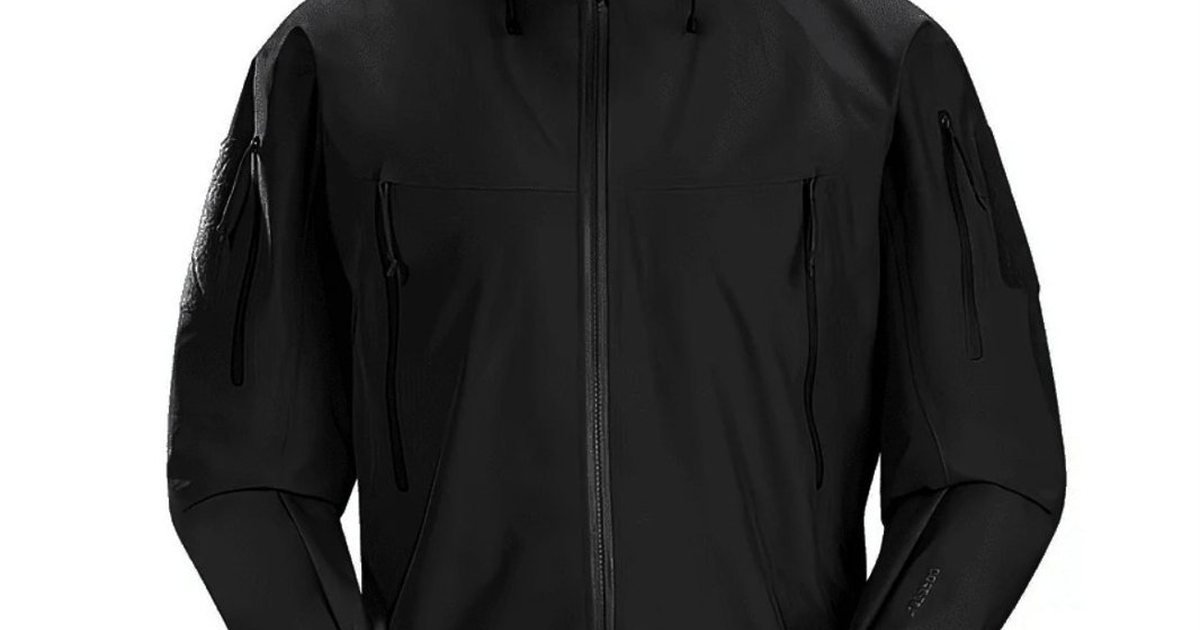
Finding a 100 piece MOQ hardshell jacket manufacturer that delivers consistent waterproofing, breathable construction, and predictable lead times separates brands that scale from those stuck in sampling limbo. Most outdoor jacket factories set minimums at 300-500 units per style, locking up significant cash before market validation. European outdoor brands launching technical outerwear need production partners who can support smaller batch sizes while maintaining the seam-sealing quality and membrane performance buyers expect from hardshell gear.
Executive Summary
- Sample MOQ: 1 piece at most technical outerwear manufacturers, with sample fees ranging from $80-$150 per jacket refundable against bulk orders.
- Bulk production MOQ: 30 pieces per SKU at OEM jacket manufacturing facilities specializing in low-volume technical production, compared to 300-500 at traditional factories.
- Waterproof-breathable membrane standards: OEKO-TEX Standard 100 testing screens textiles against more than 1,000 harmful substances before certification.
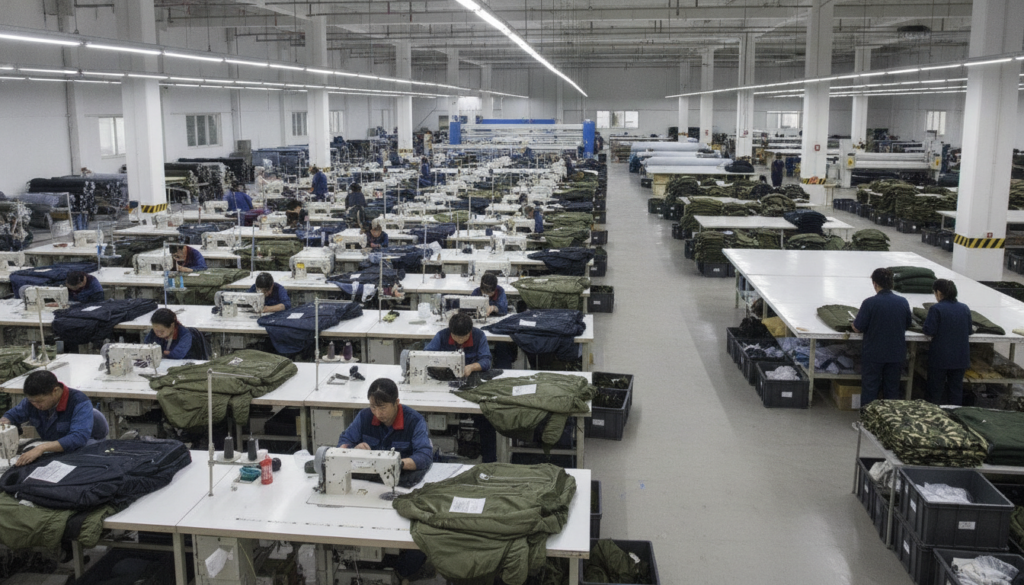
- Production capacity: 200,000 pieces per year across 20 production lines in a 3,000m² facility with in-house seam-sealing and quality control.
- Lead time for 100-piece orders: 7-10 days for pre-production samples, 25-35 days for bulk production including seam-sealing and final inspection.
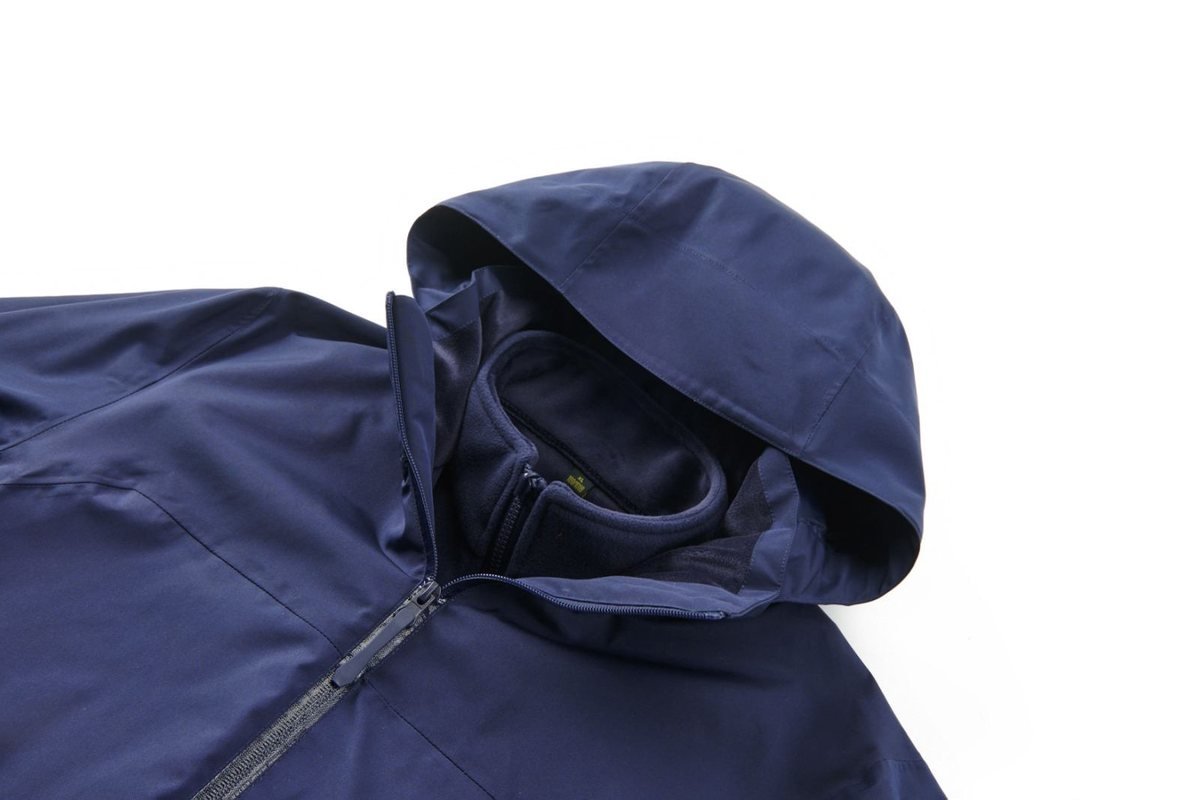
Why 100-Piece MOQ Matters for Hardshell Jackets
Technical outerwear carries higher per-unit costs than softshell or windbreaker styles. Waterproof-breathable membranes, taped seams, and PFC-free DWR treatments add complexity that traditional garment factories avoid at small volumes. A 100-piece order threshold lets outdoor brands test colorways, validate sizing across customer segments, and gather field feedback without the $15,000-$25,000 inventory commitment of a 500-unit minimum.
Cash Flow Impact for Emerging Brands
A typical 100-piece hardshell jacket order at $28-$42 FOB per unit ties up $2,800-$4,200 in production costs, compared to $8,400-$21,000 for a 300-piece minimum. Brands operating on seed funding or early revenue can allocate the difference to customer acquisition, field testing, or additional style development. Factories that accommodate 100-unit runs enable faster iteration cycles between product launches.
Market Validation Before Scale
Outdoor brands launching direct-to-consumer channels need sell-through data before committing to deeper inventory. A 100-piece test run across two colorways (50 units each) provides statistically relevant conversion data, return rates, and customer feedback on fit and performance. Brands can adjust membrane breathability, adjust pit-zip placement, or refine hood construction based on actual field use before scaling to 300-500 units.
Seasonal Flexibility
European outdoor seasons shift rapidly. A wet autumn in the UK drives different hardshell demand than a dry winter in southern France. Smaller production batches let brands respond to regional weather patterns, restocking high-demand SKUs mid-season without overcommitting warehouse space to slow-moving inventory.
Cost Breakdown: What to Expect at 100 Units
Hardshell jacket pricing at 100 pieces reflects fabric grade, membrane type, seam-sealing method, and factory efficiency. Understanding each cost driver helps brands negotiate realistic FOB pricing and avoid factories that quote low but deliver inconsistent waterproofing.
Fabric and Membrane Selection
Two-layer waterproof-breathable constructions (shell fabric + membrane laminate) cost $4.20-$6.80 per meter at 100-piece volumes. Three-layer laminates (shell + membrane + tricot backer fused) run $7.50-$11.20 per meter but eliminate the need for a separate mesh lining, reducing assembly time. Brands prioritizing packability choose 2L; those optimizing durability for alpine use select 3L.
Seam-Sealing Labor
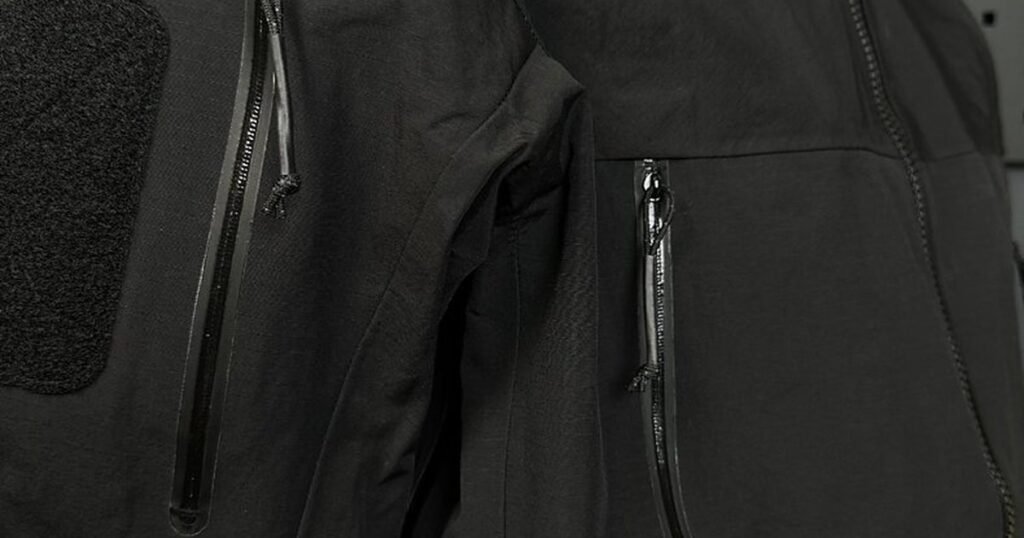
Fully taped seams require hot-melt tape application on every stitched seam, adding $2.80-$4.50 per jacket in labor and materials. Critically taped seams (shoulder, hood, pocket flaps only) reduce this to $1.20-$2.10 but leave underarm and side seams vulnerable to moisture ingress during sustained rain. A common complaint buyers raise is that breathable rain jackets wet out at untaped seams, creating the clammy feeling users associate with failed waterproofing.
PFC-Free DWR Treatment
PFC-free durable water repellent coatings cost $0.60-$1.10 per jacket in chemical and application fees. Traditional C8 DWR treatments (now restricted under EU REACH regulations) performed better initially but carried environmental persistence concerns. Modern C0 DWR formulations require more frequent reapplication by end users but meet European chemical safety standards without compromise.
Waterproof-Breathable Specs That Actually Work
Hardshell performance comes down to three measurable properties: waterproof rating (hydrostatic head), breathability (moisture vapor transmission rate), and DWR durability. Factories that skip third-party testing deliver jackets that fail in the field, damaging brand reputation faster than any marketing can repair.
Hydrostatic Head Testing
A waterproof rating of 10,000mm means the fabric can withstand a 10-meter column of water before leaking. European outdoor users expect minimums of 10,000mm for day hiking, 15,000mm for multi-day trekking, and 20,000mm+ for alpine or ski touring. Factories should provide SGS or Intertek test reports showing actual hydrostatic head values, not marketing claims.
MVTR and Real-World Breathability
Moisture vapor transmission rate (MVTR) measures how many grams of water vapor pass through one square meter of fabric in 24 hours. A rating of 10,000g/m²/24hr supports moderate activity; 15,000g+ handles high-output use like trail running or ski touring. Without pit zips, a waterproof jacket becomes hot during strenuous activity regardless of MVTR, because the DWR-treated shell fabric traps heat even when the membrane breathes.
Common failure mode: A waterproof jacket is only breathable while its DWR keeps the face fabric from wetting out. Once the shell saturates, moisture vapor cannot escape and the wearer feels clammy and wet even though the membrane itself has not leaked.
Ventilation Design
Pit zips, back vents, or chest zips provide mechanical ventilation that compensates for membrane breathability limits during high-output activity. A low MOQ jacket manufacturer offering 100-piece runs should accommodate these design features without upcharges, since the pattern work and zipper insertion add minimal per-unit cost at any volume.
Production Timeline from Sample to Shipment
Lead time predictability matters as much as MOQ flexibility. Brands launching seasonal collections need fixed delivery windows to coordinate marketing, photography, and retail partnerships. A 100 piece MOQ hardshell jacket manufacturer should provide milestone-based timelines with buffer for fabric delays or seam-sealing rework.
Fabric Lead Time Variables
Waterproof-breathable membranes require lamination to shell fabric, a process that adds 5-8 days compared to woven or knit fabrics used in softshell jackets. Mills batch lamination runs to amortize setup costs, so 100-piece orders may wait for the mill to accumulate enough meterage across multiple brands. Factories with strong mill relationships can negotiate priority lamination for a $0.40-$0.80 per meter surcharge.
Seam-Sealing Bottlenecks
Seam-sealing machines process 8-12 meters of tape per minute. A hardshell jacket with 18 meters of seams (shoulder, underarm, side, hood, pocket flaps) requires 90-135 seconds of machine time per unit. At 100 pieces, that’s 150-225 minutes of dedicated seam-sealing labor, creating a production bottleneck if the factory runs multiple orders simultaneously. Brands should confirm the factory owns dedicated seam-sealing equipment rather than outsourcing to a subcontractor.
Repeat Order Acceleration
Second and third production runs of the same style drop lead time to about 3 weeks because fabric specs, patterns, and seam-sealing procedures are already documented. Factories store approved samples and cutting dies, eliminating the pre-production phase entirely. Brands planning seasonal restocks should negotiate repeat-order pricing and lead times during the initial contract.
Key Takeaways
- Sample MOQ: 1 piece at technical outerwear manufacturers, with $100 sample fees refundable against bulk production orders of 30+ units per SKU.
- Bulk production MOQ: 30 pieces per SKU at private label facilities specializing in low-volume hardshell production, compared to 300-500 at traditional factories.
- OEKO-TEX Standard 100: Testing screens textiles against more than 1,000 harmful substances before certification, ensuring European chemical safety compliance.
- Hydrostatic head minimums: 10,000mm for day hiking, 15,000mm for multi-day trekking, and 20,000mm+ for alpine or ski touring in European conditions.
- Lead time for 100-piece orders: 7-10 days for pre-production samples, 25-35 days for bulk production including fabric lamination, seam-sealing, and final AQL 2.5 inspection.
- PFC-free DWR cost: $0.60-$1.10 per jacket in chemical and application fees, meeting EU REACH regulations without environmental persistence concerns.
FAQ
What is the MOQ for custom hardshell jackets?
Sample MOQ is 1 piece at most technical outerwear manufacturers, with a $100 sample fee refundable against bulk orders. Bulk production MOQ ranges from 30 pieces per SKU at specialized low-volume facilities to 300-500 pieces at traditional garment factories. The 30-piece threshold enables outdoor brands to test colorways and gather field feedback without tying up $15,000-$25,000 in inventory.
Can I order 100 pieces of hardshell jackets from a manufacturer?
Yes, factories specializing in technical outerwear production accommodate 100-piece orders across multiple SKUs. A typical 100-unit run might split into three colorways (30/30/40 pieces) to test market preference before scaling. Lead time is 25-35 days including fabric lamination, seam-sealing, and final inspection. Pricing ranges from $32-$48 FOB per unit depending on membrane grade and seam-sealing method.
How much does it cost to manufacture a custom hardshell jacket?
FOB pricing for 100-piece hardshell jacket orders ranges from $32-$48 per unit. Cost drivers include waterproof-breathable membrane grade ($4.20-$11.20 per meter), seam-sealing method (fully taped adds $2.80-$4.50 per jacket), and PFC-free DWR treatment ($0.60-$1.10 per unit). Sample development costs $100 per piece, refundable against bulk orders of 30+ units.
What fabrics are used for hardshell jackets?
Hardshell jackets use waterproof-breathable membranes laminated to nylon or polyester shell fabrics. Two-layer constructions (shell + membrane) cost $4.20-$6.80 per meter and require a separate mesh lining. Three-layer laminates (shell + membrane + tricot backer fused) run $7.50-$11.20 per meter but eliminate lining assembly. All constructions require PFC-free DWR treatment to maintain breathability and prevent face-fabric wet-out.
How long does custom hardshell jacket production take?
Pre-production samples require 7-10 days from tech pack approval. Bulk production of 100 pieces takes 25-35 days, broken into fabric procurement (12-18 days), cutting and assembly (10-14 days), and final inspection (3-5 days). Repeat orders of approved styles drop to about 3 weeks because patterns and seam-sealing procedures are already documented. Fabric lamination adds 5-8 days compared to non-technical garments.
Ready to source hardshell jackets from a 30-piece MOQ with predictable lead times and verified waterproof specs?
Request 1-piece samples and bulk pricing →
Written by Ivan Chen, Sales Engineer at PTOUTWEAR – 13 years in outdoor apparel manufacturing.