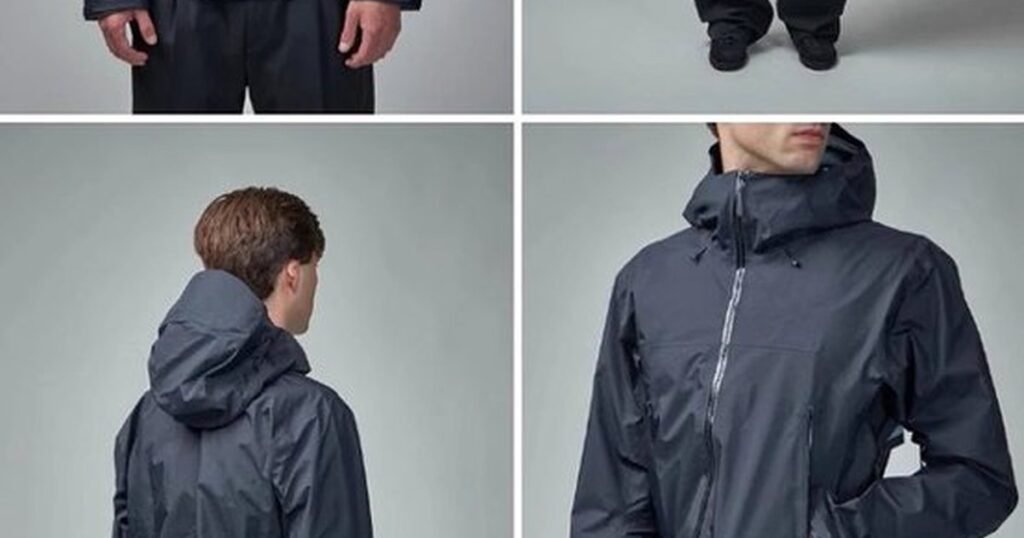
A hardshell jacket is a waterproof, windproof outer shell built from a face fabric laminated to a waterproof-breathable membrane, with taped seams to block rain, wind, and snow. Unlike a softshell, it offers no insulation — it is pure weather protection designed to be worn over warmer layers when conditions turn. The specs that matter most are waterproof rating (mm), breathability (g/m²/24h), layer construction (2L/2.5L/3L), and seam sealing.
For B2B buyers developing an outdoor line, “hardshell” covers everything from a $25 FOB rain shell to a $90 technical mountain jacket. As a factory producing hardshells from 30-piece MOQ, we see the same handful of specs decide cost and performance. This guide walks through each so you can write a brief that gets you the jacket you actually want.
Hardshell in One Sentence
A hardshell is a membrane-based waterproof shell engineered to keep weather out, with breathability and seam sealing — not warmth — as its performance benchmarks.
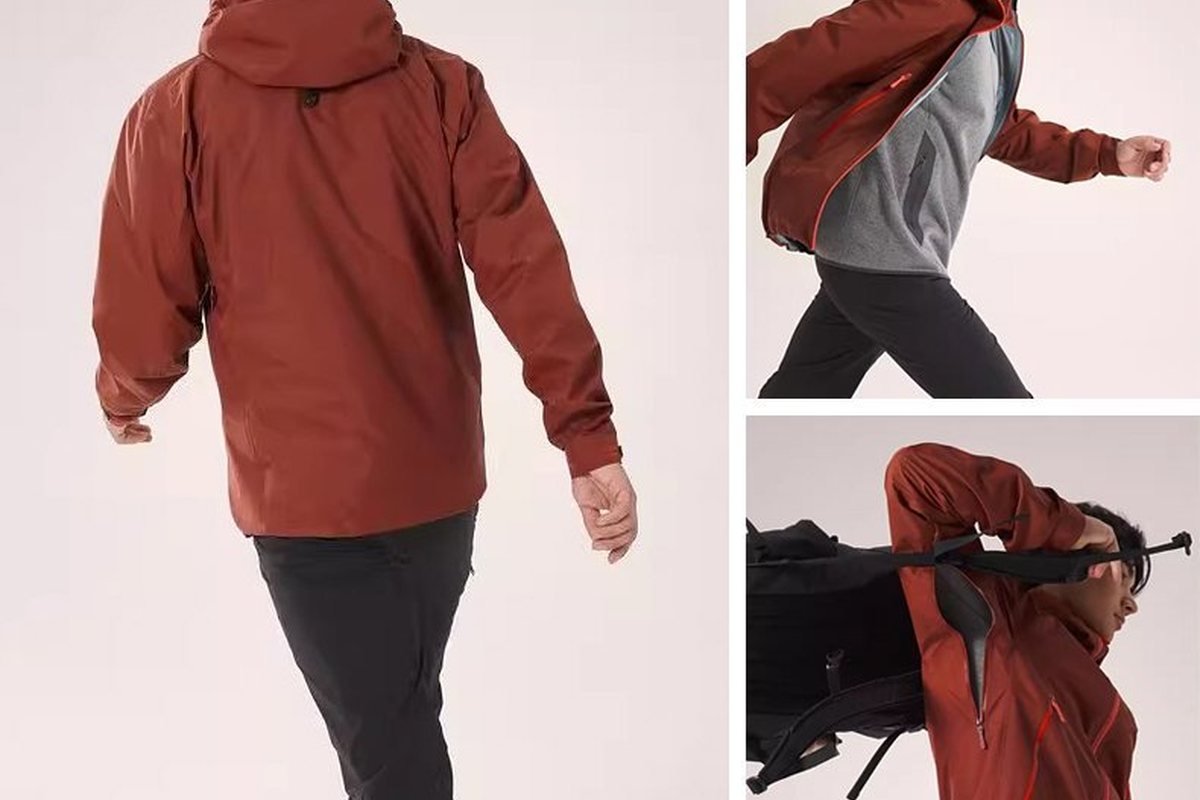
The Four Specs That Define a Hardshell
1. Waterproof Rating (Hydrostatic Head) ⭐
Measured in millimeters via ISO 811 testing, this is how much water pressure the fabric resists before leaking.
| Rating | Protection level |
|---|---|
| 5,000–10,000mm | Light rain, urban |
| 10,000–15,000mm | Standard outdoor, sustained rain |
| 15,000–20,000mm | Serious weather, expedition |
| 20,000mm+ | Extreme / professional |
2. Breathability (MVTR) ⭐
A waterproof jacket that traps sweat is useless on the move. Breathability (moisture vapor transmission rate) is rated in g/m²/24h — higher is better. A technical hardshell should hit 10,000+ g/m²/24h to release sweat during activity.
3. Layer Construction
The number of bonded layers drives durability, weight, and cost. See our full 2L vs 2.5L vs 3L guide:
| Build | Best for | Cost |
|---|---|---|
| 2-layer | Casual rain shells, lining required | Lowest |
| 2.5-layer | Lightweight packable | Moderate |
| 3-layer | Durable technical / pro shells | Highest |
4. Seam Sealing
A waterproof fabric leaks at every needle hole unless seams are taped. Fully taped vs critically taped is the difference between a true storm shell and a water-resistant one — confirm which your rating requires.
Hardshell vs Softshell — Don’t Confuse Them
A hardshell protects; a softshell keeps you comfortable while moving. If your customer needs storm protection and packability, spec a hardshell. If they want all-day active warmth in mild weather, that’s a softshell. Many technical lines carry both as a layering system.
Face Fabric & Finish
The membrane defines waterproofing, but the face fabric defines durability and hand-feel:
- Denier — higher denier (what is denier) = more abrasion resistance, more weight. 20–40D for packable, 70D+ for rugged.
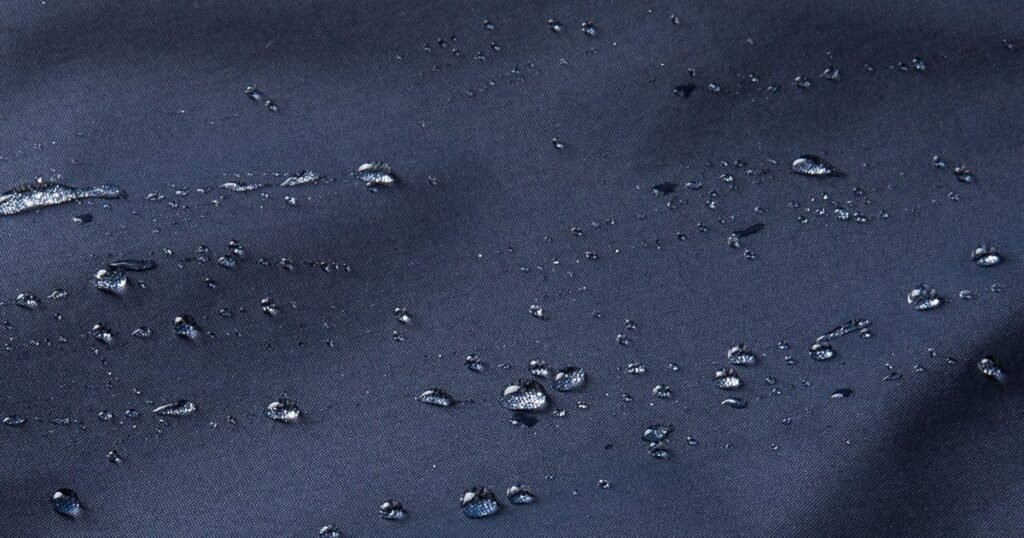
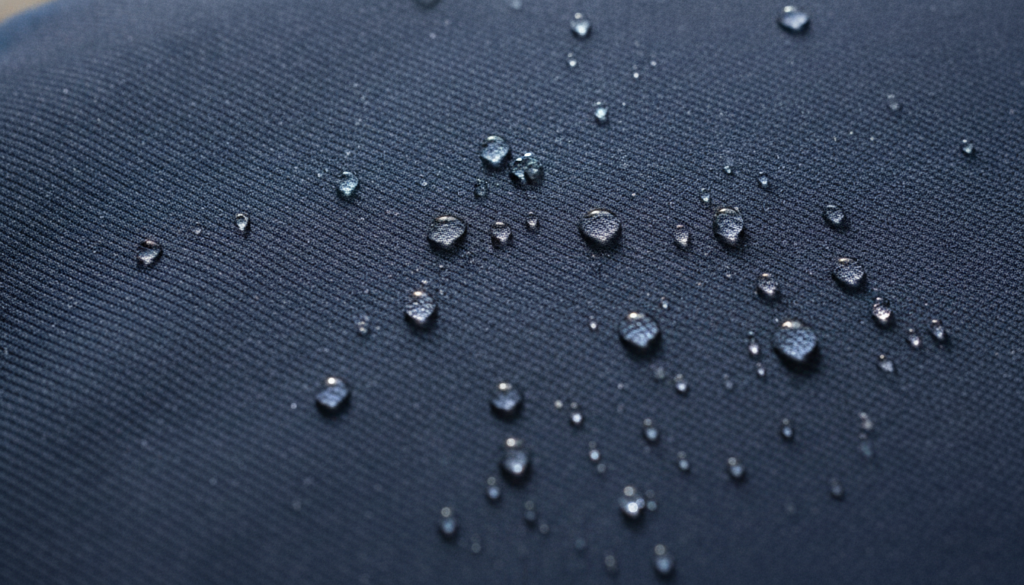
- DWR finish — a PFC-free DWR makes water bead off the face so the fabric doesn’t “wet out” and lose breathability.
- Ripstop weave — ripstop face fabrics resist tearing in lightweight builds.
How to Spec a Hardshell as a B2B Buyer
A complete hardshell brief defines:
- Waterproof rating (target mm) and breathability (target g/m²/24h)
- Layer construction (2L / 2.5L / 3L)
- Seam sealing (fully vs critically taped)
- Face fabric (denier, ripstop or plain, weight)
- DWR (and whether PFC-free)
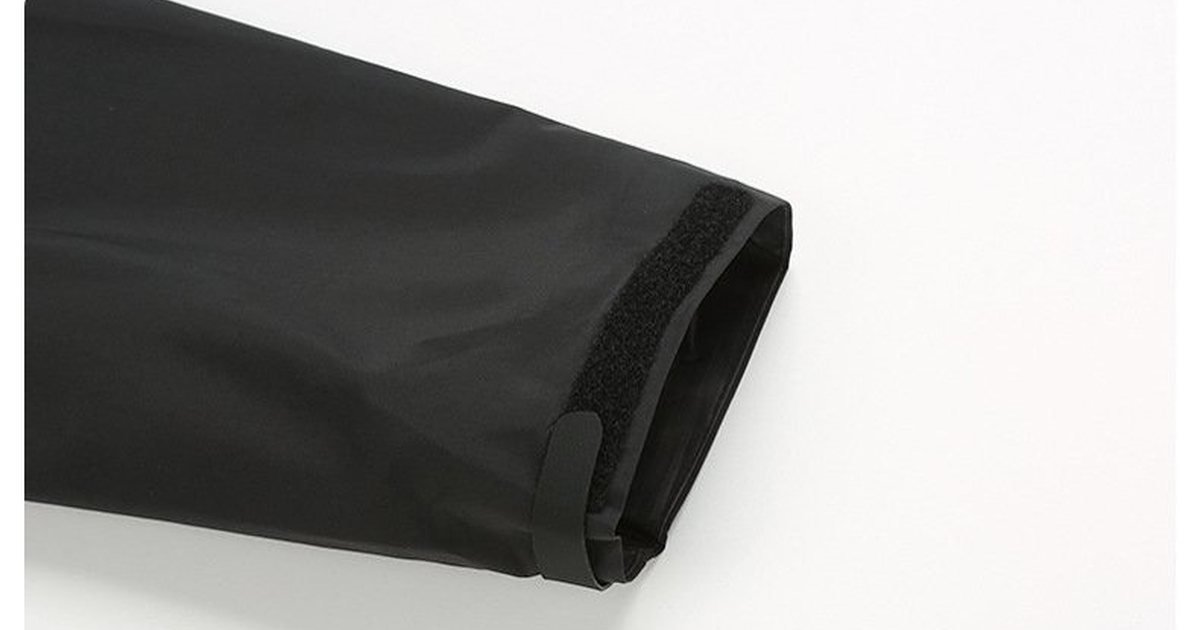
- Features — storm hood, waterproof zippers, pit zips, adjustable hem/cuffs
The single most common buyer mistake is naming a high waterproof rating but skipping seam sealing or pit zips — the jacket leaks at the seams or steams up inside, and the headline number is wasted.
Sourcing & Cost
Hardshell FOB cost scales with membrane quality and layer count. A 2L coated rain shell can land near $18–28 FOB; a 3L laminated technical jacket with full features runs $55–95+. Lead time is typically 4 weeks standard. At PTOUTWEAR we build hardshells from a 30-piece MOQ with 1-piece sampling, so you can confirm waterproofing and fit on a real sample before scaling.
Frequently Asked Questions
What waterproof rating does a hardshell jacket need?
For genuine outdoor use, target at least 10,000mm hydrostatic head, with 15,000–20,000mm for sustained rain or expedition conditions. Below 10,000mm is suitable only for light urban rain.
Is a hardshell jacket warm?
No. A hardshell has no insulation — it is a thin protective shell. Warmth comes from the layers worn underneath it, such as a fleece or down mid-layer. Its job is blocking wind and rain, which indirectly keeps you warmer.
What is the difference between 2-layer and 3-layer hardshells?
A 2-layer hardshell bonds the membrane to the face fabric and needs a separate hanging liner, making it cheaper but bulkier. A 3-layer bonds face, membrane, and backer into one durable laminate — lighter, tougher, and more expensive, used in technical shells.
What MOQ is required for custom hardshell jackets?
At PTOUTWEAR, custom hardshell production starts at a 30-piece MOQ with 1-piece sampling available first, so brands can validate the membrane, waterproof rating, and fit before placing a full order.
Spec Your Hardshell With a Factory That Builds Them
A hardshell is only as good as the weakest spec in its brief — rating, breathability, layers, and seams all have to match the intended use. At PTOUTWEAR we manufacture custom hardshell jackets across the full 2L–3L range, from 30-piece MOQ with 1-piece sampling. If you’re developing a technical line, our OEM manufacturing team can recommend the right membrane and construction for your price point and build samples to confirm performance.