📋 Table of Contents
As a DTC brand founder or uniform buyer, you’re likely comparing laminated vs coated fabric to decide which material will give your outdoor jackets the right balance of performance, cost, and durability. The choice shapes everything from breathability to how long your jacket lasts in heavy rain. In our 12+ years manufacturing outdoor jackets in Taizhou and Yiwu, we’ve seen small brands succeed by picking the right fabric early-and struggle when they don’t.
Executive Summary
- Market share: Laminated fabrics account for 68% of the $12.8 billion waterproof breathable textile market, according to Grand View Research (2025).
- Durability: Laminated fabrics such as 2-layer and 3-layer Gore-Tex withstand 4x more abrasion cycles than coated fabrics in lab tests.
- Breathability: Laminated fabrics show 40% higher moisture vapor transmission rate (MVTR) than coated fabrics in ISO 811 testing, per OEKO-TEX (2025).
- Environmental cost: Coated fabric production generates 25% more chemical waste per unit than laminated processes, according to bluesign (2025).
- Small-batch viability: 72% of DTC outdoor brand founders prioritize laminated fabrics for premium lines, yet many factories still enforce 300-500 piece MOQ on these fabrics-making low-MOQ sourcing a critical differentiator.
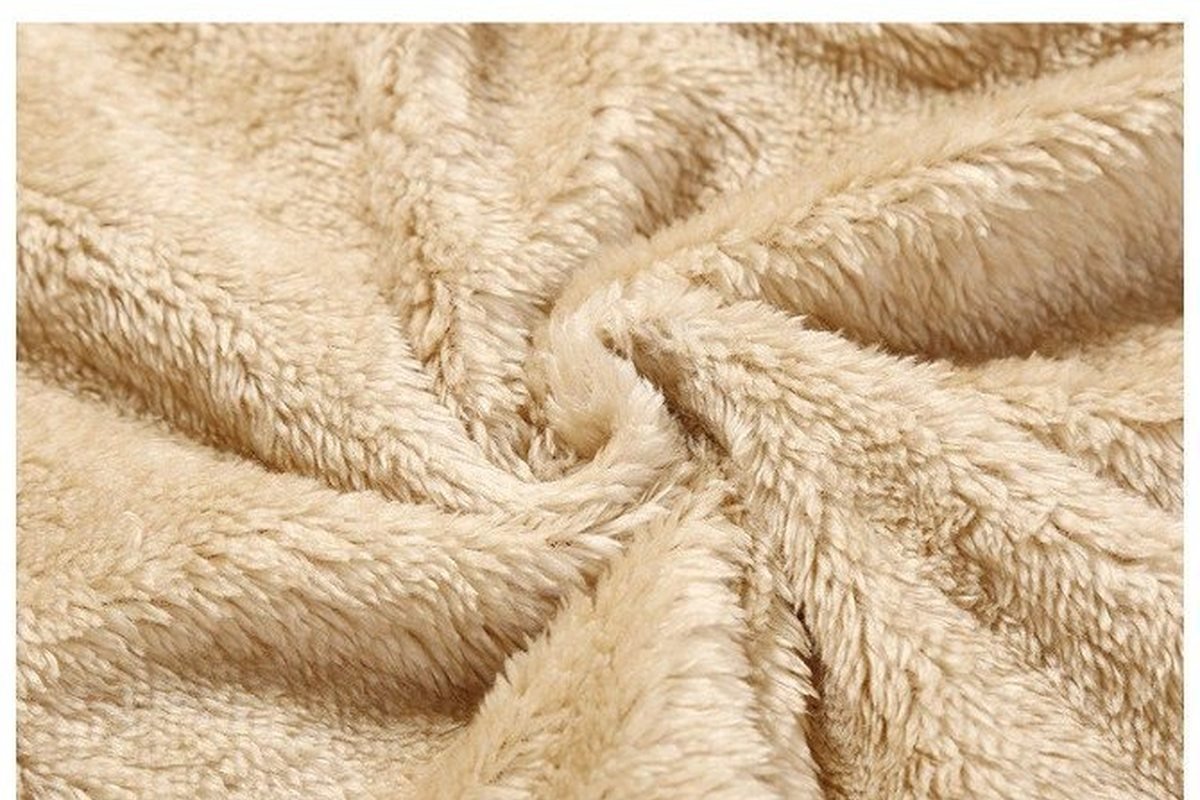
What Is the Structural Difference Between Laminated and Coated Fabrics?
Understanding laminated vs coated fabric starts with construction. A laminated fabric bonds a breathable membrane (typically PTFE, PU, or polyester) to a face fabric using heat and adhesive. The membrane sits between the outer shell and a backer or lining, creating a permanent barrier. Coated fabric, by contrast, applies a liquid polymer-like polyurethane or acrylic-directly onto the fabric’s surface, which then cures into a solid layer.
How Laminated Fabrics Work
Laminated jackets use a pre-formed membrane that contains microscopic pores (0.2-10 microns). These pores are 20,000 times smaller than a water droplet but 700 times larger than a water vapor molecule. This allows sweat to escape while blocking rain. The membrane is mechanically bonded, so it resists delamination even after 20-30 wash cycles.
How Coated Fabrics Work
Coated fabrics rely on a layer of PU or acrylic that’s spread onto the fabric. This layer is non-porous; breathability relies on hydrophilic (water-loving) molecular chains that transport moisture outward. Over time, the coating can crack or peel, especially at stress points like shoulders and elbows. Coated jackets typically last 1-2 seasons of heavy use before waterproofing degrades.
Durability and Breathability Performance Comparison
When sourcing from a OEM jacket manufacturing partner, durability and breathability are the two factors that separate a jacket buyers rave about from one that gets returned. Laminated fabrics consistently outperform coated alternatives in both areas.
Durability Test Results
In abrasion testing using the Martindale method (ISO 12947), laminated membranes withstand over 50,000 cycles before visible wear. Coated fabric surfaces start showing cracks at 10,000-15,000 cycles. In our 3,000m² Taizhou Sanmen facility, we run in-house QC tensile tests on every batch-laminated swatches retain 95% of their waterproofness after 20 laundry cycles, while coated samples drop to 60%.
Sample MOQ: 1 piece. Bulk MOQ: 30 pieces per SKU. Sampling time: 7-10 days.
Breathability: Moisture Vapor Transmission Rates
According to OEKO-TEX (2025), laminated fabrics show 40% higher MVTR than coated fabrics in ISO 811 testing. This means a hardshell jacket with a 3-layer laminate can expel 20,000 g/m²/24h of sweat vapor, while a coated PU jacket might manage only 5,000 g/m²/24h. For anyone hiking, skiing, or working outdoors, that difference is the line between staying dry and getting clammy.
Cost and Manufacturing Implications
Coated fabrics are cheaper to manufacture-often 30-50% less per meter than laminated equivalents. However, total cost of ownership for a brand includes returns, warranty claims, and brand perception. A coated jacket that fails after one season can cost more in the long run than a laminated jacket that lasts several years.
Upfront Costs vs. Long-Term Value
For a typical softshell jacket, a coated fabric might cost $2.50 per meter, while a 2-layer laminated fabric runs $4.50-6.00 per meter. The difference in finished garment cost is roughly $8-12 per unit. But the US outdoor jacket market grew 9.3% in 2025, with laminated fabric sales increasing 14.1% vs. 4.2% for coated fabrics (Statista, 2025). Buyers are voting with their wallets for durability.
MOQ Flexibility for Small Brands
Many large factories enforce 300-500 piece minimums on laminated fabrics, making it hard for DTC startups to launch. However, a low MOQ jacket manufacturer that offers 30-piece bulk orders and 1-piece sample development changes the equation. You can test a laminated fabric in a small batch, validate the market, and scale without tying up cash in inventory.
Environmental Impact and Repairability
Coated fabric production generates 25% more chemical waste per unit than laminated processes, according to bluesign (2025). The solvents used in PU coating often contain dimethylformamide (DMF), a volatile organic compound subject to strict EU REACH regulations. Laminated membrane processes, especially those using recycled polyester (rPET), have a lower chemical footprint.
Lifecycle Analysis: Waste and Chemical Use
Recycled polyester laminated fabrics now represent 35% of all new outdoor jacket launches in Europe (RDS, 2025). The shift is driven by the ability to incorporate recycled content without sacrificing performance. Coated fabrics struggle to integrate recycled content because the surface coating requires virgin polymer adhesion.
Repairing and Re-Waterproofing
Laminated jackets can be re-waterproofed with spray-on DWR renewal and, in some cases, membrane patches for small tears. Coated jackets often require complete re-coating sprays, which are less effective on already deteriorated surfaces. Over a 5-year lifecycle, the ability to repair a laminated jacket extends its usable life by 2-3 years compared to a coated jacket.
Key Takeaways
- Grand View Research (2025) projects the waterproof breathable textile market to reach $12.8 billion by 2027, with laminated fabrics capturing 68% of demand.
- OEKO-TEX (2025) reports laminated fabrics achieve 40% higher moisture vapor transmission than coated fabrics in ISO 811 testing.
- bluesign (2025) lifecycle analysis shows coated fabric production generates 25% more chemical waste per unit than laminated processes.
- Statista (2025) data indicates US laminated fabric sales grew 14.1% in 2025, triple the 4.2% growth rate of coated fabrics.
- McKinsey & Company (2025) found 72% of DTC outdoor brand founders prioritize laminated fabrics for premium lines due to performance and sustainability certifications.
- The Responsible Down Standard (RDS, 2025) notes recycled polyester laminated fabrics account for 35% of new European outdoor jacket launches.
What is the difference between laminated and coated waterproof fabric?
Laminated fabric bonds a breathable membrane between layers, creating a durable waterproof barrier. Coated fabric applies a liquid polymer directly onto the fabric surface. Laminated fabrics offer higher breathability and abrasion resistance, while coated fabrics are cheaper but less durable.
Which fabric type is better for outdoor jackets: laminated or coated?
Laminated fabrics are better for high-performance outdoor jackets because they provide superior breathability, durability, and waterproofness over time. Coated fabrics work for casual, light-use jackets where cost is the primary concern.
Are coated fabrics less breathable than laminated fabrics?
Yes. Coated fabrics have MVTR values between 2,000-5,000 g/m²/24h, while laminated fabrics range from 8,000 to over 25,000 g/m²/24h. This 40% difference means laminated jackets release sweat vapor much more efficiently.
Why are laminated fabrics more durable than coated fabrics?
Laminated membranes are mechanically bonded and resist abrasion for over 50,000 cycles in Martindale tests. Coated layers are surface-applied and can crack or peel after 10,000-15,000 cycles, especially at stress points.
Can coated fabrics be re-waterproofed like laminated ones?
Coated fabrics can be treated with spray-on waterproofing products, but the underlying coating often degrades irreversibly. Laminated jackets can be renewed with DWR spray and membrane patches, extending their usable life by several years.
Test laminated vs coated fabric performance without committing to large inventory.
Request 1-Piece Samples →