If you are launching a DTC pet brand, you already know the pain: you find a potential cooling dog vest manufacturer, but the bulk MOQ is 500 pieces per color, tying up $10,000 before you have sold a single unit. You need a factory that offers 30-piece minimums, 7‑day sampling, and technical fabric expertise that matches your outdoor‑brand positioning. In this guide, we walk through the exact specs, certifications, and sourcing strategy you need to evaluate a cooling dog vest manufacturer who can deliver quality without freezing your cash flow.
How to Evaluate a Cooling Dog Vest Manufacturer in 2026
The first question to ask a cooling dog vest manufacturer is about their minimum order quantity and sample policy. A factory that insists on 100 pieces per SKU upfront creates a cash‑flow bottleneck for a small brand. Look instead for a supplier that allows a 1‑piece sample with a refundable deposit and a 30‑piece bulk MOQ per design. This pattern-which mirrors the low‑MOQ structure used by our OEM jacket manufacturing service-lets you market‑test a style before committing to volume.
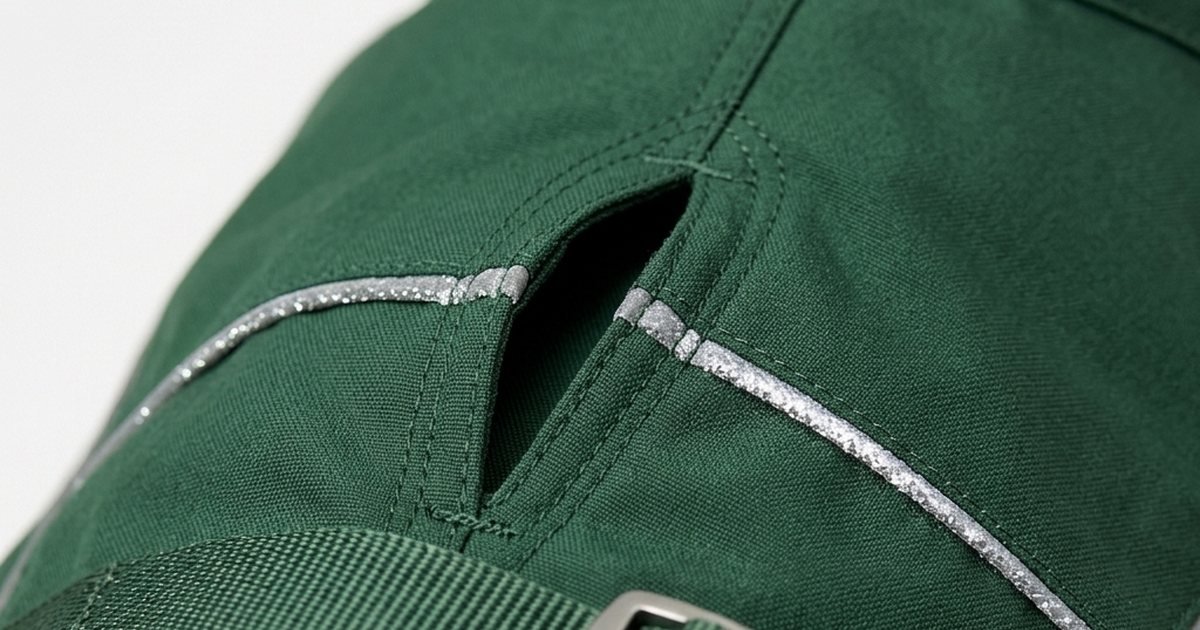
Beyond MOQ, the manufacturer must understand how technical fabrics perform under real conditions. A common complaint buyers raise about waterproof jackets is that once the face fabric wets out, breathability collapses and the wearer feels clammy. The identical physics matter for a cooling vest: if the outer shell holds too much moisture, the evaporative cooling effect slows. An experienced cooling dog vest manufacturer will offer construction options that include wicking liners and mesh ventilation panels to combat wet‑out, similar to a hardshell jacket’s pit‑zip philosophy.
Fabric Certification Demands
Any cooling dog vest that sits directly against a dog’s skin must meet chemical‑safety standards. Ask the cooling dog vest manufacturer for OEKO‑TEX Standard 100 certification, which screens for more than 1,000 harmful substances. If your brand markets sustainable outdoor gear, also request Global Recycled Standard (GRS) compliance-the minimum recycled‑content threshold is 20%, and ask if the factory can provide a transaction certificate. Currently, our own facility holds ISO 9001 and SGS test reports and sources certified fabrics from mills holding these benchmarks; OEKO-TEX, BSCI and GRS are pending on our side.
Sample Turnaround as a Quality Signal
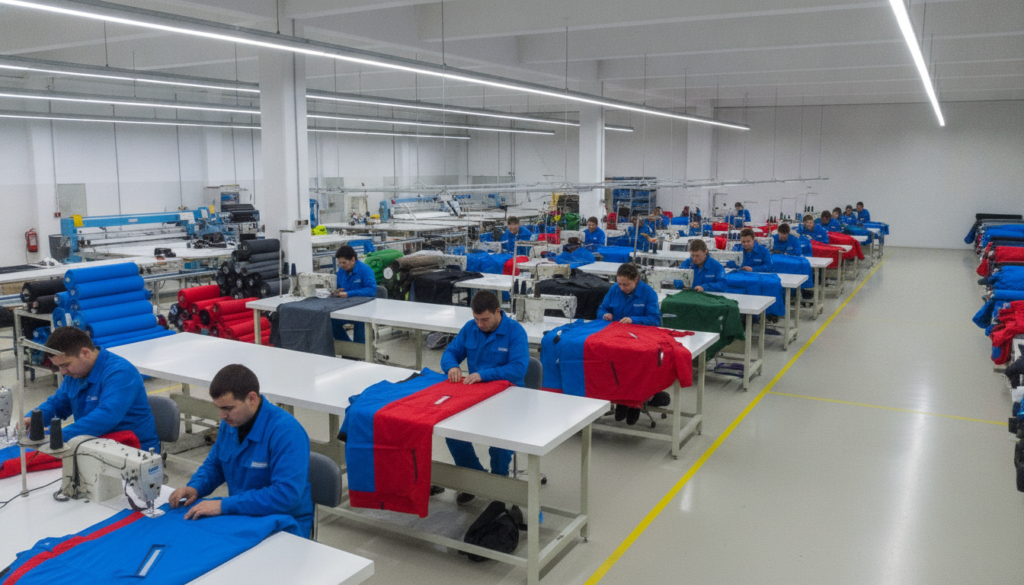
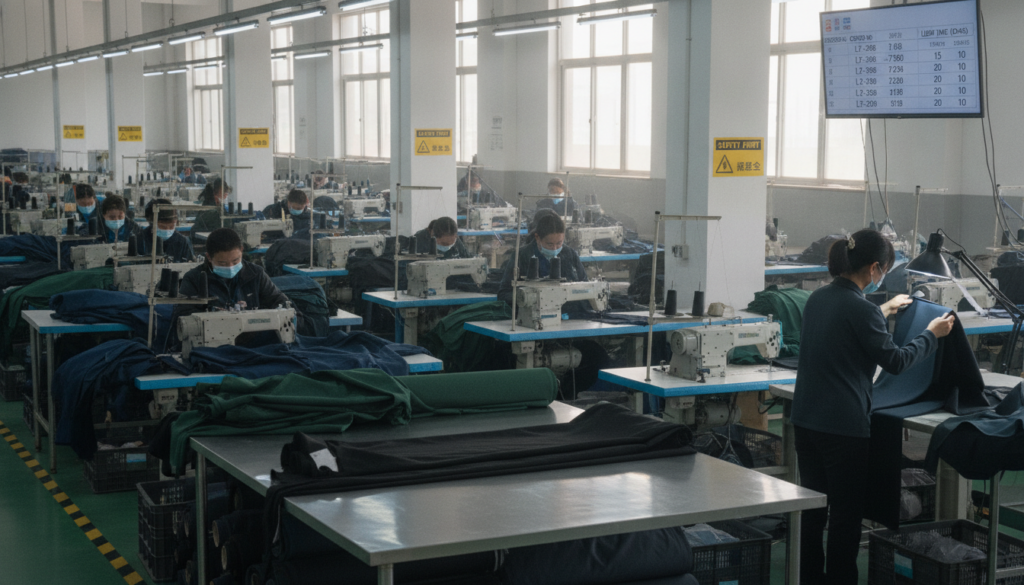
A cooling dog vest manufacturer who can ship a custom sample in 7-10 business days typically has an organized in‑house pattern‑making and cutting department. Slower turnaround often signals that the factory is brokering work to a third party, which introduces communication delays and quality gaps. In our 12‑plus years manufacturing outdoor jackets in Taizhou and Yiwu, we learned that a 1‑piece sample completed in under two weeks correlates strongly with production reliability. Compare that requirement to the sample development process we use for jackets-the same discipline applies to pet cooling vests.
Technical Fabric Comparison: Evaporative vs. PCM vs. Hydro‑Cooling
Not all cooling mechanisms are equal, and the right cooling dog vest manufacturer will explain the trade‑offs. Below is a spec matrix that DTC brands can use when sourcing.
When you interview a cooling dog vest manufacturer, test their knowledge of how the chosen fabric handles repetitive wet‑out cycles. A polyester shell treated with a PFC‑free DWR, for example, will maintain evaporative efficiency longer than an untreated nylon-exactly the same lesson we apply in the rain jackets we build. Ask the factory to provide a lab report on breathability (g/m²/24h) and drying time under controlled conditions.
Wholesale Pricing Tiers and Bulk Order ROI
Pricing from a cooling dog vest manufacturer typically breaks into three bands. Use these figures as a benchmark when negotiating.
1‑Piece Sample
Cost: $80, $150 per unit, fully refundable against the first production order. This stage lets you check stitching, fabric feel, and cooling performance before any bulk commitment.
Small Batch (30-300 pieces)
Unit cost: $12, $22 for evaporative vests, $18, $35 for PCM‑lined models. The per‑unit price drops roughly 15-20% when you move from 30 pieces to 150 pieces per SKU. This is the sweet spot for a DTC brand’s launch‑line validation. With a low‑MOQ structure similar to what we offer for outdoor jackets, you can front a collection with less than $1,000 in production outlay.
Mid‑Volume (300-2,000 pieces)
Unit cost: $9, $15 for evaporative, $14, $28 for PCM. At this tier, a cooling dog vest manufacturer should offer free custom logo service, woven labels, heat‑transfer branding, or embroidery-as part of the price. Margins for the brand can reach 60‑65% when retailing at $35, $49.
To see the ROI clearly: a 30‑piece order at $15 each costs $450. Selling all units at $39.99 earns $1,200 in revenue, a 2.6× return before marketing expenses. Scaling to 300 units at $11 per unit yields $3,300 in COGS and $12,000 in revenue-a $8,700 gross profit that funds the next design.
Case Study: How a DTC Pet Brand Scaled with Custom Cooling Vests
The takeaway is that the right cooling dog vest manufacturer becomes a supply‑chain partner, not just a vendor. They should offer the same flexibility we bring to outdoor jacket production-our 3,000 m² Taizhou Sanmen facility runs 20 production lines and ships 200,000 units per year, yet we still accept 30‑piece minimums for new brands. That scalability is what separates a factory that can grow with you from one that caps your cash at the first order.
Key Takeaways
- Global pet apparel market: Exceeded $5.5 billion in 2024, according to Grand View Research, fueling demand for differentiated cooling gear.
- Sample MOQ: A 1‑piece sample policy-like the one PTOUTWEAR offers for jackets-lets DTC brands test before investing in bulk.
- Chemical safety: OEKO‑TEX Standard 100 certification tests for more than 1,000 harmful substances, a must‑have for skin‑contact pet products.
- Cooling efficacy: A 2023 study in the Journal of Veterinary Behavior found evaporative cooling vests lowered a dog’s core temperature by up to 3°C in 20 minutes.
- Recycled content threshold: The Global Recycled Standard (GRS) requires at least 20% recycled material before a product can carry the GRS label.
- BulK ROI: A 30‑piece order at $15 per unit can generate a 2.6× return at a $39.99 retail price, validating the low‑MOQ model.
What is the best cooling vest for dogs in summer 2026?
The best cooling vest depends on the activity: lightweight evaporative vests (soaked in water) suit daily walks, while PCM‑loaded vests offer up to 2 hours of active cooling for working dogs. Look for a cooling dog vest manufacturer that provides both options and custom sizing.
How long does a cooling dog vest stay cool?
Evaporative vests typically stay cool 45-90 minutes, depending on humidity and natural drying. PCM vests can maintain a stable 28-30°C for 60-120 minutes before needing a cold‑water recharge. Duration is heavily influenced by the vest’s outer fabric and DWR treatment.
Do cooling vests work for dogs with heatstroke?
Cooling vests help prevent heatstroke by lowering body temperature, but a dog already exhibiting symptoms needs immediate veterinary care. Vests work best as early intervention tools; the American Veterinary Medical Association advises never relying solely on gear for temperature regulation.
Can you buy cooling dog vests wholesale for small businesses?
Yes. A cooling dog vest manufacturer that offers low MOQ-such as 30 pieces per design-enables small pet boutiques and DTC brands to start with manageable inventory. Some even provide 1‑piece sampling, so you can test quality before ordering bulk.
What fabric is used in premium cooling dog vests for outdoor brands?
Premium cooling dog vests often use a 3‑layer system: a moisture‑wicking inner liner, an evaporative or PCM middle layer, and a lightweight breathable outer shell with a PFC‑free DWR. Brands targeting outdoor enthusiasts prioritize fabrics with OEKO‑TEX certification and a quick‑dry rating above 2,000 g/m²/24h.
Ready to test a cooling vest design without large upfront orders?
Request My 1‑Piece Sample →
Written by Ivan Chen, Sales Engineer at PTOUTWEAR – 13 years in outdoor apparel manufacturing.