📋 Table of Contents
Starting a pet apparel brand in the US often hits a wall: most private label dog clothing manufacturers demand 500-piece minimums, tying up cash before you have validated a single design. A low-MOQ partner that can produce waterproof dog coats with OEKO-TEX-certified fabrics changes the equation. In our 12+ years manufacturing outdoor jackets in Taizhou and Yiwu, we have seen how technical fabric expertise directly transfers to durable, functional dog apparel.
Executive Summary
- Market size: According to Grand View Research, the global pet apparel market exceeded $5.7 billion in 2024 and is projected to grow at a 6.5% CAGR through 2030.
- MOQ reality: Many Chinese dog clothing factories require 300-500 pieces per design; specialized low-MOQ partners offer 30 pieces per SKU.
- Fabric safety: OEKO-TEX Standard 100 screens for over 1,000 harmful substances, critical for products worn directly against a pet’s skin.
- Sampling speed: A responsive manufacturer can deliver a 1-piece sample in 7-10 days, letting you test fit and waterproofing before bulk commitment.
- Top hubs: Zhejiang and Guangdong provinces in China, plus Vietnam, dominate custom pet apparel production with specialized textile clusters.
What to Look for in a Private Label Dog Clothing Manufacturer
A reliable partner must balance low minimums, technical fabric capability, and transparent certification. Three factors separate factories that can scale with your brand from those that will cause delays and quality surprises.
Minimum Order Quantity (MOQ)
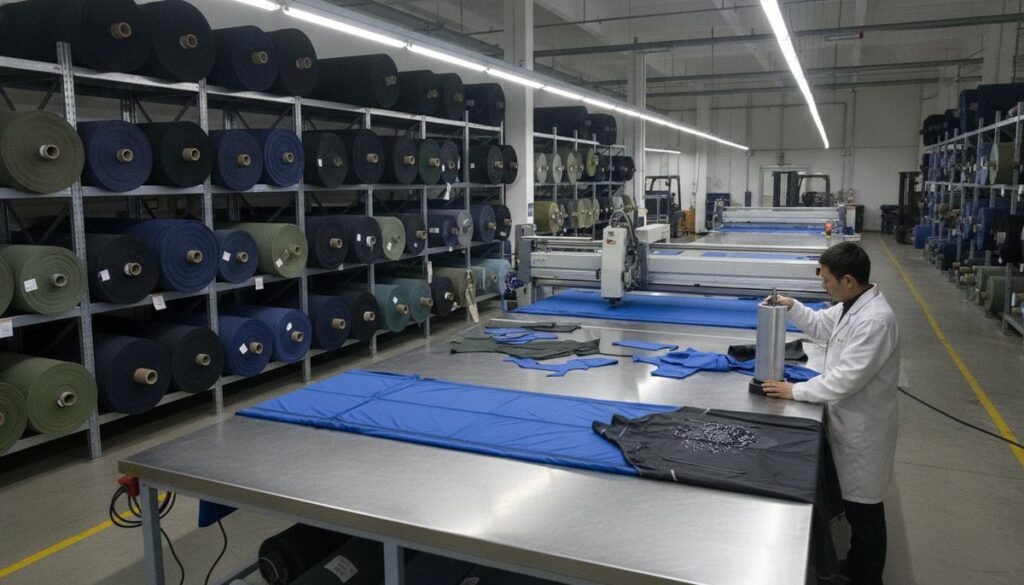
Cash-flow pressure is the top complaint from early-stage pet brands. Many manufacturers set bulk MOQs at 500 pieces, requiring $5,000, $8,000 upfront for a single style. Look for a facility offering 30 pieces per SKU as a starting point. Our 3,000 m² Taizhou Sanmen facility runs 20 production lines with a 30-piece bulk MOQ for jackets; the same operational model can apply to dog coats when the factory has the right cutting patterns. A 1-piece sample policy, with a refundable fee against the bulk order, lets you validate market fit without inventory risk.
Fabric and Certification Standards
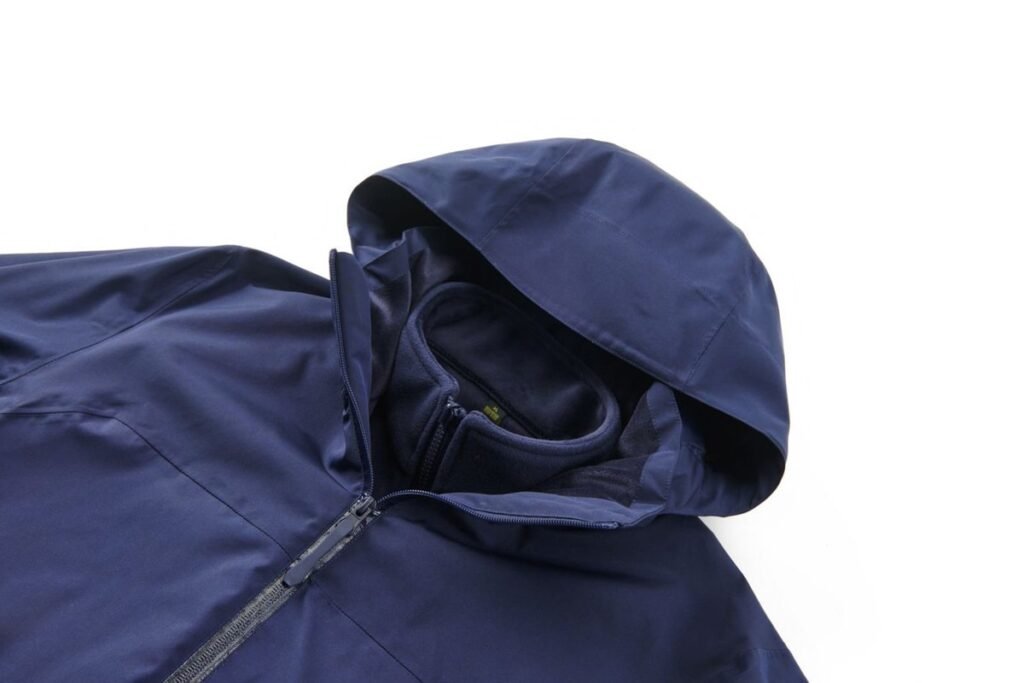
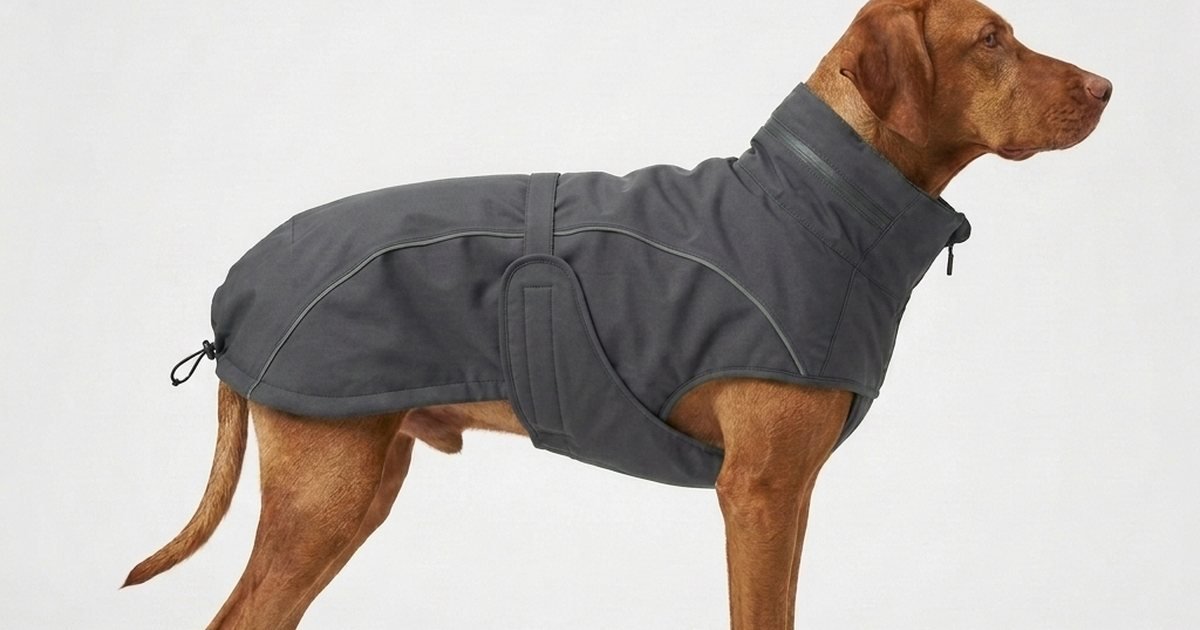
Dog coats need the same waterproof-breathable performance outdoor jackets demand. A common complaint buyers raise is that a waterproof jacket becomes clammy once the face fabric wets out, because the DWR coating has worn off. For dog apparel, this means a wet, uncomfortable animal. Insist on PFC-free DWR and a membrane construction that maintains breathability even under rain. Certifications to verify: OEKO-TEX Standard 100 (skin safety), Global Recycled Standard (GRS) if using recycled polyester, and ISO 9001 for process quality. While we hold ISO 9001 and SGS test reports and use PFC-free DWR, with OEKO-TEX and GRS still pending, any dog clothing manufacturer should be able to show current lab reports for the exact fabrics they propose.
Sampling and Lead Times
Speed to market matters. A manufacturer that can turn a pre-production sample in 7-10 days gives you a 2-3 week advantage over competitors stuck in 4-week sampling cycles. Confirm whether the sample fee is refundable and whether the factory offers fit revisions as part of the development process. Our sample development service for jackets delivers a 1-piece sample in 7-10 days, a timeline that should be the benchmark for dog clothing as well.
Key Manufacturing Hubs for Custom Dog Apparel
Geography influences cost, lead time, and fabric access. Three regions dominate pet apparel production, each with distinct trade-offs.
Zhejiang’s Sanmen-Taizhou cluster, where our production base sits, houses hundreds of textile mills specializing in coated fabrics and membrane lamination. This infrastructure supports low-MOQ runs because material is sourced within a 50 km radius. For a US brand launching waterproof dog parkas, the combination of technical fabric availability and 30-piece minimums is hard to replicate elsewhere.
How to Start a Low-MOQ Private Label Dog Clothing Brand
Launching with minimal inventory requires a phased approach. The following sequence avoids the cash trap of large bulk orders.
1. Design and Fabric Selection
Start with 2-3 styles, not a full collection. Choose a fabric that matches the use case: a 2-layer waterproof-breathable shell for rain walks, or a quilted insulated coat for cold climates. Provide the manufacturer with a tech pack or detailed reference images. At this stage, discuss whether the factory can source OEKO-TEX-certified fabrics and apply your branding via embroidery or heat transfer.
2. Pre-Production Sampling
Order a 1-piece sample of each style. Expect to pay $80, $120 per sample, refundable against the bulk order. Evaluate fit on a live dog, check seam sealing, and test waterproofing under a shower. Request adjustments; a good manufacturer will revise the pattern once at no extra charge. This mirrors the sampling workflow we use for OEM jacket manufacturing, where a single sample validates the entire construction before cutting bulk fabric.
3. Small-Batch Production
Once samples are approved, place a trial order of 30-50 pieces per style. This lets you sell through a launch drop, collect customer feedback, and identify any durability issues before scaling. A manufacturer that supports low-MOQ production will not penalize you for starting small; the relationship builds as volumes grow.
Certifications and Compliance for Pet Apparel
Regulatory requirements differ between the US, EU, and UK. Even though pet clothing is not a medical device, materials that touch a dog’s skin fall under general product safety directives. Three certifications matter most:
- OEKO-TEX Standard 100: Tests for over 1,000 harmful substances. Without it, you risk skin irritation complaints and potential returns. Ask the manufacturer for a valid certificate covering the specific fabric lot.
- Global Recycled Standard (GRS): Required if you market the product as made from recycled materials. GRS mandates at least 20% recycled content and tracks the supply chain from source to finished garment.
- ISO 9001: A baseline for factory quality management. While not fabric-specific, it indicates documented processes for cutting, sewing, and inspection, reducing the chance of inconsistent sizing.
We hold ISO 9001 and SGS test reports and use PFC-free DWR; OEKO-TEX and GRS are pending, not yet held. When vetting a dog clothing manufacturer, request copies of these certificates and cross-check the expiry dates. A factory that hesitates to share documentation is a red flag.
Key Takeaways
- Grand View Research reports the global pet apparel market exceeded $5.7 billion in 2024, growing at a 6.5% CAGR, creating space for new DTC brands.
- OEKO-TEX Standard 100 certification screens textiles for more than 1,000 harmful substances, a non-negotiable for pet-safe apparel.
- A low-MOQ private label dog clothing manufacturer should offer 30-50 pieces per SKU, not the 300-500 pieces common among bulk-oriented factories.
- According to the Global Recycled Standard (GRS), a product must contain at least 20% recycled material to carry the GRS label and marketing claim.
- PFC-free DWR coatings address a known complaint that waterproof fabrics wet out and become clammy once the DWR degrades, improving comfort for active dogs.
- Zhejiang province in China hosts a dense textile cluster that supports quick-turn, low-MOQ production of technical dog coats, with material sourcing within a 50 km radius.
What is the best private label dog clothing manufacturer for small businesses?
The best manufacturer offers low MOQ (30-100 pieces), fast 7-10 day sampling, and certifications like OEKO-TEX. Look for a factory with technical fabric expertise if you plan waterproof or insulated dog coats. While PTOUTWEAR specializes in outdoor jackets, the same operational model applies: a 30-piece bulk minimum and a 1-piece sample policy give small brands room to test the market without overcommitting capital.
How do I start a private label dog clothing brand with low MOQ?
Begin with 2-3 designs, create a simple tech pack, and order 1-piece samples from a manufacturer that refunds the sample fee against bulk. Validate fit and waterproofing, then place a 30-50 piece per style trial order. Use a factory that allows small-batch reorders as you scale. This phased approach keeps initial investment under $2,000 for three styles.
Are there eco-friendly manufacturers for custom dog apparel?
Yes, many factories now offer recycled polyester fabrics certified by the Global Recycled Standard (GRS). Look for GRS certification that tracks the material from source to finished garment, ensuring at least 20% recycled content. OEKO-TEX certification adds skin-safety assurance. Some manufacturers also use PFC-free DWR, eliminating perfluorinated chemicals from the waterproofing process.
What is the difference between OEM and private label for pet clothing?
OEM (Original Equipment Manufacturing) means the factory produces a garment based on your design, often with your branding. Private label typically refers to a factory’s existing design that you brand as your own. For dog clothing, OEM gives full control over fit, fabric, and features, while private label is faster but less differentiated. Many manufacturers offer both under one roof.
Which countries are the top hubs for manufacturing custom dog clothing?
China (Zhejiang and Guangdong provinces) and Vietnam are the dominant hubs. Zhejiang excels in technical fabrics and low-MOQ production, Guangdong in fast-fashion pet accessories, and Vietnam offers duty advantages for European importers. US brands often choose Zhejiang for waterproof dog coats because of the dense textile supply chain and established export infrastructure.
Ready to develop your outdoor jacket line with the same low-MOQ model? Request 1-piece samples today.
Request Samples →
Written by Ivan Chen, Sales Engineer at PTOUTWEAR – 13 years in outdoor apparel manufacturing.