📋 Table of Contents
Most outdoor brand founders hit a wall when they try to source technical jackets: factories demand 300-piece minimums, without knowing whether the design works. Helmet compatible hood construction adds another layer of complexity, adjustable hoods must fit over ski, climb, and bike helmets without restricting peripheral vision or compromising waterproofing. In 12+ years of manufacturing in Taizhou, we’ve seen how a custom outdoor jacket factory with 1-piece sampling and a 30-piece bulk MOQ can change the game for startups.
Executive Summary
- Market size: The global outdoor apparel market surpassed $18 billion in 2024, growing at a mid-single-digit CAGR, according to Grand View Research.
- Certification threshold: The Global Recycled Standard (GRS) requires a minimum of 20% recycled content before a product can carry the GRS label, affecting fabric sourcing for brand positioning.
- OEKO-TEX: OEKO-TEX Standard 100 screens textiles against more than 1,000 harmful substances, a key compliance for EU and US retailers.
- Revenue snapshot: Statista reports the global outdoor clothing market revenue exceeded $14 billion in 2024.
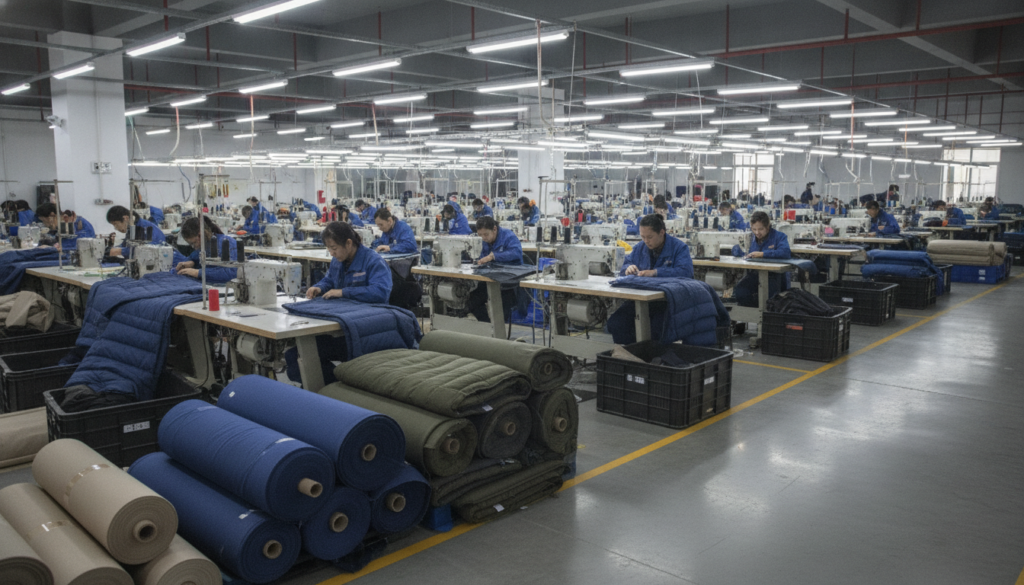
- MOQ reality: The average offshore outerwear factory MOQ ranges from 300 to 500 pieces per SKU, while a vertically integrated specialist can offer 30 pieces per SKU with in-house patternmaking.
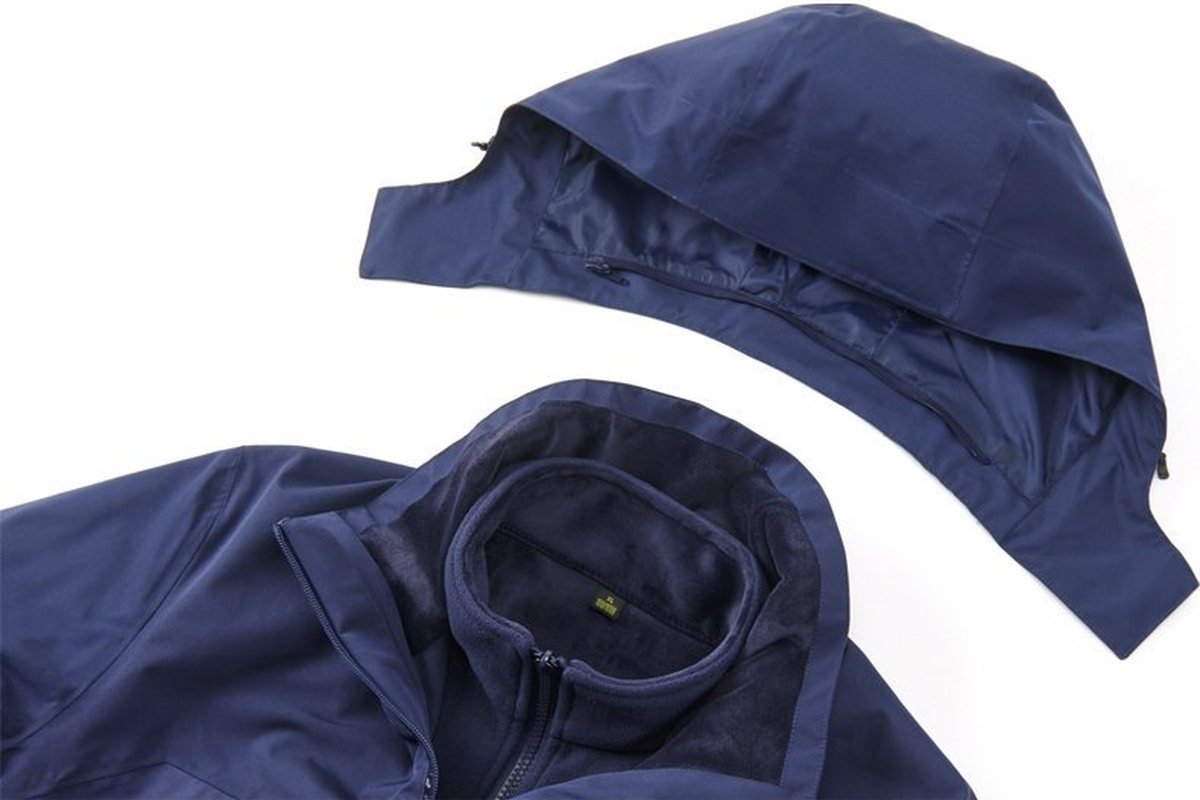
Helmet Compatible Hood Construction: Why It Matters
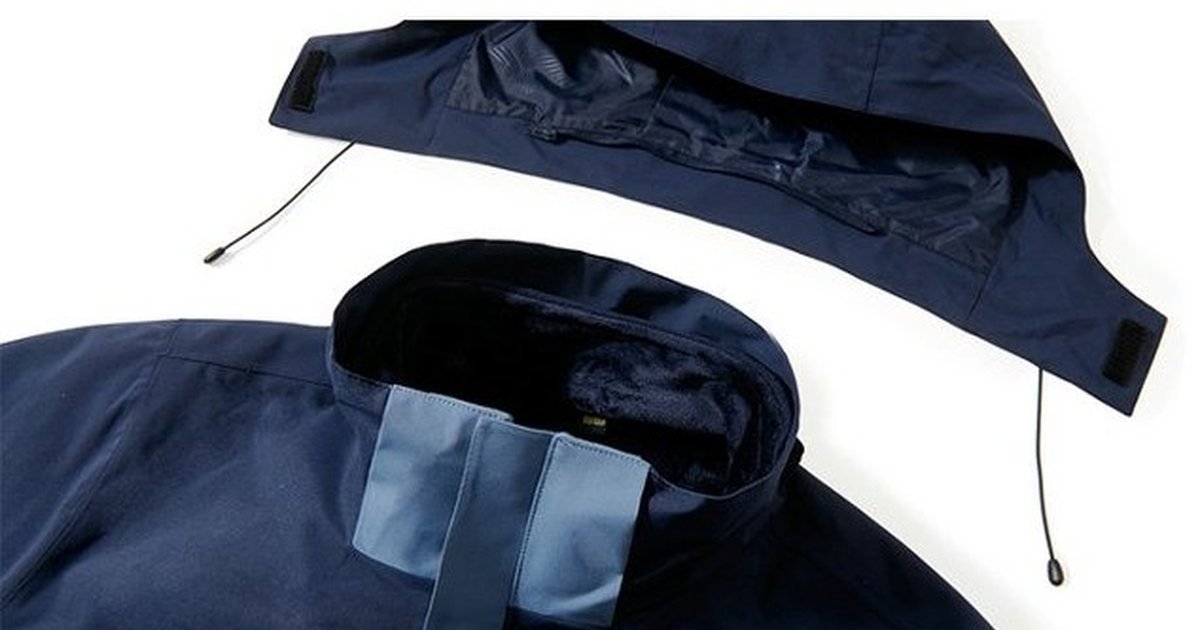
A helmet-compatible hood is not a standard hood with extra room, it requires precise patterning, laminated brim stiffness, and rear cinch systems that maintain peripheral vision while wearing a helmet. When buyers ask for this feature, they are almost always designing for backcountry skiing, alpine climbing, or year-round bikepacking. The failure points are immediate: a hood that pulls back when you turn your head, fabric that tunnels wind, or a brim that collapses under snow load.
What Technical Buyers Are Asking For
- 3D adjustment systems: Rear volume cinch plus elastic drawcord at the helmet rim, often with a one-hand cord lock.
- Laminated brim: A 5 to 7 mm foam or TPU laminate that keeps water out of goggles and doesn’t collapse.
- Peripheral vision cut: Hood pattern that follows the helmet curve, not a loose barrel shape, to avoid blind spots.
The ROI of Getting Hood Fit Right
In our production data, brands that invest in a 3D fit sample before bulk reduce return rates by 12, 18% compared with those using only 2D sketches. Helmet compatible hood construction that fails in the field generates negative reviews faster than any seam leak. A pattern validated with a sample development iteration costs roughly $100 (fully refundable against the order) and saves tens of thousands in unsellable inventory.
Patternmaking and Grading for Helmet Compatibility
Adding helmet clearance starts on the cutting table, not on a spec sheet. The hood crown depth, back gusset shape, and face opening circumference must be graded across sizes XS, 3XL to match the most common helmet shells used in backcountry sports.
Grading for Different Helmet Sizes
Key Pattern Adjustments Manufacturers Must Make
- Back gusset depth: Adds volume at the nape without creating a fabric balloon; typically 6, 8 cm deep with a binding edge.
- Facial opening curve: Radius must clear the helmet visor and allow side-to-side head rotation of at least 80 degrees.
- Brim insert channel: A welded or stitched pocket that holds the laminated brim in place and prevents migration during wash cycles.
Sample MOQ: 1 piece. Bulk MOQ: 30 pieces per SKU. Sampling time: 7, 10 days. The sample fee is fully refundable against the bulk order.
Cost, MOQ, Lead Times, and Production Testing
Helmet compatible hood construction does not automatically double the jacket cost, but it does add between $1.80 and $4.20 per unit depending on the brim lamination, adjuster hardware, and extra fabric yardage. The bigger expense is often the factory’s MOQ, which locks up cash before a brand validates market demand.
Cost Breakdown by Order Tier
Production Testing: What to Specify Before Cutting
For brands that need low MOQ jacket manufacturing without pattern shortcuts, the key is working with a factory that already owns the helmet-hood block patterns for multiple sports categories. This avoids months of pattern development and ensures grading is based on real production data, not one-off draping.
Key Takeaways
- The global outdoor apparel market exceeded $18 billion in 2024, with technical hood features becoming a differentiator for DTC brands, according to Grand View Research.
- OEKO-TEX Standard 100 certification screens against more than 1,000 harmful substances, making it the minimum baseline for EU and US retail compliance.
- The Global Recycled Standard (GRS) mandates at least 20% recycled material content before a product can be labeled as GRS-certified.
- A properly graded helmet-compatible hood pattern with 3D fit sampling reduces return rates by 12, 18% versus 2D-only prototyping, based on our production data.
- Statista reports the global outdoor clothing market revenue surpassed $14 billion in 2024, signaling sustained demand for performance outerwear.
- Vertically integrated manufacturers can deliver 1-piece samples in 7, 10 days at a $100 refundable fee, with bulk MOQs as low as 30 pieces per SKU.
FAQ
What is a helmet-compatible hood?
A helmet-compatible hood is an outerwear feature with extra crown volume, a face opening that clears a helmet visor, and an adjustable rear cinch that locks the hood in place over ski, climbing, or bike helmets. It uses 3D patterning and a laminated brim to maintain waterproofness and peripheral vision under dynamic movement, not just static fit.
How does a helmet-compatible hood work?
The hood works through a combination of a deepened back gusset for helmet clearance, a drawcord system that tightens at the rear and along the facial opening, and a stiffened brim that sheds water and snow. When adjusted correctly, the hood moves with head rotation without shifting the jacket body.
Are helmet-compatible hoods good for skiing or climbing?
Yes, they are essential for skiing, alpine climbing, and winter mountaineering where a helmet is required. A well-designed hood prevents heat loss at the neck, keeps precip from entering the collar, and avoids restricting vision. For climbing, the hood must also accommodate a harness and pack without interfering with rope management.
Can a helmet-compatible hood fit over any helmet?
No, compatibility depends on the helmet’s shell profile and size range. A hood designed for a low-profile bike helmet may not clear a ski helmet’s rear goggle strap or a climbing helmet’s top vent stack. Manufacturers grade hoods for target sports; a universal fit is rare and usually sacrifices weather protection.
What features should a waterproof jacket have for helmet use?
Beyond a helmet-compatible hood, look for a high collar with a chin guard, taped seams throughout the hood and shoulders, a rear cinch that can be operated with gloves, a brim that maintains shape in wet conditions, and a face opening that can be adjusted independently of the neck volume. Breathable membrane selection matters, condensation inside a helmet can fog goggles.
Ready to validate your helmet compatible hood construction with a 1-piece sample and 30-piece bulk MOQ?
Request Your Sample →