📋 Table of Contents
Finding a custom softshell jacket manufacturer that balances technical fabric expertise with accessible order minimums remains one of the most common challenges for emerging outdoor brands and corporate buyers. Most factories quote 500-piece minimums before they’ll cut a single pattern piece, which ties up working capital before you’ve validated market fit or tested sizing with your audience.
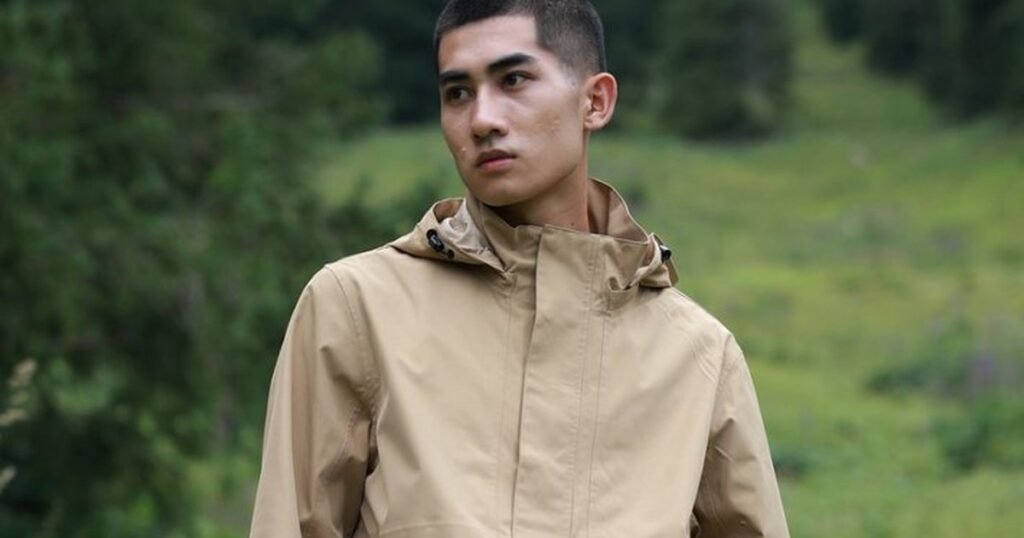
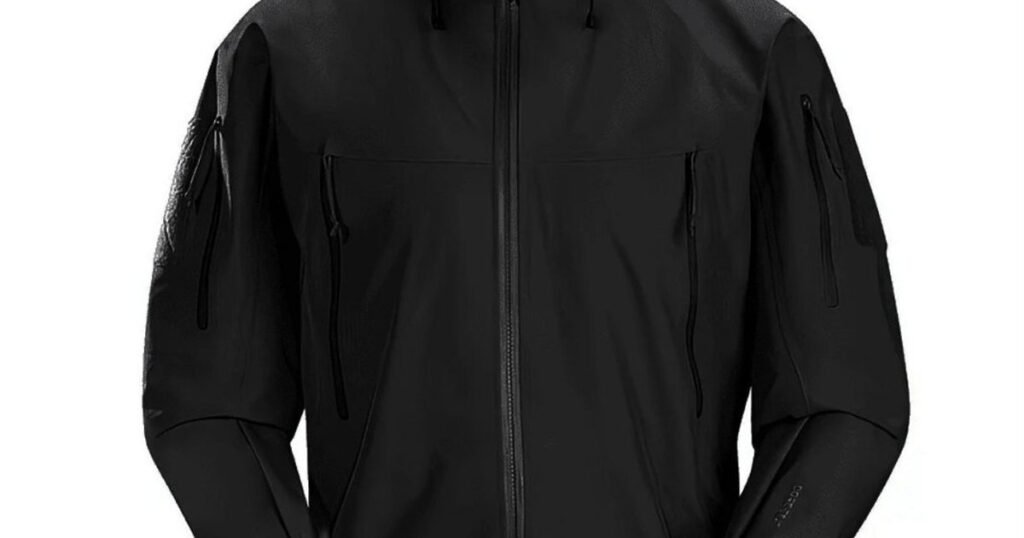
A softshell jacket sits between a fleece and a hardshell rain jacket. It combines stretch-woven face fabric, a bonded membrane or fleece backing, and water-resistant treatment into a single breathable layer. The construction demands precision: misaligned bonding creates cold spots, inadequate DWR leads to wet-out during light rain, and poorly placed seams restrict movement during active use. Buyers need a OEM jacket manufacturing partner who understands these technical requirements and can execute them at realistic order quantities.
Executive Summary
- Sample MOQ: 1 piece allows brands to test fit, fabric hand, and DWR performance before committing to bulk production.
- Bulk MOQ: 30 pieces per SKU enables small outdoor brands and corporate buyers to launch without inventory risk.
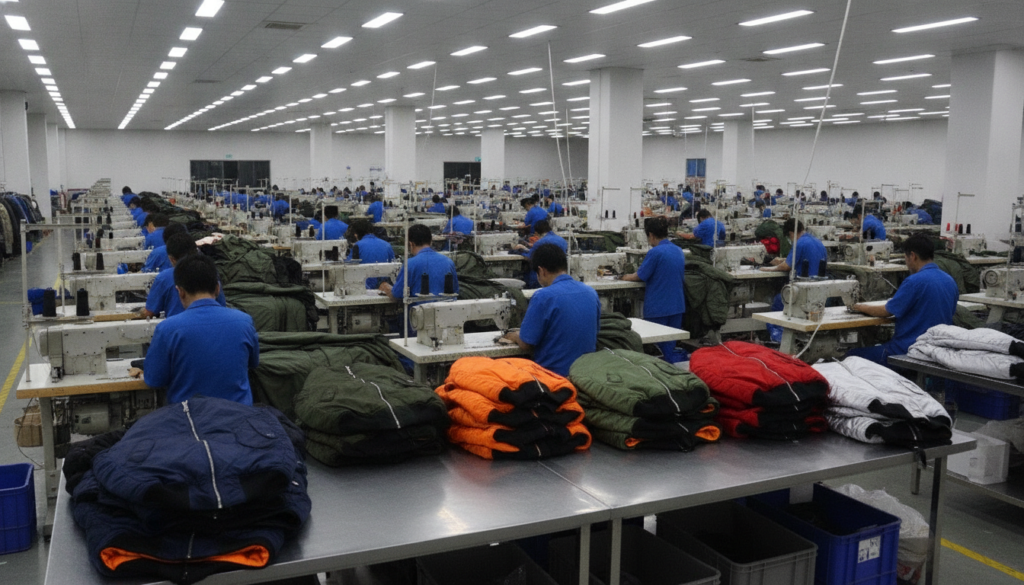
- Production capacity: 3,000m² facility in Taizhou Sanmen with 240 workers and 20 production lines delivers 200,000 pieces annually.
- Sampling turnaround: 7-10 days from pattern approval to finished sample, including fabric sourcing and bonding.
- Certifications held: ISO 9001, SGS, and PFC-Free DWR; OEKO-TEX Standard 100, BSCI, and GRS certifications in progress.
What Defines Quality Softshell Construction
Softshell jackets fail when the bonding delaminates, the DWR wets out, or the stretch fabric loses recovery after a dozen wears. Quality construction starts with fabric selection and bonding method, then extends through seam placement and finishing details.
Three-Layer Bonding Architecture
A softshell typically bonds three layers: an outer stretch-woven nylon or polyester face (often with a grid or ripstop pattern for abrasion resistance), a middle windproof membrane (polyurethane or ePTFE), and an inner fleece or jersey knit for next-to-skin comfort. The bonding adhesive must flex without cracking across the fabric’s stretch range. Low-quality adhesives delaminate at stress points (shoulders, elbows) within 20-30 wash cycles.
In our 12+ years manufacturing outdoor jackets in Taizhou and Yiwu, we’ve tested both hot-melt and solvent-based bonding. Hot-melt adhesives offer better wash durability and eliminate solvent emissions, but require precise temperature control during lamination. A temperature variance of 5°C creates weak bonds that fail under flex testing.
DWR Application and Longevity
A common complaint buyers raise is that breathable softshell jackets feel clammy once the face fabric wets out during sustained light rain. The DWR (durable water repellent) coating keeps water beading on the surface, which maintains breathability by preventing the face fabric from saturating. Once the DWR wears off, moisture penetrates the face fabric, blocking vapor transmission even though the membrane itself remains waterproof.
PFC-Free DWR: Uses fluorine-free chemistry to achieve water repellency without PFAS compounds. Requires reapplication every 15-20 washes depending on use intensity.
PFC-free DWR formulations have closed the performance gap with C6 fluorocarbon treatments over the past three years. We apply PFC-free DWR via pad-dry-cure process, which embeds the treatment into the fiber surface rather than coating it topically. This extends the effective life to 15-20 washes before retreatment is needed, compared to 8-10 washes for spray-applied treatments.
Articulated Patterning for Active Use
Flat-pattern softshells restrict shoulder rotation and pull up at the waist during overhead reaches. Articulated patterns pre-shape the sleeve and torso panels to match natural arm positions. The difference shows up during field testing: a well-articulated softshell allows full overhead reach without lifting the hem, while a flat-pattern jacket rides up 3-4 inches.
Key articulation points include:
- Gusseted underarms: Diamond-shaped panel at the armpit allows 180-degree arm rotation without binding.
- Pre-curved sleeves: Sleeve pattern bent 15-20 degrees at the elbow matches natural arm hang and reduces fabric strain during flexion.
- Dropped back hem: Rear hem 2-3 inches longer than front hem maintains coverage during forward bends and seated positions.
- Raglan or set-in sleeve: Raglan construction (diagonal seam from collar to underarm) offers better mobility; set-in sleeve (horizontal seam at natural shoulder) provides cleaner lines for corporate styles.
MOQ and Sampling Requirements
Order minimums determine whether a brand can afford to test multiple styles or must commit to a single design before seeing a sample. The gap between sampling cost and bulk pricing also affects how many iterations a buyer can afford during development.
Sample Development Terms
Our sample development process starts at 1 piece per style. The $100 sample fee covers pattern-making, fabric sourcing (minimum 3 meters for cutting and reserve), bonding, and assembly. This fee is fully refundable against bulk orders of 30+ pieces per SKU, which means brands testing 3-4 styles pay $300-400 upfront and recover that investment when they select a winner and place production.
Sampling timeline breaks down as follows:
- Day 1-2: Tech pack review and pattern digitization. We flag any construction details that will affect cost or lead time (e.g., laser-cut ventilation holes, bonded pocket flaps).
- Day 3-5: Fabric sourcing and bonding. Standard 2-layer and 3-layer softshell fabrics ship from our Zhejiang suppliers within 48 hours; specialty fabrics (recycled content, organic cotton blends) add 3-5 days.
- Day 6-8: Cutting, sewing, and finishing. A single sample runs through the same production line as bulk orders, so construction quality matches final production.
- Day 9-10: Quality inspection and photography. We document seam allowances, bonding integrity, and DWR bead test results before shipping.
Bulk Order Minimums
The 30-piece-per-SKU bulk minimum applies across all jacket categories we produce: softshell, hardshell, rain, ski, insulated, windbreaker, 3-in-1, workwear, and varsity styles. This threshold balances fabric purchasing efficiency (most technical fabrics require 50-meter minimums per colorway) with small-brand accessibility.
Unit cost depends on fabric weight, bonding complexity, and trim specifications. A basic 2-layer softshell with jersey knit backing and minimal branding hits the lower end of each range. A 3-layer softshell with ePTFE membrane, articulated patterning, and embroidered logos lands at the upper end.
Dropshipping and Print-on-Demand
For brands testing market demand before committing to inventory, we offer 1-piece fulfillment through our low-MOQ jacket manufacturing service. This model works for corporate gifting programs and DTC brands running pre-order campaigns. The per-piece cost runs 40-60% higher than bulk pricing, but eliminates inventory holding costs and obsolescence risk.
Technical Fabric Options
Softshell fabric selection determines breathability, water resistance, stretch recovery, and durability. The wrong fabric choice shows up as customer complaints about clamminess (insufficient breathability), wet-through (inadequate water resistance), or sagging (poor stretch recovery).
Face Fabric Construction
The outer face fabric must balance abrasion resistance with stretch and breathability. Most softshells use one of three constructions:
- Plain weave with mechanical stretch: Nylon or polyester woven at 45-degree bias provides 10-15% stretch without elastic fiber. Durable but less breathable than knit-backed options.
- Stretch woven with spandex: 5-15% spandex content delivers 20-30% four-way stretch. Requires careful bonding to prevent spandex degradation from heat exposure.
- Grid fleece face: Raised grid pattern on face fabric increases surface area for faster moisture wicking. Popular for high-output activities but shows wear faster than smooth weaves.
Membrane and Backing Options
The middle layer controls wind resistance and water vapor transmission. Three common approaches:
- Polyurethane (PU) membrane: Bonded PU film blocks wind and sheds light precipitation while allowing water vapor to pass through. Less expensive than ePTFE but degrades faster under UV exposure and repeated flexing.
- ePTFE membrane: Expanded polytetrafluoroethylene (Gore-Tex and similar) offers higher breathability and longer lifespan than PU. Adds $8-12 per jacket to material cost.
- Fleece backing without membrane: Brushed polyester fleece bonded directly to face fabric maximizes breathability for high-output use but offers minimal water resistance. Best for dry climates or layering systems.
Weight and Stretch Specifications
Softshell fabric weight ranges from 200 GSM (grams per square meter) for lightweight spring jackets to 400 GSM for winter-weight shells. Heavier fabrics provide more warmth and wind resistance but reduce breathability and increase pack weight.
Stretch percentage affects both comfort and durability:
- 10-15% stretch: Sufficient for casual wear and low-intensity activities. Minimal spandex content extends fabric lifespan.
- 20-25% stretch: Allows unrestricted movement during climbing, skiing, and other dynamic activities. Requires higher-quality spandex to maintain recovery after repeated stretching.
- 30%+ stretch: Used in technical alpine and ski-touring shells. Demands premium elastic fiber and careful bonding to prevent delamination under extreme flex.
Customization Capabilities
Custom softshell jacket manufacturing extends beyond fabric selection to include branding, fit modifications, and feature additions that differentiate a product line or meet specific end-use requirements.
Branding and Logo Placement
Our custom logo service handles five decoration methods, each suited to different fabric types and durability requirements:
- Embroidery: Thread count up to 15,000 stitches creates raised logos with excellent wash durability. Works best on chest, sleeve, and back yoke placements. Minimum size 2 inches wide for legibility.
- Heat transfer: Vinyl or plastisol transfers bond to fabric under heat and pressure. Ideal for large back graphics or multi-color designs where embroidery would be cost-prohibitive. Durability rated to 50+ washes.
- Sublimation printing: Dye sublimation embeds ink into polyester fibers, creating photographic-quality graphics that won’t crack or peel. Requires 100% polyester fabric; does not work on nylon or cotton blends.
- Screen printing: Plastisol or water-based inks printed directly on fabric. Best for large quantities (100+ pieces) where setup costs amortize across the run. Offers brightest colors and sharpest edges.
- Woven labels: High-density woven polyester labels sewn into neck, hem, or pocket. Communicates brand story and care instructions without adding bulk or affecting fabric hand.
Fit and Pattern Modifications
Standard sizing runs from XS to 3XL based on US men’s and women’s fit blocks. Custom grading accommodates athletic fits (narrower waist, broader shoulders), relaxed fits (additional ease through torso), and tall/short length modifications.
Pattern modifications we commonly execute include:
- Sleeve length adjustment: Add or subtract 1-2 inches from standard sleeve length to match target demographic (tall, petite, youth).
- Torso length variation: Extend or shorten front and back body panels by up to 3 inches without affecting armhole or shoulder fit.
- Waist shaping: Add side-seam shaping or adjust hem circumference to create fitted, semi-fitted, or relaxed silhouettes.
- Hood addition or removal: Integrate a roll-away hood, removable hood, or eliminate hood entirely for corporate styles.
Feature Customization
Functional features differentiate a softshell for specific activities or environments:
- Pit zips: Two-way zippers under each arm dump heat during high-output activity. A frequent frustration with waterproof jackets is overheating during strenuous use; pit zips address this by allowing rapid ventilation without removing the jacket.
- Napoleon chest pocket: Vertical-zip pocket positioned high on chest keeps phone and wallet secure during active movement. Interior storm flap prevents water intrusion.
- Adjustable cuffs: Hook-and-loop tabs or elastic binding with thumb loops seal out wind and allow glove-compatible fit adjustments.
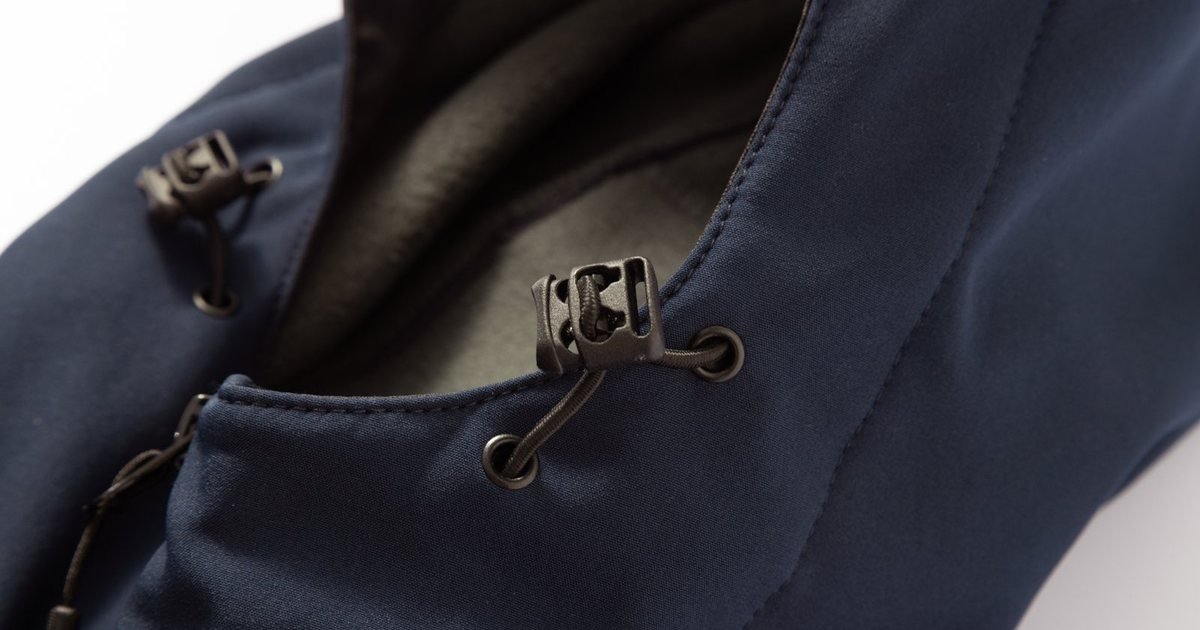
- Hem drawcord: Internal or external drawcord with cord locks cinches hem to prevent updrafts and improve heat retention.
- Media port: Interior routing channel and grommet for headphone or hydration tube pass-through.
Quality Control and Certification
Quality control failures in softshell production typically surface as bonding delamination, seam failure, or DWR inconsistency. These defects often don’t appear until after the first wash or 10-20 hours of field use, which makes in-process inspection critical.
In-Line Inspection Protocol
Our 3,000m² Taizhou Sanmen facility runs a three-stage inspection process:
- Fabric incoming inspection: Roll-by-roll check for bonding integrity, DWR bead test, and color consistency against approved lab dip. We reject rolls with delamination, uneven coating, or color variation exceeding Delta E 2.0.
- Mid-production inspection: After 10% of order quantity is assembled, we pull 5 pieces for fit check, seam strength testing (minimum 50N breaking strength for softshell seams), and zipper cycle testing (500 cycles minimum).
- Final inspection: AQL 2.5 sampling across finished goods checks 32 measurement points, verifies all branding placement, and confirms DWR performance (water bead angle >90 degrees).
Certifications and Compliance
We hold ISO 9001 for quality management systems, SGS factory audit certification, and PFC-Free DWR certification. OEKO-TEX Standard 100, BSCI social compliance and Global Recycled Standard (GRS) are pending, not yet held.
Testing Standards
Technical outerwear demands performance testing beyond visual inspection. We conduct or source third-party testing for:
- Water resistance: AATCC 22 spray test measures water repellency on a 0-100 scale; softshells typically score 80-90 when new, dropping to 50-60 after 20 washes without DWR retreatment.
- Breathability: ASTM E96 moisture vapor transmission rate (MVTR) quantifies how many grams of water vapor pass through one square meter of fabric in 24 hours. Quality softshells achieve 5,000-15,000 g/m²/24hr.
- Abrasion resistance: Martindale test cycles fabric against weighted abrasive surface; softshell face fabrics should withstand 25,000+ cycles before showing visible wear.
- Seam strength: ASTM D1683 grab test measures force required to break a sewn seam; softshell seams must exceed 50N to survive pack strap abrasion and repeated flexing.
Production Timeline and Process
Lead time planning affects inventory management, seasonal launch timing, and the ability to respond to reorders. A custom softshell jacket manufacturer with transparent timelines allows brands to plan marketing campaigns and pre-order windows accurately.
Pre-Production Phase
The pre-production window runs 10-15 days from order confirmation to cutting:
- Days 1-3: Tech pack finalization and pattern grading. We digitize approved sample patterns and grade across the full size range, generating cut files for each size.
- Days 4-8: Fabric and trim procurement. Standard softshell fabrics ship from Zhejiang suppliers within 3-5 days. Specialty fabrics (GRS-certified recycled, organic cotton blends) require 7-10 days. Zippers, drawcords, and elastic ship within 48 hours from our trim suppliers in Yiwu.
- Days 9-10: Fabric bonding and pre-treatment. Face fabric, membrane, and backing layers run through our bonding line at controlled temperature and pressure. Post-bonding inspection checks for delamination, wrinkles, and adhesive bleed-through.
- Days 11-15: Fabric relaxation and cutting. Bonded fabric rests for 24-48 hours to stabilize before cutting. Our CAD-driven cutting tables optimize marker layout to minimize waste (typically 8-12% waste factor for softshells).
Production Phase
Assembly runs 15-20 days depending on order quantity and feature complexity:
- Days 1-5: Sub-assembly. Pockets, hoods, and cuffs are assembled separately before attaching to main body panels. This parallel workflow reduces bottlenecks on the main assembly line.
- Days 6-12: Main assembly. Cut panels move through 20 production lines, each staffed with 12 operators. A softshell jacket requires 35-45 operations (seaming, zipper insertion, trim attachment, topstitching) depending on feature count.
- Days 13-15: Finishing and pressing. Jackets are thread-trimmed, pressed to set seams, and fitted with hang tags and size labels.
- Days 16-18: Quality inspection and packing. Final AQL 2.5 inspection pulls samples across the production run. Approved jackets are poly-bagged individually, then carton-packed for shipping.
- Days 19-20: Warehouse staging and shipping documentation. Cartons are palletized, stretch-wrapped, and staged for freight pickup. Commercial invoice, packing list, and certificate of origin are prepared for customs clearance.
Shipping and Logistics
We ship from Ningbo port (90 minutes from our Taizhou facility) or Yiwu for consolidation with other orders. Transit times to major markets:
- US West Coast: 18-22 days ocean freight to Los Angeles or Seattle
- US East Coast: 28-32 days ocean freight to New York or Savannah
- Europe: 25-30 days ocean freight to Rotterdam or Hamburg
- Australia: 20-25 days ocean freight to Sydney or Melbourne
- Air freight: 5-7 days door-to-door for urgent reorders or sample shipments
Key Takeaways
- Sample MOQ of 1 piece with $100 refundable fee allows brands to test fabric hand, fit, and DWR performance before committing to bulk production.
- Bulk MOQ of 30 pieces per SKU enables small outdoor brands and corporate buyers to launch product lines without tying up working capital in excess inventory.
- PFC-Free DWR certification confirms water-repellent chemistry contains no PFAS compounds, addressing growing regulatory restrictions in US and EU markets.
- ISO 9001 certification establishes documented quality management systems across fabric sourcing, bonding, assembly, and final inspection.
- Three-layer bonding architecture combines stretch-woven face fabric, windproof membrane, and fleece backing into a single breathable layer that maintains water resistance without the weight of a hardshell jacket.
- Production capacity of 200,000 pieces annually across 20 production lines and 240 workers in a 3,000m² Taizhou Sanmen facility supports both small-batch and mid-volume orders.
FAQ
What is the minimum order quantity for custom softshell jackets?
Sample MOQ is 1 piece with a $100 sample fee that is fully refundable against bulk orders. Bulk production MOQ is 30 pieces per SKU, which allows small brands and corporate buyers to launch without excess inventory risk. This threshold balances fabric purchasing efficiency with accessibility for emerging brands.
How long does softshell jacket sampling take?
Sampling requires 7-10 days from tech pack approval to finished sample. This includes pattern digitization (1-2 days), fabric sourcing and bonding (3-5 days), cutting and assembly (2-3 days), and quality inspection. Specialty fabrics like recycled content or organic blends may add 3-5 days to the timeline.
What certifications should I look for in a softshell jacket manufacturer?
ISO 9001 confirms documented quality management systems. OEKO-TEX Standard 100 verifies fabric testing for harmful substances. BSCI certification covers social compliance and labor standards. GRS (Global Recycled Standard) validates recycled content claims. PFC-Free DWR certification confirms water-repellent chemistry contains no PFAS compounds, which matters for regulatory compliance in US and EU markets.
How do I prevent DWR wet-out on softshell jackets?
DWR (durable water repellent) wears off after 15-20 washes depending on use intensity. Reapply DWR treatment using spray-on or wash-in products designed for technical fabrics. Tumble-dry on low heat after reapplication to reactivate the treatment. Store jackets clean and dry, as dirt and body oils accelerate DWR degradation. Avoid fabric softener, which coats fibers and blocks DWR effectiveness.
What is the difference between softshell and hardshell jackets?
Softshell jackets combine stretch fabric, breathability, and light water resistance in a single comfortable layer. They excel during high-output activities in dry or light-precipitation conditions. Hardshell jackets use waterproof-breathable membranes (Gore-Tex, eVent) with taped seams for full rain protection but feel less breathable and comfortable during active use. Softshells work best as outer layers in dry climates or mid-layers under hardshells in wet conditions.
Ready to develop your custom softshell jacket line with accessible minimums and transparent lead times?
Request 1-piece samples →
Written by Ivan Chen, Sales Engineer at PTOUTWEAR – 13 years in outdoor apparel manufacturing.