The difference: a fleece is a pure insulating mid-layer with no wind or water resistance, while a softshell is a wind- and water-resistant outer layer with a bonded backer that adds some warmth. Fleece is worn under a shell for warmth; a softshell is worn as the outermost layer in mild, dry-to-damp conditions. A softshell sacrifices some warmth-per-weight to gain weather protection a fleece doesn’t have.
For B2B buyers, the two often get confused because both are “soft” and both can be worn alone in mild weather. But they sit in different parts of the layering system, and speccing the wrong one means a jacket that’s either too cold for the conditions or too bulky for the job. As a factory building both, here’s how we draw the line.
Softshell vs Fleece in One Sentence
Fleece is an insulating layer optimized for warmth-per-gram; a softshell is a protective layer that adds wind resistance, water repellency, and durability at the cost of some warmth.
What Is a Fleece Jacket?
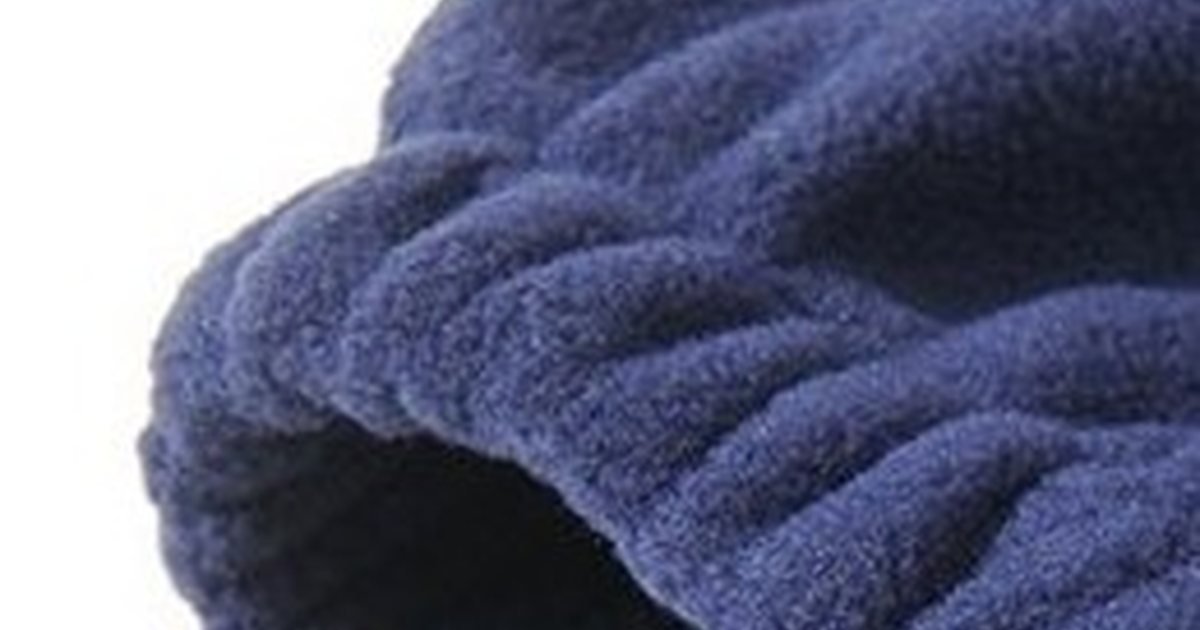
Fleece is a brushed knit polyester pile that traps warm air in its lofted fibers. It’s light, fast-drying, and breathable — but wind blows straight through it and rain soaks it. Fleece is graded by weight:
- 100-weight — light, packable, base/mid-layer
- 200-weight — standard mid-layer warmth
- 300-weight — heavy, cold-weather mid-layer
It’s the classic mid-layer worn under a hardshell or softshell, and it competes with down as an insulator — see fleece vs down.
What Is a Softshell Jacket?
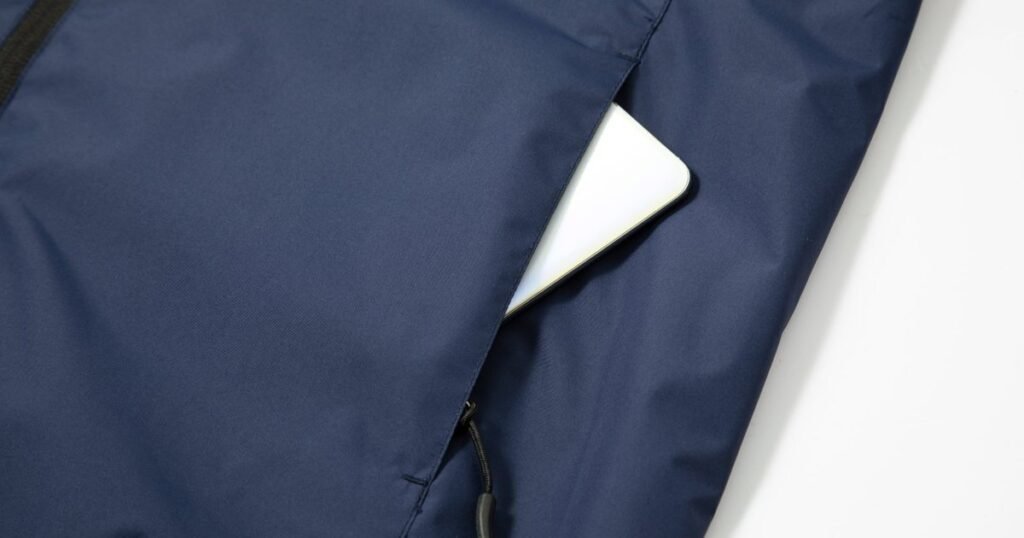
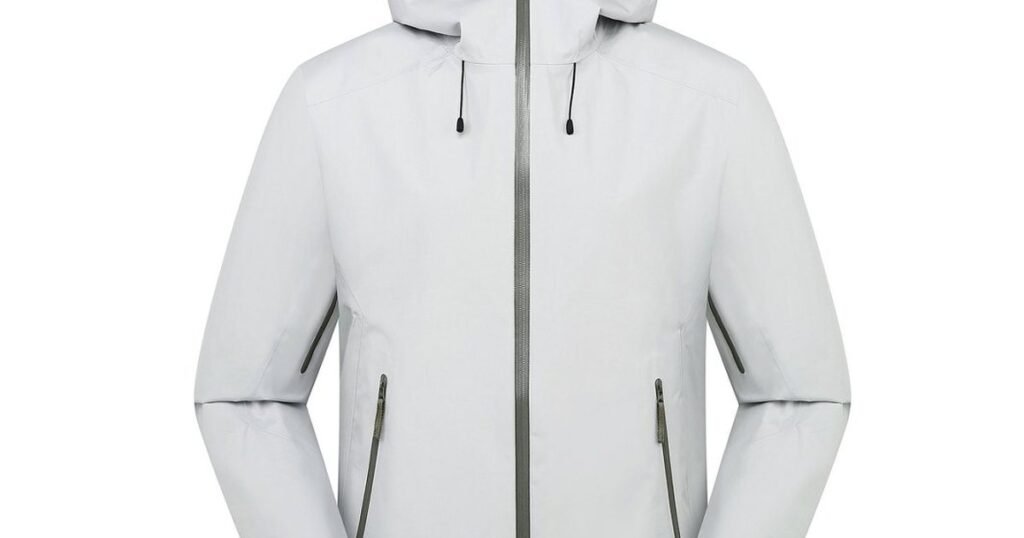
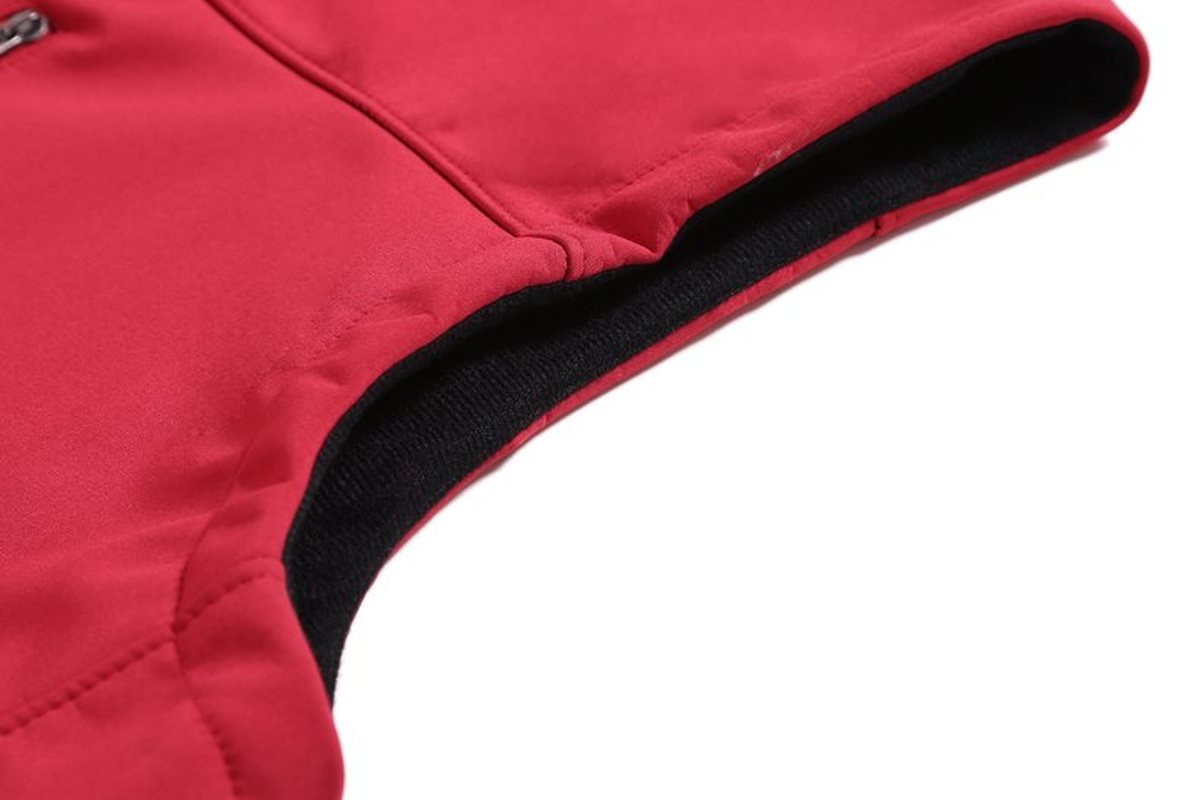
A softshell is a woven stretch face bonded to a backer (often fleece or tricot), finished with DWR. The bonded build gives it:
- Wind resistance — the dense woven face slows wind a fleece can’t.
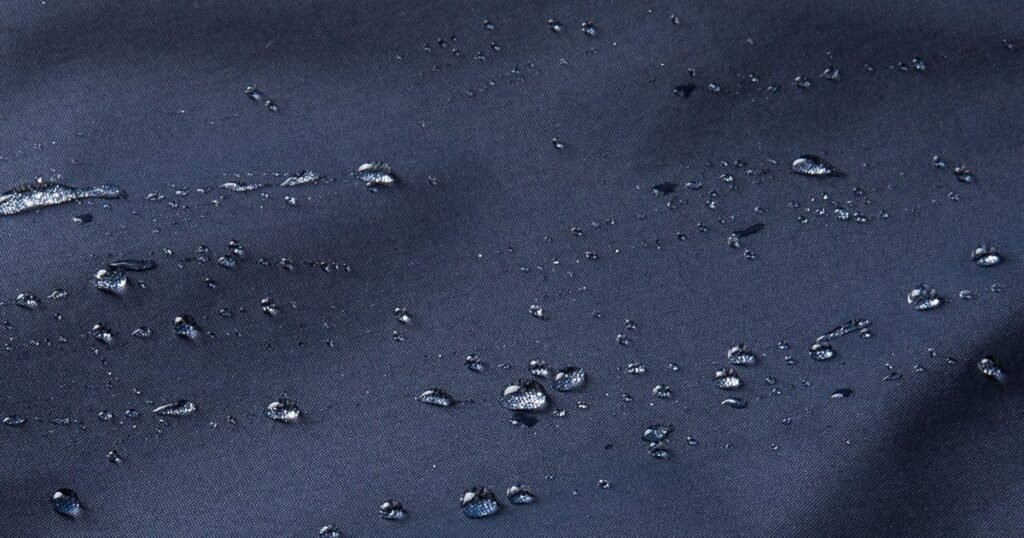
- Water repellency — DWR sheds light rain (but it’s not waterproof).
- Durability — the woven face resists abrasion and pilling far better than fleece.
- Some warmth — the backer insulates, though less than dedicated fleece of the same weight.
Side-by-Side Comparison
| Property | Fleece | Softshell |
|---|---|---|
| Primary job | Insulation | Weather protection |
| Wind resistance | None | Good |
| Water repellency | None | DWR (light rain) |
| Warmth per gram | High | Moderate |
| Abrasion resistance | Low (pills) | High |
| Stretch | Moderate | High |
| Worn as | Mid-layer | Outer layer |
| Breathability | Excellent | Very good |
Which Should You Spec?
| If your customer needs… | Spec a… |
|---|---|
| Maximum warmth-per-weight under a shell | Fleece |
| A wind/water-resistant standalone jacket | Softshell |
| A budget mid-layer | Fleece |
| An active outer layer for mild climates | Softshell |
| A durable everyday jacket | Softshell |
Many lines carry both: fleece as the affordable warmth layer and softshell as the do-it-all outer. For dropship and small-batch programs in temperate markets, a softshell is usually the stronger single-SKU choice because it works as a standalone jacket, while fleece needs a shell over it to handle weather.
Specifying Each as a B2B Buyer
For fleece, define: pile weight (100/200/300), anti-pill finish, and whether it has a wind-resistant membrane laminated in (a “fleece-shell” hybrid).
For softshell, define: face fabric and stretch %, backer type and weight, DWR (and whether PFC-free), and wind resistance.
The key honesty point: label fleece as warmth, not weather protection, and label softshell as water-resistant, never waterproof.
Frequently Asked Questions
Is a softshell warmer than fleece?
Not at the same weight. Fleece delivers more warmth per gram because all of its construction goes toward insulation. A softshell feels warmer in wind, though, because its woven face blocks the airflow that strips heat from open fleece.
Can you wear a softshell over a fleece?
Yes, and it’s a common layering combo. The fleece provides the insulation while the softshell adds wind and light-rain protection. In colder or wetter conditions you’d swap the softshell for a waterproof hardshell.
Is fleece or softshell better for hiking?
It depends on conditions. Fleece is better as a mid-layer for high-output cold hikes where breathability matters most. A softshell is better as a standalone layer for mild, breezy, or drizzly hikes where some weather protection is needed.
What MOQ is needed for custom fleece or softshell jackets?
At PTOUTWEAR, both start at a 30-piece MOQ with 1-piece sampling, so you can compare fleece weights or softshell fabrics on real samples before committing to production.
Build the Right Layer for Your Line
Fleece and softshell aren’t rivals — they’re two layers solving two jobs. The choice comes down to whether your customer needs warmth (fleece) or weather protection (softshell), and many lines need both. At PTOUTWEAR we manufacture custom softshell jackets and fleece layers from 30-piece MOQ with 1-piece sampling. Our sample development team can match the right pile weight or bonded softshell to your climate and price point.