Fill power measures the loft (fluffiness) of down — the cubic inches one ounce fills. Higher fill power (800, 900) means better warmth-to-weight, so you need less down for the same warmth; lower fill power (550, 650) is heavier and cheaper for the same warmth. Fill power is a quality grade, not a warmth total — a thin 900-fill jacket can be less warm overall than a thick 650-fill one, because warmth also depends on how much down is used (fill weight).
This is the spec B2B buyers most often misread, assuming higher fill power simply means warmer. As a factory that sources and sews down, here’s the accurate version. (Choosing between down and synthetic? See our synthetic vs down guide.)
Fill Power in One Sentence
Fill power is the loft-per-ounce of down — a quality/efficiency grade where higher numbers mean more warmth per gram, not more total warmth.
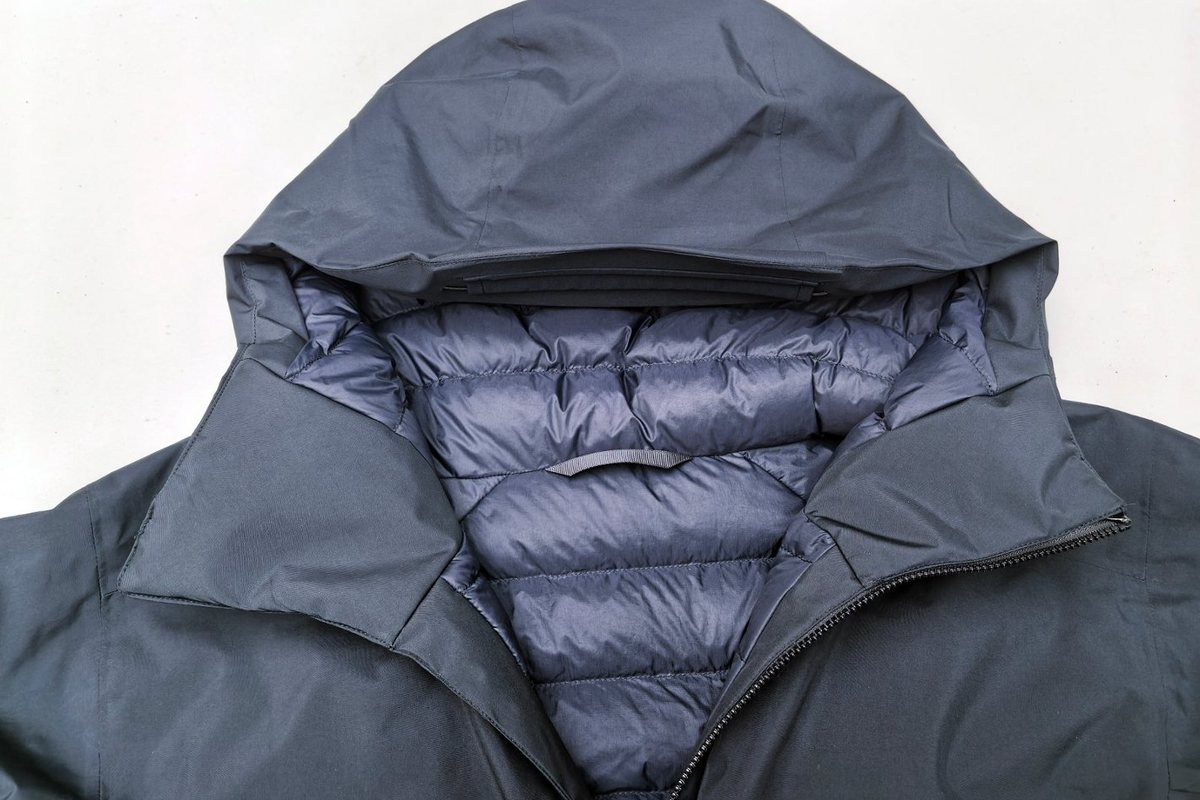
How Fill Power Is Measured
One ounce of down is placed in a cylinder and the volume it lofts to is measured in cubic inches. 800 fill power means one ounce expands to fill 800 cubic inches. More loft = more trapped air = more insulation per gram.
| Fill power | Quality grade |
|---|---|
| 450–550 | Entry-level, heavy |
| 600–650 | Good mid-range |
| 700–750 | High quality |
| 800–850 | Premium |
| 900+ | Top-tier expedition |
Fill Power vs Fill Weight — The Critical Distinction
Two separate numbers determine a down jacket’s warmth:
- Fill power = quality/loft of the down (650, 800, 900)
- Fill weight = how many grams of down are stuffed in (100g, 200g)
Total warmth ≈ fill power × fill weight. A jacket with 200g of 650-fill can be warmer than one with 80g of 900-fill. Higher fill power lets you hit a warmth target with less weight and bulk — that’s its real advantage, not raw warmth.
650 vs 800 vs 900 in Practice
| 650 fill | 800 fill | 900 fill | |
|---|---|---|---|
| Warmth-to-weight | Good | Excellent | Best |
| Packability | Moderate | High | Highest |
| Cost | $ | $$ | $$$ |
| Best use | Value jackets, urban | Premium outdoor | Expedition / ultralight |
| Down needed for X warmth | Most | Less | Least |
For most commercial outdoor lines, 800 fill is the sweet spot — premium warmth-to-weight without the steep price jump to 900. 650 wins on value programs; 900 is for ultralight or expedition positioning.
Down Quality Beyond Fill Power
Fill power isn’t the only down spec:
- Down-to-feather ratio (e.g., 90/10) — more down, less feather = better
- Origin — goose vs duck (goose often lofts higher)
- Ethics — RDS certification for responsibly sourced down, a strong EU/US buyer requirement
- Treatment — hydrophobic (water-resistant) down for wet climates
Specifying Down as a B2B Buyer
Define: fill power (650/800/900), fill weight in grams, down/feather ratio (e.g., 90/10), origin (goose/duck), RDS if needed, and hydrophobic treatment if for damp climates. The classic mistake is speccing a high fill power but a low fill weight — the hangtag says “900 fill” but the jacket is thin and cold.
Frequently Asked Questions
Is higher fill power always warmer?
No. Higher fill power means more warmth per gram of down, not more total warmth. A jacket’s overall warmth depends on fill power × fill weight, so a thick 650-fill jacket can be warmer than a thin 900-fill one. Higher fill power’s real benefit is the same warmth at less weight and bulk.
What is a good fill power for a down jacket?
For most outdoor jackets, 700–800 fill power is the quality sweet spot, balancing warmth-to-weight and cost. 600–650 is solid for value jackets; 900+ is reserved for ultralight and expedition gear where every gram counts.
What’s the difference between fill power and fill weight?
Fill power is the quality of the down (how much it lofts per ounce); fill weight is the quantity of down used (in grams). Fill power tells you efficiency; fill weight tells you how much insulation is there. You need both numbers to judge warmth.
What MOQ is required for custom down jackets?
At PTOUTWEAR, custom down jackets start at a 30-piece MOQ with 1-piece sampling, so you can verify the fill power, fill weight, and loft of a real sample before committing to production.
Spec Down With a Factory That Sources It
Fill power is a quality grade, not a warmth total — read it alongside fill weight or you’ll mis-spec the jacket. At PTOUTWEAR we source RDS-eligible down and sew custom insulated jackets from 30-piece MOQ with 1-piece sampling. Our OEM manufacturing team can balance fill power, fill weight, and cost to hit your warmth target and price point.