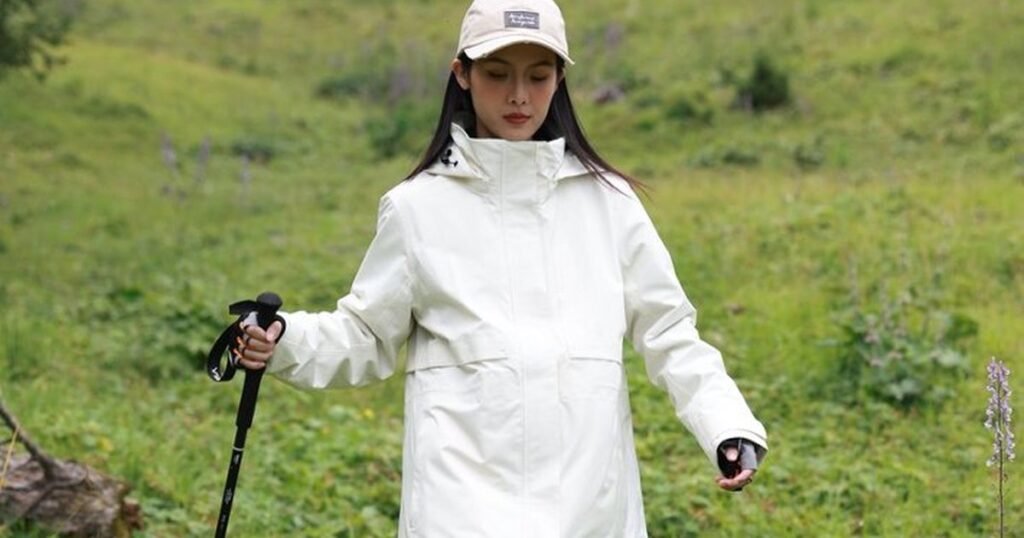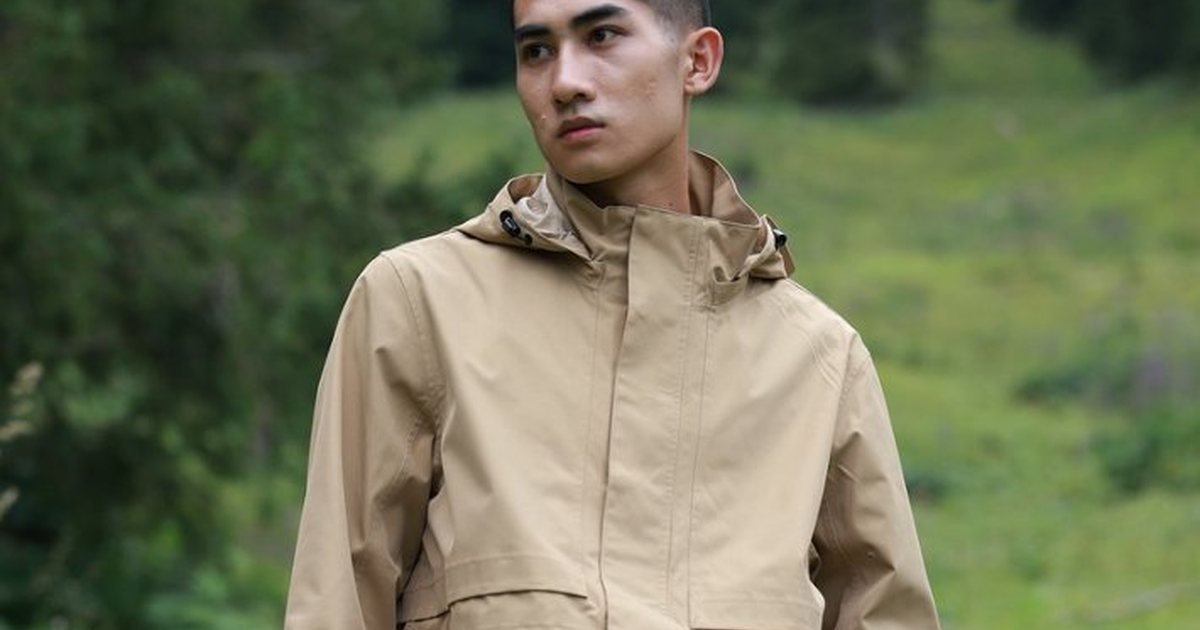
How to choose an outdoor jacket starts with matching three technical specifications to your use case: waterproofing rated at 10,000mm hydrostatic head or higher for sustained rain, breathability of at least 10,000g/m²/24h MVTR to prevent interior condensation during exertion, and fully taped seams to eliminate leak points at stitching. A hardshell with a laminated membrane suits alpine and winter conditions, while a softshell with DWR coating works for dry-climate hiking and high-output activity where ventilation matters more than absolute rain protection.
📋 Table of Contents
- Executive Summary
- How Do You Match Shell Type to Activity?
- What Waterproofing and Breathability Specs Should You Target?
- Why Does Seam Construction Determine Durability?
- How Do You Evaluate Fit and Layering Room?
- Which Design Features Affect Field Performance?
- How Do You Source Custom Outdoor Jackets for Your Brand?
- Key Takeaways
- FAQ
Executive Summary
- Market scale: The global outdoor apparel market was valued at about $16.2 billion in 2025, according to Grand View Research.
- Durability priority: More than 60% of outdoor consumers in many major markets say durability is a top purchase driver for jackets and outerwear, according to McKinsey (2025).
- Waterproofing benchmark: Waterproof-breathable garments commonly target hydrostatic head performance above 10,000 mm for serious outdoor use, according to ISO 811 (2025).
- Breathability standard: Breathability benchmarks for performance jackets often use MVTR or RET testing, with many brand specs aiming for MVTR above 10,000 g/m²/24h or RET below 13, according to bluesign (2025).
- Sustainability factor: Around 30% of apparel buyers now consider recycled or preferred fibers a decisive factor in technical outerwear sourcing, according to Textile Exchange (2025).
How Do You Match Shell Type to Activity?
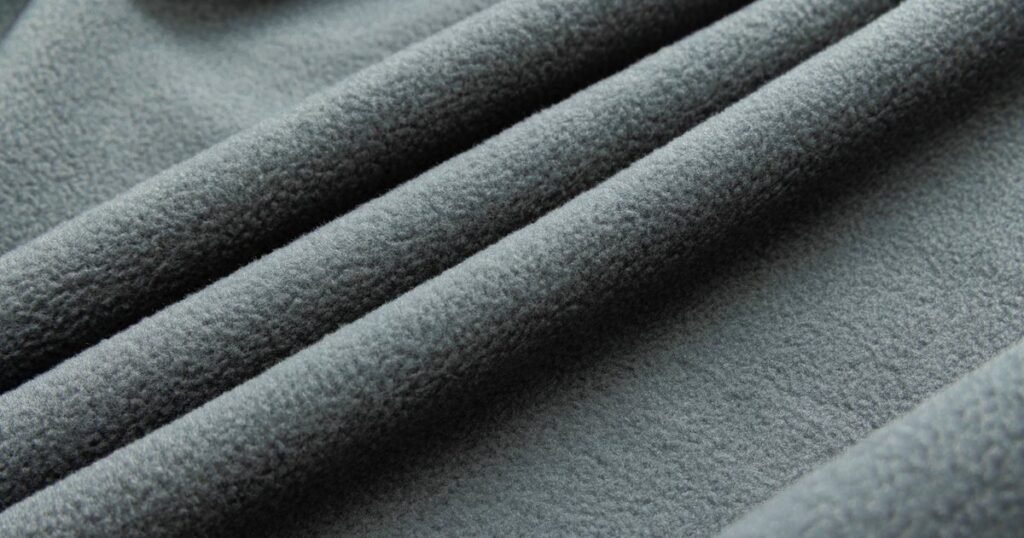
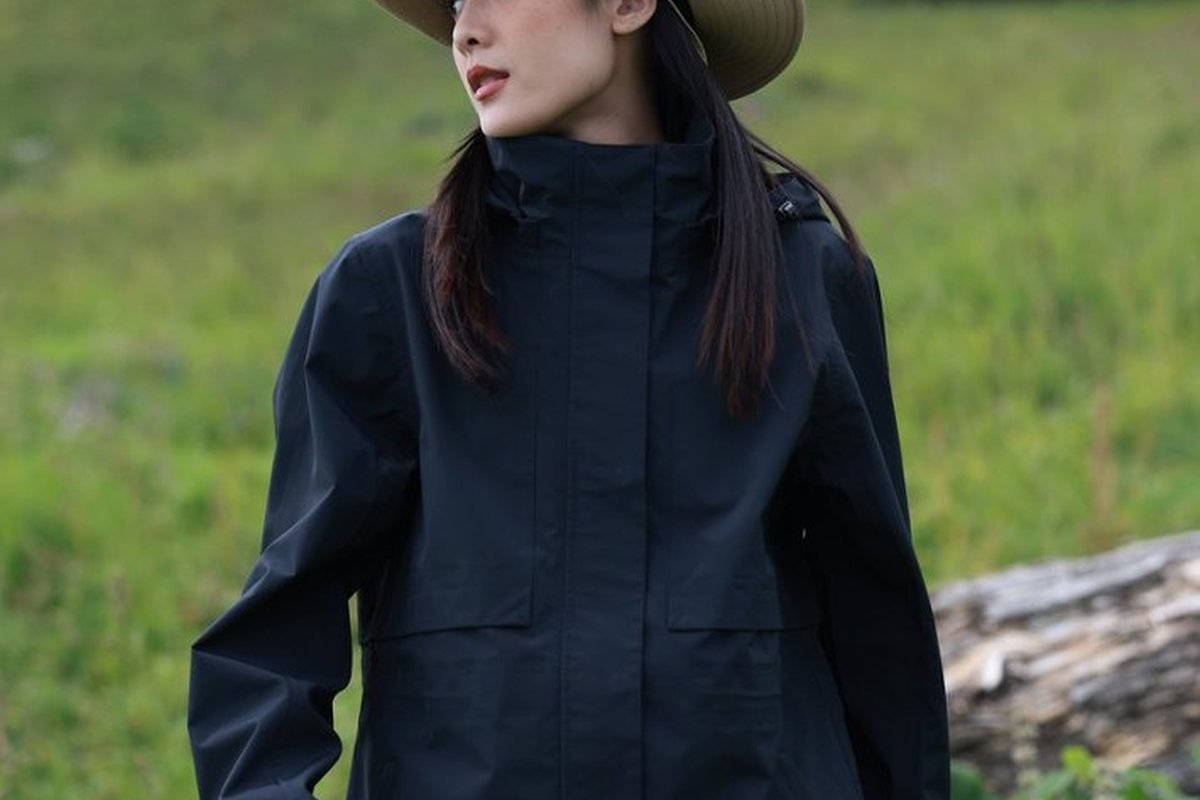
Shell type determines whether a jacket excels in wet alpine conditions or dry high-output activity. Hardshells use a laminated waterproof-breathable membrane bonded to the face fabric, delivering absolute rain protection but lower air permeability. Softshells rely on tightly woven face fabrics treated with durable water repellent (DWR) coating, offering superior breathability and stretch but only light rain resistance. Choosing the wrong shell for your climate and exertion level leads to either soaking from the inside due to trapped sweat or penetration from sustained external moisture.
Hardshell Jackets
Hardshells suit alpine climbing, winter mountaineering, ski touring, and any scenario where prolonged exposure to rain, sleet, or wet snow is expected. The laminated membrane blocks liquid water while allowing water vapor to escape, maintaining dryness during multi-hour storms. Most hardshells use 2-layer, 2.5-layer, or 3-layer construction. A 3-layer hardshell bonds the membrane between the face fabric and a protective inner layer, eliminating the need for a separate mesh lining and reducing weight. PTOUTWEAR’s OEM jacket manufacturing facility produces 3-layer hardshells with PFC-free DWR and fully taped seams, tested to 10,000mm hydrostatic head minimum.
Softshell Jackets
Softshells excel in dry climates, fast-paced hiking, trail running, and shoulder-season conditions where breathability and mobility outweigh absolute waterproofing. The stretchy woven face fabric moves with your body and dumps heat rapidly during high-output activity. DWR coating sheds light rain and snow for 20 to 40 minutes before wetting out, but sustained downpours will penetrate. Many buyers report that softshells marketed as rain shells leak in wind-driven weather, a common complaint when DWR performance claims exceed actual field capability.
Hybrid and 3-in-1 Systems
Hybrid jackets combine hardshell panels in high-exposure areas (shoulders, hood) with softshell panels in high-sweat zones (underarms, back), balancing protection and ventilation. A 3-in-1 system pairs a waterproof shell with a zip-in insulated liner, allowing three configurations: shell only, liner only, or both together. This modularity suits variable conditions but adds weight and complexity. Corporate and team uniform buyers favor 3-in-1 designs for year-round programs, enabling one jacket to serve spring rain, fall wind, and winter cold without stocking separate styles.
What Waterproofing and Breathability Specs Should You Target?
Waterproofing and breathability are measured by standardized lab tests that predict field performance under rain and exertion. Hydrostatic head (HH) measures waterproofing by applying increasing water pressure to fabric until three drops penetrate. Moisture vapor transmission rate (MVTR) quantifies breathability by measuring grams of water vapor passing through one square meter of fabric over 24 hours. Targeting the right specs for your use case prevents both wet-out from external rain and condensation from trapped sweat.
Hydrostatic Head Testing (ISO 811)
ISO 811 measures waterproofing by clamping fabric under a tube of water and increasing pressure until liquid penetrates. A rating of 10,000mm means the fabric withstands a column of water 10 meters tall before leaking. Jackets rated below 5,000mm are water-resistant, not waterproof, and will fail in sustained rain. Many buyers discover that jackets marketed as rain shells leak in wind-driven weather because the actual HH rating falls below 10,000mm, a complaint frequently raised in outdoor gear reviews.
Moisture Vapor Transmission Rate (ASTM E96)
MVTR testing places fabric over a dish of water in a controlled-humidity chamber and measures vapor transmission over 24 hours. Higher MVTR indicates better breathability. A jacket with 5,000g MVTR traps sweat during moderate exertion, creating interior condensation that feels like a leak. Targeting 10,000g MVTR or higher ensures the membrane can evacuate perspiration during uphill hiking or ski touring. Some brands also cite RET (resistance to evaporative heat transfer), where lower numbers indicate better breathability; RET below 13 is considered good, below 6 is excellent.
DWR Coating Longevity
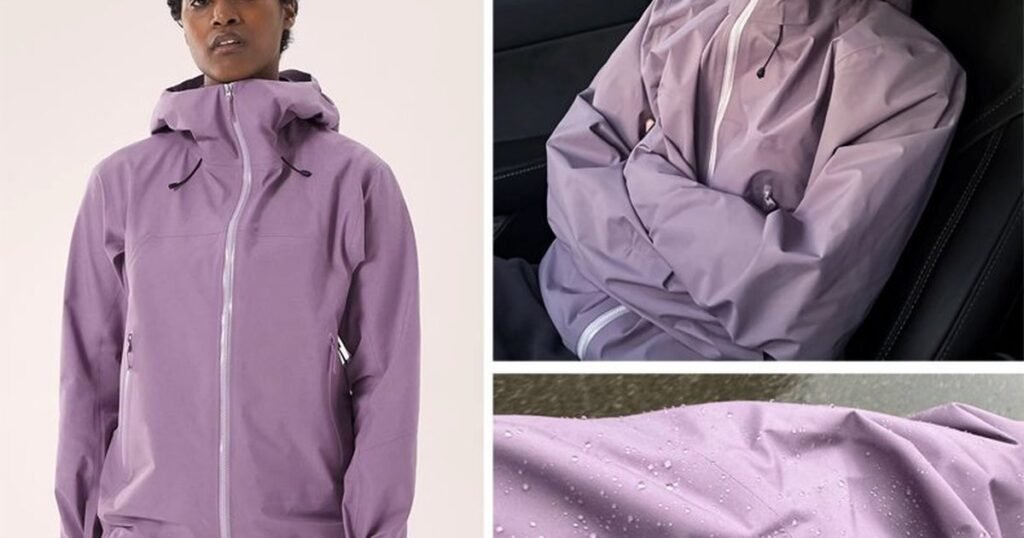
Durable water repellent coating on the face fabric causes water to bead and roll off rather than soaking in. Even when the membrane remains waterproof, a failed DWR allows the face fabric to wet out, making the jacket feel cold and clammy. This is one of the most common buyer complaints: the outer fabric saturates during rain, blocking breathability and creating a perception that the jacket leaks. DWR performance degrades with washing, abrasion, and UV exposure. PFC-free DWR formulations avoid perfluorinated chemicals but require more frequent reapplication. PTOUTWEAR applies PFC-free DWR certified by SGS, balancing environmental compliance with field durability.
Why Does Seam Construction Determine Durability?
Seam construction is the primary failure point in waterproof jackets. Every stitch creates a needle hole that penetrates the membrane, allowing water to wick through unless the seam is sealed. Buyers frequently report that zippers, seams, and seam tape fail before the shell fabric does, especially after repeated washing or heavy rain. Fully taped seams, reinforced stress points, and quality zippers extend jacket life from one season to five or more years of regular use.
Fully Taped Seams
Seam taping applies a thermoplastic tape over every stitched seam, heat-bonding it to seal needle holes. Fully taped seams cover 100% of stitching, including shoulder seams, sleeve seams, pocket seams, and zipper flaps. Critically taped seams seal only high-exposure areas like shoulders and hood, leaving underarm and side seams untaped. A jacket marketed as waterproof but only critically taped will leak at untaped seams during sustained rain. When evaluating how to choose an outdoor jacket, verify full seam taping on any hardshell intended for multi-hour wet exposure.
Reinforced Stress Points
High-stress areas such as shoulder seams (where pack straps rest), elbow patches, and hem corners experience concentrated abrasion and tension. Reinforcing these zones with bar-tack stitching or bonded overlays prevents seam blow-out. Our 3,000m² Taizhou Sanmen facility runs 20 production lines with in-house cut-and-sew and quality control checkpoints at seam reinforcement, catching weak stitching before garments leave the factory.
Zipper Quality and Sealing
Main zippers and pit-zip vents are common leak points. A waterproof zipper uses a laminated tape or coil construction that blocks water penetration even when closed under pressure. Standard coil zippers require a storm flap, an external fabric overlay that sheds rain away from the zipper teeth. YKK AquaGuard and similar waterproof zippers eliminate the need for bulky flaps, reducing weight and improving aesthetics. Buyers complain that zippers fail before shell fabric does, particularly when low-cost sliders bind or corrode after saltwater exposure or repeated freeze-thaw cycles.
How Do You Evaluate Fit and Layering Room?
Fit determines whether a jacket accommodates insulation layers underneath and allows full range of motion during climbing, skiing, or reaching overhead. A jacket sized for a single base layer will bind across the chest and restrict shoulder movement when you add a midlayer fleece. Conversely, excessive room adds weight, flaps in wind, and reduces thermal efficiency. Evaluating fit requires trying the jacket over the intended layering system and simulating field movements.
Chest and Shoulder Mobility
Raise both arms overhead and simulate ice-axe swings or trekking-pole plants. The hem should not ride up above your waist, and shoulder seams should not bind. Articulated sleeves, cut with a forward curve at the elbow, improve mobility and reduce fabric bunching. Gusseted underarms add a diamond-shaped fabric panel that expands when you raise your arms, preventing the body from lifting. Many hardshells omit underarm gussets to save cost, resulting in restricted movement and user complaints about poor fit during high-reach activity.
Torso Length and Hem Drop
Torso length should cover your lower back when bending forward, preventing rain from running down your spine during pack carry or uphill scrambling. A dropped hem, longer in the back than the front, adds coverage without extra weight. Adjustable hem drawcords cinch the jacket around your waist, sealing out wind and preventing the body from billowing. Team and uniform buyers often request extended torso length to accommodate diverse body types across a single size run, a spec easily adjusted during sampling when working with a low-MOQ jacket manufacturer.
Sleeve Length and Cuff Closure
Sleeve cuffs should extend to the base of your thumb when arms are relaxed, covering wrist gaps when you reach forward. Hook-and-loop cuff closures allow you to tighten the sleeve over a base layer or open it to fit over gloves. Elastic inner cuffs with thumb loops prevent the sleeve from riding up during overhead motion. Buyers mention that poorly designed cuffs allow rain to run down forearms into gloves, a frustration easily avoided by specifying dual-adjust cuffs with inner elastic and outer hook-and-loop straps during the sampling phase.
Which Design Features Affect Field Performance?
Hood adjustment, pocket placement, and ventilation features separate field-proven designs from cost-optimized jackets that fail under real-world use. A hood that does not adjust properly will block peripheral vision or blow off in wind. Pockets placed too low become inaccessible when wearing a backpack or work harness. Ventilation zippers that bind or lack two-way sliders force you to remove the jacket entirely to dump heat, interrupting workflow and increasing exposure.
Hood Design and Adjustment
A well-designed hood fits over a helmet, adjusts in two or three planes (front-to-back, side-to-side, and volume), and maintains peripheral vision when cinched. Single-pull adjustment, common on budget jackets, only tightens the face opening and does not secure the hood to your head during wind gusts. Three-point adjustment uses separate drawcords for face opening, rear volume, and front-to-back position, allowing a custom fit over bare head, beanie, or climbing helmet. A laminated brim stiffener keeps the hood from collapsing into your face during rain. Outdoor users frequently mention that hoods block side vision or blow off in wind, a design flaw that compromises safety during alpine travel.
Pocket Placement and Accessibility
Handwarmer pockets should sit above your hipbelt when wearing a backpack, typically 8 to 10 inches below the armpit. Chest pockets, sized for a smartphone or GPS unit, must remain accessible when wearing a pack with sternum strap. Internal mesh pockets secure valuables and provide ventilation for damp items. Buyers complain that pockets become inaccessible when wearing a backpack or work gear, a problem solved by placing handwarmer pockets higher and adding a vertical chest pocket with waterproof zipper.
Pit-Zip Ventilation
Underarm pit-zips dump heat during high-output climbs without removing the jacket. Two-way zippers allow you to open the vent from the bottom, maintaining upper-body coverage while venting the torso. Pit-zips should extend from mid-chest to mid-torso, at least 12 inches long, to provide meaningful airflow. Many lightweight hardshells omit pit-zips to save weight, forcing you to regulate temperature by layering on and off rather than adjusting ventilation on the fly.
How Do You Source Custom Outdoor Jackets for Your Brand?
Sourcing custom outdoor jackets requires balancing technical specifications, minimum order quantities, sampling timelines, and factory quality control. DTC outdoor brands under 500K revenue face cash-flow constraints that make traditional 500-piece or 1,000-piece MOQs prohibitive. School uniform programs and corporate team buyers need consistent sizing across repeat orders, which depends on factory pattern-grading precision and production documentation. Evaluating a jacket manufacturer on communication quality, sampling risk, and defect liability terms reduces the chance of receiving off-spec production or unrepairable quality issues.
MOQ and Sampling Costs
Minimum order quantity determines whether you can test a design in-market before committing to bulk inventory. Many factories quote 500-piece or 1,000-piece MOQs per style, tying up $15,000 to $40,000 in cash before you validate product-market fit. PTOUTWEAR offers a sample MOQ of 1 piece with a $100 sample fee refundable against bulk orders, and a production MOQ of 30 pieces per SKU, allowing small brands to launch with $3,000 to $5,000 in inventory and scale as sales grow. Sampling time runs 7 to 10 days for softshell and windbreaker styles, 10 to 14 days for hardshells with laminated membranes and full seam taping.
Sample MOQ: 1 piece. Bulk MOQ: 30 pieces per SKU. Sampling time: 7-10 days for softshells, 10-14 days for hardshells.
Certification and Compliance
US, UK, EU, and Australian markets require compliance with textile safety, labeling, and performance-claim standards. OEKO-TEX Standard 100 certifies that fabrics are free from harmful substances, screening against more than 1,000 chemicals including heavy metals, formaldehyde, and restricted dyes. The Global Recycled Standard (GRS) requires a minimum of 20% recycled content before a product can carry the GRS label, plus chain-of-custody documentation proving traceability from source material to finished garment. BSCI (Business Social Compliance Initiative) audits factory labor practices, covering working hours, wages, and safety conditions. Buyers sourcing for corporate or school uniform programs increasingly require third-party certification to meet internal sustainability and compliance policies. PTOUTWEAR holds ISO 9001 and SGS test reports and uses PFC-free DWR; OEKO-TEX, BSCI and GRS are pending, not yet held.
Quality Control Checkpoints
Quality control during production catches defects before garments ship, reducing the cost and delay of returns or rework. Inline inspection checks fabric, cutting, and assembly at each production stage. Final random inspection (FRI) pulls a statistically valid sample from finished goods and measures against your approved spec sheet. Common defects include seam-tape delamination, DWR coating skips, zipper misalignment, and color variation between dye lots. Team and uniform buyers frequently complain that jacket sizing is inconsistent across sample runs, making it hard to place repeat orders with confidence. Pattern-grading precision and production documentation, including cut tickets and measurement logs, ensure size consistency across production runs and reorders.
Lead Time and Logistics
Bulk production runs 25 to 35 days after deposit for orders of 30 to 200 pieces, including hardshells with membrane lamination and seam taping. Ocean freight from China to US West Coast ports takes 18 to 25 days, East Coast ports 35 to 45 days. Air freight cuts transit to 5 to 7 days but costs three to five times more per kilogram. Buyers planning seasonal launches should place orders 90 to 120 days before target delivery to account for production, inspection, and shipping. Working with a factory that maintains a trade office, such as PTOUTWEAR’s Yiwu international office, streamlines communication and export documentation, reducing the risk of customs delays or missing certifications.
Understanding how to choose an outdoor jacket for your brand or program starts with defining use-case requirements, then matching waterproofing, breathability, seam construction, and fit to those conditions. Sourcing from a vertically integrated manufacturer with low MOQ, fast sampling, and in-house quality control reduces cash risk and accelerates time to market. For detailed spec sheets, fabric options, and sampling timelines, explore our private-label jacket program or reach out to discuss your project requirements.
Key Takeaways
- Hardshells with laminated membranes deliver absolute rain protection for alpine and winter use, while softshells with DWR coating excel in dry climates and high-output activity where breathability outweighs waterproofing.
- Waterproof-breathable garments commonly target hydrostatic head performance above 10,000 mm for serious outdoor use, according to ISO 811 (2025), and MVTR above 10,000 g/m²/24h to prevent interior condensation.
- Fully taped seams seal 100% of stitching to eliminate leak points, addressing the common buyer complaint that seams and seam tape fail before shell fabric does.
- Fit evaluation requires testing the jacket over intended layering systems and simulating field movements such as overhead reaches and forward bends to verify mobility and coverage.
- Sourcing custom outdoor jackets with sample MOQ of 1 piece and production MOQ of 30 pieces per SKU allows small brands to validate designs in-market before committing to bulk inventory.
- Quality control checkpoints during production, including inline inspection and final random inspection, catch defects such as seam-tape delamination and sizing inconsistency before garments ship.
FAQ
What is the difference between water-resistant and waterproof jackets?
Water-resistant jackets use DWR coating on the face fabric to shed light rain for 20 to 40 minutes but will wet out during sustained downpours. Waterproof jackets incorporate a laminated membrane tested to at least 10,000mm hydrostatic head, blocking liquid water penetration for hours while allowing water vapor to escape. Buyers often discover that jackets marketed as rain shells leak in sustained rain because the actual rating is water-resistant, not waterproof, a complaint frequently raised when manufacturers conflate the two terms to inflate perceived performance.
How long does DWR coating last on an outdoor jacket?
DWR coating performance degrades with washing, abrasion, and UV exposure, typically lasting 20 to 40 wash cycles before requiring reapplication. PFC-free DWR formulations avoid perfluorinated chemicals but may require more frequent retreatment compared to traditional fluorocarbon-based DWR. Signs of DWR failure include the face fabric soaking up water rather than beading, which blocks breathability and creates a cold clammy feel even when the membrane remains waterproof. Reapplying spray-on or wash-in DWR restores water repellency and extends jacket life by preventing face-fabric saturation.
Can I use a hardshell jacket for high-output activity like trail running?
Hardshells with high MVTR ratings (15,000 g/m²/24h or above) and pit-zip ventilation can work for high-output activity, but most hardshells prioritize waterproofing over breathability and will trap sweat during sustained exertion. Softshells or lightweight windbreakers with DWR coating offer superior breathability for trail running, fast hiking, and ski touring in dry conditions, dumping heat rapidly while providing wind protection and light rain resistance. For activities where you expect both high sweat output and exposure to sustained rain, a hardshell with pit-zips and a high MVTR rating offers the best compromise.
Ready to source custom outdoor jackets with low MOQ and fast sampling?
Request 1-piece samples today →
Written by Ivan Chen, Sales Engineer at PTOUTWEAR – 13 years in outdoor apparel manufacturing.