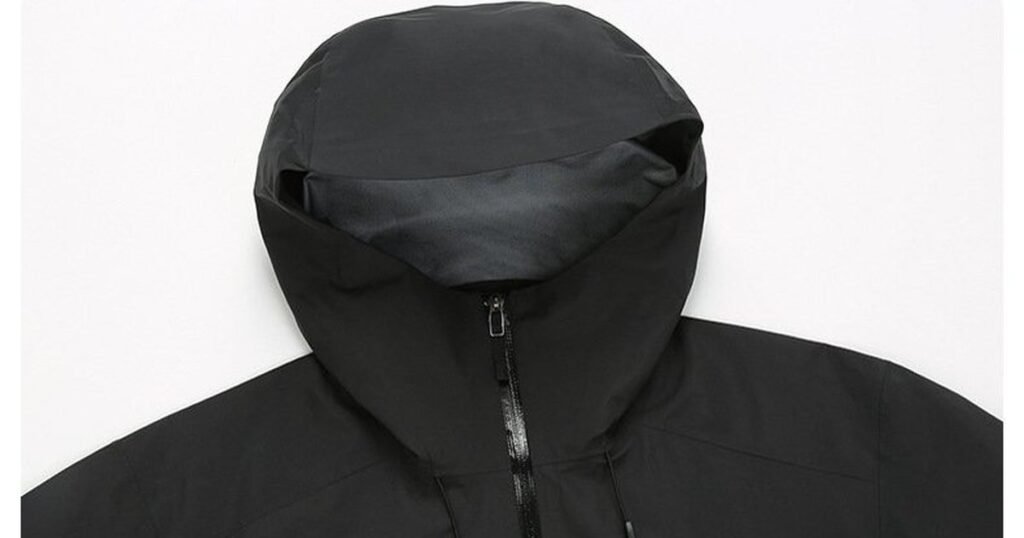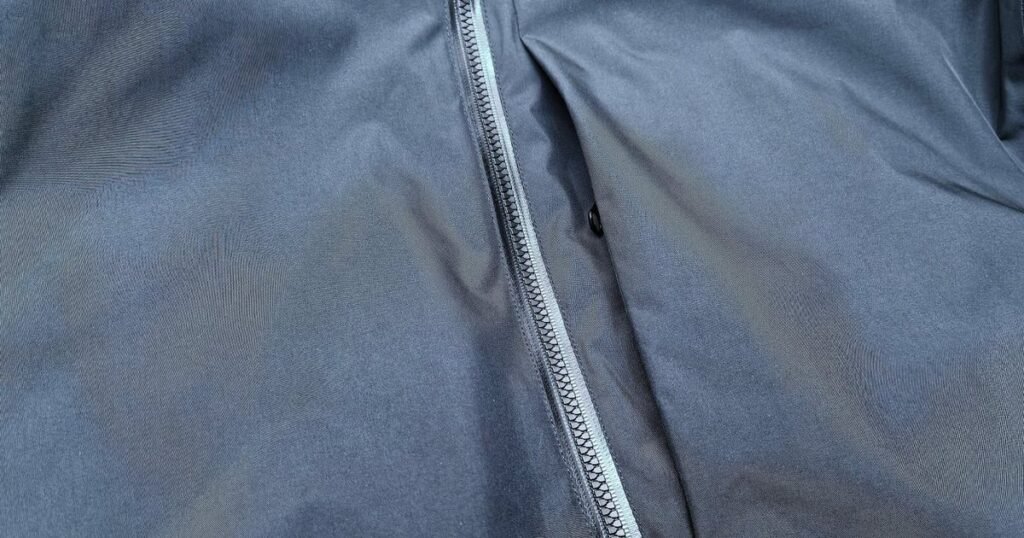
A workwear waterproof jacket lives a harder life than a hiking shell. It gets worn eight hours straight, dragged against concrete and metal, soaked through repeated rain, and washed far more often. Speccing one like a recreational jacket leads to early failure and warranty headaches. This guide covers what actually matters when sourcing waterproof workwear for crews, uniforms, or a workwear brand.
Durability Comes First
For work use, abrasion resistance often matters as much as the waterproof rating. A membrane that stays waterproof on paper is useless if the face fabric wears through at the elbows and shoulders in a season.
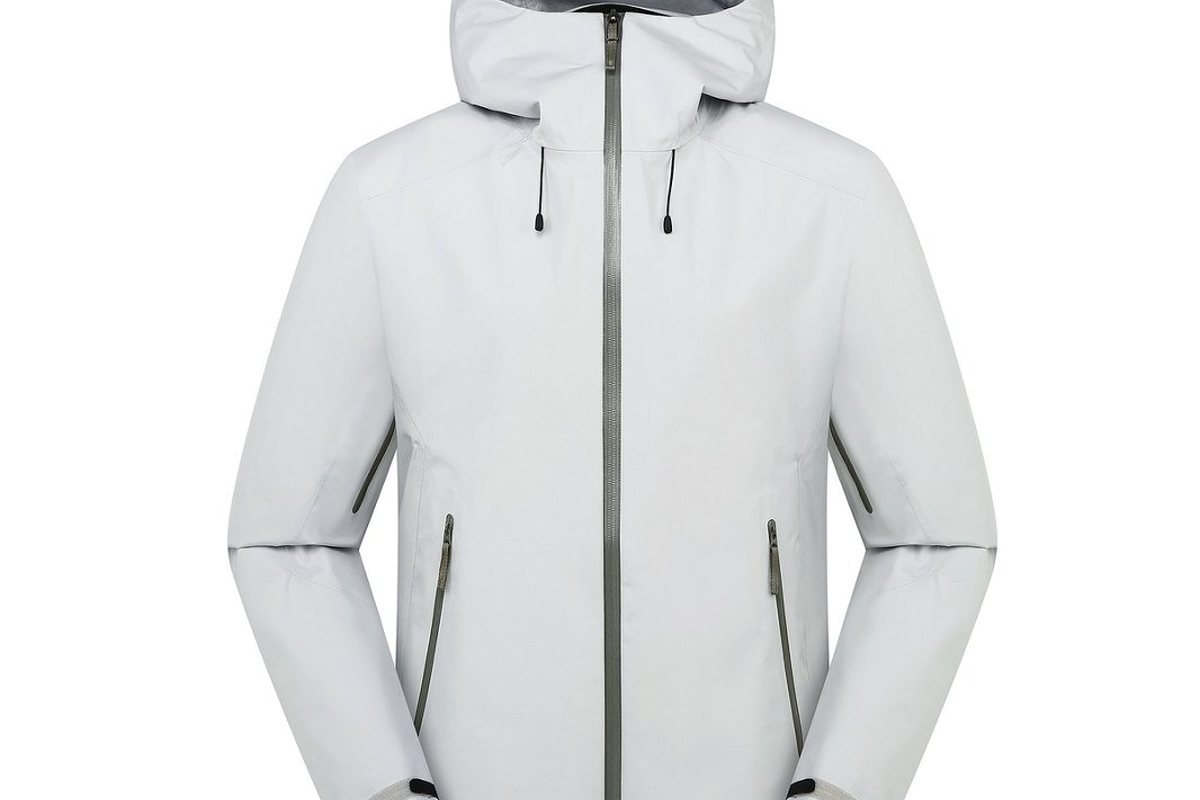
- Heavier face fabrics (higher denier) and abrasion-resistant weaves like Cordura hold up to job-site contact.
- Reinforced wear zones — elbows, shoulders, cuffs — extend service life where the jacket meets ladders, loads, and walls.
- Robust hardware — heavier zippers and storm flaps survive grit and repeated use.
The Right Waterproof Rating for Work
Work happens in sustained rain and against pressure — leaning on wet surfaces, kneeling, carrying loads. That argues for a solid rating:
| Use | Waterproof rating |
|---|---|
| Light outdoor work, intermittent rain | 10,000mm |
| All-day outdoor labor, sustained rain | 15,000–20,000mm |
For crews outside all day, 15,000mm or higher is the practical floor — see the 10,000mm vs 20,000mm trade-off, and waterproof rating explained for the scale. Critically, the seams must be fully taped, not just critically taped, because work jackets see water from every angle — see fully taped vs critically taped seams.
Breathability for Physical Labor
Manual work generates heat and sweat all day. A sealed, non-breathing work jacket traps that moisture and the wearer ends up wet from the inside — the same complaint as a leak. Spec breathability (MVTR / RET) alongside the waterproof rating, and add pit zips for dumping heat during exertion. See breathability ratings explained.
Visibility and Compliance Options
Many work environments require high-visibility or reflective elements. Common add-ons:
– Hi-vis fabric (yellow / orange) for roadside, rail, and construction.
– Reflective tape to relevant standards for low-light safety.
– Logo and uniform branding for company crews.
Specify any compliance standard (e.g. EN ISO 20471 for hi-vis) up front — it changes fabric and tape selection.
How to Spec Workwear for OEM
A workwear tech pack should state: waterproof rating + test standard, breathability, face-fabric durability (denier / Cordura), which seams are taped, hardware grade, and any hi-vis / reflective compliance. Work jackets are a uniform and team-order category, so consistency across a bulk run matters — pick a factory that holds spec batch to batch. We build durable waterproof workwear to spec with low MOQs and sample-first development.
FAQ
What waterproof rating does a work jacket need?
For all-day outdoor labor, 15,000mm or higher with fully taped seams. 10,000mm suits lighter, intermittent outdoor work.
What makes a workwear jacket more durable than a regular rain jacket?
Heavier abrasion-resistant face fabrics (higher denier / Cordura), reinforced wear zones, and robust hardware built for daily job-site contact.
Can a waterproof work jacket be high-visibility?
Yes — hi-vis fabric and reflective tape can be built in to meet visibility standards; specify the required compliance standard up front.
Sourcing waterproof workwear for crews or a uniform line? We’ll spec durability, rating, and visibility with you and prove it on a sample. Start a project →