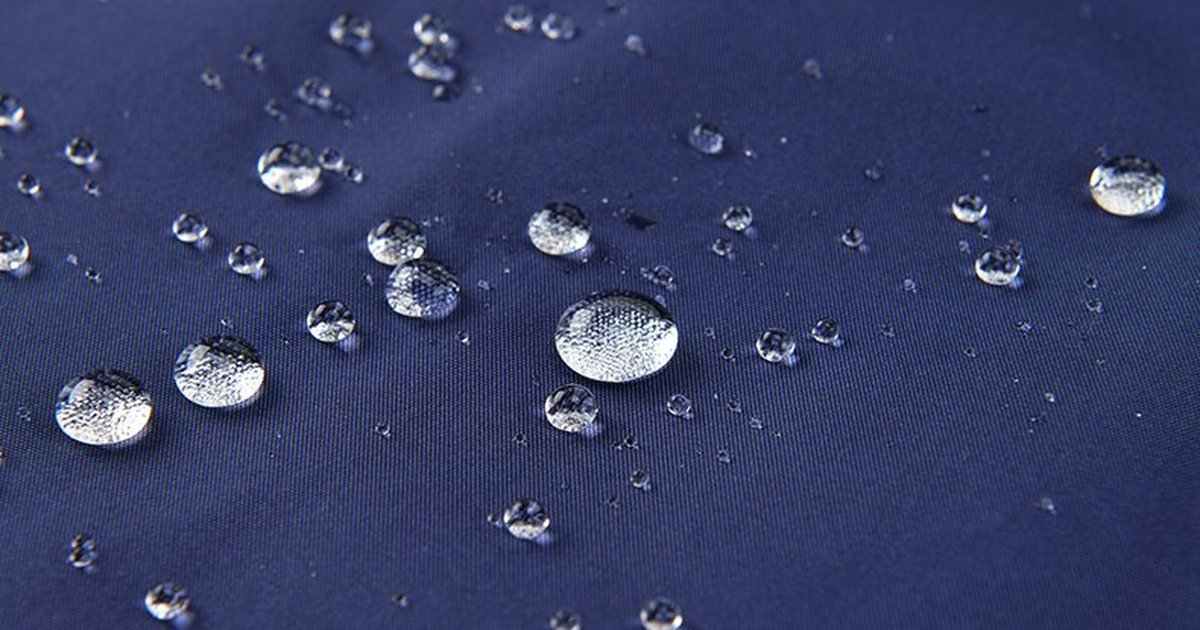
Two ratings dominate the waterproof shell market: 10,000mm and 20,000mm (often written 10K and 20K). For a brand specifying a jacket, picking between them is a real cost and performance decision — not a “higher is better” reflex. This guide shows exactly what each handles and how to choose for your product line. (If you need the underlying mm scale first, start with waterproof rating explained.)
What the Two Ratings Actually Handle
Both numbers are hydrostatic head — the water pressure the fabric resists before it leaks under ISO 811 testing.
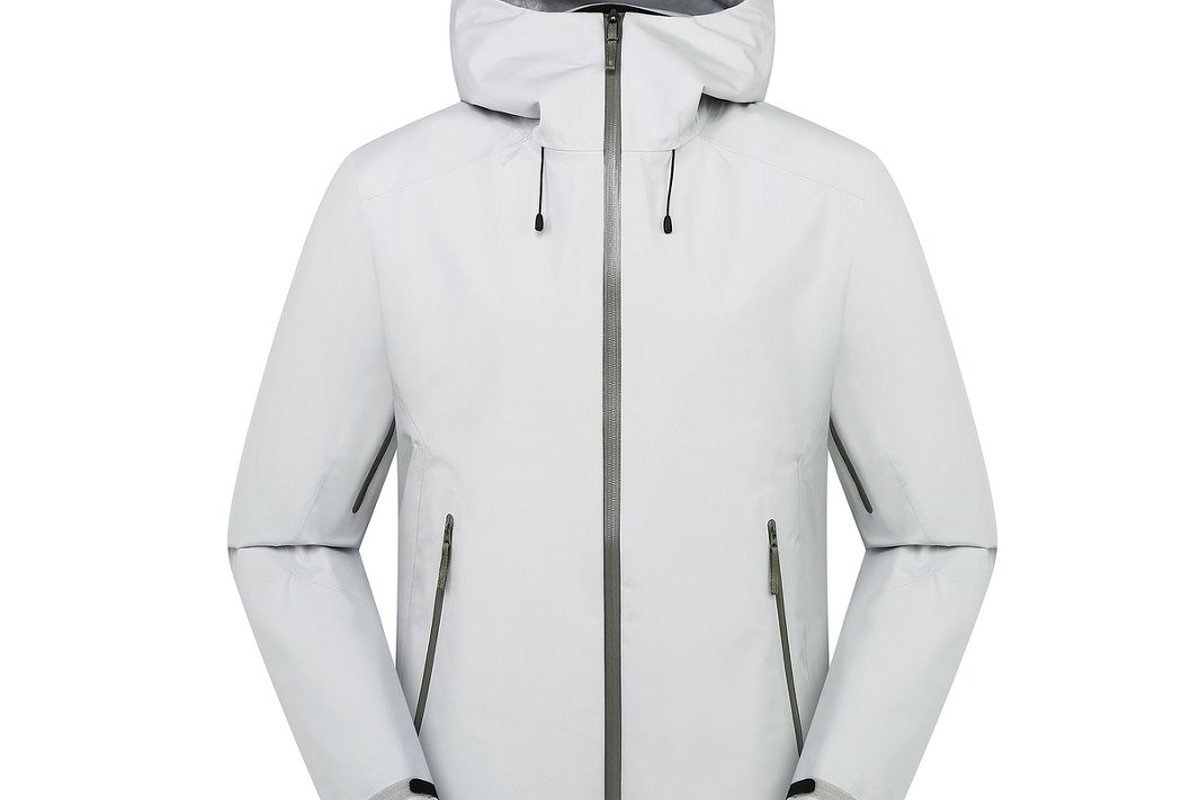
| 10,000mm (10K) | 20,000mm (20K) | |
|---|---|---|
| Classification | Waterproof | Highly waterproof |
| Rain | All-day moderate to heavy | Heavy, sustained, storm |
| Pressure points | Handles pack straps, light sitting | Handles hard pressure, kneeling, heavy packs |
| Snow | Light snow | Wet snow, prolonged contact |
| Typical use | Commuting, hiking, everyday outdoor | Ski, mountaineering, hard-use workwear |
| Cost | Lower material cost | Higher material cost |
The honest summary: 10,000mm covers the large majority of real-world rain use. 20,000mm earns its premium only when the wearer puts sustained pressure on wet fabric — sitting in snow, kneeling, hauling a heavy pack for hours.
When 10,000mm Is Enough
Spec 10K when the end use is:
– Urban commuting and daily wear — rain rarely arrives under sustained pressure.
– Three-season hiking without a heavy expedition pack. See the hiking rain jacket buyers guide.
– Lifestyle and travel shells where weight and price matter more than storm-proofing.
At 10,000mm with properly taped seams and a sealed zipper, a customer stays dry through normal rain. Most returns at this level come from unsealed construction, not from the fabric rating — so don’t cut corners on seams to save cost.
When to Pay for 20,000mm
Step up to 20K when the product is built for:
– Ski and snowboard — sitting on lifts and in snow puts constant pressure on the seat and knees.
– Mountaineering and expedition — long exposure, heavy packs, no chance to dry out.
– Hard-use workwear — kneeling, leaning, and abrasion against wet surfaces all day.
– A premium positioning where the spec sheet itself is part of the brand story.
The Trade-off Nobody Mentions: Breathability
A higher waterproof rating can come at the cost of breathability if the membrane isn’t engineered for both. Push to 20K with a cheap membrane and you get a jacket that keeps rain out but traps sweat — which feels just as wet from the inside. Whatever rating you choose, spec the breathability (MVTR / RET) alongside it. See breathability ratings explained and waterproof vs breathable.
For most lines, a well-built 10,000mm / 10,000 g breathable shell outperforms a poorly matched 20K/5K one in real wear.
How to Decide for Your Product Line
Ask three questions:
1. Does the wearer put sustained pressure on wet fabric? (sitting in snow, heavy pack, kneeling) → lean 20K. Otherwise 10K.
2. Is breathability matched to the waterproofing? → never spec waterproof rating alone.
3. Does the price position support the cost? → 20K on a budget line erodes margin for performance the customer won’t use.
The smartest move before committing a bulk order is to make both and test them. We build to either rating with low MOQs and sample-first development, with ISO 811 data on the actual fabric — not just the number you asked for.
FAQ
Is 10,000mm waterproof enough?
For commuting, hiking, and everyday rain — yes. Step up to 20,000mm only for ski, mountaineering, or hard-use workwear where wet fabric sees sustained pressure.
What’s the difference between 10K and 20K?
10K (10,000mm) handles all-day moderate-to-heavy rain; 20K (20,000mm) adds resistance to hard pressure points like sitting in snow or kneeling with a heavy pack.
Does 20,000mm breathe worse than 10,000mm?
It can, if the membrane isn’t engineered for both. Always check the breathability rating separately rather than assuming higher waterproofing is strictly better.
Not sure which rating fits your line? We’ll help you spec it and build a sample to test before any bulk run. Start a custom rain jacket project →