“Waterproof” and “water resistant” get used as if they mean the same thing. They don’t — and the gap between them is the single biggest source of customer disappointment in outdoor apparel. A buyer who orders a “water resistant” jacket expecting it to survive a downpour will get returns and bad reviews. This guide draws the line clearly.
The Core Difference
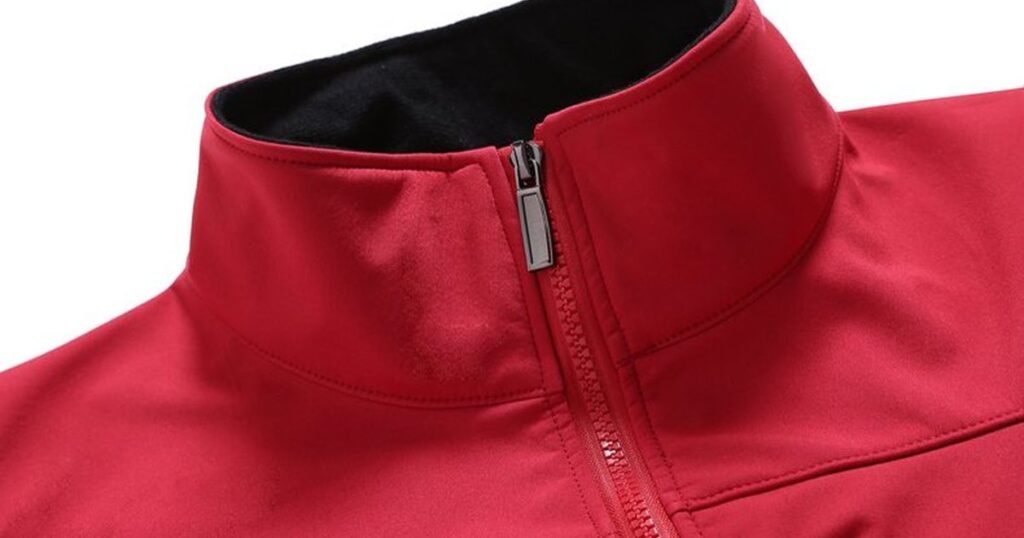
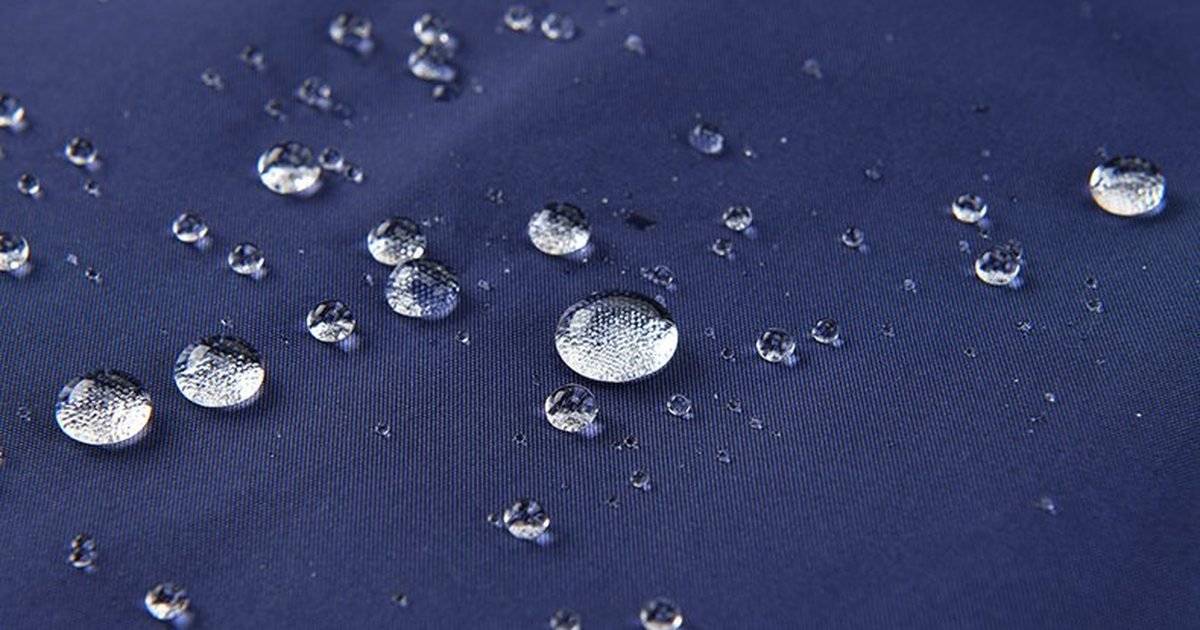
- Water resistant = the fabric resists water to a degree. Light rain beads up and rolls off, but sustained or heavy rain eventually soaks through.
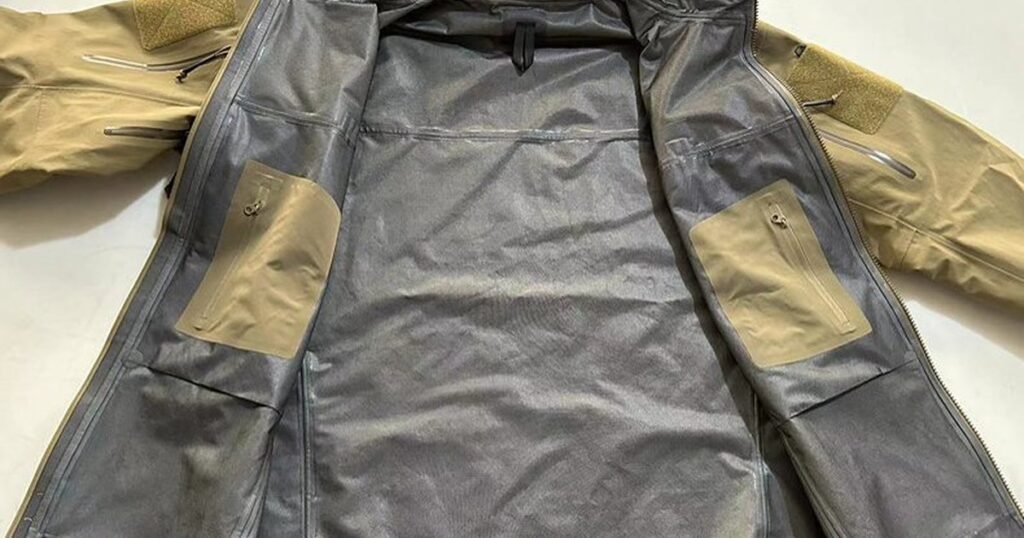
- Waterproof = the jacket blocks water entirely, even under pressure and prolonged exposure — when it’s built correctly (membrane + sealed seams + sealed zippers).
Think of it as a spectrum, not two boxes. Water resistance is the low end; true waterproofing is the high end with construction to back it up.
How Each Is Achieved
Water resistance comes from a DWR finish
A Durable Water Repellent (DWR) coating on the outer fabric makes water bead and shed. It’s a surface treatment — it does nothing once the fabric wets out or the water finds a seam. Every quality shell has DWR, but DWR alone only makes a jacket water-resistant. See DWR treatment (C0/C6/C8) explained.
Waterproofing comes from a membrane + sealed construction
A truly waterproof jacket adds:
– A waterproof membrane or coating rated in millimeters (hydrostatic head).
– Taped seams so water can’t enter through stitch holes — see fully taped vs critically taped seams.
– Waterproof or storm-flapped zippers.
Miss any one of these and a “waterproof” jacket leaks. That’s why construction matters as much as the fabric rating.
The Ratings That Tell You Which Is Which
| Hydrostatic head | Classification | Real-world |
|---|---|---|
| Under ~1,500mm | Water resistant | Light drizzle only |
| 5,000mm | Entry waterproof | Light rain, short exposure |
| 10,000mm | Waterproof | All-day rain, general use |
| 20,000mm | Highly waterproof | Heavy rain, snow, pressure points |
If a product page doesn’t state a mm rating, treat it as water resistant, not waterproof. And remember waterproofing is only half the story — a sealed jacket still needs breathability to be wearable. See waterproof vs breathable jacket and breathability ratings explained.
When Water Resistant Is Actually Enough
Water resistance isn’t “worse” — it’s a different tool:
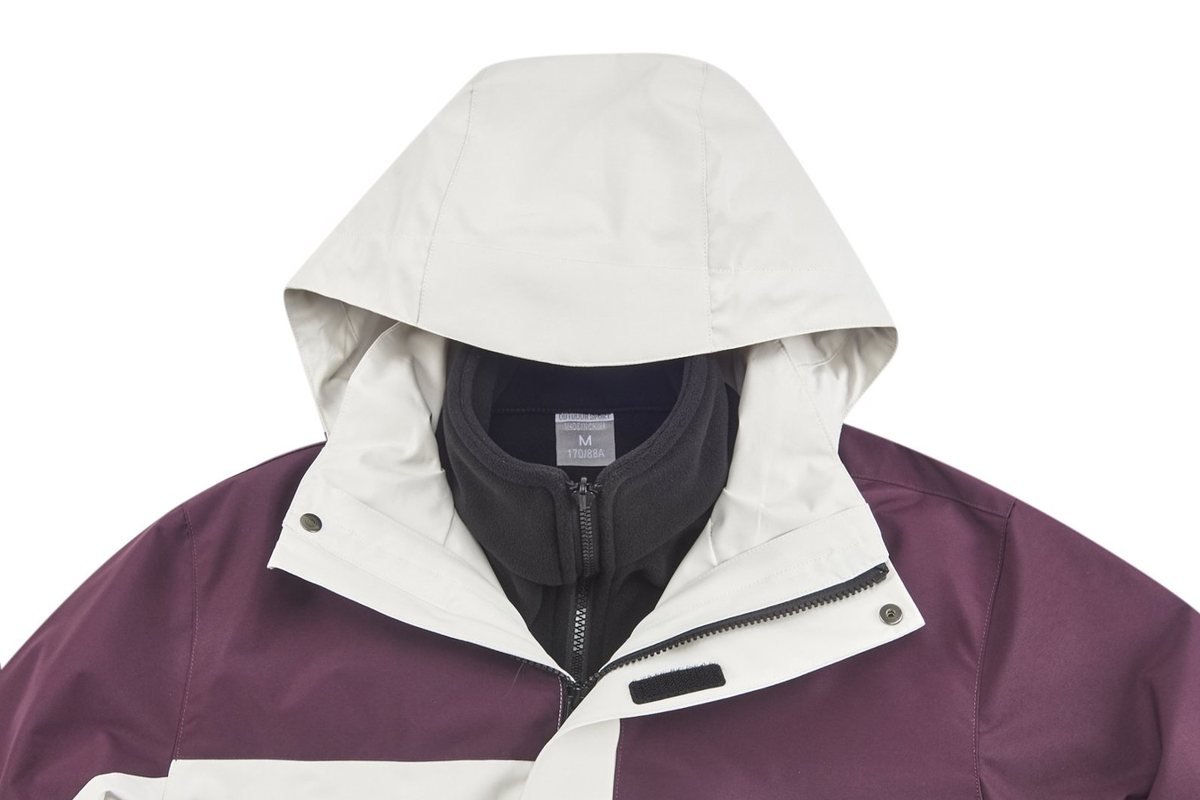
- Softshells are usually water-resistant by design, trading full waterproofing for breathability and stretch. Perfect for active, drier conditions.
- Urban / commuter jackets for short exposure often only need water resistance.
- Wind shells and overlayers prioritize breathability and packability over downpour protection.
The mistake isn’t choosing water resistant — it’s marketing it as waterproof.
Why This Matters When You’re Sourcing
For a brand, the terminology is a liability if you get it wrong:
- Don’t label a water-resistant jacket “waterproof.” It’s the #1 cause of returns and one-star reviews.
- Spec the mm rating on your tech pack — don’t let the factory default to a vague “water repellent.”
- Match construction to the claim — a waterproof claim needs taped seams and sealed zippers, not just a high fabric rating.
- State it honestly on the product page — “water resistant (DWR)” vs “waterproof 10,000mm, fully taped.” Buyers trust specificity.
Sourcing Jackets at the Right Spec
PTOUTWEAR builds both water-resistant softshells and fully waterproof hardshell and rain jackets to your stated spec — with in-house seam-taping (5 machines), waterproof zippers, and PFC-free DWR, ISO 9001 and SGS tested. We’ll spec the mm rating and construction to match exactly the claim you want to make. From a 30-piece MOQ (1-piece sampling).
See our custom rain jackets or request a sample with your target rating.