📋 Table of Contents
If you are sourcing fabrics for a dog jacket line, waterproofing, breathability, and durability are not optional-they separate a return from a repeat customer. This dog jacket fabric guide for brands breaks down the technical outerwear materials that work for canine anatomy, from face fabrics to insulation. As a custom outdoor jacket factory, we have seen how the right fabric spec directly impacts sell-through for pet brands.
Executive Summary
- Market size: The global pet apparel market reached $5.7 billion in 2024 and is projected to grow at a CAGR of 5.2%, according to Grand View Research.
- Safety certification: OEKO-TEX Standard 100 screens textiles for more than 1,000 harmful substances, critical for fabrics that touch a dog’s skin.
- Recycled content: The Global Recycled Standard requires a minimum of 20% recycled material before a product can carry the GRS label.
- DWR compliance: PFC-free DWR treatments are mandatory for textile imports into the EU under REACH regulations as of 2025, per the European Chemicals Agency.
- Low-MOQ production: Sample MOQ of 1 piece and bulk MOQ of 30 pieces per SKU let brands validate designs without large inventory risk.
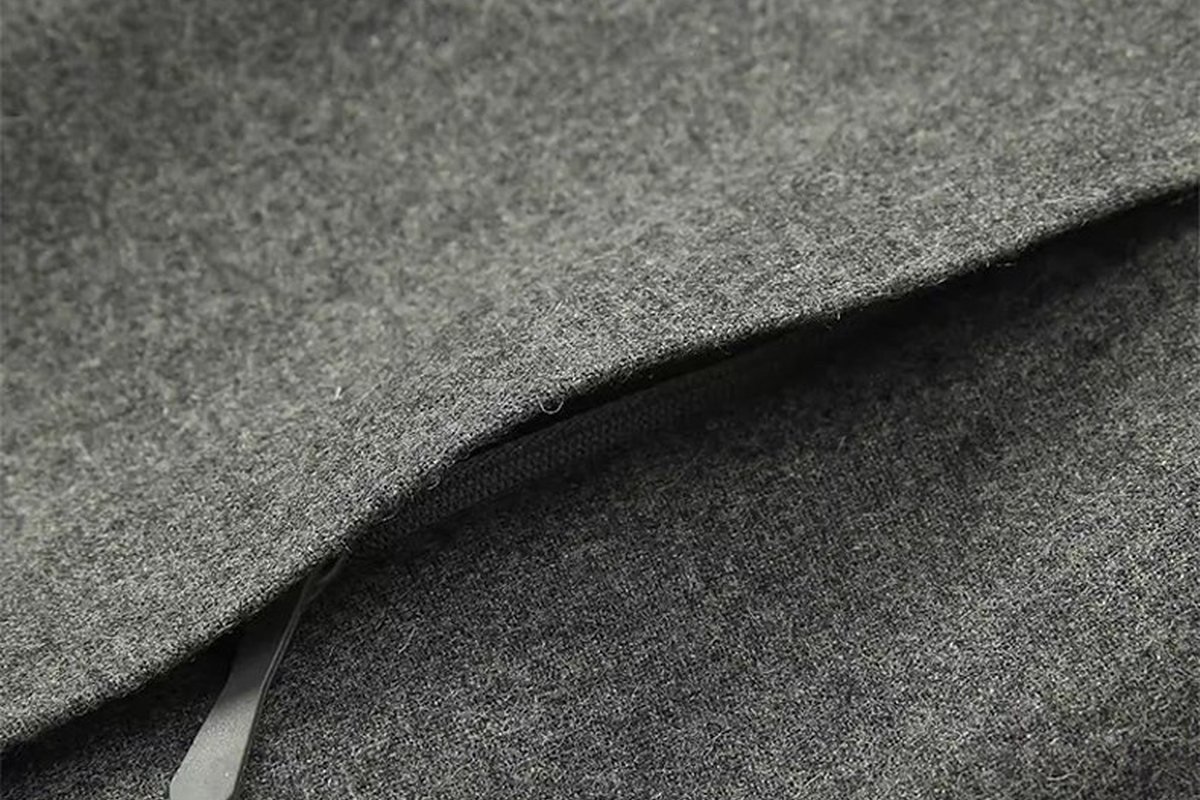
What Makes a Dog Jacket Fabric Technical?
A technical dog jacket fabric balances three demands: protection from rain and wind, breathability to prevent overheating during activity, and abrasion resistance against rough terrain. Unlike human jackets, dog outerwear must also accommodate a wider range of motion and frequent ground contact. A common complaint buyers raise is that a waterproof jacket feels clammy once the face fabric wets out-this happens when the DWR coating fails, trapping moisture inside. For dogs, that clamminess can lead to chilling faster than for humans.
Waterproof Rating and Breathability
Waterproof ratings are measured in millimeters via the hydrostatic head test (ISO 811). A 10,000mm rating handles moderate rain and wet grass, while 20,000mm is recommended for heavy downpours and active dogs that roll in puddles. Breathability, measured in g/m²/24h (MVTR), should be at least 5,000 g/m²/24h to prevent moisture buildup inside the jacket. Pairing a high MVTR membrane with a PFC-free DWR keeps the face fabric from wetting out, maintaining breathability.
Abrasion Resistance for Active Dogs
Dogs drag their chests and bellies across dirt, rocks, and pavement. A fabric with a denier of 70D or higher and a ripstop weave resists tears. For extreme abrasion, 200D nylon oxford with a PU coating adds durability without excessive weight. In our 12+ years manufacturing outdoor jackets in Taizhou and Yiwu, we have learned that brands often underestimate how quickly low-denier fabrics fail on trail dogs.
Weight and Packability
A dog jacket should not restrict movement. Total jacket weight under 300 grams for a medium-sized dog works well. Lightweight fabrics like 20D nylon with a TPU membrane offer packability for travel brands, but they sacrifice some abrasion resistance. Balance depends on the use case: urban walks vs. backcountry hikes.
Waterproof-Breathable Fabrics for Dog Jackets
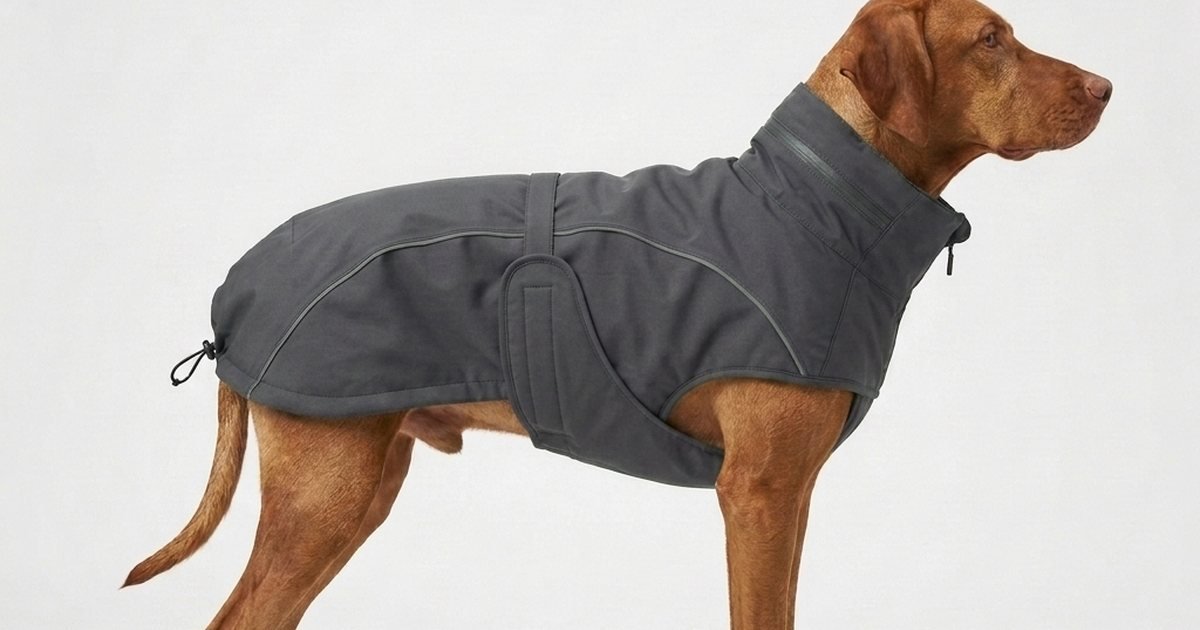
Constructing a waterproof-breathable dog jacket requires three layers: a face fabric, a membrane or coating, and a lining. Each layer affects performance and cost. The table below compares common combinations.
Face Fabric Options
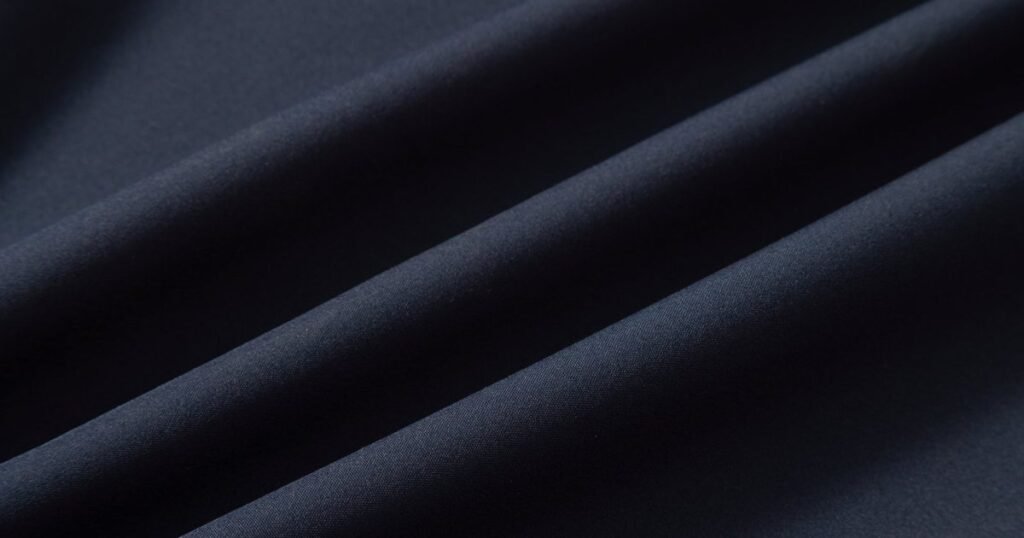
- Nylon 70D ripstop: The workhorse for dog jackets. Good tear strength, takes DWR well, and costs roughly $3-5 per yard. Used in most mid-tier outdoor dog brands.
- Polyester 50D: Lighter and cheaper ($2-4 per yard), but lower abrasion resistance. Works for casual city jackets.
- Recycled polyester 75D: Meets GRS requirements if the supply chain is certified. Adds sustainability marketing value without sacrificing performance.
Membrane Types
A membrane sits between the face fabric and lining. PU coatings are affordable but less breathable. TPU membranes offer a middle ground with 5,000-10,000 g/m²/24h breathability. ePTFE membranes provide the highest breathability (15,000+ g/m²/24h) and are used in premium dog jackets, but they cost 2-3x more than TPU. For brands targeting the $50-80 retail price point, TPU is the practical choice.
PFC-Free DWR Treatment
The DWR finish prevents the face fabric from absorbing water. Without it, even a 20,000mm membrane jacket will wet out and feel clammy-a pain point highlighted in outdoor gear forums. PFC-free DWR uses non-fluorinated chemistry and is now mandatory for EU-bound textiles. Our facility applies PFC-free DWR as standard, with SGS-certified performance. However, all DWR requires re-proofing after 20-30 washes; no treatment is permanent.
Insulation and Thermal Layers
Insulated dog jackets trap body heat for cold-weather walks. The choice between synthetic and down insulation depends on moisture exposure and ethical sourcing requirements.
Synthetic Insulation vs Down
- Synthetic (Primaloft, Thinsulate): Retains up to 96% of warmth when wet, according to Primaloft. Hypoallergenic, quick-drying, and cost $8-15 per jacket. Ideal for active dogs in wet snow or rain.
- Down (600-800 fill power): Lighter and more compressible, but loses all insulation when soaked. Requires a waterproof shell and costs $15-25 per jacket. Best for dry, cold climates.
- Fleece lining (polyester): Adds light warmth without bulk, costing $3-6 per jacket. Often used as a removable liner in 3-in-1 dog jackets.
Ventilation for Insulated Jackets
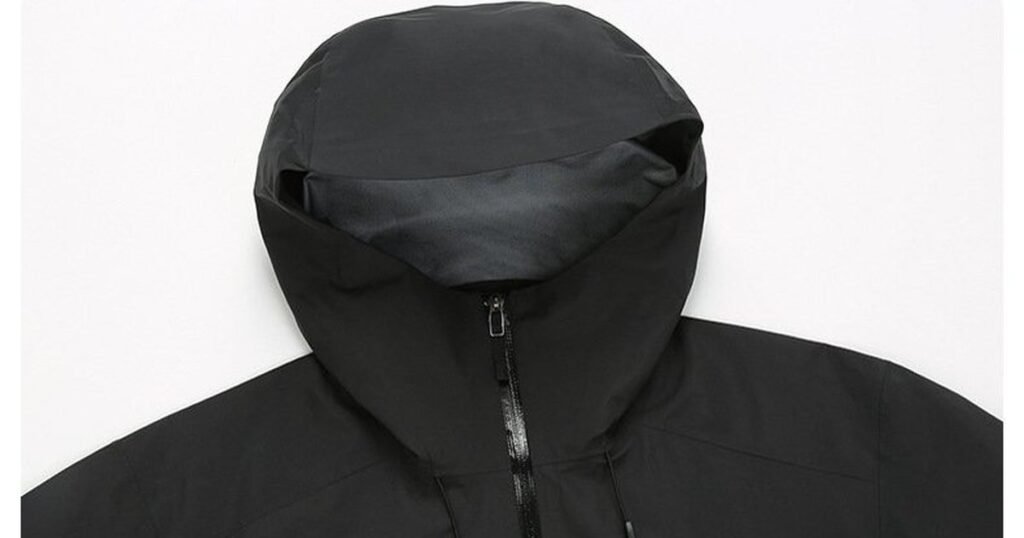
Without ventilation, a heavily insulated dog jacket can cause overheating during active play. Adding mesh-lined side vents or a two-way zipper lets owners regulate temperature. This design detail addresses the common complaint that waterproof jackets become hot during strenuous activity-adapted here for canine anatomy.
Durability and Abrasion Resistance
Dog jackets endure more abrasion than human outerwear. Chest panels scrape against pavement, and belly straps rub against fur and dirt. Fabric denier and reinforcement placements directly affect return rates.
Denier and Weave
- 70D nylon ripstop: Resists punctures from thorns and claws. A 70D fabric with a 210T thread count balances weight and toughness.
- 200D oxford nylon: Used for high-wear panels on workwear-style dog jackets. Adds about 50 grams to a medium jacket but triples tear strength.
- 600D polyester: Overkill for most pet jackets, but suitable for tactical or service-dog gear where maximum durability is required.
Reinforced Stress Points
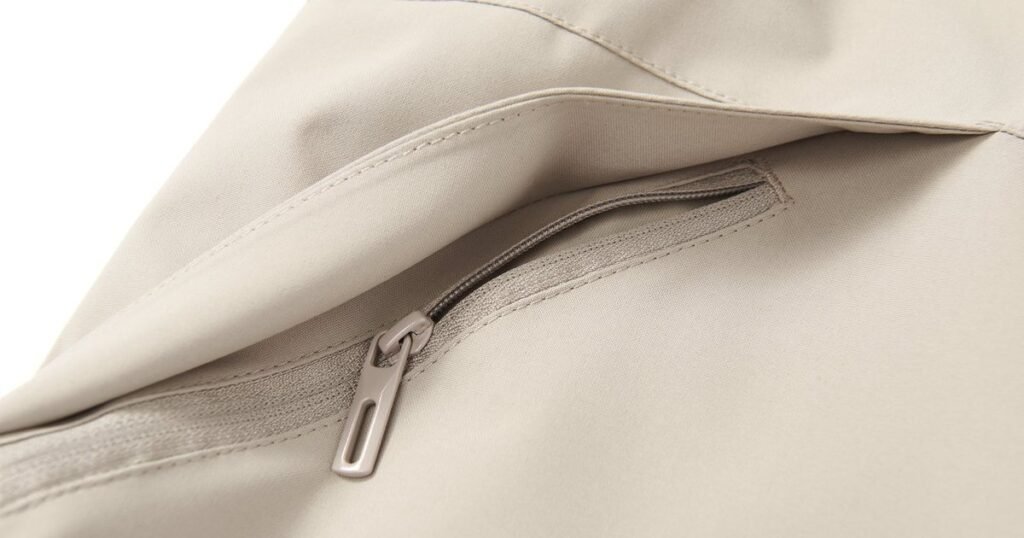
Double-stitched seams, bartacks at leash attachment points, and a reinforced chest panel prevent blowouts. A common failure we see in sample evaluations is seam slippage under the belly strap. Specifying a minimum 12 stitches per inch and using nylon bonded thread adds less than $0.50 per jacket but cuts warranty claims significantly.
Certifications and Sustainable Fabric Options
Pet brands increasingly market sustainability. Certifications validate fabric claims and build trust with eco-conscious buyers.
- OEKO-TEX Standard 100: Certifies that every component-fabric, thread, zipper-is free from harmful substances. Especially important for dog jackets because dogs lick their coats.
- Global Recycled Standard (GRS): Verifies recycled content and responsible production. A jacket with a GRS-certified recycled polyester shell can command a 15-20% price premium, based on brand feedback we have gathered.
- PFC-Free DWR: While not a certification itself, SGS or Intertek can test and document PFC-free status. Our facility holds SGS PFC-free DWR certification.
- BSCI: Social compliance audit that ensures ethical labor practices. BSCI, OEKO-TEX and GRS are pending at our Taizhou facility, not yet held.
For brands that want to launch with certified fabrics immediately, we recommend starting with OEKO-TEX-certified nylon and PFC-free DWR, then adding GRS-certified recycled fabrics as the supply chain matures. Sample development can include testing reports for any certification you require.
Request 1-piece dog jacket samples with your chosen fabric spec. Our team matches materials and ships within 7-10 days.
Get Your Fabric Samples →
Sample MOQ: 1 piece. Bulk MOQ: 30 pieces per SKU. Sampling time: 7-10 days.
FAQ
What is the best fabric for a waterproof dog jacket?
A 70D nylon ripstop with a TPU membrane and PFC-free DWR offers the best balance of waterproofing (10,000mm), breathability (5,000 g/m²/24h), and abrasion resistance for active dogs. For heavy rain, upgrade to an ePTFE membrane with a 20,000mm rating.
How do I choose insulation for a dog jacket?
Synthetic insulation like Primaloft retains 96% of warmth when wet and is safer for dogs that play in snow or rain. Down is lighter and more compressible but fails when soaked. Fleece linings add light warmth for mild conditions.
What certifications should I look for in dog jacket fabrics?
OEKO-TEX Standard 100 ensures no harmful substances contact the dog’s skin. GRS certifies recycled content. PFC-free DWR compliance is mandatory for EU imports. BSCI verifies ethical manufacturing. Request test reports from your supplier.
How do I ensure durability in a dog jacket?
Use a minimum 70D nylon ripstop for the shell, reinforce stress points with bartacks, and specify at least 12 stitches per inch. A 200D oxford nylon panel on the chest adds abrasion resistance where dogs drag most.
What is the minimum order quantity for custom dog jackets?
Our factory offers a sample MOQ of 1 piece with a $100 refundable fee, and bulk production starts at 30 pieces per SKU. This low MOQ lets brands test designs before committing to larger inventory. Low-MOQ jacket manufacturing details are available on our site.
Written by Ivan Chen, Sales Engineer at PTOUTWEAR – 13 years in outdoor apparel manufacturing.