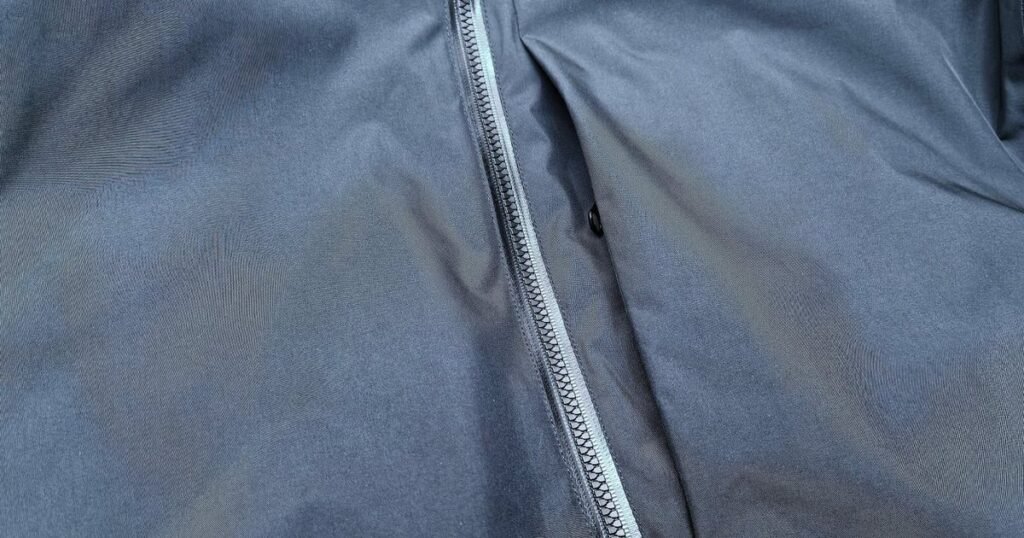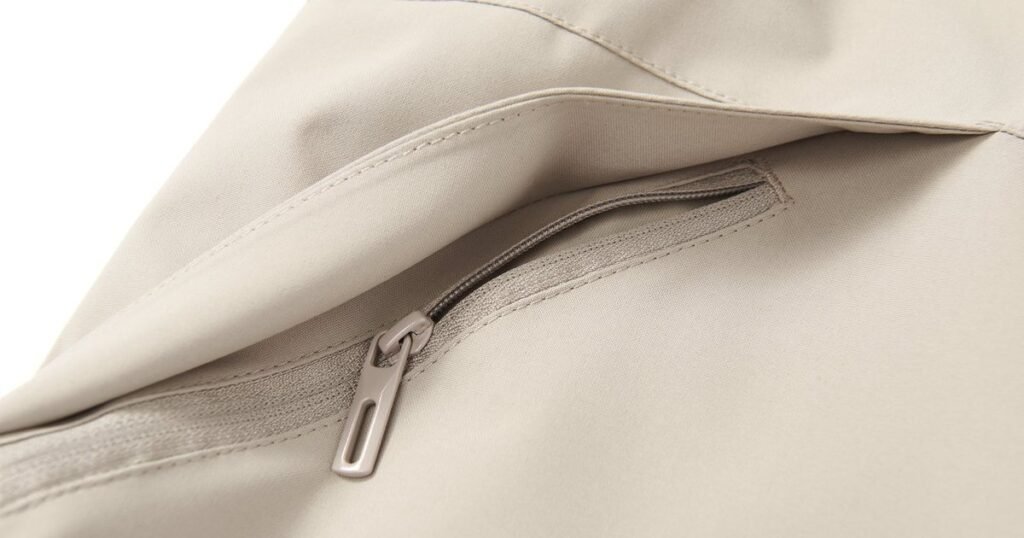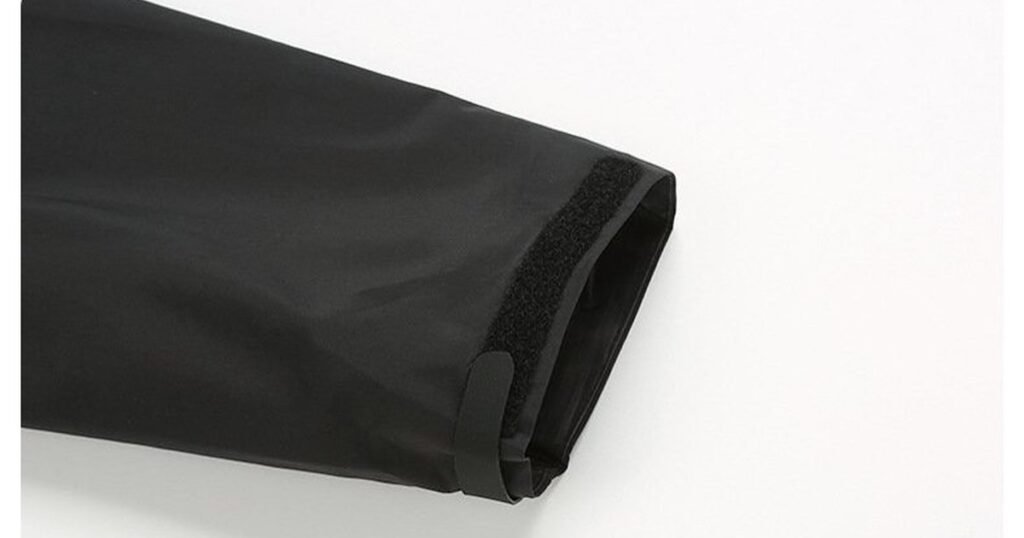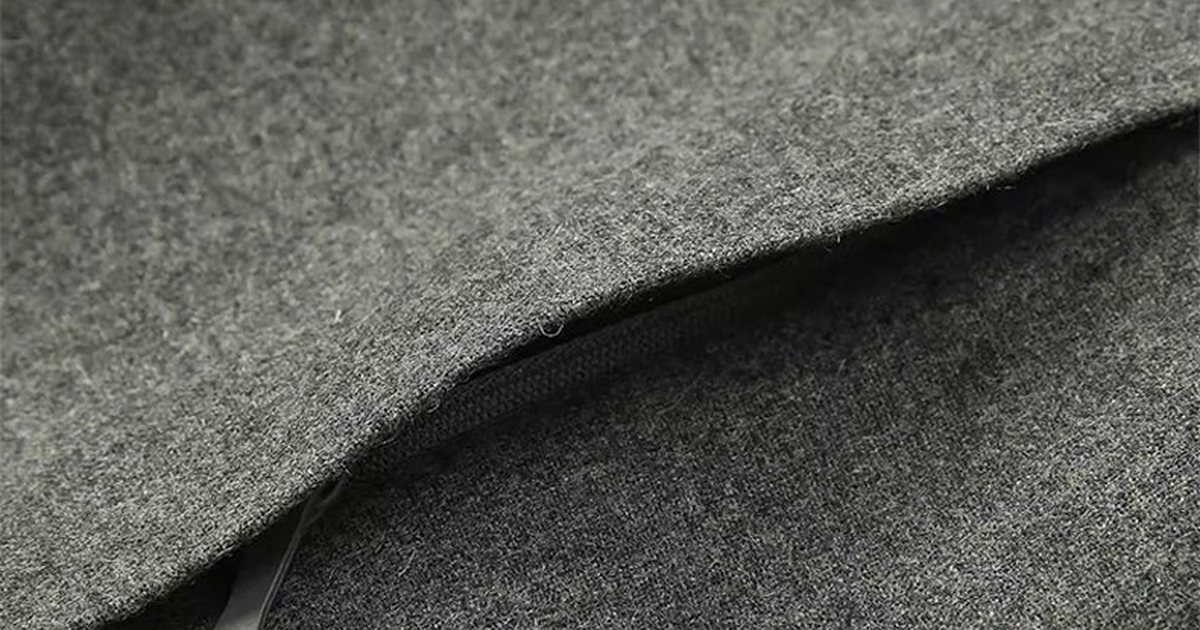
If durability is the headline of a product — workwear, expedition shells, gear-facing panels — there’s a good chance “Cordura” appears on the spec. It’s become shorthand for “this fabric won’t wear out.” For B2B buyers, it’s worth knowing exactly what Cordura is, why it’s a brand rather than a fiber, and when it earns its premium.
This guide explains what Cordura is, how it compares to standard nylon, whether it’s waterproof, and where it belongs in an apparel line.
Cordura in One Sentence
Cordura is a brand family of high-tenacity nylon (polyamide) fabrics, certified for exceptional abrasion, tear, and scuff resistance.
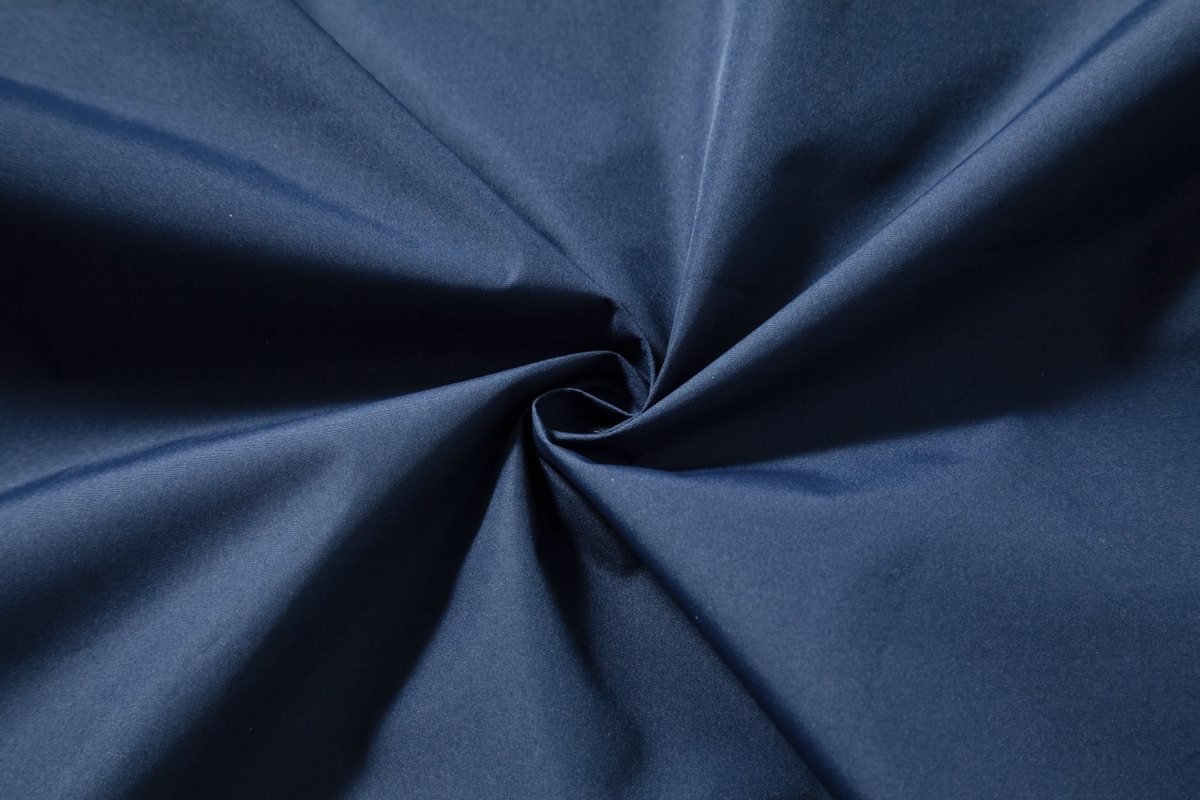
The key word is brand: Cordura (owned by INVISTA) is not a fiber type but a certified collection of fabrics that must meet durability standards to carry the name — much like GORE-TEX is a brand, not a generic membrane.
Cordura vs. Standard Nylon
All Cordura is nylon (polyamide), but not all nylon is Cordura. The difference is the yarn and the certification:
| Cordura | Standard nylon | |
|---|---|---|
| Yarn | High-tenacity, often air-textured | Regular filament |
| Abrasion resistance | Certified, very high | Variable |
| Brand/QC | Licensed, tested to standard | None |
| Cost | Premium | Lower |
| Hand-feel | Often a slightly textured, matte face | Varies |
Cordura’s edge comes from high-tenacity yarns spun for maximum tear and abrasion performance, plus brand-level quality control that guarantees consistency batch to batch.
Cordura Denier Ranges
Cordura comes in a wide range of weights for different jobs. (See denier vs. dtex for what these numbers mean.)
| Denier | Use |
|---|---|
| 100D–160D | Lightweight durable apparel, jacket reinforcements |
| 330D | Bags, rugged outerwear panels |
| 500D | Tactical gear, heavy-duty apparel |
| 1000D | Packs, extreme abrasion zones, workwear |
For apparel, you’ll most often see Cordura used in panels and reinforcement zones — shoulders, elbows, hems — rather than as the whole garment, because full-garment 1000D would be heavy and stiff.
Is Cordura Waterproof?
Cordura is not inherently waterproof — it’s about abrasion resistance. Like other woven fabrics, water performance is a separate spec:
- DWR finish → water-repellent surface (beads off light rain). (See PFC-free DWR explained.)
- Coating / membrane → genuine waterproofing.
Cordura is available in DWR-treated and coated versions, but you specify the water performance separately from the Cordura durability spec.
Where Cordura Fits in a Product Line
| Application | Why Cordura |
|---|---|
| Reinforcement panels | Highest-abrasion zones (shoulders, elbows, seat) |
| Workwear jackets | Job-site abuse, tool contact |
| Expedition / pack-facing shells | Backpack strap wear |
| Gear & accessories | Maximum durability |
A common premium construction is a lighter main fabric with Cordura reinforcement panels placed exactly where wear happens — durability where you need it, weight savings everywhere else.
Is Cordura Worth the Premium?
Specify Cordura when durability is a selling point or a genuine performance requirement — workwear, rugged outdoor, or gear-facing panels. For a fashion-led windbreaker or a lightweight packable shell, standard high-quality nylon is usually the smarter cost choice. The brand also brings marketing value: “Cordura-reinforced” is a recognized durability claim buyers trust.
Specifying Cordura as a B2B Buyer
When briefing Cordura, define:
- Denier — match to the abrasion demand (100D apparel vs. 500D+ heavy-duty).
- Placement — full garment vs. reinforcement panels only.
- Finish — DWR or coating for water performance.
- Genuine Cordura vs. “Cordura-like” — confirm whether you need the licensed brand (for the hangtag claim) or just high-tenacity nylon performance.
Be explicit on point 4: the licensed Cordura hangtag carries marketing weight, but a high-tenacity nylon can deliver similar performance at lower cost if you don’t need the branded claim.
Build Durability Where It Counts
Cordura is the right tool when a product has to survive real abuse. At PTOUTWEAR we use Cordura and high-tenacity nylon across our hardshell jackets and workwear jackets, placing reinforcement exactly where wear happens. If you’re developing a durability-led program, our OEM manufacturing team can advise on genuine-Cordura vs. high-tenacity alternatives and build samples either way.