Taslan is one of those fabric names that shows up constantly in outdoor apparel spec sheets — windbreakers, lightweight jackets, technical pants — but rarely gets explained. If you’re sourcing for a new brand or product line, here’s what you need to know.
Taslan in One Sentence
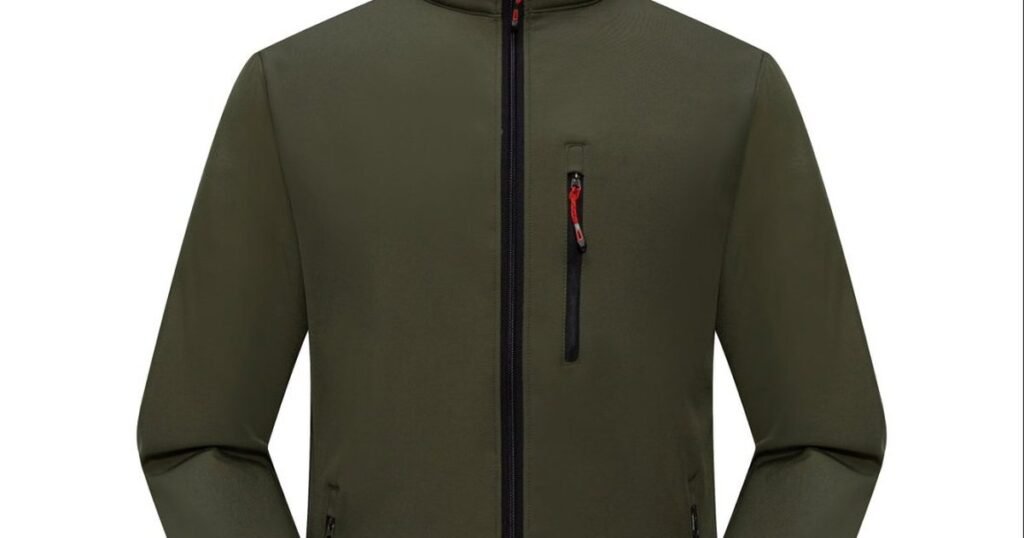
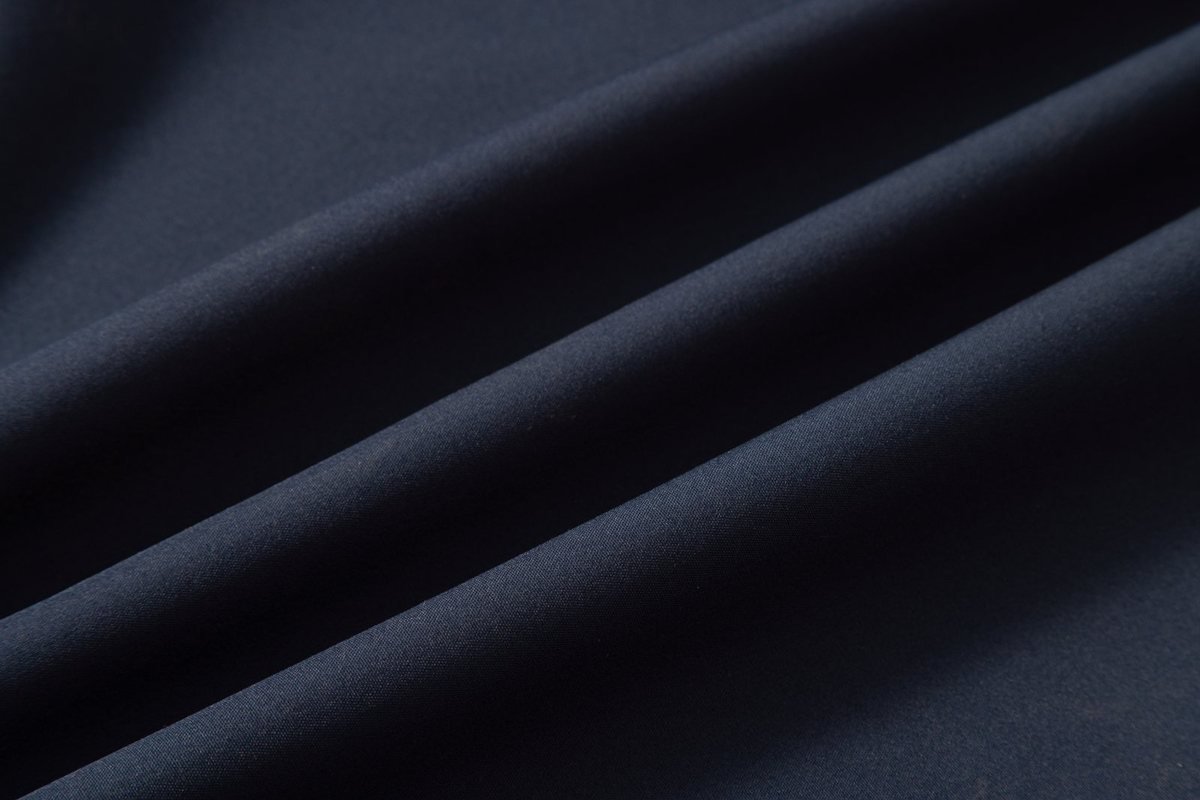
Taslan is an air-textured nylon yarn (originally a trademarked DuPont process, now used generically) woven into a soft, slightly textured fabric with natural wind resistance and a quiet hand-feel.
How Taslan Is Made
Standard nylon yarns are produced as smooth, flat filaments. Taslan adds an air-jet texturing step: the smooth filaments are blasted with high-pressure compressed air that breaks them into shorter, loopy strands. These loops give the final yarn:
– A bulkier feel (more cotton-like, less plasticky)
– Trapped air pockets (small insulation effect)
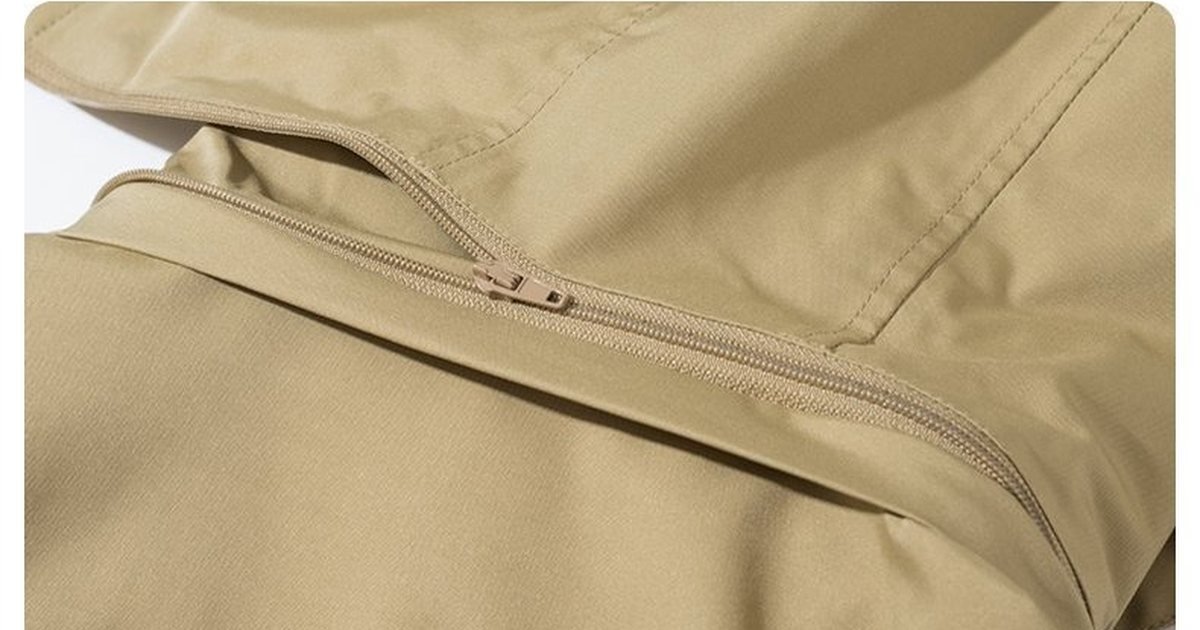
– A matte rather than shiny appearance
– Slight stretch from the loop structure
Taslan can be made from various nylon types (most commonly Nylon 6 or Nylon 6,6) and in various deniers (typically 70D to 320D).
Key Properties for Outdoor Apparel
1. Wind Resistance ⭐
Taslan’s tight weave structure makes it inherently wind-resistant — typically rated to block 80-95% of wind transmission. This is why it’s the go-to fabric for windbreakers and travel-jacket outers.
2. Quiet Hand-Feel
Standard high-denier nylon “crinkles” loudly when you move. Taslan’s textured surface dampens that noise dramatically. For brands targeting hunting, birding, or stealth-aesthetic outdoor wear, this is a competitive advantage.
3. Soft Hand-Feel
The air-texturing process gives Taslan a more cotton-like or peached-feel surface. This makes it less “plasticky” against skin compared to standard nylon — better next-to-skin layering tolerance.
4. Water-Repellent (Not Waterproof)
Taslan itself is not waterproof. With a quality DWR (durable water-repellent) finish, it becomes water-resistant — beads light rain, handles snow, but soaks through in heavy rain. For waterproof performance, Taslan must be laminated or coated.
5. Durability
Nylon’s tensile strength is among the highest in apparel fibers. A 320D Taslan can withstand 50+ wash cycles with minimal degradation.
Common Weights and Where They’re Used
| Denier | Weight (gsm) | Typical Application |
|---|---|---|
| 70D Taslan | 70-90 gsm | Lightweight windbreakers, packable travel jackets |
| 160D Taslan | 130-160 gsm | All-purpose outdoor windbreakers |
| 228D Taslan | 180-220 gsm | Heavier hiking jackets, hunting wear |
| 320D Taslan | 250-300 gsm | Workwear, hunting outer layers, abrasion-prone use |
Taslan vs Ripstop Nylon
Both are nylon-based, both used in outdoor apparel. Key differences:
| Property | Taslan | Ripstop Nylon |
|---|---|---|
| Surface | Textured, soft, matte | Smooth, shiny, distinct grid pattern |
| Sound | Quiet | Crinkly |
| Tear resistance | Good | Excellent (grid stops tears) |
| Wind resistance | Excellent | Excellent |
| Weight | Slightly heavier | Lighter |
| Cost | Moderate | Slightly cheaper |
| Best for | Quiet outerwear, brand aesthetics | Backpacks, tents, ultralight jackets |
Most modern outdoor brands use Taslan for jacket bodies and ripstop for high-stress panels (elbows, packs, tents).
Taslan vs Memory Fabric (Soft Shell Outer)
A common upgrade from basic Taslan is “Memory Cloth” or “Stretch Taslan” — a Taslan woven with elastane or PBT for added stretch. Same surface aesthetics, plus 10-20% stretch.
For brands targeting modern athleisure-outdoor crossover, stretch Taslan is increasingly the default.
Is Taslan Waterproof?
No, not by itself. Common waterproofing approaches:
1. DWR coating — water-repellent only, beads light rain
2. PU coating (1000-3000mm waterproof) — basic waterproof, restricts breathability
3. TPU lamination (5000-10000mm waterproof) — proper waterproof, slightly breathable
4. Bonded with 3L membrane (15000mm+) — full performance waterproof
For windbreakers, DWR-treated Taslan is standard. For rain jackets, you want PU coating minimum. For technical hardshells, lamination is required.
Sourcing Considerations
Taslan is produced globally:
– Taiwan (Formosa, Far Eastern) — long history, mid-to-high grade
– South Korea (Hyosung, Kolon) — premium grades, often used for premium outdoor brands
– China (Zhejiang and Jiangsu mills) — wide grade range, competitive pricing
– Vietnam (HuaYi, Hyosung Vietnam) — emerging supplier
Cost benchmarks (2025):
– Standard 160D Taslan: $2.50-4.50/yard
– Premium Korean Taslan with DWR: $5-8/yard
– Stretch Taslan with PBT or spandex: $4-7/yard
When to Specify Taslan
✅ Specify Taslan if:
– You’re building a windbreaker or lightweight outerwear
– You want a soft, quiet hand-feel (vs crinkly nylon)
– Your product targets a mid-to-premium price point
– You want a fabric that takes embroidery and printing well
❌ Skip Taslan if:
– You need ultralight backpacking weight (use ripstop nylon)
– Your product needs to be fully waterproof without lamination (use coated polyester)
– You’re at the lowest price tier (use coated polyester for cost)
Bottom Line
Taslan is the default modern fabric for premium windbreakers and lightweight outerwear. It offers a soft, quiet, premium-feeling jacket body with strong wind resistance and good durability — at a moderate cost point that works for most brand tiers.
Sourcing fabric for your windbreaker or lightweight outerwear line?
ptoutwear works with Taslan, ripstop nylon, and laminated softshell fabrics across our windbreaker, rain jacket, and 3-in-1 collections. We can source from Taiwan, Korea, and our Zhejiang network depending on your price-point and performance targets.
Discuss fabric options with us →
Windbreaker manufacturing →
Rain jacket capabilities →