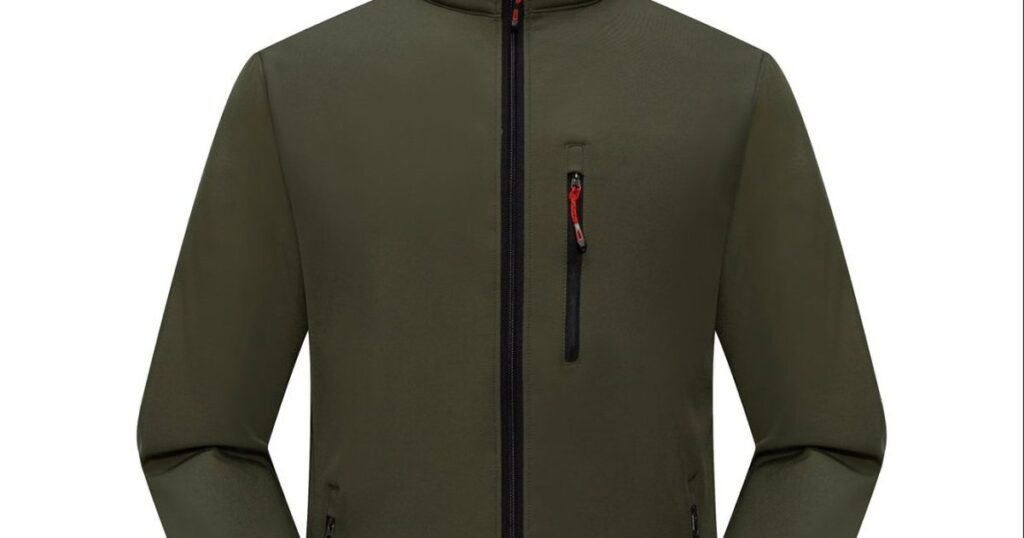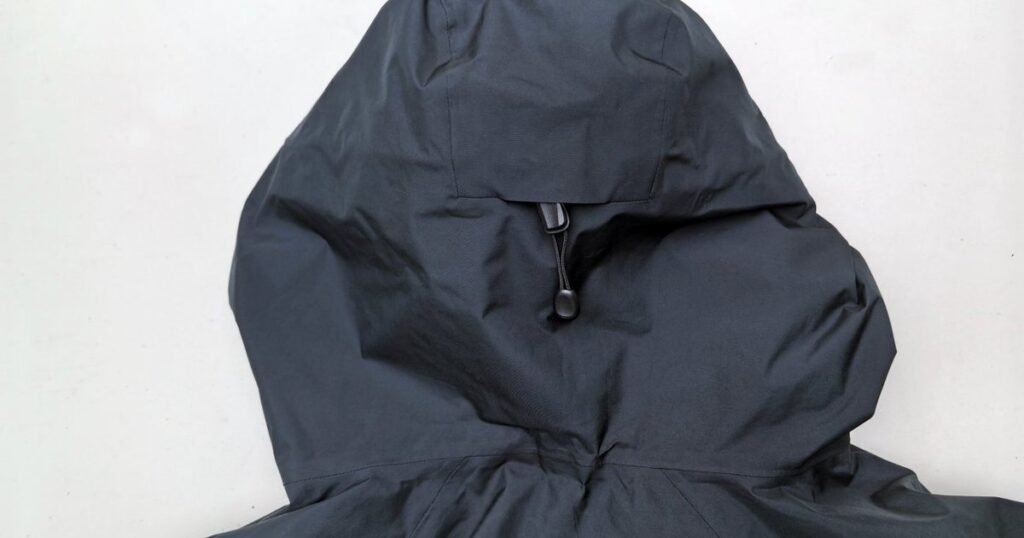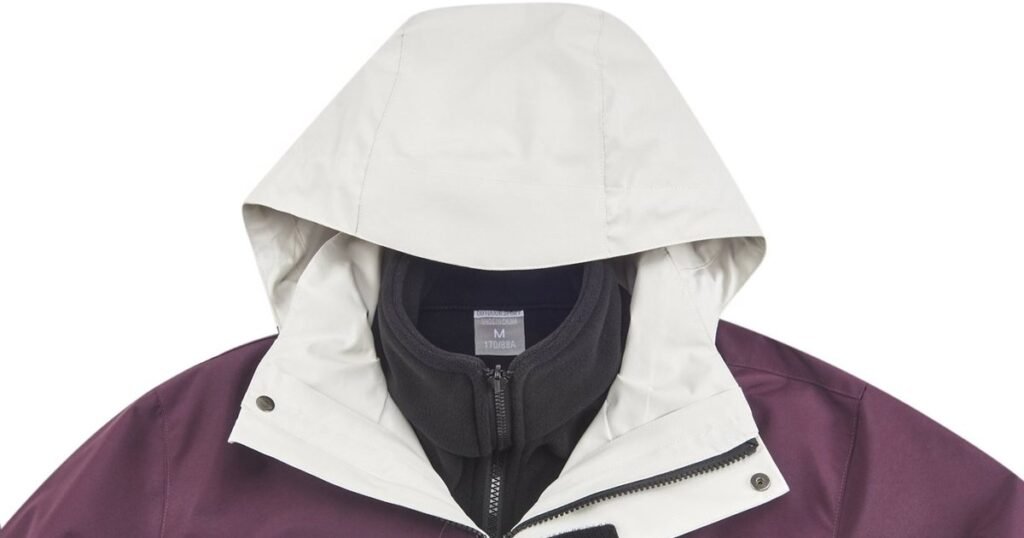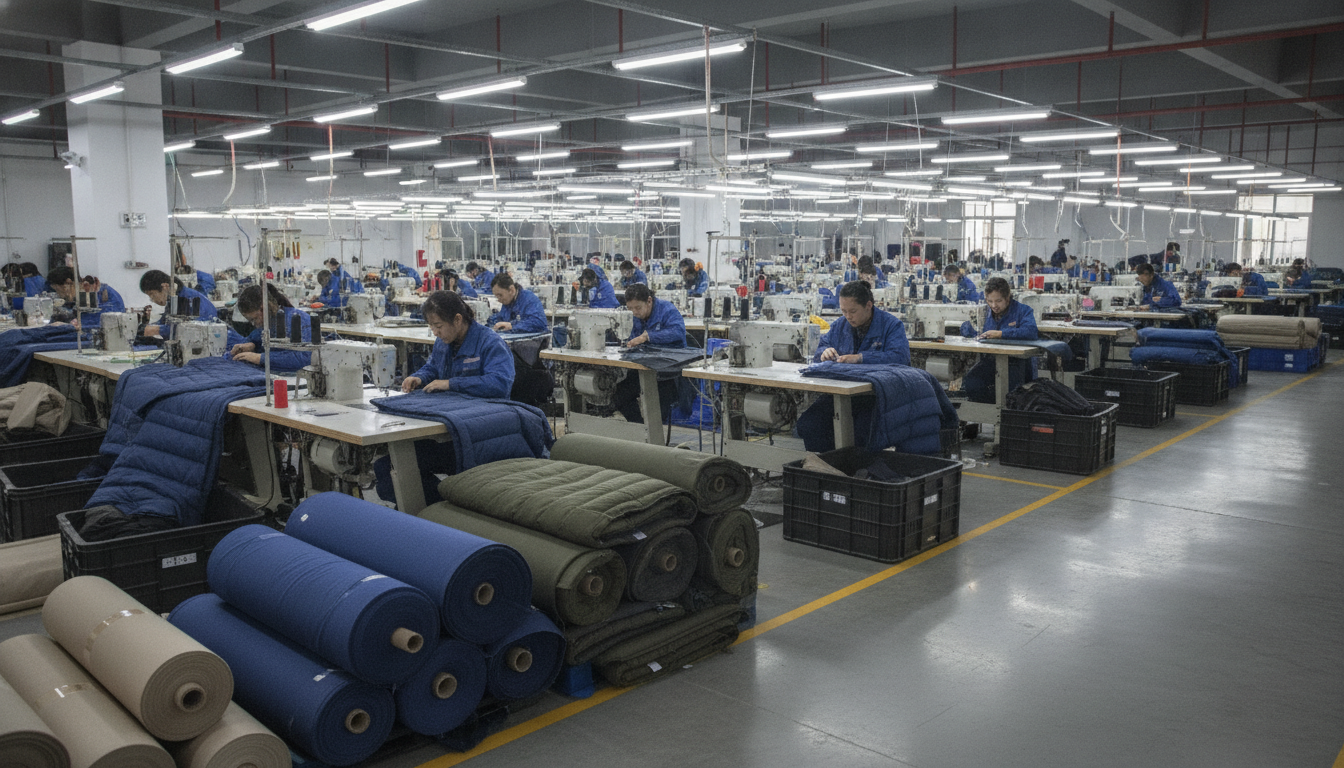
Producing a custom parka from scratch involves six core stages: concept and tech pack development, fabric and trim sourcing, pattern making and grading, prototype sampling, pre-production approval, and bulk manufacturing with in-line quality control. Sample MOQ starts at 1 piece with 7-10 day turnaround, bulk MOQ 30 pieces per SKU, and production runs 25-35 days once materials arrive.
📋 Table of Contents
- Executive Summary
- What Is a Tech Pack and Why Does It Matter?
- How Do You Source Fabric and Insulation for a Custom Parka?
- What Happens During Pattern Making and Grading?
- How Does Prototype Sampling Work?
- What Is Pre-Production Sample Approval?
- How Is Bulk Production Managed and Quality Controlled?
- Key Takeaways
- FAQ
Executive Summary
- Tech pack foundation: A complete tech pack includes flat sketches, construction details, material callouts, colorways, sizing, and trim specifications, typically taking 1 to 4 weeks to finalize depending on style count.
- Fabric and trim sourcing: Sourcing shell fabric, insulation, zippers, and hardware runs 2 to 6 weeks and often overlaps with design development to compress timelines.
- Pattern and grading: First pattern making and prototype sampling commonly take 2 to 6 weeks, with fit revision rounds adding 4 to 9 weeks if changes are needed.
- Sampling options: Sample MOQ starts at 1 piece with a refundable fee, allowing validation before committing to bulk; bulk MOQ is 30 pieces per SKU.
- Bulk production timeline: Once pre-production samples are approved, bulk manufacturing takes 25 to 35 days, with rush orders of 1,000 pieces deliverable in 2 weeks at a 25 percent surcharge.
What Is a Tech Pack and Why Does It Matter?
A tech pack is the blueprint that translates your custom parka concept into production-ready specifications. It includes flat sketches, construction details, material callouts, colorways, sizing charts, and trim specifications. According to Rudiment Atelier (2026), tech pack development commonly takes 1 to 4 weeks depending on style count. Without a complete tech pack, sampling becomes guesswork and revision rounds multiply.
Core Components of a Parka Tech Pack
Every tech pack must include these elements before sampling begins:
- Flat technical sketches: Front, back, and side views with callouts for every seam, pocket, zipper, and trim placement.
- Bill of materials (BOM): Shell fabric, lining, insulation type and weight, zippers, snaps, drawcords, labels, hangtags, and packaging. According to 99Northern Garment (2026), a winter jacket BOM can run to 30 to 40 line items.
- Construction notes: Seam type (flatlock, overlock, taped), stitch count per inch, insulation mapping, and weatherproofing details like seam sealing and DWR finish.
- Graded size chart: Measurements for every size run (XS to 3XL typical), including chest, length, sleeve, shoulder, and hem dimensions with 2-inch grade rules between sizes.
- Colorways and Pantone codes: Shell, lining, zipper, and trim colors specified by Pantone TPX or C code to ensure consistency across dye lots.
Why Tech Packs Prevent Costly Revisions
Buyers often struggle with custom outerwear taking too long once revisions start, especially when fit or artwork changes require another sample round. A detailed tech pack locks down every construction decision before the first sample is cut, reducing the risk of surprises when the prototype arrives. Factories interpret vague instructions differently, so specifying “YKK #5 reverse-coil zipper with locking slider” instead of “durable zipper” eliminates ambiguity.
How Do You Source Fabric and Insulation for a Custom Parka?
Fabric and trim sourcing determines weatherproofing performance, durability, and cost. According to Rudiment Atelier (2026), fabric and trim sourcing can take 2 to 6+ weeks and often runs in parallel with design development. Shell fabric, insulation, lining, and hardware must meet the performance specs in your tech pack, and each choice carries tradeoffs in lead time, minimum yardage, and price.
Shell Fabric Selection
Parka shell fabrics fall into three performance tiers:
- Water-resistant nylon or polyester: 210D to 420D ripstop or plain weave with PFC-free DWR finish, hydrostatic head 3,000 to 5,000 mm, suitable for light rain and wind protection.
- Waterproof-breathable membranes: 2-layer or 2.5-layer laminate with 10,000 mm hydrostatic head and 5,000 g/m²/24hr MVTR, seam-taped construction required.
- 3-layer hardshell: Face fabric, membrane, and backer bonded into one layer, 20,000+ mm waterproof rating, fully taped seams, premium pricing and longer lead times.
Minimum fabric order quantities typically start at 500 to 1,000 meters per colorway, though some mills accept 300-meter runs at a 15 to 20 percent surcharge. Lead time from mill to factory runs 3 to 5 weeks for stock colors, 5 to 7 weeks for custom dye lots.
Insulation Options
Insulation type and weight drive warmth, packability, and cost:
- Synthetic insulation: 60g to 120g polyester fill, maintains warmth when wet, machine washable, lower cost than down.
- Down fill: 600 to 800 fill-power goose or duck down, superior warmth-to-weight ratio, requires RDS certification for ethical sourcing, higher cost and longer lead times.
- Hybrid mapping: Down in torso panels for core warmth, synthetic in high-moisture areas like underarms and hood, optimizes performance and cost.
Trim and Hardware Sourcing
Zippers, snaps, drawcords, and elastic must match the shell fabric’s performance level. YKK Vislon or Aquaguard zippers are standard for waterproof parkas, with lead times of 2 to 3 weeks for stock colors and 4 to 5 weeks for custom pulls. Reflective piping, adjustable cuffs, and storm flaps add 10 to 15 percent to trim costs but differentiate a technical parka from a basic jacket.
Our 3,000m² Taizhou Sanmen facility maintains relationships with mills in Jiangsu and Zhejiang, compressing fabric lead times to 3 weeks for stock constructions and allowing 300-meter custom runs without surcharges on repeat orders.
What Happens During Pattern Making and Grading?
Pattern making translates the tech pack’s flat sketches into three-dimensional paper or digital patterns that cutters use to slice fabric. According to Rudiment Atelier (2026), pattern making and first prototype sampling commonly take 2 to 6 weeks. Grading scales the base pattern across the full size run, maintaining proportional fit from XS to 3XL.
Base Pattern Development
A pattern maker drafts the first pattern in the middle size (typically Medium or Large) using the tech pack’s construction details and measurements. Key pattern pieces for a parka include:
- Front and back body panels: Includes dart placement, side seams, and hem curve.
- Sleeves: Two-piece set-in sleeve with elbow articulation for technical parkas, single-piece sleeve for simpler designs.
- Hood: Three-piece construction with wire or drawcord channel, brim reinforcement, and face opening.
- Pockets: Welt, flap, or zippered hand pockets, internal security pocket, and chest pocket if specified.
- Collar and storm flap: Stand collar with snap closure, chin guard, and optional storm flap over front zipper.
Grading Rules and Size Consistency
Grading applies incremental changes to every pattern piece across the size range. Standard grade rules for outerwear add 2 inches to chest circumference and 1 inch to length per size step, with sleeve length increasing 0.5 inches. Shoulder width, armhole depth, and neck opening also grade proportionally. Inconsistent grading results in a size Large that fits like a boxy Medium or a 2XL with sleeves too short for the chest width.
Digital vs. Paper Patterns
Digital pattern making using CAD software accelerates revisions and ensures precision, with patterns stored as DXF or PLT files that feed directly into automated cutting machines. Paper patterns require manual adjustments for each revision and introduce measurement drift across size runs. Factories with digital pattern libraries can archive your custom parka pattern and reproduce it for reorders without re-drafting.
How Does Prototype Sampling Work?
Prototype sampling builds the first physical garment from your pattern and tech pack. This is where construction details, fit, and material performance get validated before bulk production. Sample MOQ starts at 1 piece, with a $100 sample fee refundable against bulk orders, and turnaround runs 7 to 10 days once materials arrive.
First Prototype Build
The factory cuts and sews one sample in the base size using the exact materials specified in the tech pack. According to 99Northern Garment (2026), a single winter jacket can pass through 25 to 35 sequential sewing operations before finishing. Each operation is checked: seam alignment, stitch tension, insulation distribution, zipper function, and trim placement.
Buyers often discover that customization tools feel limiting because they can only change a few elements online instead of specifying true construction details. A prototype sample reveals whether the hood brim holds its shape, whether the cuff elastic provides a secure seal, and whether the front zipper pulls smoothly under load.
Fit and Function Review
The prototype is worn and assessed for:
- Fit: Shoulder seam placement, sleeve length, torso length, and ease through chest and waist.
- Mobility: Range of motion when reaching forward or overhead, particularly important for technical outdoor use.
- Weatherproofing: Seam tape adhesion, DWR bead-up on shell fabric, zipper storm flap coverage, and hood adjustment.
- Construction quality: Stitch consistency, insulation loft, trim alignment, and label placement.
Revision Rounds
According to Rudiment Atelier (2026), fit sample revision rounds can take 4 to 9 weeks. Each revision requires pattern adjustments, a new sample build, and another review cycle. Common revisions include lengthening sleeves by 1 inch, widening the chest by 2 inches, adjusting hood volume, or changing zipper length. Limiting revisions to one or two rounds requires a detailed tech pack and clear fit standards upfront.
In practice: Seam taping is what separates a jacket that survives a wash test from one that delaminates after three washes, which is why waterproof parkas get tape-adhesion checks on the prototype before bulk cutting begins.
What Is Pre-Production Sample Approval?
The pre-production (PP) sample is the final prototype that locks in all materials, construction, fit, and finishing before bulk manufacturing starts. It serves as the quality reference for in-line inspections during production. Approving the PP sample is the buyer’s sign-off that the custom parka meets specifications and is ready to scale.
PP Sample vs. Prototype Sample
The PP sample differs from earlier prototypes in three ways:
- Final materials: Uses the exact fabric, insulation, zippers, and trims that will be bulk-ordered, not placeholder materials.
- Final construction: Incorporates all approved revisions from fit sampling, with no further changes expected.
- Quality benchmark: Becomes the reference standard for bulk production, with photos and measurements archived for in-line QC checks.
What Gets Checked Before PP Approval
Before approving the PP sample, verify:
- Material match: Shell fabric weight, hand feel, and color match the approved swatch; insulation loft and fill power meet spec.
- Construction accuracy: Seam type, stitch count, seam tape width, and trim placement match the tech pack exactly.
- Fit consistency: All measurements within tolerance (typically ±0.5 inches for outerwear), graded sizes proportional.
- Labeling and branding: Woven labels, printed care labels, hangtags, and packaging match approved artwork.
- Performance testing: Water-resistance test, seam-tape peel strength, zipper cycle test, and insulation compression recovery if specified.
Approval Timeline and Bulk Material Order
PP sample approval triggers the bulk material order, which locks in lead times. Fabric mills require 3 to 5 weeks to dye and finish bulk yardage, insulation suppliers 2 to 3 weeks, and trim vendors 2 to 4 weeks. Delaying PP approval by one week pushes the final delivery date by one week, so buyers balancing speed and perfection must decide whether a minor detail justifies another revision round.
How Is Bulk Production Managed and Quality Controlled?
Bulk production scales the approved PP sample to the full order quantity, typically 30 pieces per SKU minimum, with manufacturing taking 25 to 35 days once materials arrive. According to Rudiment Atelier (2026), bulk production for custom apparel commonly takes 4 to 12 weeks depending on order size and factory capacity. In-line quality control at multiple checkpoints prevents defects from compounding.
Cutting and Material Inspection
Bulk fabric is inspected for defects (holes, dye streaks, weave flaws) before cutting. Automated cutting machines follow digital patterns to minimize waste, achieving 85 to 90 percent fabric utilization on efficient layouts. Insulation is weighed and inspected for loft consistency, and trims are batch-tested for colorfastness and strength.
Sewing and Assembly
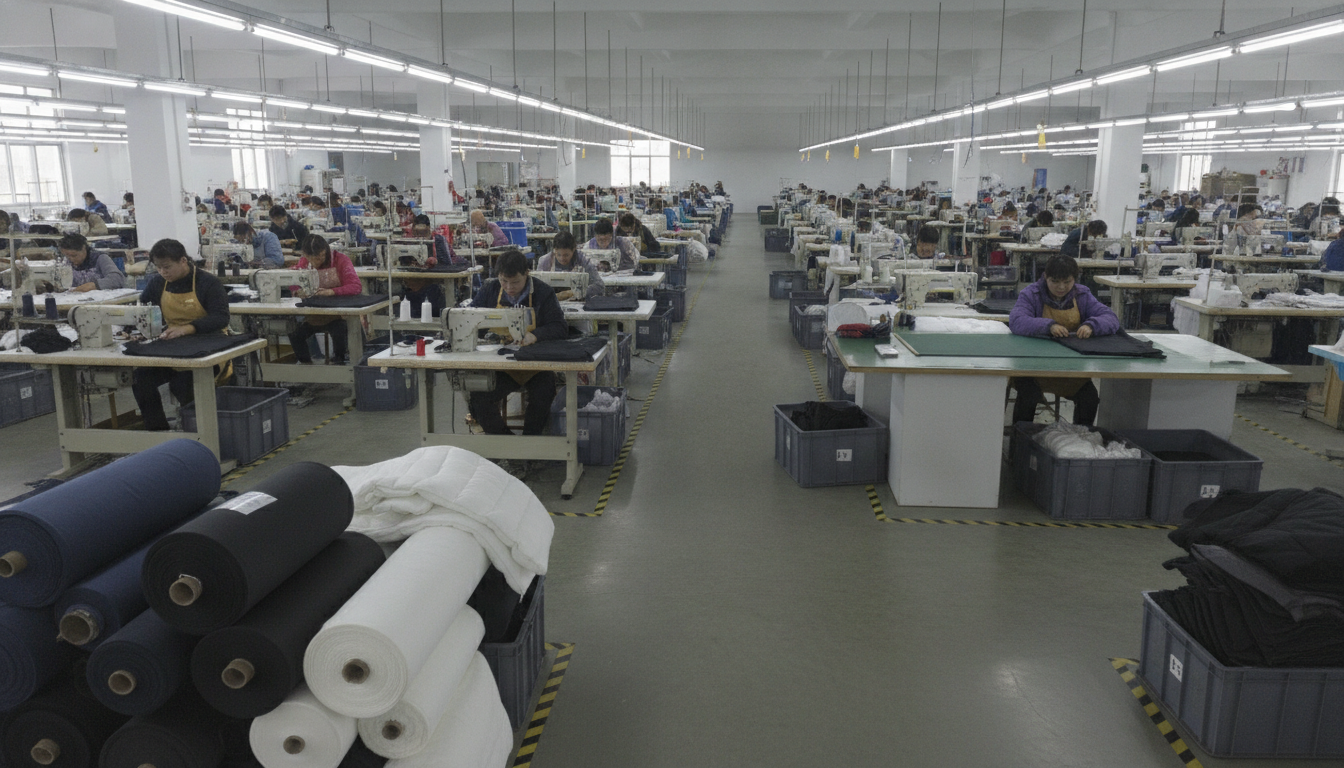
Sewing operators work in modular lines, with each operator specializing in one or two operations (pocket attachment, sleeve setting, zipper installation, hood assembly). Quality checkpoints occur after every 5 to 10 operations, catching errors before they propagate down the line. Critical operations like seam taping and insulation quilting receive 100 percent inspection.
In-Line and Final QC
Quality control happens at three stages:
- In-line QC: Random sampling during sewing, checking stitch tension, seam alignment, and trim placement against the PP sample.
- Mid-production inspection: When 30 to 50 percent of the order is complete, a full inspection of 10 to 20 garments verifies consistency before the second half is sewn.
- Final inspection: Every finished garment is checked for defects, measurements, labeling, and packaging before packing.
Packing and Shipment
Finished parkas are folded or hung per buyer instructions, bagged in polybags with suffocation warnings, and packed in cartons with SKU labels and shipping marks. Carton dimensions and weight are optimized for container loading, and packing lists are generated for customs clearance. DDP shipping is available, with the factory managing freight, customs duties, and delivery to the buyer’s warehouse.
Our facility runs 20 production lines with in-house cut-and-sew and QC, producing 200,000 pieces per year. OEM jacket manufacturing at this scale allows us to maintain 7-10 day sampling and 25-35 day bulk production without outsourcing critical operations.
Rush Orders and Lead Time Compression
For urgent launches or restocks, rush production delivers 1,000 pieces in 2 weeks at a 25 percent surcharge. This requires materials in stock, pattern and tech pack finalized, and production line capacity reserved in advance. Buyers needing consistent short lead times benefit from establishing a seasonal production calendar and placing repeat orders with locked patterns and approved materials.
Key Takeaways
- Tech pack development commonly takes 1 to 4 weeks depending on style count and must include flat sketches, BOM, construction notes, graded sizing, and Pantone color codes before sampling begins.
- Fabric and trim sourcing can take 2 to 6+ weeks and often runs in parallel with design development, with shell fabric minimums starting at 500 to 1,000 meters per colorway and lead times of 3 to 7 weeks.
- Pattern making and first prototype sampling commonly take 2 to 6 weeks, with fit revision rounds adding 4 to 9 weeks if changes are needed.
- Sample MOQ starts at 1 piece with 7-10 day turnaround and a refundable fee, allowing buyers to validate fit and construction before committing to bulk orders of 30 pieces per SKU.
- Bulk production for custom apparel commonly takes 4 to 12 weeks depending on order size, with in-line QC at cutting, mid-production, and final inspection stages preventing defects from scaling.
- A winter jacket BOM can run to 30 to 40 line items including shell fabric, lining, insulation, zipper, snaps, labels, hangtags, and packaging, and a single jacket can pass through 25 to 35 sequential sewing operations before finishing.
FAQ
What is the minimum order quantity for a custom parka?
Sample MOQ is 1 piece with a $100 sample fee refundable against bulk orders, and bulk MOQ is 30 pieces per SKU. This allows buyers to validate fit, construction, and material performance before committing to larger production runs. Factories with lower MOQs often compromise on material quality or construction precision, so 30 pieces per SKU balances accessibility with manufacturing efficiency.
How long does it take to produce a custom parka from concept to delivery?
Total timeline from concept to delivery typically runs 12 to 24 weeks depending on revision rounds and material lead times. Tech pack development takes 1 to 4 weeks, fabric sourcing 2 to 6 weeks, pattern making and first prototype 2 to 6 weeks, fit revisions 4 to 9 weeks if needed, and bulk production 25 to 35 days once the pre-production sample is approved. Buyers who finalize the tech pack and approve materials quickly can compress the timeline to the shorter end of this range.
What certifications should I look for when sourcing a custom parka manufacturer?
ISO 9001 certification confirms the factory maintains quality management systems, SGS inspection verifies production capacity and compliance, and PFC-free DWR certification ensures the water-repellent finish meets environmental standards. For buyers targeting EU or US markets, OEKO-TEX Standard 100 screens textiles against harmful substances, and BSCI audits verify ethical labor practices. Factories holding multiple certifications demonstrate commitment to quality and compliance, reducing risk for buyers launching technical outdoor apparel brands.
Ready to start your custom parka project with a manufacturer that offers 1-piece sampling and 30-piece bulk MOQ?
Request Your Sample →
Written by Ivan Chen, Sales Engineer at PTOUTWEAR – 13 years in outdoor apparel manufacturing.