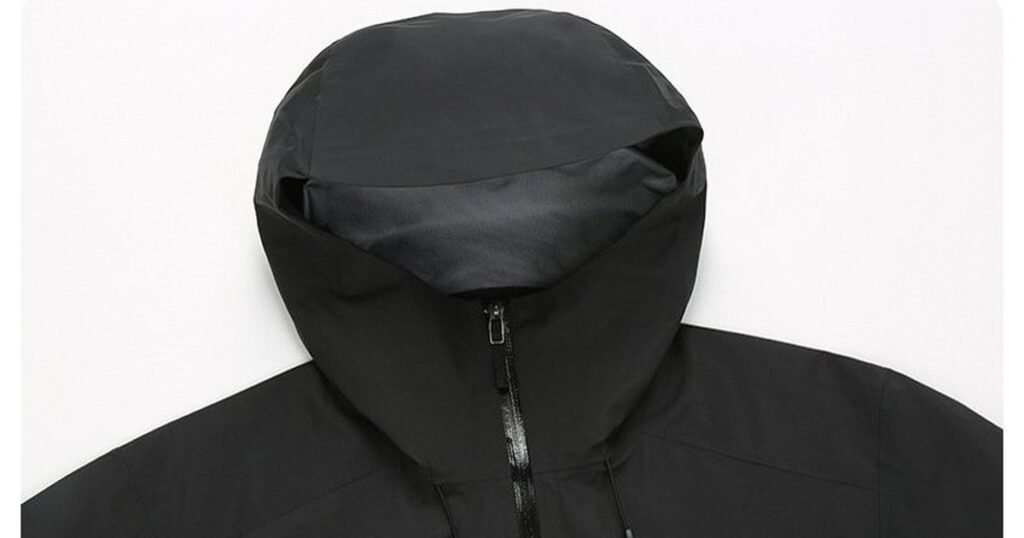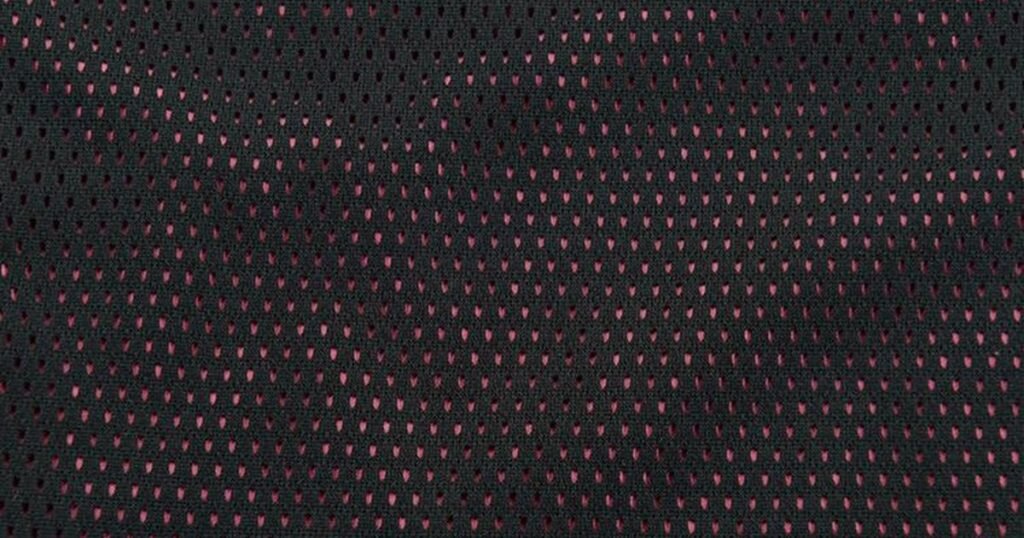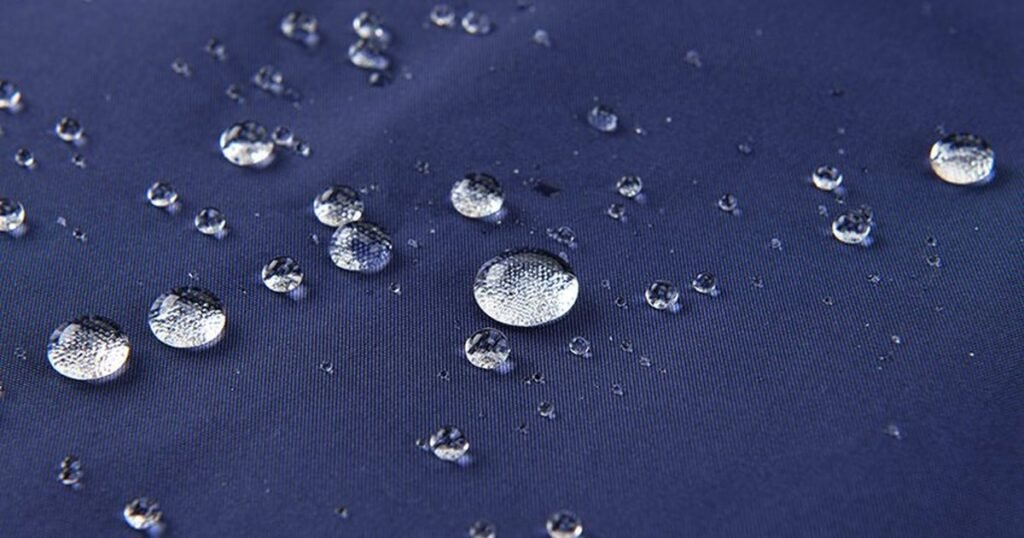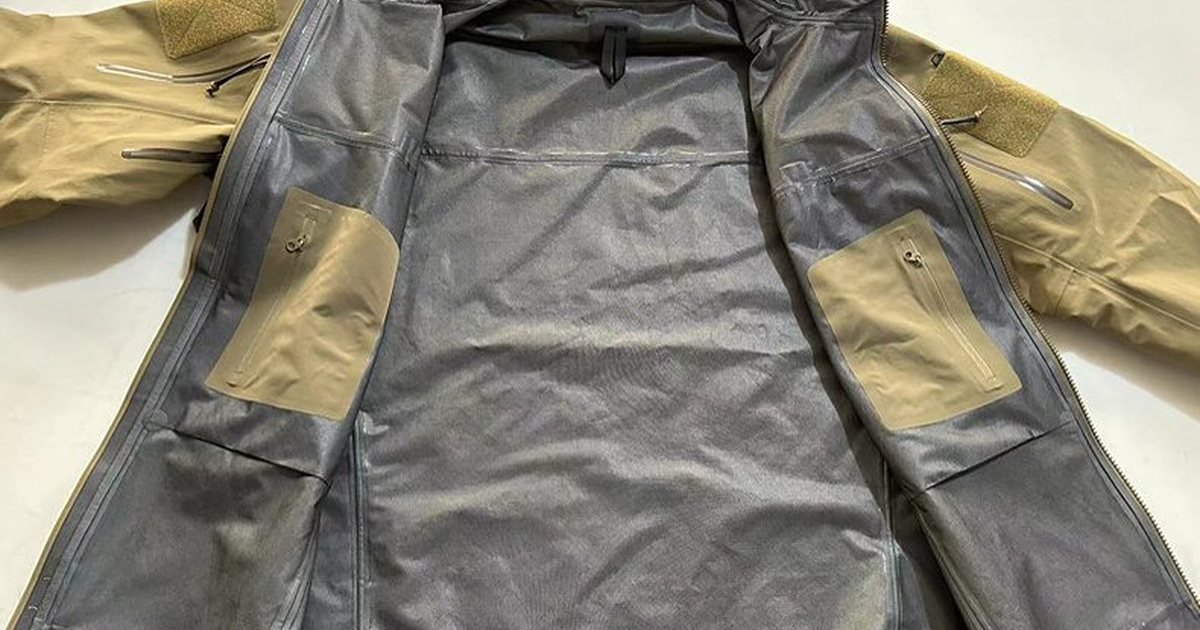
The difference: a 2-layer shell bonds the waterproof membrane to the face fabric and needs a separate hanging liner, while a 3-layer shell bonds face fabric, membrane, and an inner backer into a single laminate. 3-layer is lighter, more durable, and more breathable in use, but costs more; 2-layer is cheaper and softer-feeling but bulkier. A 2.5-layer sits between, printing a protective coating instead of a full backer.
This construction choice is one of the biggest cost and performance levers in a waterproof jacket brief. As a factory laminating all three builds, we walk buyers through this constantly — here’s the decision in plain terms. (For the membrane ratings side, see our waterproof laminate guide.)
Shell Construction in One Sentence
Layer count describes how many materials are bonded together: 2-layer (face + membrane), 2.5-layer (face + membrane + printed coating), and 3-layer (face + membrane + backer fabric) — more layers means lighter, tougher, pricier.
2-Layer Construction
The membrane is laminated to the back of the face fabric only. Because the raw membrane is exposed inside, a separate liner hangs loose inside the jacket to protect it.
- ✅ Lowest cost, soft drape, comfortable next-to-layers
- ✅ Good for casual and urban rain shells
- ❌ Bulkier (extra liner), heavier, less packable
- ❌ Liner can feel clammy in high-output use
2.5-Layer Construction
The membrane gets a thin printed or sprayed protective coating instead of a fabric backer — the “half layer.”
- ✅ Lightest and most packable
- ✅ Lower cost than 3-layer
- ❌ Less durable inner surface; coating can wear over time
- ✅ Ideal for emergency/packable rain shells
3-Layer Construction
Face fabric, membrane, and an inner backer (often tricot or knit) are bonded into one unified laminate with no loose liner.
- ✅ Most durable, best for technical and expedition use
- ✅ Lighter than 2-layer despite tougher build
- ✅ Best breathability in active use
- ❌ Highest cost, stiffer “crinkly” hand-feel
Side-by-Side Comparison
| Property | 2-Layer | 2.5-Layer | 3-Layer |
|---|---|---|---|
| Liner | Separate hanging | Printed coating | Bonded backer |
| Weight | Heaviest | Lightest | Light |
| Durability | Moderate | Lower | Highest |
| Packability | Low | Highest | High |
| Breathability (in use) | Moderate | Good | Best |
| Hand-feel | Soft | Light/papery | Structured |
| Relative cost | $ | $$ | $$$ |
| Best use | Casual rain | Packable shells | Technical/pro |
Which Should You Spec?
| If your jacket is… | Spec… |
|---|---|
| A budget urban rain shell | 2-layer |
| An ultralight packable | 2.5-layer |
| A technical / expedition shell | 3-layer |
| A daily-wear commuter jacket | 2-layer or 2.5-layer |
| A premium performance line | 3-layer |
Regardless of layer count, the waterproof rating means nothing without proper seam sealing — confirm fully vs critically taped to match the construction. See the full hardshell buyer’s guide for how layers fit the other specs.
Specifying Construction as a B2B Buyer
In your brief, define: layer count (2L/2.5L/3L), face fabric denier and weight, backer/liner type, membrane rating, and seam sealing. A common mistake is pairing a premium 3-layer laminate with a cheap face fabric or unsealed seams — the build is only as strong as its weakest element.
Frequently Asked Questions
Is a 3-layer jacket better than a 2-layer?
For technical performance, yes — 3-layer is lighter, more durable, and more breathable in active use. But “better” depends on use: a 2-layer is the smarter choice for a budget urban rain shell where cost and soft hand-feel matter more than packability.
What does 2.5-layer mean in a jacket?
A 2.5-layer jacket has the face fabric and membrane bonded together, then a thin printed or sprayed coating on the inside instead of a full backer fabric. The “half layer” coating protects the membrane while keeping the jacket extremely light and packable.
Are 3-layer shells more waterproof?
Not inherently — waterproofing comes from the membrane’s hydrostatic rating, not the layer count. A 3-layer shell is more durable and breathable, but a 2-layer with the same membrane has the same waterproof rating. Layer count affects longevity and weight, not the mm rating.
What MOQ is needed for custom shell jackets?
At PTOUTWEAR, custom 2L, 2.5L, and 3L jackets all start at a 30-piece MOQ with 1-piece sampling, so you can feel the construction difference on a real sample before scaling.
Build the Right Construction for Your Market
Layer count is a direct trade between cost, weight, and durability — there’s no universally “best” build, only the right one for the jacket’s job. At PTOUTWEAR we laminate custom hardshell jackets in all three constructions from 30-piece MOQ with 1-piece sampling. Our OEM manufacturing team can recommend the construction that fits your performance target and price point.