The difference: a hardshell is a waterproof storm barrier built to keep weather out, while a softshell is a breathable, stretchy comfort layer built for movement in mild-to-damp conditions. A hardshell uses a waterproof-breathable membrane and taped seams; a softshell uses a stretch face bonded to a fleece backer with only a water-repellent finish. Pick the hardshell for rain protection, the softshell for all-day active wear.
That single difference in job drives everything else — fabric, construction, cost, and the customer you sell to. As a factory running both lines (we manufacture hardshells at 10,000–28,000mm hydrostatic head and softshells in 4-way stretch poly/spandex), we spec these every week. This guide breaks down how each is built and which belongs in your product line.
What Is a Hardshell Jacket?
A hardshell is your storm barrier. It uses a waterproof-breathable membrane or coating laminated to a face fabric, with taped seams and a 2-layer, 2.5-layer, or 3-layer construction to block rain, wind, and snow.
Key traits:
- Waterproof — rated in mm hydrostatic head (typically 10,000–28,000mm).
- Windproof — the membrane stops air completely.
- Crinkly, structured hand-feel — the laminate makes it less flexible.
- Lower stretch — protection comes before mobility.
- Packable — usually lighter and more compressible than a softshell.
You wear a hardshell when the weather turns — it lives in the pack until rain or wind arrives.
What Is a Softshell Jacket?
A softshell is your active comfort layer. It’s typically a woven face bonded to a fleece or tricot backer, prioritizing stretch, breathability, and warmth over full waterproofing.
Key traits:
- Water-resistant, not waterproof — a DWR finish sheds light rain and snow, but it wets out in a sustained downpour.
- Highly breathable — releases sweat during high-output activity.
- Stretchy and quiet — comfortable for climbing, hiking, daily wear.
- Warmer on its own — the backer adds insulation a hardshell lacks.
- Wind-resistant — slows wind without the airtight membrane.
You wear a softshell as your outer layer in dry-to-damp conditions — it stays on all day.
Side-by-Side Comparison
| Property | Hardshell | Softshell |
|---|---|---|
| Waterproofing | Yes (membrane/coating) | Water-resistant (DWR only) |
| Breathability | Good (membrane-dependent) | Excellent |
| Stretch | Low | High |
| Warmth | Low (shell only) | Moderate (fleece backer) |
| Wind protection | Total | Partial |
| Hand-feel | Crinkly, structured | Soft, quiet |
| Packability | High | Lower (bulkier) |
| Best use | Storm protection | Active, mild weather |
| Typical FOB cost | Higher | Moderate |
How Each Is Constructed
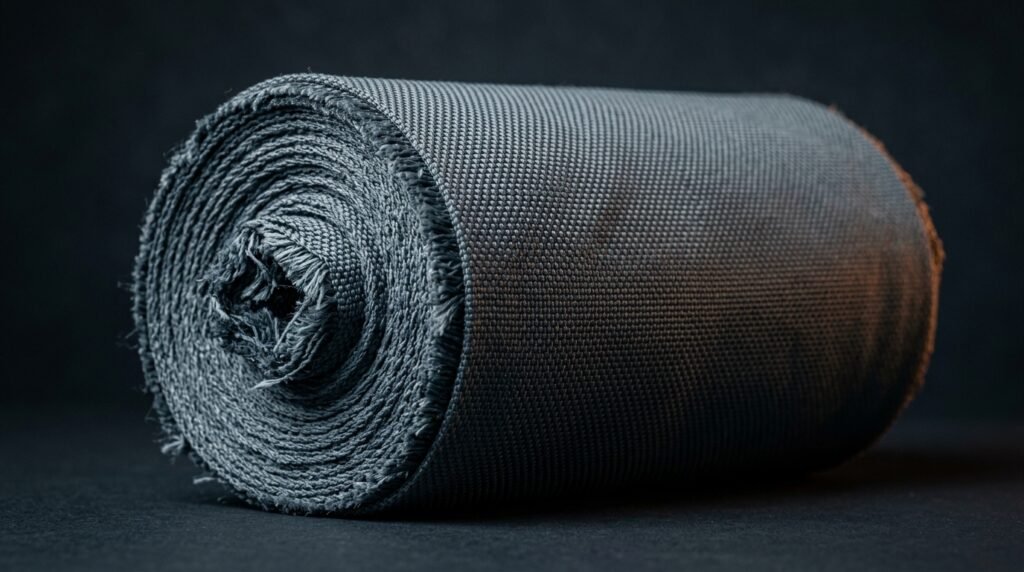
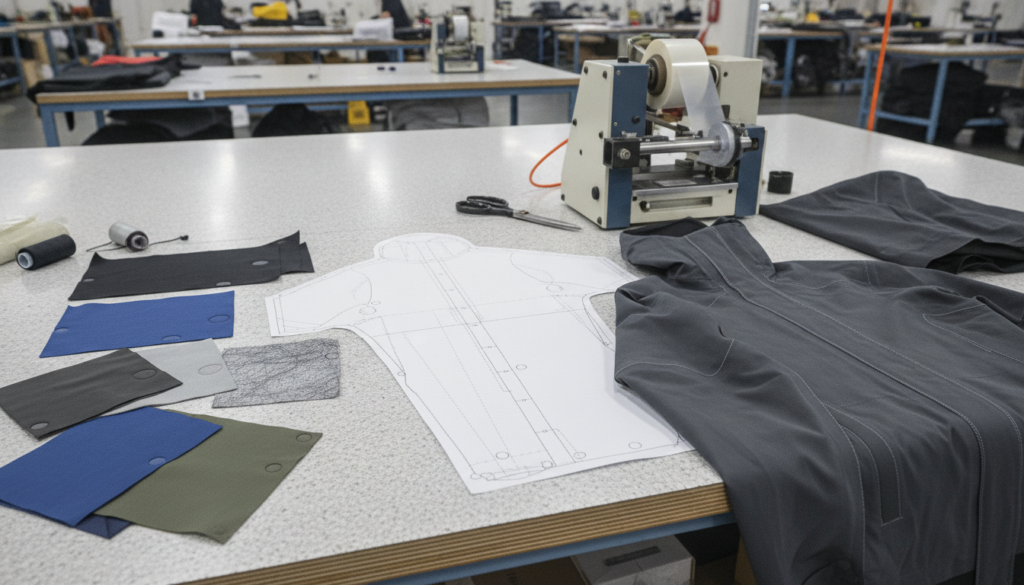
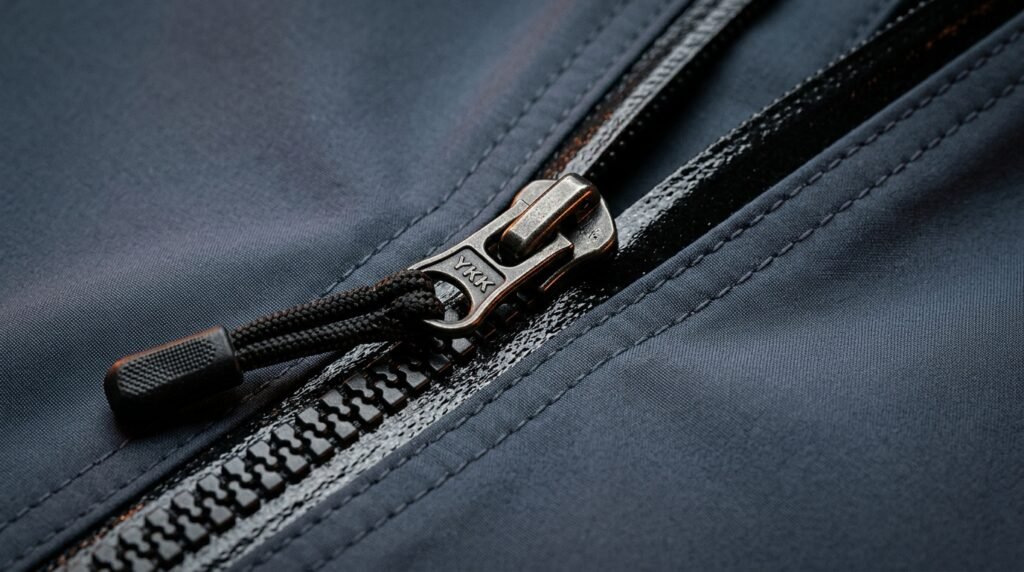
Hardshell = face fabric + waterproof-breathable membrane + (optional) backer, fused into a laminate. The membrane is the expensive, performance-defining component, and the build must be sealed — fully taped seams, waterproof or storm-flap zippers, and storm hoods — or the rating means nothing.
Softshell = woven stretch face (often nylon/spandex or poly/spandex) bonded to a fleece or tricot backer, finished with DWR. No membrane, so no taped seams are required, which keeps construction simpler and cost lower.
This construction gap is why a hardshell and softshell at the same price point are rarely comparable on materials — the hardshell’s cost is concentrated in the membrane, the softshell’s in the bonded stretch fabric.
Which Should You Spec for Your Line?
| If your customer needs… | Spec a… |
|---|---|
| Rain/storm protection, packable | Hardshell |
| All-day comfort, active warmth | Softshell |
| One do-it-all jacket (mild climate) | Softshell |
| Layering system / technical line | Both (hardshell over softshell) |
| Workwear with weather resistance | Softshell, or hardshell if wet-trade |
A common premium move is to offer both as a system: the softshell as a year-round active layer and the hardshell as the storm overlayer that packs away. For dropship and small-batch lines, decide by climate — softshells outsell hardshells in temperate markets, while hardshells dominate where rain is the headline.
Specifying Each as a B2B Buyer
When briefing a hardshell, define: waterproof rating (mm), breathability (g/m²/24h), layer construction (2L/2.5L/3L), and seam sealing (fully vs critically taped).
When briefing a softshell, define: face fabric and stretch %, backer type (fleece weight or tricot), DWR (and whether PFC-free), and wind resistance.
Be explicit that a softshell is water-resistant, not waterproof — mislabeling it “waterproof” on a product page is the fastest route to returns and bad reviews.
Frequently Asked Questions
Is a softshell or hardshell warmer?
A softshell is warmer on its own because its fleece or tricot backer adds insulation, while a hardshell is just a thin protective shell with no warmth. In a layering system, though, the hardshell traps more heat by blocking all wind.
Can a softshell replace a hardshell?
Only in dry-to-damp climates. A softshell handles light rain and snow with its DWR finish but wets out in sustained rain, so it cannot replace a hardshell where genuine storm protection is needed.
Why is a hardshell more expensive than a softshell?
A hardshell’s cost is concentrated in its waterproof-breathable membrane and the sealed construction it requires — taped seams, waterproof zippers, storm hoods. A softshell has no membrane, so it is simpler and cheaper to build at the same quality level.
What MOQ is needed to produce custom shells?
At PT Outwear, both custom hardshell and softshell jackets start at a 30-piece MOQ with 1-piece sampling, so you can validate fabric and fit before committing to a production run.
Build the Right Shell for Your Market
Hardshell and softshell aren’t competitors — they’re two answers to two different briefs. The right pick comes down to your customer’s climate and how the jacket gets worn. At PT Outwear we manufacture both custom hardshell and custom softshell jackets from 30-piece MOQ, with 1-piece sampling so you can test fabric and fit before scaling. If you’re not sure which shell fits your line, our OEM manufacturing team can spec both and build samples either way.