📋 Table of Contents
For outdoor brand founders sourcing their first rain jacket run, even a single leaking seam can trigger a wave of returns, erode trust, and drain early cash flow. The seam taping process explained below breaks down exactly how a factory fuses a waterproof tape over needle holes-and why getting this step right from your first sample development order prevents costly batch rejections later.
Executive Summary
- Waterproof textile market: USD 1.7 billion in 2024, projected to reach USD 2.7 billion by 2030, according to Grand View Research.
- Outdoor apparel growth: Estimated at USD 16.5 billion in 2024 and forecast to exceed USD 25 billion by 2030, per Grand View Research.
- Seam integrity risk: Even small stitch holes compromise waterproof claims under sustained exposure (ISO 811 principle).
- Testing benchmarks: Common hydrostatic head thresholds are 10,000 mm and 20,000 mm for performance outerwear, cited by bluesign.
- Cost impact: Full seam taping adds roughly 15-25% to jacket assembly cost versus critical taping, depending on seam length and tape type.
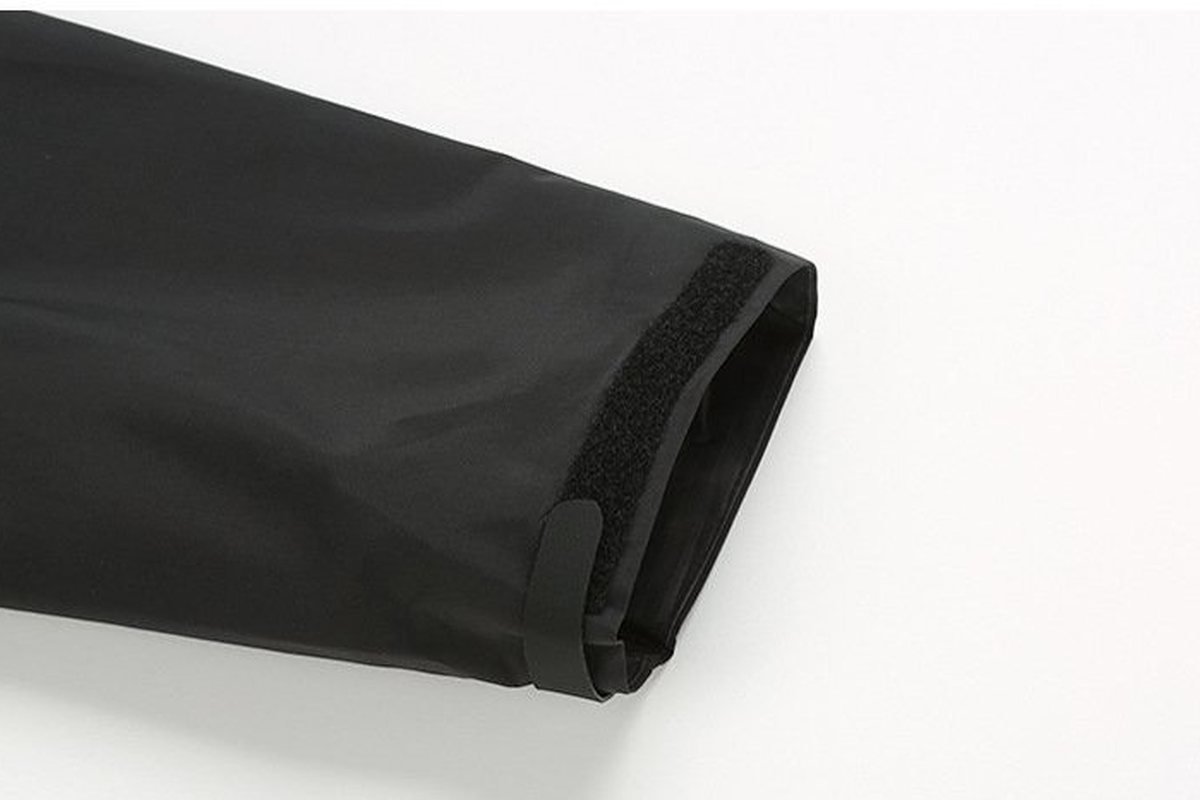
Seam Taping Process Explained: How Manufacturers Create Waterproof Seams
A seam taping process explained in practical terms: it’s the application of a heat-activated adhesive tape over garment seam stitch lines, preventing water from penetrating through needle holes. The tape-typically a multi-layer polyurethane or polyester film with a hot-melt adhesive-is fused under controlled temperature, pressure, and speed to bond permanently with the fabric’s inner face.
Why Stitch Holes Leak Without Taping
When a sewing needle pierces waterproof fabric, it creates hundreds of micro-openings along every seam. A 3-layer hardshell jacket without taped seams can leak after just 10-15 minutes of moderate rain. The tape acts as a flexible barrier that bridges those perforations, maintaining the jacket’s hydrostatic head rating.
The Seam Taping Machine: Temperature, Pressure, and Dwell Time
Production lines use dedicated seam sealing machines with heated rollers and feeder systems. Operators set three critical parameters:
- Tape temperature: 320-400°F (160-204°C), matched to adhesive melt point. Too low causes weak bonds; too high scorches fabric.
- Roller pressure: 2-4 bar, ensuring even tape-to-fabric contact without crushing seam structure.
- Dwell time: 2-5 seconds per inch, corresponding to machine speed. In our 3,000m² Taizhou Sanmen facility, we run 20 production lines with calibrated dwell times per fabric lot to avoid inconsistent adhesion.
Buyers who order from a low MOQ jacket manufacturer should confirm that the factory uses temperature-logging equipment, not manual dials, to prevent batch variance.
Critical vs. Full Seam Taping: Cost, Performance, and When to Spec Each
Not every jacket needs every seam taped. The choice between critical and full taping shifts both waterproof performance and landed cost per unit. Below is a comparison to help you spec correctly.
When to Spec Critical Taping
For DTC brands launching a $129, $179 rain jacket, critical taping keeps retail price accessible while covering the areas that catch direct rainfall. About 80% of water hits the shoulders and upper torso, so taping only those seams still delivers a 10,000mm hydrostatic rating if fabric is sound.
When Full Taping Is Non-Negotiable
Corporate team-gear programs ordering for field crews need full taping-water will find a side seam if an employee kneels or leans. Also mandatory for any jacket marketed with a 20,000mm+ hydrostatic head claim. 30 pieces per SKU is the minimum production run we handle for fully taped technical shells.
Quality Assurance and Testing Methods for Taped Seams
Seam tape failure isn’t always visible during QC. We run three standardized tests on every first-article sample and randomly on production batches to catch adhesion issues before shipping.
Common Failure Modes in Seam Taping
- Delamination: Tape adhesive separates from fabric after 5-10 wash cycles due to incorrect curing temperature. Mitigated by verifying the factory’s heat calibration logs per production lot.
- Edge lifting: Tape edges curl up, creating capillary wicking paths. Usually traced to insufficient roller pressure or worn silicone rollers.
- Bubbling: Air pockets under the tape appear within 24 hours of sealing, indicating moisture contamination on fabric surface before taping.
Sustainability and Compliance Flags for Seam Tape
Adhesive chemistry matters. OEKO-TEX Standard 100 certification screens over 1,000 harmful substances and applies to tape as an accessory. For PFC-free waterproof jackets, the tape’s DWR treatment and adhesive cannot contain fluorocarbons. A growing number of European buyers now require GRS (Global Recycled Standard) content in seam tape-recycled PET tapes with bio-based adhesives are entering commercial scale. Our private label outdoor jackets can be produced with OEKO-TEX compliant seam tape when requested during sample development.
Sample MOQ: 1 piece. Bulk MOQ: 30 pieces per SKU. Sampling time: 7-10 days.
Whether you need critical taping for a startup rain shell or fully sealed seams for a corporate uniform program, our OEM jacket manufacturing process includes in-house seam sealing machines, temperature loggers, and hydrostatic testing before shipment.
Ready to spec taped seams for your next jacket run?
Request your 1-piece sample →
FAQ
What is seam taping in jackets?
Seam taping is a manufacturing process where a heat-activated waterproof tape is applied over garment seam stitch lines. The tape prevents water from entering through needle holes, preserving the jacket’s waterproof rating. It requires controlled temperature, pressure, and dwell time to bond permanently with the fabric’s inner layer.
What is the difference between seam taping and seam sealing?
Seam taping uses a pre-made adhesive tape applied with heat and pressure, while seam sealing typically refers to liquid sealants brushed or sprayed over seams. Taping is the standard for outdoor garments because it provides a durable, flexible, and uniform barrier. Liquid sealing is more common in tents or gear where stitch holes are less stressed.
Are fully taped seams better than critically taped seams?
Fully taped seams offer superior waterproofing because every stitch hole is sealed, making the jacket submersible at the seams. Critically taped seams seal only high-exposure areas (shoulders, chest, hood) and are suitable for most urban rain jackets. Fully taped adds 15-25% to assembly cost and is essential for 20,000mm+ hydrostatic head claims.
How do you know if a jacket has taped seams?
Inspect the inside of the jacket: look for a smooth, slightly glossy tape running along seam stitch lines. Taped seams feel stiff compared to un-taped areas. Most manufacturers also label the garment with “taped seams” or a hydrostatic head rating (e.g., 10K/10K) that implies taping. A quick water-pour test on an inside-out seam reveals needle hole leaks instantly.
Does seam taping make a jacket completely waterproof?
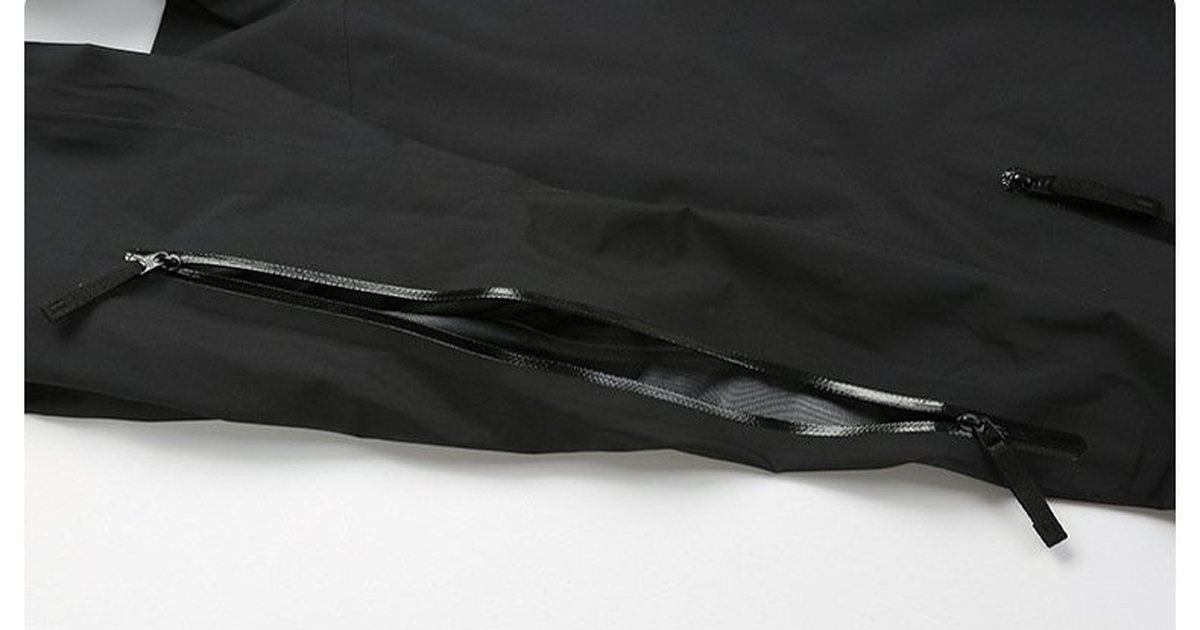
Seam taping seals stitch holes but waterproofness also depends on fabric membrane, zippers, and closures. A jacket can be “waterproof” at the seams yet leak through non-waterproof zippers or unsealed pockets. To achieve complete waterproofness, all entry points-including zippers, cuffs, and hood adjusters-must be waterproof or protected by storm flaps in addition to taped seams.
Key Takeaways
- The global waterproof breathable textiles market was valued at about USD 1.7 billion in 2024 and is projected to reach roughly USD 2.7 billion by 2030, according to Grand View Research.
- The outdoor apparel market was estimated at about USD 16.5 billion in 2024 and is forecast to exceed USD 25 billion by 2030, per Grand View Research.
- Textile Exchange reports that the apparel industry accounts for roughly 60% of global textile fiber demand, making seam integrity critical to waterproof claims.
- Hydrostatic head thresholds of 10,000 mm and 20,000 mm are common benchmarks for performance outerwear, as cited by bluesign and referenced in ISO 811 testing.
- OEKO-TEX Standard 100 certification screens over 1,000 harmful substances in textiles, including adhesives used in seam tapes.