📋 Table of Contents
Starting a technical streetwear snowboard brand means fusing waterproof performance with street-ready design. Before you sell your first jacket, you need a manufacturing partner who understands both technical outerwear specs and low-MOQ streetwear economics.
Executive Summary
- $74.6 billion in 2025, projected to reach $128.4 billion by 2034, according to Market Intelo.
- Jackets accounted for 38.4% of outerwear revenue in 2025, equal to $28.6 billion (Market Intelo).
- Outerwear market forecast to grow at 6.2% CAGR from 2026 to 2034, with jackets at 6.5% CAGR.
- A 30-piece per SKU production minimum enables brand testing without excess inventory.
- OEKO-TEX Standard 100 screens textiles against more than 1,000 substances.
What Makes Outerwear Technical for the Street and the Slopes?
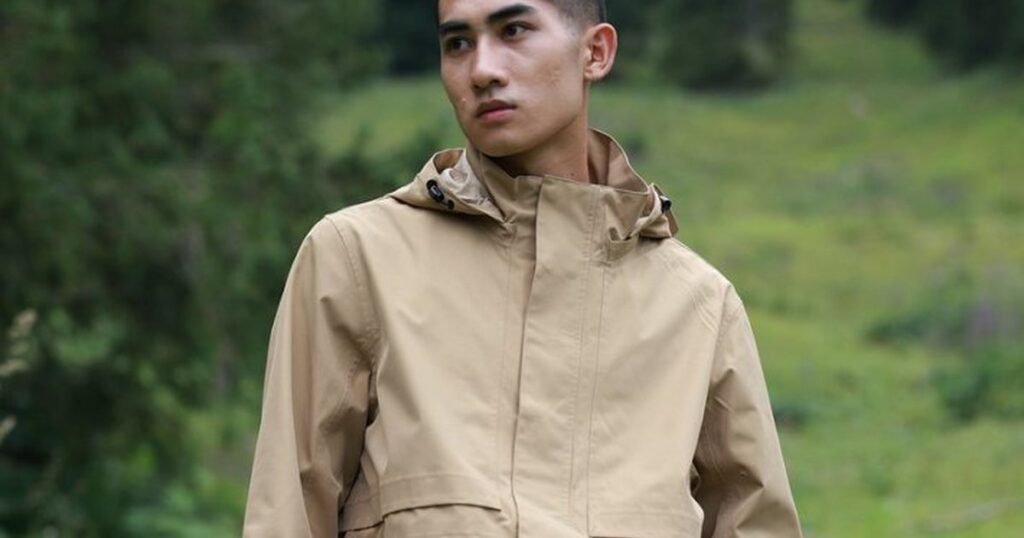
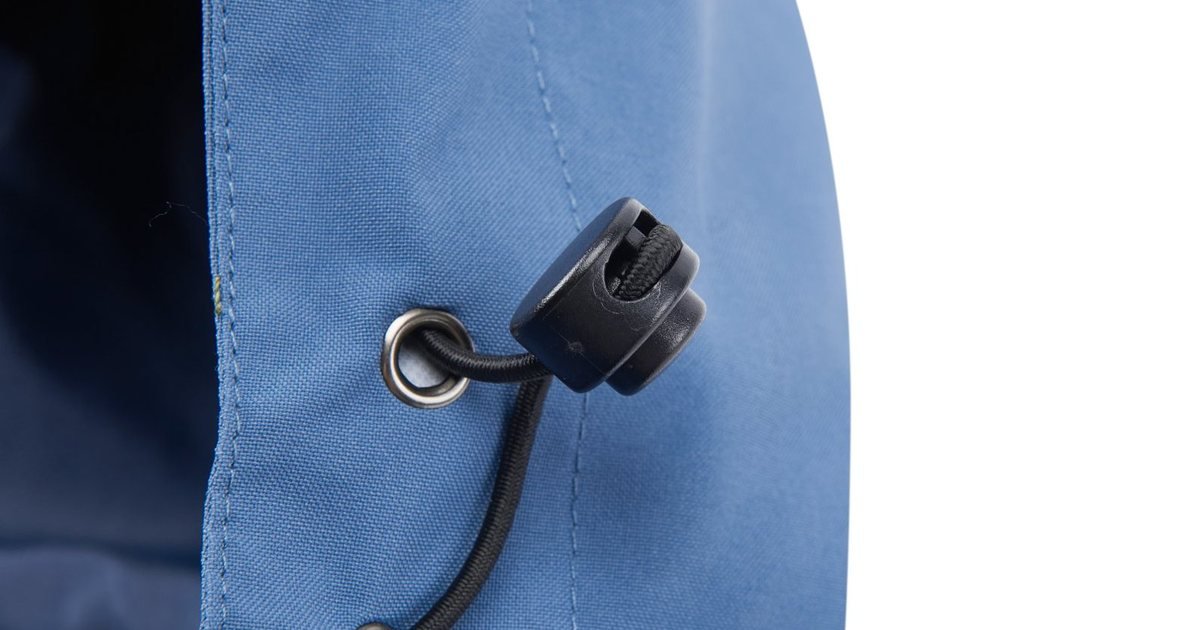
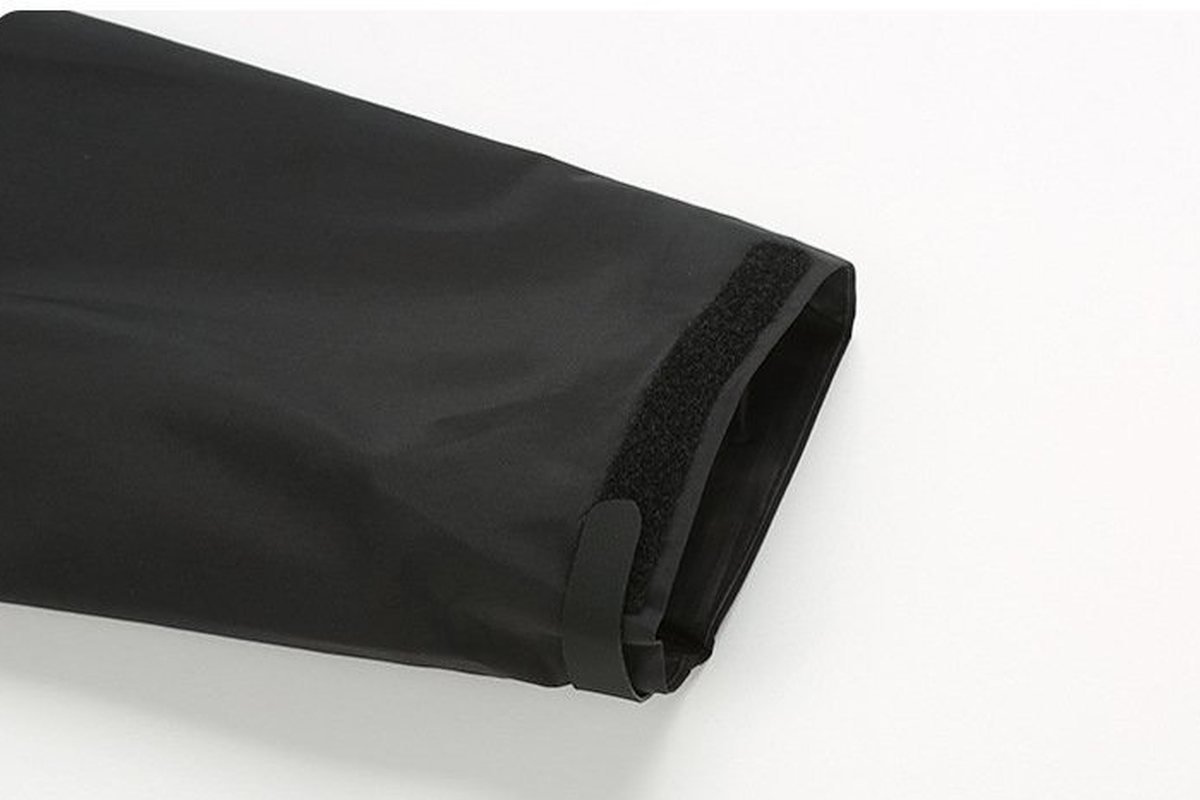
Technical streetwear snowboard outerwear combines mountain-grade protection with urban silhouettes. It uses waterproof/breathable membranes, sealed seams, and durable water repellent (DWR) finishes to keep riders dry, while stretch fabrics and articulated cuts allow movement on a board and off. The line between snow jacket and city coat blurs when you add hidden hoods, media pockets, and reflective detailing.
- Waterproofness: Measured in mm (e.g., 20,000 mm).
- Breathability: Grams of vapor per square meter per 24h (e.g., 15,000 g/m²/24h).
Waterproof/Breathable Membranes
Most technical jackets use either a PU or TPU membrane laminated to a face fabric. A 20K/20K jacket withstands 20 meters of water pressure while still releasing body vapor, suitable for wet resort days.
Seam Taping
Fully taped seams prevent water entry through stitch holes. Critical seams get heat-sealed tape, while fully taped construction covers every seam. For snowboard brands targeting wet-snow conditions, fully taped seams are non-negotiable.
Durable Water Repellent
DWR treatment beads water on the fabric surface, preventing saturation. PFC-free DWR options now meet environmental regulations without sacrificing performance. Reapplication every 10-15 washes maintains beading.
Launching a Technical Streetwear Snowboard Brand: The Production Playbook
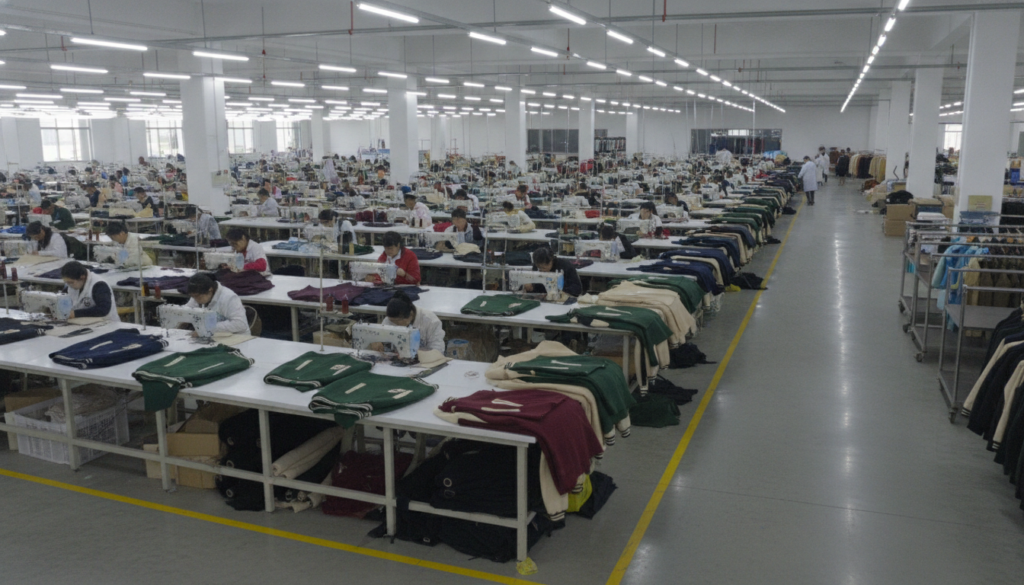
Bringing a brand from sketch to shelf requires more than design taste. You need a reliable supply chain that can handle technical fabrics at low minimums. In our 12+ years manufacturing outdoor jackets, we’ve seen founders succeed by following a structured development path. An OEM jacket manufacturer with in-house cutting, sewing, and QC can compress lead times and reduce miscommunication.
- Tech pack: A complete technical specification document.
- Pre-production sample: A single jacket to validate design.
From Concept to Tech Pack
Start with a complete tech pack: technical sketches, bill of materials, fabric specifications, trim details, and measurement charts. Include waterproofness targets, zipper types, and pocket layouts. A clear tech pack eliminates back-and-forth and speeds quotation.
Sampling: One Piece to Validate Your Design
Order a pre-production sample before committing to bulk. With 1-piece sample development, you can test fit, fabric hand-feel, and branding placement. Single sample fees typically refund against your production order.
Production and Quality Control
Once the sample is approved, bulk production starts with fabric cutting, sewing, and an inline QC checkpoint. Final inspection covers waterproofness, zipper function, and logo accuracy. A 30-piece first order lets you test market response without overstock.
Fabric and Performance Specs That Matter
The right fabric determines whether your jacket survives a chairlift downpour or wets out in 20 minutes. Below are common technical fabrics and their specs used in street-inspired snowboard outerwear.
- Synthetic insulation: PrimaLoft or similar, retains warmth when wet.
- Down: 80/20 down fill, lightweight, high warmth-to-weight ratio.
Membrane vs. Coating
A genuine membrane offers durability and consistent performance, while a simple coating can degrade after wash cycles. For a brand positioned as technical, a laminated membrane justifies a higher retail price and builds customer trust.
Navigating MOQs, Sampling, and First Orders
For a technical streetwear snowboard brand, high minimum order quantities can stall a launch. Traditional jacket factories often require 300-500 pieces per style-dead capital for a new label. Low-MOQ manufacturing changes the math.
Sample MOQ: 1 piece. Bulk MOQ: 30 pieces per SKU. Sampling time: 7-10 days.
- Sample order: 1 piece, $100, $150, 7-10 days.
- Small batch: 30-100 pieces, $28, $42, 20-25 days.
How Low-MOQ Manufacturing Works
Unlike mega-factories, a flexible manufacturer like low-MOQ jacket manufacturing keeps smaller fabrics on hand and runs short production slots. This means you can order 30 pieces of a 3-layer hardshell in three colorways without paying a fortune.
Timeline from Sample to Shipment
A typical first order moves from sample approval to cutting in 3-5 days. Sewing and assembly take 10-12 days, followed by inspection and packing. Expect shipment within 25 days of confirming your PO.
Adding Custom Logos and Branding
Embroidery, high-frequency welding, and heat-transfer labels turn a blank jacket into your brand’s signature piece. With custom logo services, you can add chest patches, sleeve prints, and hang tags that match your street aesthetic. No minimum order applies for logo application.
Certifications Buyers Actually Search For
Retail buyers and eco-conscious consumers check for compliance labels. Meeting these standards opens doors to specialty outdoor shops and online marketplaces. Here are the certifications that matter most in 2026.
- OEKO-TEX Standard 100: screens for harmful substances.
- Global Recycled Standard: minimum 20% recycled content.
OEKO-TEX Standard 100
This certification screens every component-zippers, threads, linings-for harmful chemicals. It signals that your technical streetwear meets international safety laws.
Global Recycled Standard
GRS tracks recycled content from source to finished garment. For a snowboard brand using recycled polyester, GRS labeling can justify premium pricing.
BSCI Social Compliance
The Business Social Compliance Initiative audits factories for labor rights, working hours, and safety. Displaying a BSCI report builds trust with wholesale accounts that audit their supply chain.
Key Takeaways
- According to Market Intelo (2025), the global outerwear market reached $74.6 billion, with jackets accounting for 38.4% of that revenue.
- The outerwear market is forecast to grow at a 6.2% CAGR through 2034, while jackets will expand at 6.5% CAGR (Market Intelo, 2025).
- The Global Recycled Standard (GRS) requires at least 20% recycled content before a product can carry the GRS label.
- OEKO-TEX Standard 100 certification screens textiles and accessories against more than 1,000 harmful substances, enhancing consumer safety.
- Statista reports that the global outdoor clothing market surpassed $14 billion in 2024, reflecting steady demand for performance apparel.
FAQ
What are the essential features of a technical streetwear snowboard jacket?
A technical streetwear snowboard jacket should offer at least 15K/10K waterproof/breathability ratings, fully taped seams, a PFC-free DWR finish, and insulation or sleeve pass-throughs for layering. Street style details like oversized pockets, reflective hits, and adjustable hoods complete the look.
What makes streetwear technical apparel different from regular streetwear?
Technical streetwear incorporates performance fabrics-waterproof membranes, sealed seams, moisture-wicking liners-not found in standard cotton hoodies or fashion jackets. It’s built for mountain conditions but styled for everyday wear, merging function with urban fashion.
How do I start a snowboard apparel brand with low investment?
Begin with a detailed tech pack, then order a pre-production sample from a low-MOQ manufacturer. Validate fit and performance with 1-piece sample, then place a small batch of 30-50 units per style. This approach minimizes upfront cash while testing market interest.
What fabrics are best for technical outerwear?
Nylon or polyester shells with PU/TPU membranes provide waterproof integrity. Softshell bonded fleece works for mild days. For insulation, PrimaLoft or 80/20 down fill offers warmth without bulk. Recycled polyester options meet sustainability demands.
Which certifications matter for selling technical snowboard outerwear?
OEKO-TEX Standard 100 ensures chemical safety; Global Recycled Standard (GRS) verifies recycled content; BSCI audits social compliance. Retailers like REI and EU shops often require at least one of these before stocking a brand.
Ready to launch your technical streetwear snowboard brand?
Request 1-piece samples today →