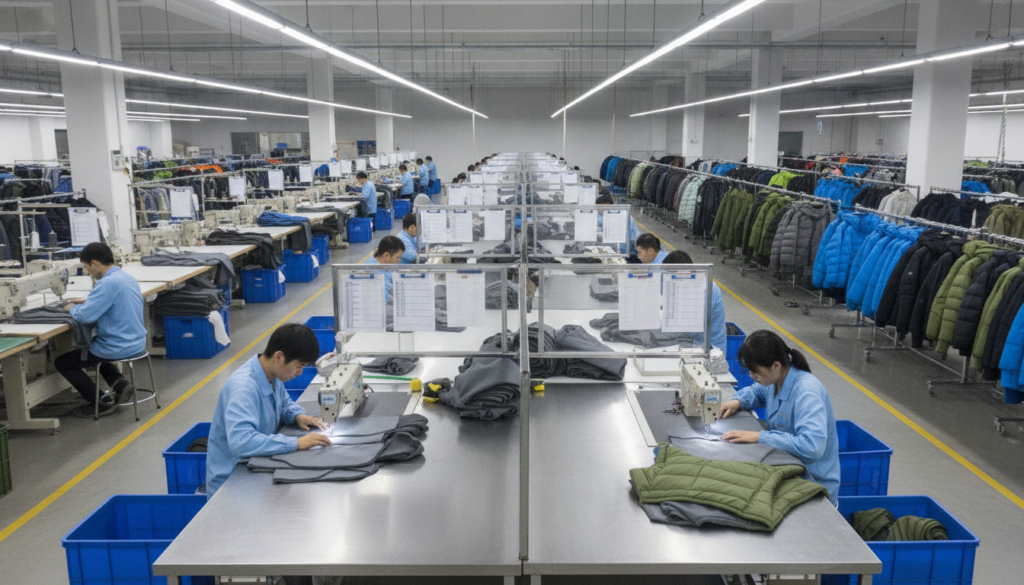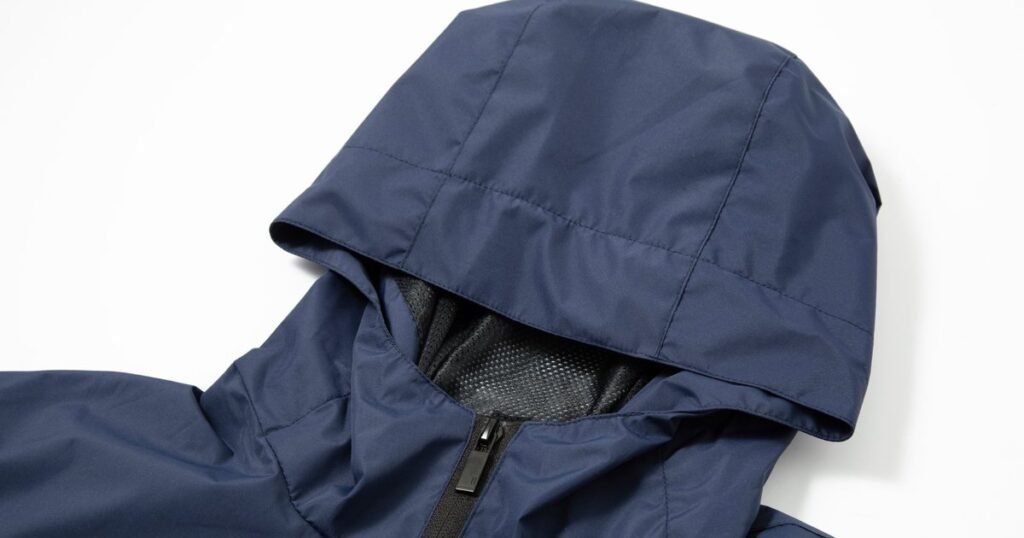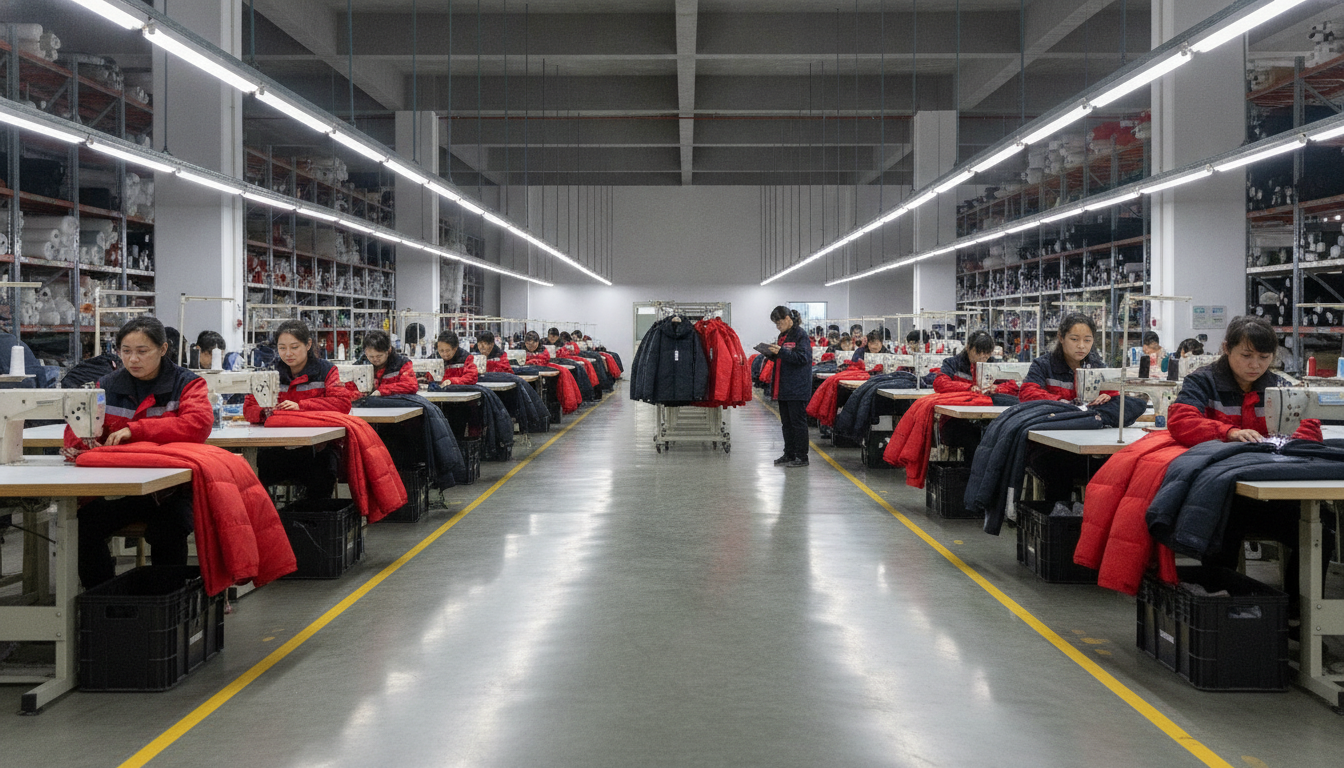
ODM ski jacket factory direct wholesale means sourcing pre-designed ski jackets from a manufacturer who owns the design and production, then adding your brand logo and packaging. Sample MOQ starts at 1 piece for testing; bulk production requires 30 pieces per SKU. Lead time is 7-10 days for samples and 25-35 days for bulk orders.
📋 Table of Contents
- Executive Summary
- What ODM Means for Ski Jacket Sourcing
- ODM vs OEM: Which Model Fits Your Order
- MOQ and Lead Time: What Factory-Direct Really Means
- Technical Specs You Must Verify Before Ordering
- Customization Scope in ODM Ski Jackets
- Landed Cost Breakdown for US and EU Buyers
- Key Takeaways
- Frequently Asked Questions
Executive Summary
- ODM ski jacket factory direct wholesale: Buyers source pre-designed ski jackets from a manufacturer who owns the design, then add their own branding and packaging, with bulk orders starting at 30 pieces per SKU.
- Sample MOQ: Testing begins with 1-piece samples, with a refundable sample fee, allowing brands to validate fit and fabric before committing to bulk inventory.
- Lead times: Sampling takes 7-10 days, bulk production runs 25-35 days, and rush production of 1,000 pieces is possible in 2 weeks at a 25% surcharge.
- Customization limits: ODM allows logo placement, hang tag design, polybag branding, and colorway selection from factory-approved fabrics, but does not permit pattern or fit changes.
- Quality drift: Buyers report that waterproofing, stitching quality, and insulation thickness can differ between approved samples and bulk shipments, making pre-shipment inspection critical.
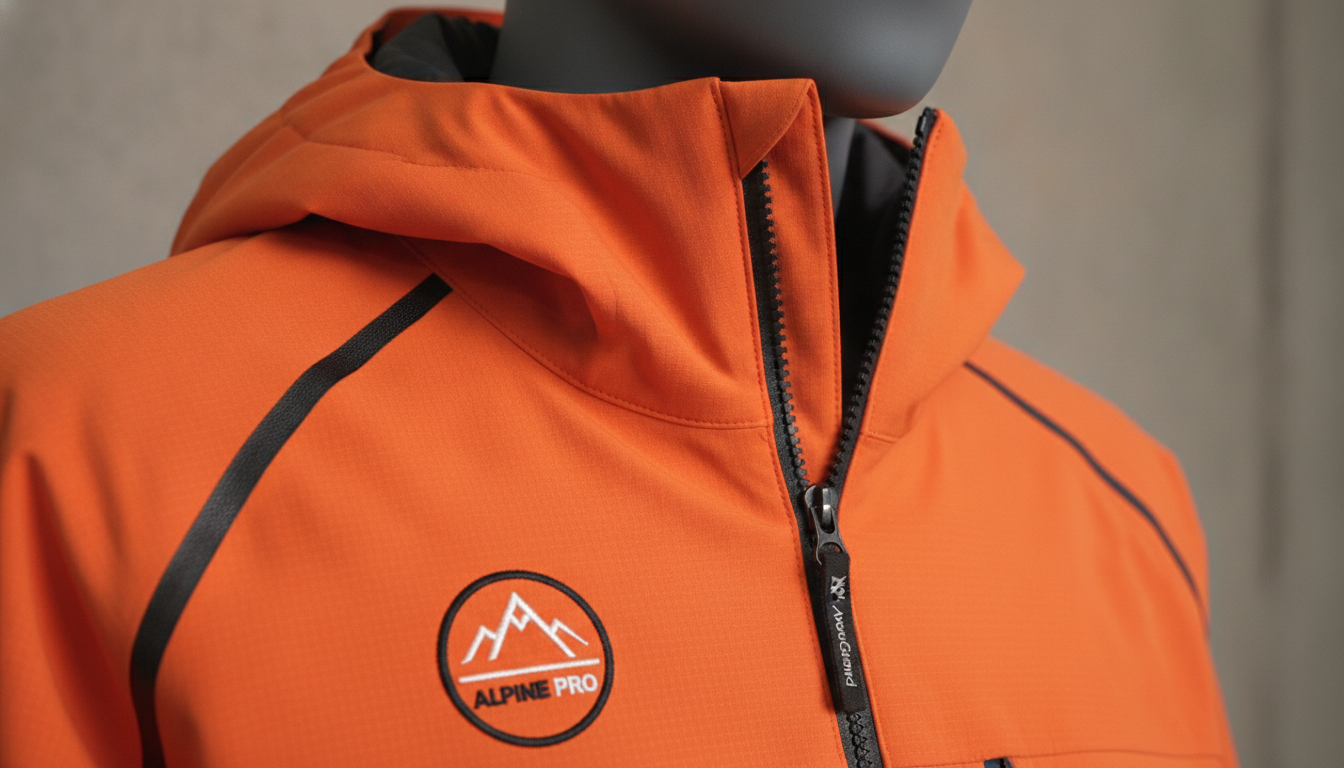
What ODM Means for Ski Jacket Sourcing
ODM stands for Original Design Manufacturer. The factory designs the ski jacket, develops the pattern, selects the fabrics, and owns the technical specifications. You buy the finished design and apply your brand logo, hang tags, and packaging. The factory retains the pattern and may sell the same base design to other buyers.
Why Buyers Choose ODM Over Full Custom OEM
ODM reduces upfront development cost and time. Full custom OEM jacket manufacturing requires pattern grading, tech pack creation, and multiple prototype rounds. ODM skips those steps because the design already exists. Bulk MOQ is lower because the factory amortizes development cost across multiple buyers. Sampling is faster because no new pattern needs to be drafted.
Trade-Offs You Accept with ODM
You cannot change the fit, adjust pocket placement, or modify seam construction. The factory controls the fabric menu. If a competitor sources the same base design, your differentiation comes from branding, not the jacket itself. For team uniform buyers or school programs where a proven fit matters more than exclusivity, ODM works well. For DTC outdoor brands building a signature look, full custom OEM offers more control.
ODM vs OEM: Which Model Fits Your Order
The decision hinges on three factors: order size, timeline urgency, and how much design control you need. ODM suits smaller first orders and faster launches. OEM suits brands with established sales data and the budget to develop proprietary designs.
Order Size and MOQ
ODM ski jacket factory direct wholesale typically starts at 30 pieces per SKU. Full custom OEM often requires 100 pieces per design because the factory must recover pattern development and grading costs. If you are testing a new market or launching a small brand, 30 pieces per SKU ties up less cash and reduces the risk of unsold inventory.
Timeline Pressure
Sampling for ODM takes 7-10 days. Bulk production runs 25-35 days. Full custom OEM adds 15-25 days for pattern development and prototype iterations. If you need inventory for a winter season and are placing the order in late summer, ODM gives you a better chance of hitting the delivery window.
Design Control and Brand Differentiation
ODM allows logo embroidery, woven labels, custom hang tags, and polybag branding. You can select from the factory’s approved colorways and fabric options. You cannot change the hood shape, adjust the hem length, or move the chest pocket. If your brand positioning depends on a unique silhouette or proprietary fabric blend, OEM is the better path.
MOQ and Lead Time: What Factory-Direct Really Means
Factory-direct means you buy from the production facility, not a trading company or middleman. The advantage is lower unit cost and direct communication with the team that cuts and sews the jackets. The trade-off is that you handle logistics, quality control, and compliance documentation yourself.
Sample MOQ: 1 piece. Bulk MOQ: 30 pieces per SKU. Sampling time: 7-10 days. Bulk production: 25-35 days.
Sample MOQ and Refundable Fees
Testing starts with 1-piece samples. The sample fee is typically $100 and is refundable against your first bulk order. This lets you validate fit, fabric hand feel, and waterproofing performance before committing to 30 pieces per SKU. Small brands report that high sample costs at other factories make it difficult to test multiple designs without burning through their budget.
Bulk MOQ: 30 Pieces Per SKU
Bulk production requires 30 pieces per SKU. If you order three colorways of the same jacket, you need 30 pieces per color. This is lower than many competitors who require 100 pieces per design. For DTC brands testing a new product line or corporate buyers outfitting a small team, 30 pieces per SKU reduces inventory risk.
Rush Production Option
Standard bulk production takes 25-35 days. If you need 1,000 pieces in 2 weeks, rush production is available at a 25% surcharge. This option suits buyers who missed a seasonal window or need to restock a fast-selling SKU mid-season.
Technical Specs You Must Verify Before Ordering
Buyers report that factory listings often show impressive specs, but the actual jackets arrive with weaker waterproofing or thinner insulation than the product photos suggest. Verifying technical specs before placing the bulk order prevents costly returns and unhappy customers.
Waterproof Rating and Test Method
Ask for the hydrostatic head rating and the test method used. A rating of 10,000 mm means the fabric can withstand a 10,000 mm column of water before leaking. Ski jackets for resort use typically need 10,000-15,000 mm. Backcountry and alpine jackets need 20,000 mm or higher. Request a copy of the lab report showing the test method and the result. If the factory cannot provide a report, the rating may be an estimate, not a tested figure.
Breathability: MVTR or RET
Breathability is measured as Moisture Vapor Transmission Rate (MVTR) in grams per square meter per 24 hours, or as Resistance to Evaporative Heat Transfer (RET) in square meters per watt. MVTR of 10,000 g/m²/24h or RET below 13 indicates good breathability for active skiing. Without breathability, sweat condenses inside the jacket, making the wearer cold and clammy.
Seam Taping and Construction
Waterproof fabric alone does not make a waterproof jacket. Seams must be taped or welded to block water entry. Ask whether seams are fully taped, critically taped, or stitched only. Fully taped means every seam is sealed. Critically taped means only high-exposure seams like shoulders and hood are sealed. Stitched-only seams will leak. Request a photo of the seam tape on the sample before approving bulk production.
Insulation Type and Fill Weight
Insulation can be synthetic (polyester) or down (duck or goose). Synthetic insulation is measured in grams per square meter. A 60-80 g/m² synthetic fill suits mild winter conditions. 100-120 g/m² suits cold resort skiing. Down insulation is measured by fill power, which indicates loft. 600-fill down provides moderate warmth. 800-fill down provides high warmth for the same weight. Ask for the fill weight in grams and the fill power rating.
Zipper Quality and Brand
Zipper failure is one of the most common complaints in ski jacket reviews. Ask whether the factory uses YKK, SBS, or an unbranded zipper. YKK is the most reliable. SBS is acceptable for mid-tier jackets. Unbranded zippers often fail within a season. Request a sample with the actual zipper that will be used in bulk production, not a placeholder.
Customization Scope in ODM Ski Jackets
ODM customization focuses on branding and color, not fit or construction. Understanding what you can and cannot change helps set realistic expectations and avoids costly misunderstandings during production.
Logo Placement and Methods
You can add your logo via embroidery, heat transfer, or woven label. Embroidery works for chest logos and sleeve branding. Heat transfer suits large back graphics. Woven labels go inside the collar or hem. The factory will provide a placement guide showing approved logo zones. Placement outside those zones may interfere with seams or pockets.
Hang Tags and Packaging
Custom hang tags, polybags, and inner labels are standard ODM customization. Provide your artwork in vector format (AI or EPS). The factory will produce a digital proof for approval before printing. Some buyers report that custom logos and trims look correct in samples but drift in bulk production, which is why a pre-shipment inspection should verify logo placement and color match against the approved sample.
Colorway Selection
You can select from the factory’s approved fabric colorways. Most ODM factories offer 8-12 standard colors per fabric type. If you need a custom color, the factory must dye a new batch, which increases MOQ and lead time. Custom color dyeing typically requires a minimum of 500 meters of fabric, which translates to roughly 200-300 jackets depending on the pattern.
What You Cannot Change
You cannot modify the pattern, adjust the fit, change pocket placement, or alter the hood shape. The factory owns the design and will not revise it for individual buyers. If the jacket runs large or small, you must either accept the fit or choose a different ODM design. This is the core trade-off of ODM: lower MOQ and faster delivery in exchange for less design control.
Landed Cost Breakdown for US and EU Buyers
Factory FOB price is only part of the total cost. Freight, duty, and compliance testing add 30-50% to the landed cost. Modeling the full cost before placing the order prevents budget surprises.
Freight Options and Lead Time
Sea freight adds 8-12% to the FOB cost and takes 30-40 days port-to-port. Air freight adds 25-35% and takes 7-10 days door-to-door. For seasonal inventory like ski jackets, sea freight works if you order in early fall for winter delivery. Air freight suits late orders or restocks.
US Import Duty and Compliance
Men’s synthetic shell jackets fall under HTS code 6201.93, which carries a 16.6% duty rate. Children’s jackets must meet CPSIA lead and phthalate limits. The factory should provide a CPSIA test report from an accredited lab. If the factory cannot provide the report, you must arrange testing yourself, which adds cost and time.
EU Import Duty and REACH
EU import duty for synthetic jackets is typically 12%, plus VAT of 19-25% depending on the destination country. REACH restricts certain chemicals in textiles. The factory should provide a REACH declaration or test report. Without it, your shipment may be held at customs.
DDP Shipping Option
Some factories offer DDP (Delivered Duty Paid) shipping, which means the factory handles freight, duty, and customs clearance. The buyer receives the goods at their warehouse with no additional fees. DDP simplifies logistics but increases the quoted unit price. Compare DDP quotes against FOB plus freight and duty to see which offers better value.
Key Takeaways
- ODM ski jacket factory direct wholesale allows buyers to source pre-designed ski jackets with their own branding, starting at 30 pieces per SKU and 1-piece sample MOQ.
- Sample lead time is 7-10 days, bulk production takes 25-35 days, and rush orders of 1,000 pieces can be completed in 2 weeks at a 25% surcharge.
- ODM customization covers logo placement, hang tags, polybags, and colorway selection, but does not permit pattern, fit, or construction changes.
- Waterproof rating, breathability, seam taping method, insulation fill weight, and zipper brand are technical specs that must be verified with lab reports before approving bulk production.
- Landed cost for US buyers includes FOB price plus 8-12% sea freight, 16.6% import duty, and CPSIA compliance testing for children’s jackets; EU buyers face 12% duty plus 19-25% VAT and REACH compliance.
- Buyers report that waterproofing, stitching quality, and insulation thickness can differ between approved samples and bulk shipments, making pre-shipment inspection a critical quality control step.
Frequently Asked Questions
What is the difference between OEM and ODM ski jackets?
OEM means the buyer provides the design, pattern, and specifications, and the factory manufactures to those specs. ODM means the factory owns the design and the buyer purchases the finished design with their own branding. OEM offers full design control but requires higher MOQ and longer lead time. ODM offers lower MOQ and faster delivery but limits customization to branding and color selection.
Can I order different sizes in a 30-piece MOQ order?
Yes, the 30-piece MOQ applies per SKU, which is defined by style and color. You can split the 30 pieces across multiple sizes within the same style and color. For example, you could order 5 pieces in size S, 10 in M, 10 in L, and 5 in XL, all in the same jacket design and color, and that counts as one SKU meeting the 30-piece minimum.
How do I verify a factory’s waterproof rating claim?
Request a copy of the lab test report showing the hydrostatic head rating and the test method used. The report should come from an accredited lab and should test the actual fabric used in your jacket, not a similar fabric. If the factory cannot provide a report, ask them to send a fabric swatch to an independent lab for testing before you approve the bulk order. Testing costs around $150-300 per fabric type and takes 5-7 days.
Ready to source ODM ski jackets with transparent specs, 30-piece MOQ, and 7-10 day sampling?
Request Your 1-Piece Sample →
Written by Ivan Chen, Sales Engineer at PTOUTWEAR – 13 years in outdoor apparel manufacturing.