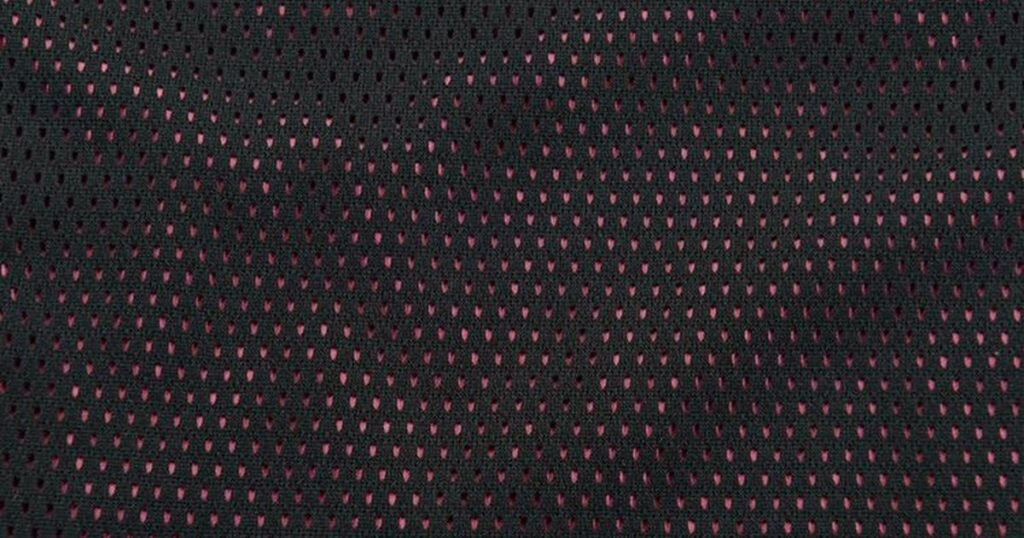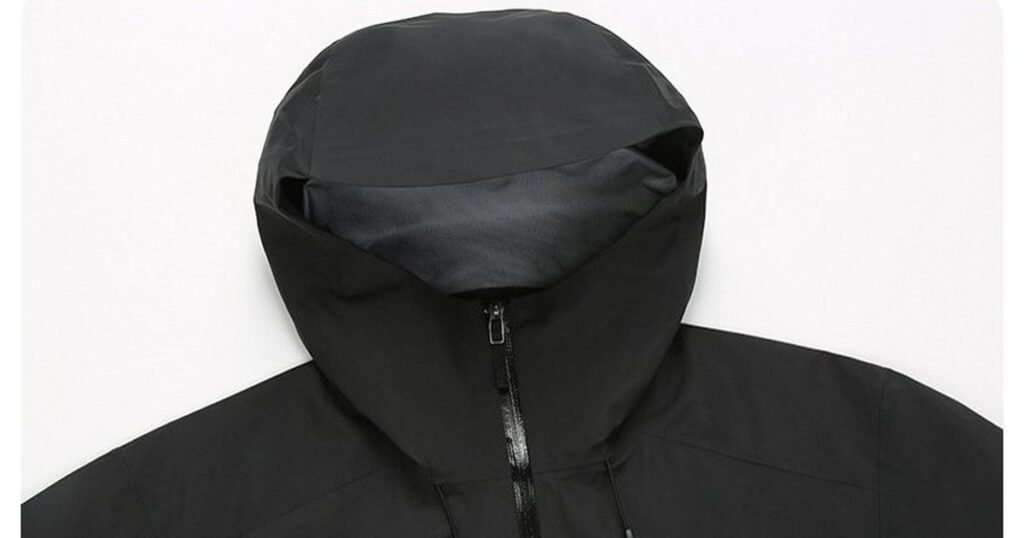
Open the zipper of a softshell jacket and run your fingers along the smooth inner face — there’s a good chance you’re touching tricot. It’s one of the most common knit backings in performance outerwear, yet it rarely gets explained. For B2B buyers, knowing what tricot is and what it does helps you spec better linings and bonded fabrics.
This guide covers what tricot is, how it’s made, whether it’s warm, and where it belongs in a jacket program.
Tricot in One Sentence
Tricot is a warp-knit fabric — knitted with vertical (lengthwise) loops — producing a smooth, run-resistant, stable fabric with a soft face and minimal sideways stretch.
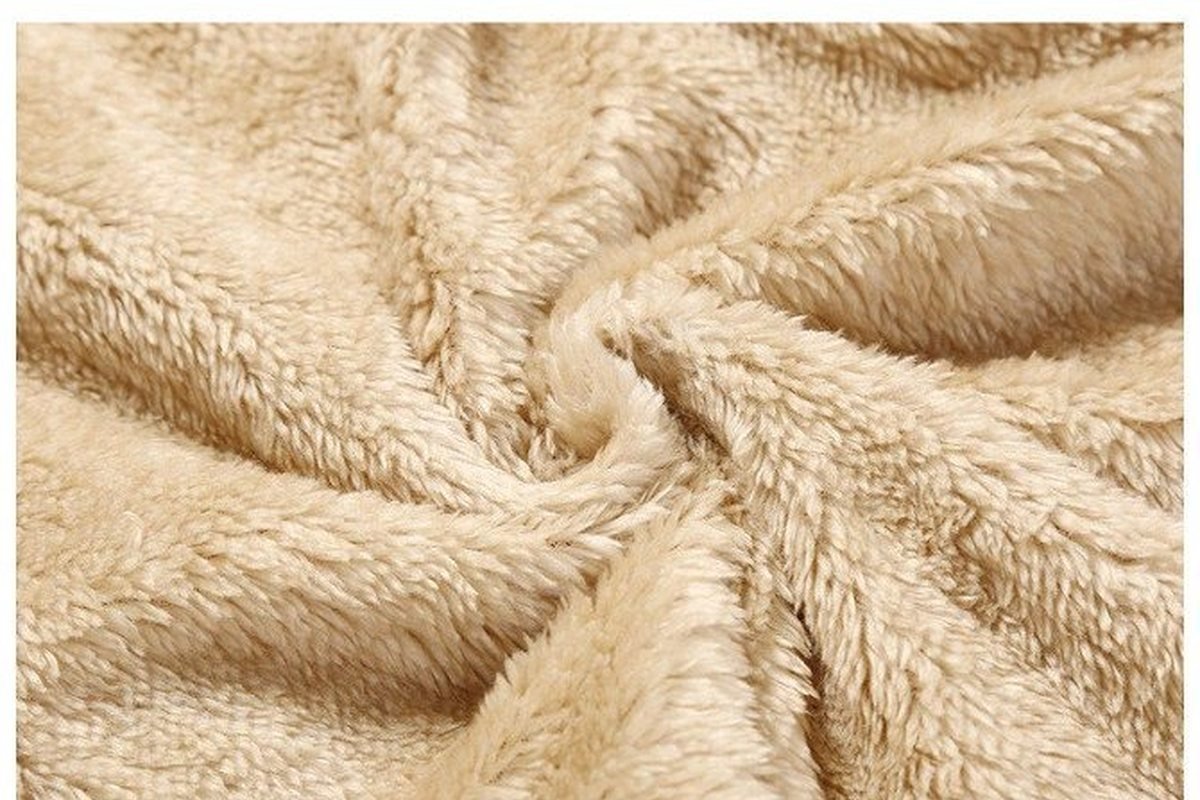
The name comes from the French tricoter, “to knit.”
Warp Knit vs. Weft Knit (Why Tricot Is Different)
Most everyday knits (like a T-shirt jersey) are weft knits — one yarn loops side to side, row by row. Pull a thread and they “run” or ladder easily.
Tricot is a warp knit — many parallel yarns loop vertically down the fabric at once. This gives tricot three signature traits:
- Run-resistant — it doesn’t ladder the way jersey does.
- Dimensionally stable — limited stretch widthwise, so it holds its shape.
- Smooth, low-friction face — slips on easily, ideal as a lining.
| Tricot (warp knit) | Jersey (weft knit) | |
|---|---|---|
| Loop direction | Vertical | Horizontal |
| Runs/ladders? | Resistant | Easily |
| Stretch | Mostly lengthwise, controlled | Stretchy all directions |
| Typical use | Linings, bonded backings | T-shirts, base layers |
Is Tricot Fabric Warm?
On its own, tricot is not particularly warm — a thin tricot lining is about smoothness and structure, not insulation. Its warmth depends entirely on construction:
- Thin flat tricot (lining weight) → minimal warmth; it’s there for hand-feel and easy layering.
- Brushed tricot (one face napped/raised) → noticeably warmer, traps a thin air layer against the skin, common in fleece-backed softshells.
- Bonded tricot (tricot laminated to a membrane or fleece) → warmth comes from the layer it’s bonded to, not the tricot itself.
So the honest answer to “is tricot warm?” is: it depends on whether it’s flat, brushed, or bonded. For genuine insulation you still rely on a separate layer — see our comparison of fleece vs. down mid-layers.
Where Tricot Is Used in Outerwear
| Application | Role of tricot |
|---|---|
| Jacket linings | Smooth slip-on face, hides seams |
| Softshell backing | Brushed tricot bonded to a wind-resistant face |
| Bonded 2-layer / 3-layer shells | Inner scrim protecting a membrane |
| Pocket bags & facings | Lightweight, run-resistant |
| Activewear & shapewear | Stable, smooth stretch panels |
In a typical bonded softshell, the construction is: durable face fabric → wind/water membrane → brushed tricot inner face for comfort and a touch of warmth.
Tricot Fiber Content
Tricot describes the knit structure, not the fiber — so it can be made from:
- Polyester — most common, durable, cost-effective, fast-drying.
- Polyamide (nylon) — softer, stronger, premium hand. (See what is polyamide fabric.)
- Polyester/elastane — when controlled stretch is needed.
For outerwear linings, a brushed polyester tricot hits the best balance of cost, durability, and comfort.
Specifying Tricot as a B2B Buyer
When you brief a lining or bonded fabric, define:
- Weight (gsm) — lining-weight vs. heavier brushed tricot.
- Finish — flat vs. brushed (and how heavily brushed).
- Bonding — standalone lining or bonded to a membrane/fleece?
- Fiber — polyester (default) or polyamide (premium).
- Stretch — add elastane only if the garment needs it.
Spec Your Linings With Confidence
Tricot is the quiet workhorse behind comfortable, well-finished outerwear. At PTOUTWEAR we use brushed and bonded tricot across our softshell jackets and insulated jackets, matching the right lining to each garment’s warmth and hand-feel target. If you’re developing a layered outerwear program, our OEM manufacturing team can build samples with different tricot backings so you can feel the difference.