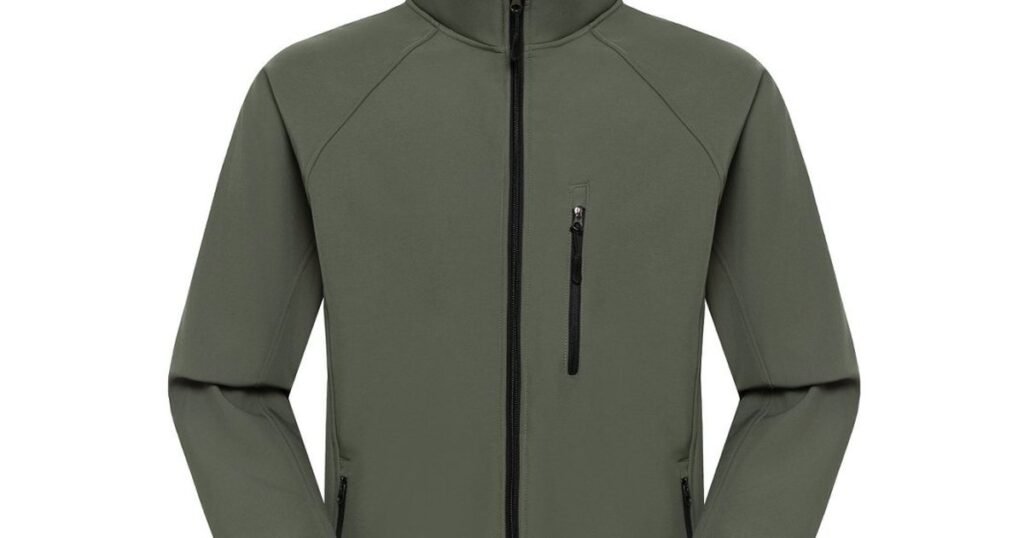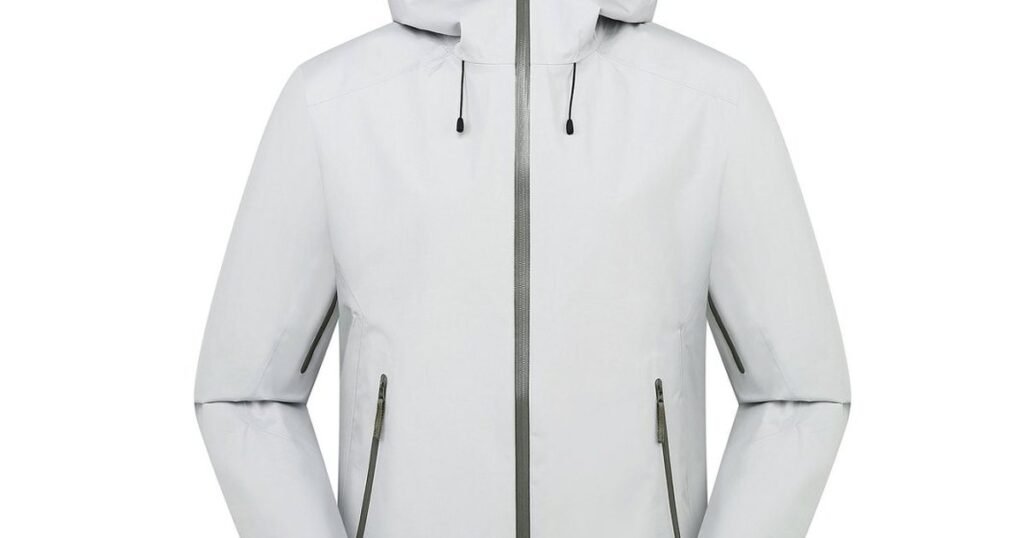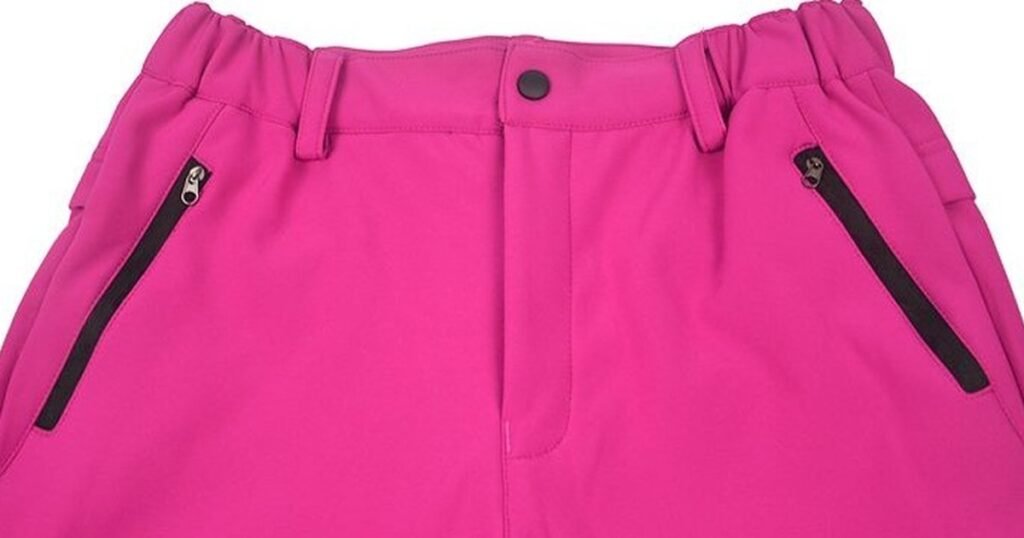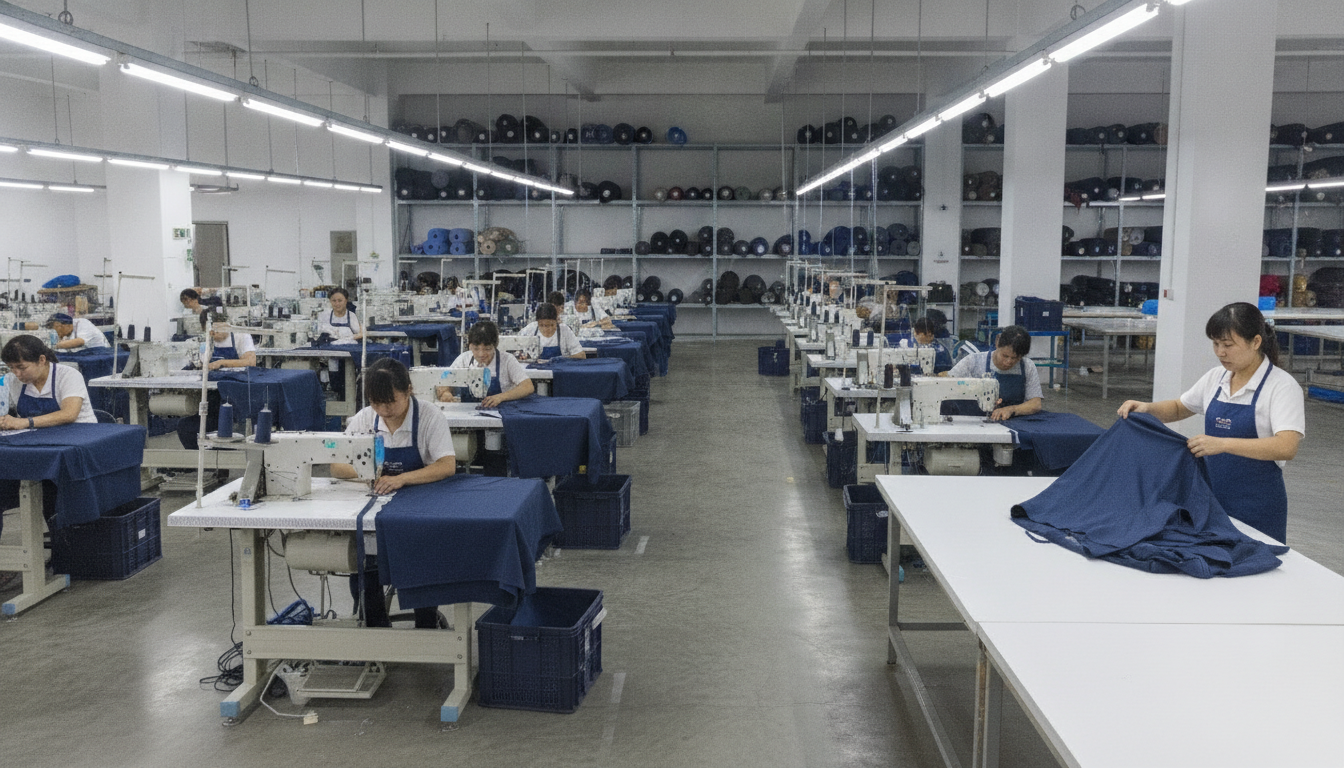
Rain jacket wholesale sourcing requires balancing waterproof performance, minimum order quantities, and sampling speed. Most factories set bulk minimums at 100-500 pieces per style, but low-MOQ jacket manufacturers like PTOUTWEAR offer 30 pieces per SKU with 1-piece sample validation at $100 (refundable against bulk). Sampling takes 7-10 days, bulk production 25-35 days, and seam-sealed construction with PFC-free DWR ensures jackets pass real-weather testing before your brand commits capital.
📋 Table of Contents
Key Takeaways
- Sample MOQ for rain jacket wholesale validation is 1 piece at most low-MOQ manufacturers, with bulk minimums typically 30-100 pieces per SKU depending on fabric complexity and decoration.
- Seam-sealed construction and PFC-free DWR coating are the two specifications that separate jackets passing field testing from those that leak after three washes.
- Sampling turnaround runs 7-10 days for cut-and-sew with in-house fabric stock, while bulk production spans 25-35 days from deposit to ex-factory.
- Buyers report that inconsistent sizing across production runs creates reorder risk for uniform programs, making pre-production sample approval and graded spec sheets essential.
- Logo decoration on waterproof shells requires heat-transfer or silicone-print methods because traditional embroidery punctures the membrane and creates leak points.
What Wholesale Buyers Need to Know Before Ordering
Wholesale rain jacket orders fail when buyers prioritize unit price over waterproof durability and reorder consistency. Jackets that pass a visual inspection often fail after the first rain or wash cycle, and sizing drift between runs makes uniform programs risky. Buyers need to validate three things before committing capital: fabric waterproof rating, seam-sealing method, and the factory’s ability to hold graded specs across reorders.
Waterproof Rating vs. Water Resistance
Waterproof jackets carry a hydrostatic head rating, typically 5,000mm minimum for light rain and 10,000mm+ for sustained downpours. Water-resistant shells use a DWR coating on woven polyester but lack a laminated membrane, so water eventually soaks through. Buyers ordering rain jacket wholesale for outdoor brands or school programs should specify a minimum 8,000mm hydrostatic head and request lab test reports before approving samples.
Seam Sealing
Seam tape is what prevents water from wicking through needle holes. Fully seam-sealed jackets tape every stitched seam with polyurethane or heat-activated tape, while critically seam-sealed shells tape only shoulders and hood. Buyers often discover seam failures only after bulk delivery, so pre-production samples should undergo a spray test or 30-minute rain simulation before bulk approval.
Fabric Hand and Noise Level
Buyers mention that stiff, noisy shells hurt adoption for corporate and team use because wearers avoid jackets that crinkle with every movement. Soft-hand fabrics use a mechanical stretch or a brushed tricot backer, adding 15-20% to fabric cost but improving daily wearability. Requesting a fabric swatch alongside the tech pack helps buyers assess hand-feel before sampling.
MOQ and Sampling Workflow
Minimum order quantities for rain jacket wholesale range from 30 pieces per SKU at vertically integrated factories to 500+ pieces at trading companies that outsource cut-and-sew. Sample fees, lead times, and refund policies vary widely, so buyers should clarify the full sampling workflow before requesting quotes.
Sample MOQ: 1 piece. Bulk MOQ: 30 pieces per SKU. Sampling time: 7-10 days.
Sample MOQ and Fees
Most factories charge $80-$150 per sample piece, refundable against bulk orders above the stated minimum. PTOUTWEAR’s 1-piece sample MOQ at $100 (refundable against 30-piece bulk orders) allows buyers to validate fit, fabric hand, and waterproofing before committing to inventory. Buyers should confirm whether the sample fee covers one colorway or multiple, and whether revisions trigger additional charges.
Bulk MOQ by Fabric Type
Standard 2.5-layer polyester shells with stock DWR carry lower minimums (30-50 pieces per SKU) because fabric is kept in inventory. Custom 3-layer Gore-Tex or proprietary membranes require fabric minimums of 500-1,000 meters, pushing bulk MOQ to 200+ pieces. Buyers launching a new outdoor brand should start with stock fabrics and proven colorways to minimize capital risk.
Sampling Workflow Steps
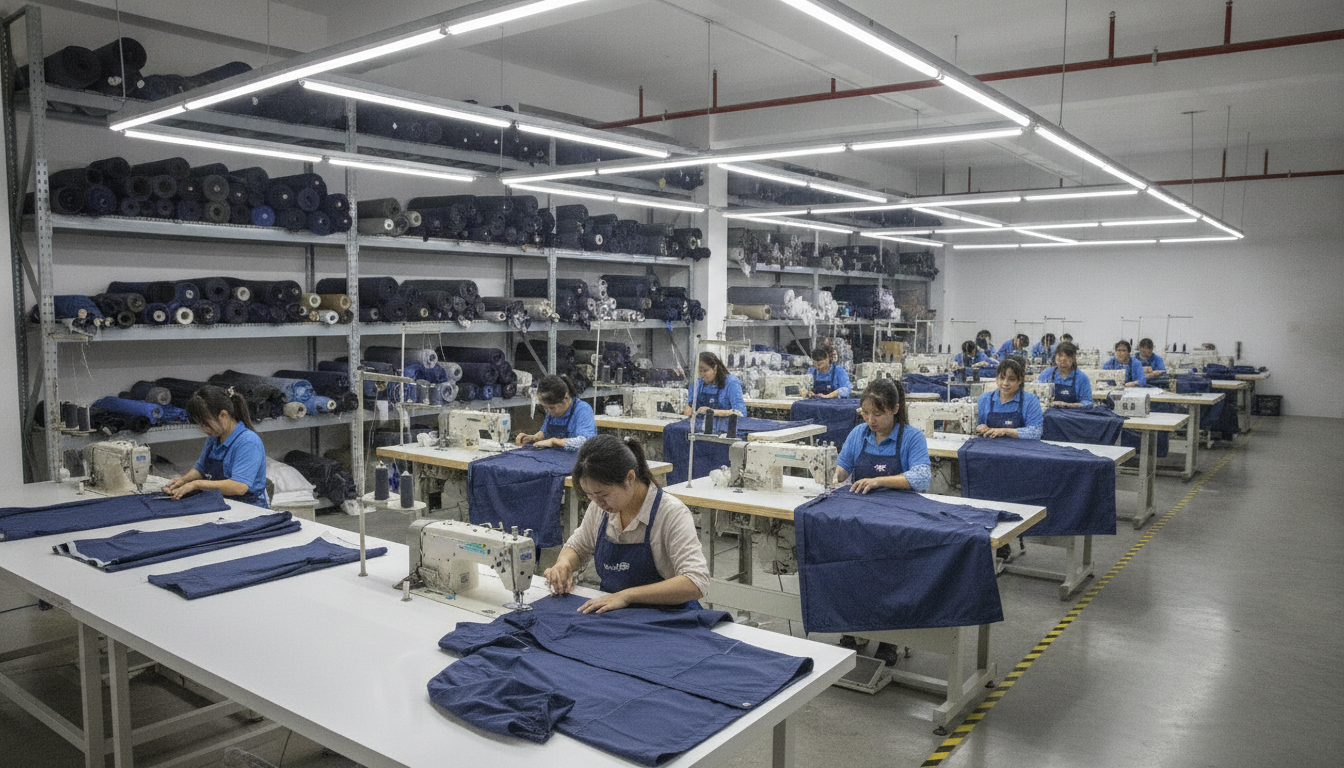
A structured sampling workflow reduces the risk of bulk orders that miss spec. Buyers should request a tech pack review, fabric swatch approval, and pre-production sample sign-off before issuing a purchase order. Sample development at PTOUTWEAR follows a five-step process: tech pack submission, fabric and trim confirmation, first sample production, revision if needed, and final sample approval with graded spec sheet.
In practice: Seam taping is what separates a jacket that survives a wash test from one that delaminates, which is why it gets checked on the sample before bulk is ever cut.
.
Waterproof Performance Specs That Matter
Buyers ordering rain jacket wholesale need to specify three waterproof metrics: hydrostatic head rating, breathability (MVTR), and DWR durability. These numbers determine whether a jacket keeps wearers dry in sustained rain or fails after three washes.
Hydrostatic Head Rating
Hydrostatic head measures how much water pressure a fabric can withstand before leaking, expressed in millimeters. A 5,000mm rating handles light drizzle, 10,000mm manages moderate rain, and 20,000mm+ is required for alpine conditions. Buyers should request lab test reports showing the fabric’s hydrostatic head rating before approving bulk production, because supplier claims often exceed actual test results.
Moisture Vapor Transmission Rate (MVTR)
MVTR measures how much perspiration vapor escapes through the fabric, preventing interior condensation. A rating of 5,000 g/m²/24h is acceptable for low-activity use, while 10,000+ g/m²/24h is needed for hiking or cycling. Buyers launching outdoor brands should balance waterproofness and breathability based on the intended activity level, because higher waterproof ratings often reduce MVTR.
PFC-Free DWR Coating
DWR (durable water repellent) coating makes water bead and roll off the shell fabric, preventing saturation. Traditional DWR uses perfluorinated chemicals (PFCs), which face regulatory restrictions in the EU and California. PFC-free DWR alternatives use fluorine-free chemistry, meeting environmental compliance while maintaining 80-90% of the water-shedding performance of C8 DWR. PTOUTWEAR’s 3,000m² Taizhou Sanmen facility applies PFC-free DWR as standard, with SGS certification confirming zero PFOA/PFOS content.
Lead Times and Production Capacity
Lead times for rain jacket wholesale orders depend on fabric availability, decoration complexity, and factory production schedules. Buyers should plan 6-8 weeks from sample approval to delivery for standard orders, with rush production available at a premium.
Sampling Lead Time
Sampling takes 7-10 days when the factory holds fabric stock and can cut a single piece without waiting for a mill order. Custom fabrics or proprietary membranes add 3-4 weeks for fabric production before sampling begins. Buyers validating multiple styles should stagger sample requests to avoid bottlenecks in the factory’s sample room.
Bulk Production Lead Time
Bulk production runs 25-35 days from deposit to ex-factory for orders of 30-500 pieces. This timeline assumes fabric is in stock and no custom trims are required. Orders requiring custom zippers, reflective tape, or embroidered patches add 10-15 days for trim sourcing. Buyers should confirm fabric lead time separately, because some suppliers quote production time only and exclude fabric procurement.
Rush Production
Rush orders of 1,000 pieces can ship in 2 weeks at a 25% surcharge, provided fabric and trims are already in the facility. This option works for corporate events or school programs with fixed delivery dates, but buyers sacrifice the ability to make revisions once production starts. Confirming all specs and approving a pre-production sample before authorizing rush production prevents costly mistakes.
Common Quality Failures in Bulk Rain Jacket Orders
Buyers report five recurring quality failures in rain jacket wholesale orders: seam leakage, DWR wash-off, sizing inconsistency, stiff fabric hand, and logo decoration damage. Each failure stems from a specific production shortcut, and each can be prevented with pre-production testing.
Seam Leakage After Washing
Seam tape that passes a visual inspection can delaminate after the first wash if the adhesive is under-cured or if the tape is applied at the wrong temperature. Buyers should request a sample jacket that has been washed three times and then spray-tested to confirm seam integrity. Factories that skip this step often deliver bulk orders with seams that fail within weeks of customer use.
DWR Coating Degradation
DWR coatings lose effectiveness after 5-10 washes, but poor-quality DWR can fail after a single wash. Buyers should specify a minimum wash durability of 10 cycles and request before-and-after spray test videos. PFC-free DWR requires reactivation in a dryer after washing, so buyer education materials should explain this maintenance step to end customers.
Sizing Drift Between Production Runs
Sizing inconsistency is one of the most common complaints from uniform buyers, because reorders often arrive with sleeves 2cm shorter or chest measurements 3cm wider than the original run. This happens when factories change pattern cutters or adjust seam allowances without updating the graded spec sheet. Buyers should archive the approved pre-production sample and compare every reorder against it, rejecting shipments that drift beyond a 1cm tolerance.
Stiff, Noisy Shell Fabric
Wholesale rain jackets often use stiff, crinkly polyester because it is cheaper than soft-hand alternatives. Wearers avoid noisy jackets for daily use, which hurts adoption rates for corporate and school programs. Buyers should request a fabric swatch before sampling and specify a soft-hand finish or mechanical stretch if the jacket will be worn in office or classroom settings.
Logo Decoration Failures
Embroidery on waterproof shells creates needle holes that compromise the membrane, and some heat-transfer methods peel after washing. Buyers ordering custom logo rain jackets should specify silicone screen printing or heat-sealed TPU patches, both of which bond to the shell without puncturing the fabric. Testing logo durability on the pre-production sample prevents bulk orders with peeling or cracked decoration.
FAQ
What is the difference between waterproof and water-resistant rain jackets?
Waterproof jackets use a laminated membrane or coating with a hydrostatic head rating, typically 5,000mm or higher, that blocks water penetration even under sustained pressure. Water-resistant shells rely on a DWR coating applied to woven fabric, which makes water bead on the surface but eventually soaks through during prolonged exposure. Buyers ordering for outdoor use or school uniforms should specify waterproof construction with seam sealing, because water-resistant shells fail in real rain conditions.
Can you print or embroider a logo on a waterproof rain jacket without damaging performance?
Embroidery punctures the waterproof membrane and creates leak points, so it should be avoided on critical seam areas like shoulders and chest. Heat-transfer vinyl and silicone screen printing bond to the shell surface without penetrating the fabric, maintaining waterproof integrity. TPU heat-sealed patches offer a durable alternative for larger logos. Buyers should test logo adhesion and waterproofness on the pre-production sample by washing the jacket three times and then performing a spray test over the decorated area.
How do you prevent sizing inconsistency across rain jacket reorders?
Sizing drift happens when factories change pattern cutters or adjust seam allowances without updating the graded spec sheet. Buyers should archive the approved pre-production sample as the master reference and require the factory to measure and photograph every size in the reorder against the graded spec before shipping. A tolerance of plus-or-minus 1cm is standard for cut-and-sew apparel, but tighter tolerances can be negotiated for uniform programs where fit consistency is critical. Rejecting shipments that exceed tolerance sends a clear signal that spec adherence is non-negotiable.
Ready to source rain jackets with verified waterproof specs and 30-piece minimums?
Request 1-piece samples →
Written by Ivan Chen, Sales Engineer at PTOUTWEAR – 13 years in outdoor apparel manufacturing.