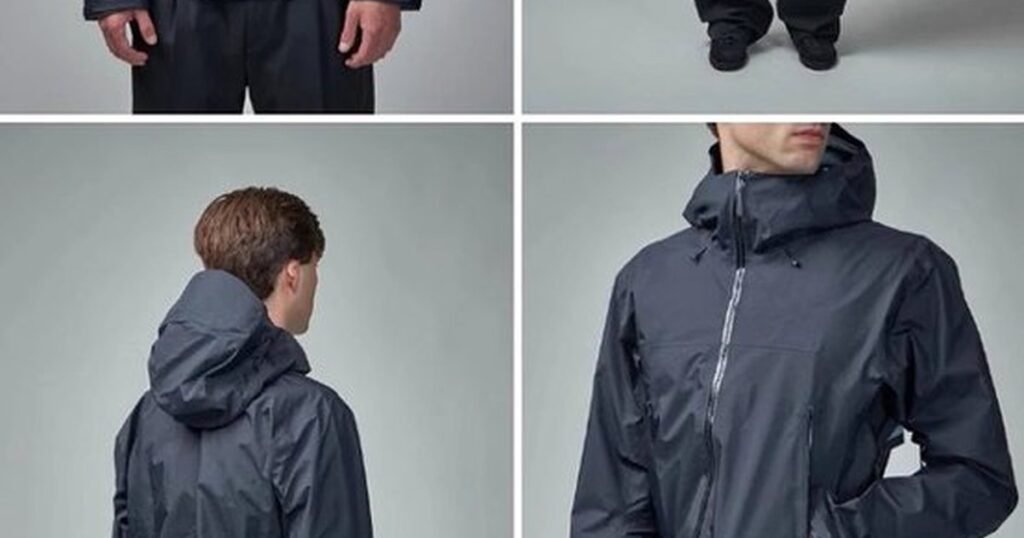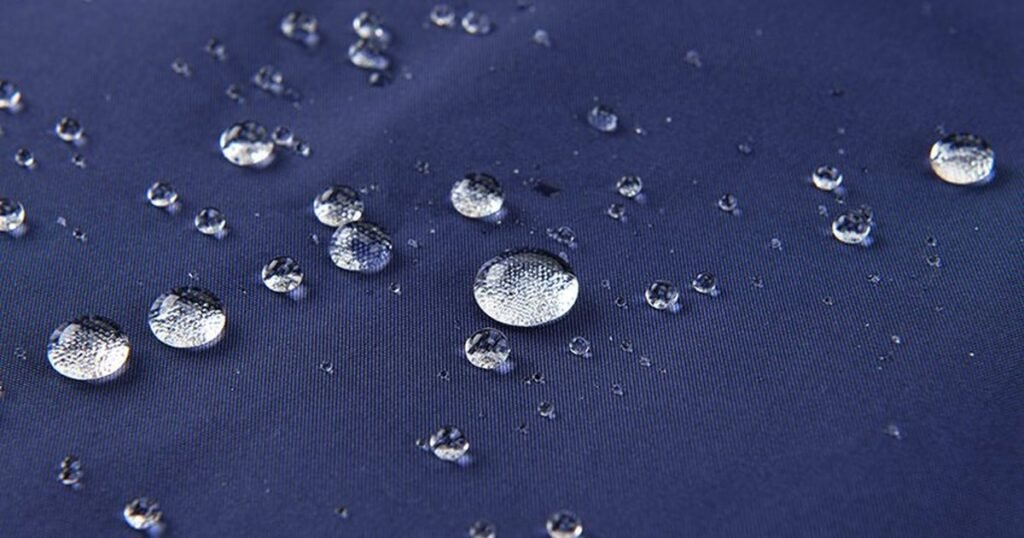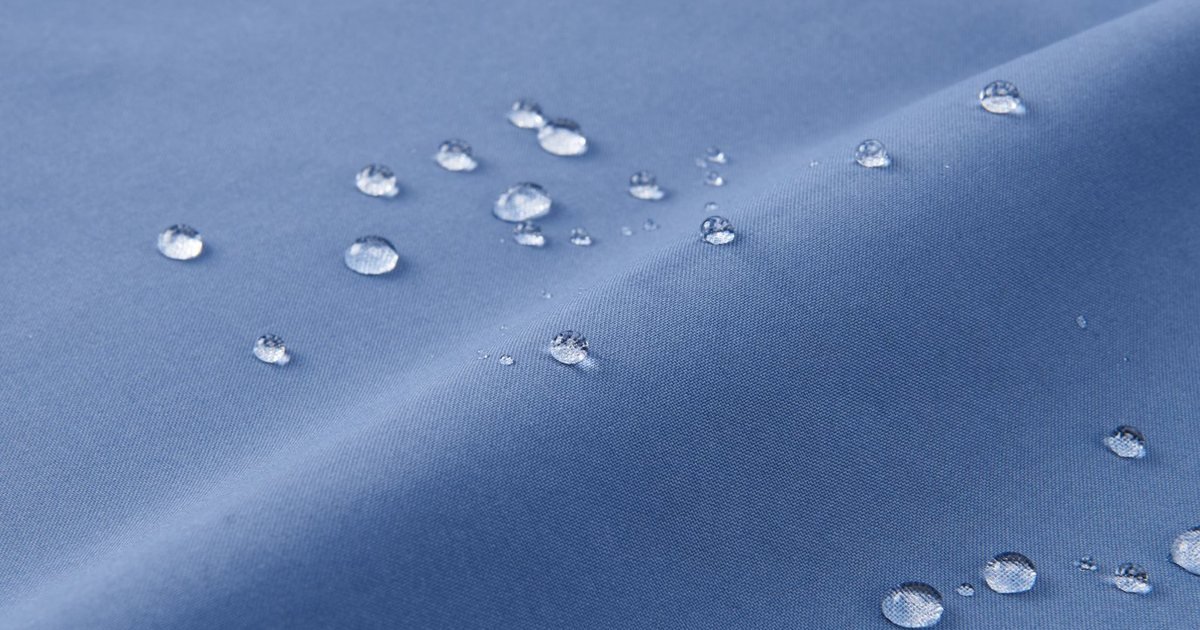
When a jacket is marketed as “10,000mm waterproof” or “20K waterproof,” that number refers to a specific lab test. Most buyers don’t know what it measures, what’s adequate, or how to read the result. This is the missing context for anyone spec’ing waterproof apparel.
What ISO 811 Actually Tests
ISO 811 is the international standard for testing how much water pressure a fabric can withstand before water leaks through.
The test setup:
1. A small circular sample of fabric is clamped over a chamber
2. Water is added to a column above the fabric
3. Water pressure is gradually increased (the column gets taller)
4. The test measures the height of the water column at the moment water penetrates through the fabric
The reading is in millimeters of water column pressure — hence “10,000mm” or “20,000mm.”
How to Read the Number
| Rating (mm) | Equivalent Resistance | Recommended Use |
|---|---|---|
| 0-1,000mm | Light rain only, breeze-driven mist | Water-resistant only, not “waterproof” |
| 1,000-5,000mm | Light rain, light snow | Casual rain jackets, urban use |
| 5,000-10,000mm | Moderate rain, average pressure (wearing a backpack) | Hiking shells, daily outdoor use |
| 10,000-15,000mm | Heavy rain, snow load, backpack straps | Performance outdoor jackets |
| 15,000-20,000mm | Heavy rain over hours, ski helmet pressure | Premium hardshells, ski jackets |
| 20,000mm+ | Extreme conditions, alpine, ocean exposure | Expedition / professional gear |
Why “Waterproof” Is Not Binary
Many people assume “waterproof” is yes/no. It isn’t. Water pressure is created by:
– Rainfall intensity — heavy rain creates higher impact pressure than mist
– Mechanical pressure — kneeling on wet ground, sitting, backpack straps
– Wind-driven rain — pushed against fabric increases effective pressure
– Duration — water exposure over hours stresses fabric more than minutes
A jacket rated 3,000mm will keep you dry in a 10-minute drizzle. It will fail when you kneel on a wet rock for 5 minutes because the kneeling pressure exceeds 3,000mm.
This is why product use cases determine your spec, not marketing claims.
Common Industry Benchmarks
- REI’s “fully waterproof” threshold: 10,000mm minimum
- GORE-TEX standard: 28,000mm+
- GORE-TEX Pro: 40,000mm+
- Patagonia H2No 3L: 20,000mm
- Columbia Omni-Tech: 10,000mm
- Generic Chinese PU membrane (3L): 10,000-15,000mm
- Generic Chinese TPU membrane (3L): 15,000-20,000mm
The Membrane vs Face Fabric Distinction
Waterproof ratings measure the laminate or coating, not the entire jacket. Two jackets with the same 10,000mm rating can perform differently if:
– One has a fresh DWR finish and the other doesn’t (wet face fabric blocks breathability)
– One has fully-taped seams and the other only critically-taped (untaped seams leak regardless of fabric rating)
– One uses a hydrophilic membrane and the other hydrophobic (different breathability characteristics)
Always ask manufacturers for:
1. ISO 811 hydrostatic head rating (waterproof)
2. Seam taping approach (full vs critical)
3. DWR finish type and durability
4. ASTM E96 breathability rating
5. Whether the test was on fresh fabric or post-laundry cycles
ISO 811 vs JIS L1092 vs AATCC 127
International labs sometimes use different standards. They all measure essentially the same thing:
| Standard | Region | Method | Reading |
|---|---|---|---|
| ISO 811 | Global | Increasing water pressure | Pressure at first water penetration |
| JIS L1092 | Japan | Same as ISO 811 | Same |
| AATCC 127 | USA | Same as ISO 811 | Same |
Numbers from any of these are directly comparable. The test method is standardized globally.
Common Pitfalls in Sourcing
1. “Waterproof Tested” Without Specifying the Rating
A supplier saying “our fabric is waterproof” means almost nothing. Always demand the specific mm rating with the test certificate.
2. Aging Performance Degradation
Waterproof membranes can degrade over wash cycles. Premium specs include:
– “10,000mm before washing” — entry level
– “10,000mm after 25 wash cycles” — quality benchmark
– “10,000mm after 50 wash cycles” — premium
3. Confusion Between Membrane Rating and “Jacket Waterproofness”
If a jacket has 15,000mm membrane but only critically-taped seams, water enters through stitching holes regardless. The seam-taping spec matters as much as the membrane.
4. Confusing Waterproof with Water-Resistant
- Water-resistant (DWR-only): 0-1,000mm hydrostatic. Light rain, brief exposure.
- Waterproof (laminated/coated): 5,000mm+ hydrostatic. Real rain protection.
These terms are often used loosely. Spec the test number, not the adjective.
How Much Waterproofing Do You Actually Need?
| Use Case | Recommended Spec |
|---|---|
| Light spring rain jacket, urban | 5,000-8,000mm + DWR |
| Hiking in temperate climates | 10,000mm + fully-taped seams |
| Ski / snowboard | 15,000-20,000mm + DWR + fully-taped |
| Alpine / mountaineering | 20,000mm+ + fully-taped + reinforced shoulders |
| Workwear in wet environments | 10,000mm Oxford or coated |
Bottom Line for Brand Owners
When sourcing waterproof outerwear:
1. Specify a clear mm rating (not “waterproof”)
2. Demand the ISO 811 (or equivalent) test certificate
3. Verify seam-taping spec separately
4. Ask about post-wash durability
5. Match the spec to the actual customer use case — don’t over-spec for casual use, don’t under-spec for technical use
Sourcing waterproof outerwear with verified test data?
ptoutwear provides ISO 811 test certificates for all hardshell and rain jacket production. We work with fabrics from 5,000mm entry-level to 20,000mm+ premium 3L laminates, with full traceability and lab documentation.
Discuss waterproof specs with us →
Hardshell jacket capabilities →
Quality control process →