📋 Table of Contents
- Executive Summary
- China vs Vietnam Jacket Manufacturing Cost 2026: FOB Price Breakdown
- Landed Cost Comparison: US, UK, EU Buyers
- Tariff Impact by Destination Country
- MOQ, Lead Time, and Production Complexity
- When China Wins, When Vietnam Wins
- Compliance and Testing Costs for Technical Outerwear
- Key Takeaways
- FAQ
For outdoor apparel brands, corporate uniform buyers, and small wholesalers, the China vs Vietnam jacket manufacturing cost 2026 decision boils down to more than wage comparisons. FOB price is only one line item; landed cost includes freight, duty, inspection, and the hidden expense of delays or quality failures.
Executive Summary
- Labor cost differential: Vietnamese factory wages average $300, $500 per month versus $650, $1,100 in coastal China, according to Woosourcing (2026).
- Effective unit labor cost: After accounting for productivity, Vietnam’s unit labor cost is only 15-30% lower than China, according to ChinaIsPP (2026).
- Total landed cost for mid-complexity products: China often delivers 5-15% lower total landed cost than Vietnam once supply-chain density, tooling, and logistics are factored in, according to ChinaIsPP (2026).
- Apparel and footwear cost savings in Vietnam: Vietnam typically offers 15-25% overall cost savings for these categories, according to Woosourcing (2026).
- UK clothing duty: 12% for China-origin jackets, 0% for Vietnam under UKVFTA, according to Epic Sourcing (2026).
- Padded jacket FOB range in Vietnam: £12.00, £35.00 per unit for 200-500 pieces, with 50-75 day lead times, according to Epic Sourcing (2026).
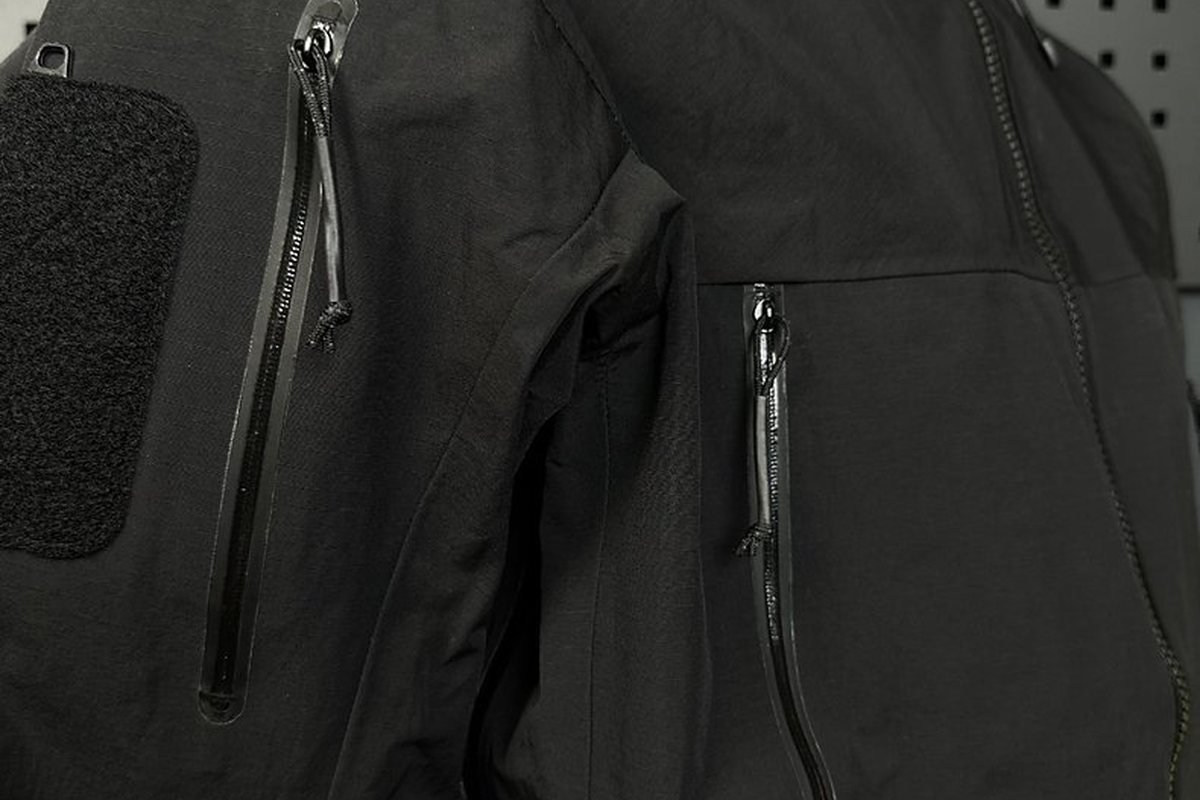
China vs Vietnam Jacket Manufacturing Cost 2026: FOB Price Breakdown
FOB price is the factory gate cost before freight, insurance, or duty. For outdoor jackets, FOB varies by construction type, fabric technology, and order volume. Labor represents 20-35% of FOB; fabric and trims account for 45-60%; overhead and margin fill the remainder.
Softshell and Fleece Jackets
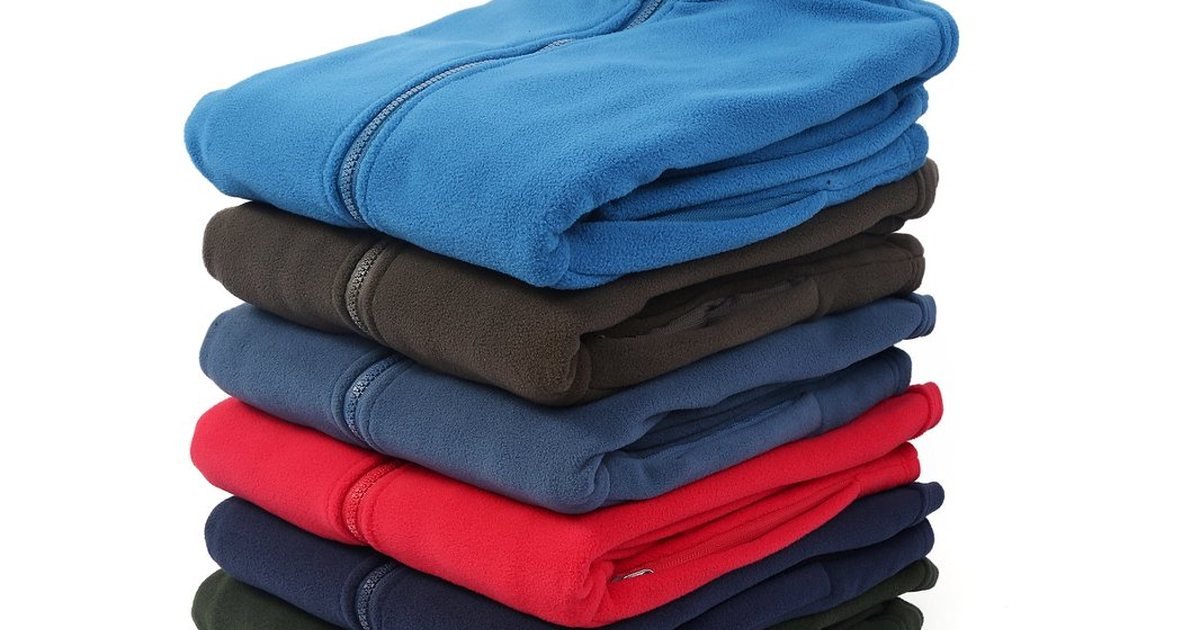
A 250 gsm recycled polyester fleece quarter-zip is quoted at $14.20, $18.90 per unit at 300 units in China, according to Alibaba Apparel Guide (2025). Vietnam factories quote similar styles at $12.00, $16.50 for the same volume. The gap narrows when buyers request performance features like anti-pill finish, moisture-wicking treatment, or articulated sleeves; China’s fabric mills and trim suppliers sit within 50 km of most apparel clusters, cutting lead time and sampling cost.
Insulated and Padded Jackets
Padded jackets and insulated outerwear in Vietnam are quoted at £12.00, £35.00 per unit for 200-500 pieces, with 50-75 day lead times, according to Epic Sourcing (2026). China quotes for the same specification range from $16.00, $38.00, depending on fill power, shell fabric, and whether the factory stocks certified down or synthetic insulation. Vietnam’s advantage appears on paper, but buyers often discover that the quoted price excludes pre-production sample fees, fabric testing, and re-work charges that surface during bulk production.
Hardshell and Waterproof Jackets
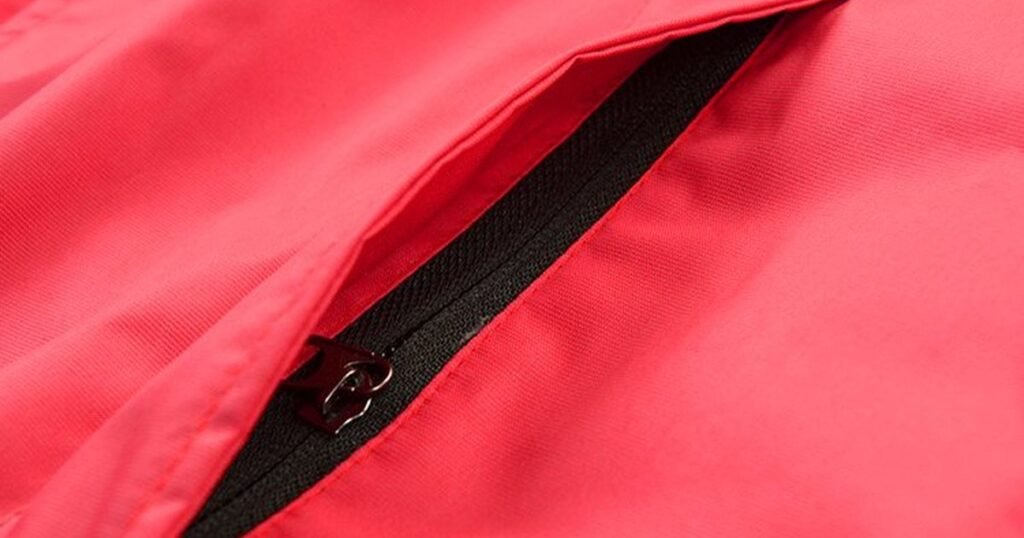
Waterproof hardshell jackets require lamination, taped seams, and waterproof zippers. China maintains a cost edge here because lamination equipment, seam-sealing machines, and technical trim suppliers cluster in Guangdong and Zhejiang. Vietnam’s apparel sector has grown rapidly, but lamination capacity remains concentrated in a handful of Tier 1 factories. When a buyer requests a 3-layer Gore-Tex-style construction with fully taped seams, China quotes $28.00, $52.00 per unit at 500 pieces; Vietnam quotes $26.00, $54.00 for the same spec, but lead time stretches 10-15 days longer because fabric must be imported from China or Taiwan, then laminated locally or sent back for lamination.
Landed Cost Comparison: US, UK, EU Buyers
Landed cost is FOB plus freight, insurance, duty, customs brokerage, and inland transport to the buyer’s warehouse or fulfillment center. Manufacturing quotes can look cheap at first, but the final cost rises once freight, inspection, duties, and delays are added, so the cheapest country is not always the lowest landed cost.
Freight Rates: China vs Vietnam
Ocean freight from China’s Ningbo or Shanghai to Los Angeles runs $1,200, $2,800 per 40-foot container, depending on season and carrier. Vietnam’s Haiphong or Ho Chi Minh City to Los Angeles costs $1,400, $3,200 for the same container size. Air freight from China to the US East Coast averages $4.50, $7.00 per kg; from Vietnam, $5.00, $7.80 per kg. The freight differential is small, but Vietnam’s longer transit time adds carrying cost for brands that finance inventory or pay storage fees.
US Landed Cost Example
A US outdoor brand orders 1,000 fleece jackets. China FOB is $16.50 per unit; Vietnam FOB is $14.00. Freight from China adds $1.20 per unit; from Vietnam, $1.50. US duty on fleece jackets (HTS 6110.30) is 16% for China and 16% for Vietnam (no Section 301 exposure for Vietnam). Customs brokerage and inland transport add $0.80 per unit in both cases. Total landed cost in the US: China $21.94, Vietnam $20.54. Vietnam saves $1.40 per unit, or 6.4%.
UK Landed Cost Example
UK clothing duty is 12% for China and 0% for Vietnam under UKVFTA for jackets, coats, and outerwear, according to Epic Sourcing (2026). A UK buyer orders 500 insulated jackets. China FOB is $28.00 per unit; Vietnam FOB is $26.00. Freight from China adds $2.00 per unit; from Vietnam, $2.30. UK duty on China-origin jackets is 12% of (FOB + freight) = $3.60; Vietnam duty is zero. Customs clearance and VAT deferment add $1.20 per unit in both cases. Total landed cost in the UK: China $34.80, Vietnam $29.50. Vietnam saves $5.30 per unit, or 15.2%.
Germany and France Landed Cost
EU duty on apparel from China is 12%; Vietnam benefits from the EU-Vietnam Free Trade Agreement (EVFTA), which phases tariffs to zero for qualifying garments. A German buyer orders 800 softshell jackets. China FOB is $22.00 per unit; Vietnam FOB is $20.00. Freight to Hamburg adds $1.80 per unit from China, $2.10 from Vietnam. EU duty on China-origin is 12% of (FOB + freight) = $2.86; Vietnam duty is zero under EVFTA. Customs and inland transport add $1.40 per unit in both cases. Total landed cost in Germany: China $28.06, Vietnam $23.50. Vietnam saves $4.56 per unit, or 16.3%.
Tariff Impact by Destination Country
Duty rates shape the China vs Vietnam jacket manufacturing cost 2026 equation more than any other single variable for UK and EU buyers. US buyers face similar MFN rates for both origins, so tariff advantage is minimal unless Section 301 lists expand.
United States
US apparel sourced from Vietnam faces standard MFN rates of 12-32% depending on category, with no Section 301 exposure, according to Agile Apparel Source (2026). China-origin apparel carries the same MFN rates but may trigger Section 301 tariffs if the product category is added to the list. As of 2026, most outdoor jackets remain outside Section 301 scope, so the effective duty rate is identical for China and Vietnam.
United Kingdom
UK clothing duty is 12% for China and 0% for Vietnam under UKVFTA for jackets, coats, and outerwear, according to Epic Sourcing (2026). This 12-percentage-point spread translates to a $3.00, $5.00 per-unit advantage for Vietnam on mid-range jackets, making Vietnam the clear winner for UK buyers who can meet UKVFTA origin rules.
European Union
EU duty on apparel from China is 12%; Vietnam benefits from EVFTA, which phases tariffs to zero for qualifying garments. Origin rules require that fabric be cut and sewn in Vietnam, or that the garment undergo sufficient transformation to qualify. Buyers who source fabric from China and cut-and-sew in Vietnam may fail to meet EVFTA origin criteria, reverting to the 12% MFN rate and erasing the tariff advantage.
Canada and Australia
Canada applies 16-18% MFN duty on most jackets from China; Vietnam enjoys 0% under the Comprehensive and Progressive Agreement for Trans-Pacific Partnership (CPTPP). Australia applies 5% duty on China-origin apparel and 0% on Vietnam under the ASEAN-Australia-New Zealand Free Trade Agreement (AANZFTA). For Canadian and Australian buyers, Vietnam delivers a 16-18 percentage-point and 5-point tariff advantage, respectively.
MOQ, Lead Time, and Production Complexity
For smaller apparel programs, lead times and MOQ can make Vietnam less practical than expected, especially when buyers need faster iteration and shorter runs. China’s deeper supply base supports lower MOQs and faster sampling for technical outerwear.
Minimum Order Quantity
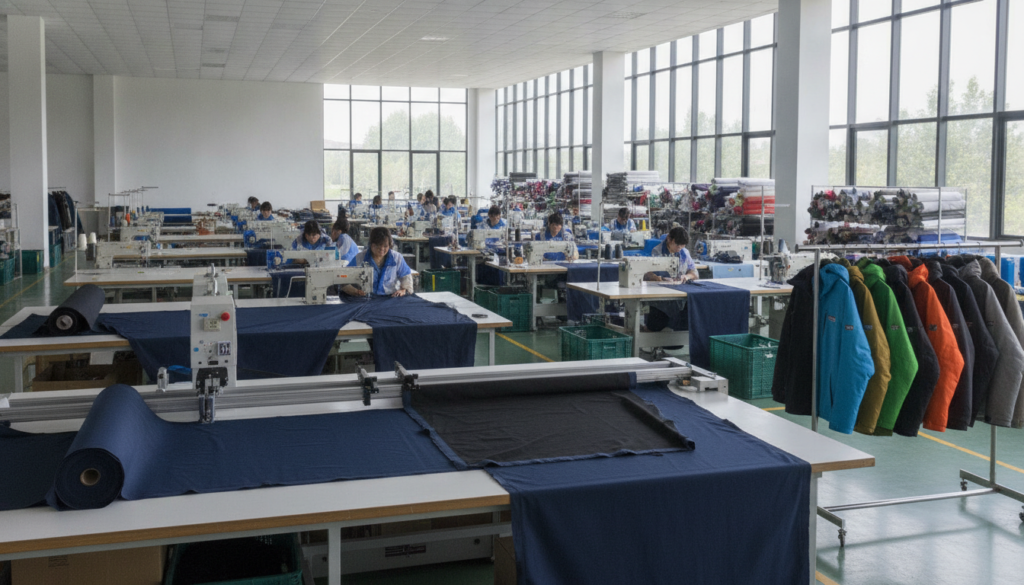
Vietnam factories typically quote 300-500 pieces per style for padded jackets and 500-1,000 pieces for hardshell or insulated styles. China factories quote 100-300 pieces for the same categories, and specialized low-MOQ jacket manufacturers accept 30 pieces per SKU for brands testing the market. Our 3,000 m² Taizhou Sanmen facility runs 20 production lines with in-house cut-and-sew and QC, allowing us to accommodate 30-piece bulk orders and 1-piece sampling without tying up a full production run.
Lead Time: Sampling and Bulk Production
China sampling for a softshell or fleece jacket takes 7-10 days when fabric is in stock; Vietnam sampling takes 12-18 days because fabric often ships from China or Taiwan. Bulk production in China runs 25-35 days after sample approval; Vietnam runs 35-50 days for the same order size. The 10-15 day gap compounds when buyers need multiple sample rounds or fabric adjustments.
Production Complexity: Lamination, Taped Seams, Performance Trims
Vietnam can be harder for complex products because lower wages do not always offset lower productivity, so buyers still see pricing that is only marginally better than China. Hardshell jackets with 3-layer lamination, fully taped seams, and waterproof zippers require specialized equipment and trained operators. China’s Guangdong and Zhejiang clusters house lamination mills, seam-sealing lines, and trim suppliers within a 50 km radius. Vietnam’s supply chain is growing, but most lamination capacity sits in a handful of Tier 1 factories, and waterproof zippers, cord locks, and technical webbing are imported from China or Japan, adding lead time and freight cost.
When China Wins, When Vietnam Wins
The China vs Vietnam jacket manufacturing cost 2026 decision depends on product complexity, order volume, destination market, and the buyer’s tolerance for lead time and iteration cycles.
China Wins When
- Product requires lamination, taped seams, or technical trims: China’s supply-chain density cuts lead time and re-work cost for hardshell, ski, and waterproof jackets.
- Order volume is below 300 pieces per style: China factories accept lower MOQs and offer faster sampling for brands testing new styles or colorways.
- Buyer needs multiple sample rounds: China’s 7-10 day sampling versus Vietnam’s 12-18 days saves 15-30 days across three sample iterations.
- Destination is the United States with no tariff differential: US MFN rates are identical for China and Vietnam, so China’s lower total cost (FOB + freight + shorter lead time) often wins.
- Buyer values fabric R&D and performance testing: China’s fabric mills offer in-house DWR application, moisture-wicking treatments, and anti-microbial finishes without outsourcing.
Vietnam Wins When
- Destination is the UK or EU with tariff-free access: Vietnam’s 12-percentage-point duty advantage in the UK and EU translates to $3.00, $5.00 per-unit savings on mid-range jackets.
- Product is simple fleece, softshell, or non-laminated windbreaker: Vietnam’s labor-cost advantage shows up most clearly on simpler constructions that do not require specialized equipment.
- Order volume exceeds 500 pieces per style: Vietnam factories optimize cost at higher volumes, and the buyer can absorb longer lead times.
- Buyer has established QC and can manage longer sampling cycles: Vietnam’s lower FOB offsets the lead-time penalty when the buyer plans inventory 60-90 days in advance.
- Buyer sources fabric separately and ships to Vietnam for cut-and-sew: This model works when the buyer controls fabric sourcing and can meet EVFTA or UKVFTA origin rules.
Compliance and Testing Costs for Technical Outerwear
Buyers sourcing technical outerwear often struggle with finding a factory that can execute full tech-pack requirements, fabric R&D, and performance finishing without quality issues. Compliance and testing costs for waterproof ratings, seam sealing, PFAS restrictions, and certification requirements add $0.50, $3.00 per unit to landed cost, and these expenses are identical whether the jacket is made in China or Vietnam.
Waterproof and Breathability Testing
AATCC 127 hydrostatic pressure testing costs $150, $300 per fabric sample; ASTM E96 moisture vapor transmission testing adds another $200, $350. Factories in China’s Zhejiang and Guangdong clusters maintain in-house testing labs or partner with SGS and Intertek facilities within 20 km. Vietnam factories typically outsource testing to Ho Chi Minh City or Hanoi labs, adding 5-7 days to the sampling timeline and $50, $100 in courier and handling fees.
PFAS Restrictions and PFC-Free DWR
California AB 1817 and EU regulations restrict PFAS in apparel sold after 2025. PFC-free DWR coatings cost $0.20, $0.60 more per meter than legacy C6 or C8 treatments. China mills offer a wider range of PFC-free DWR chemistries (Rudolph, Huntsman, Archroma) and can apply them in-house. Vietnam mills import PFC-free DWR from the same suppliers but add 7-10 days to fabric lead time because the chemistry is applied at a separate facility.
Certification Costs: OEKO-TEX, BSCI, GRS
OEKO-TEX Standard 100 certification costs $1,200, $3,500 per factory per year, plus $300, $600 per product category tested. BSCI social compliance audits cost $800, $1,500 per factory per year. Global Recycled Standard (GRS) certification costs $2,000, $5,000 per facility and requires traceability documentation for recycled polyester content. China factories are more likely to hold these certifications because the export apparel sector matured earlier; Vietnam factories are catching up, but certification costs are passed to the buyer as a per-unit surcharge of $0.10, $0.40 until the factory amortizes the expense across multiple clients.
Our facility holds ISO 9001 and SGS test reports and uses PFC-free DWR; OEKO-TEX, BSCI and GRS are pending, not yet held. We absorb testing costs for sample development orders and pass certification surcharges only on the first bulk order, then waive them once annual volume exceeds 5,000 units.
Key Takeaways
- Vietnamese labor cost is about 40-50% lower than coastal China, but effective unit labor cost is only 15-30% lower once productivity is considered, according to ChinaIsPP (2026).
- For mid-to-high complexity products, China’s total landed cost is often 5-15% lower than Vietnam after factoring supply-chain density, tooling, and logistics, according to ChinaIsPP (2026).
- Vietnam’s average factory wage is listed at about $300, $500 per month versus $650, $1,100 in coastal China, according to Woosourcing (2026).
- For apparel and footwear, Vietnam typically offers 15-25% overall cost savings, according to Woosourcing (2026).
- A 250 gsm recycled polyester fleece quarter-zip is quoted at $14.20, $18.90 per unit at 300 units in China, according to Alibaba Apparel Guide (2025).
- UK clothing duty is 12% for China and 0% for Vietnam under UKVFTA for jackets, coats, and outerwear, according to Epic Sourcing (2026).
FAQ
Is it cheaper to manufacture jackets in China or Vietnam in 2026?
Vietnam offers 15-25% lower FOB prices for simple fleece and softshell jackets, but China often delivers 5-15% lower total landed cost for complex hardshell and insulated styles once supply-chain density, lead time, and testing costs are factored in. For UK and EU buyers, Vietnam’s tariff-free access under UKVFTA and EVFTA can save $3.00, $5.00 per unit, making Vietnam the clear winner for mid-range jackets shipped to those markets.
Why is Vietnam cheaper than China for apparel manufacturing?
Vietnamese factory wages average $300, $500 per month versus $650, $1,100 in coastal China, according to Woosourcing (2026). This labor-cost differential translates to 15-30% lower unit labor cost after productivity adjustments. Vietnam also benefits from tariff-free access to the UK and EU under UKVFTA and EVFTA, eliminating the 12% duty that China-origin garments face.
What is the landed cost difference between China and Vietnam for clothing?
For US buyers, Vietnam saves 6-8% on landed cost for fleece and softshell jackets because FOB is lower and MFN duty rates are identical. For UK buyers, Vietnam saves 15-18% because UKVFTA eliminates the 12% duty on China-origin garments. For EU buyers, Vietnam saves 16-20% under EVFTA, provided the garment meets origin rules requiring cut-and-sew in Vietnam.
Are jackets cheaper to source from China or Vietnam for US buyers?
For simple fleece and windbreaker styles, Vietnam FOB is 10-20% lower, saving $1.40, $2.00 per unit on landed cost. For complex hardshell and insulated jackets requiring lamination, taped seams, and technical trims, China’s supply-chain density and faster sampling often result in 5-10% lower total cost once lead time, re-work, and testing expenses are included.
What tariffs apply to Vietnam-made jackets entering the US or UK?
US apparel sourced from Vietnam faces standard MFN rates of 12-32% depending on category, with no Section 301 exposure, according to Agile Apparel Source (2026). UK clothing duty is 12% for China and 0% for Vietnam under UKVFTA for jackets, coats, and outerwear, according to Epic Sourcing (2026). This 12-percentage-point spread translates to a $3.00, $5.00 per-unit advantage for Vietnam on mid-range jackets.
Ready to compare China vs Vietnam jacket manufacturing cost 2026 for your next order?
Request a landed-cost breakdown →
Written by Ivan Chen, Sales Engineer at PTOUTWEAR – 13 years in outdoor apparel manufacturing.