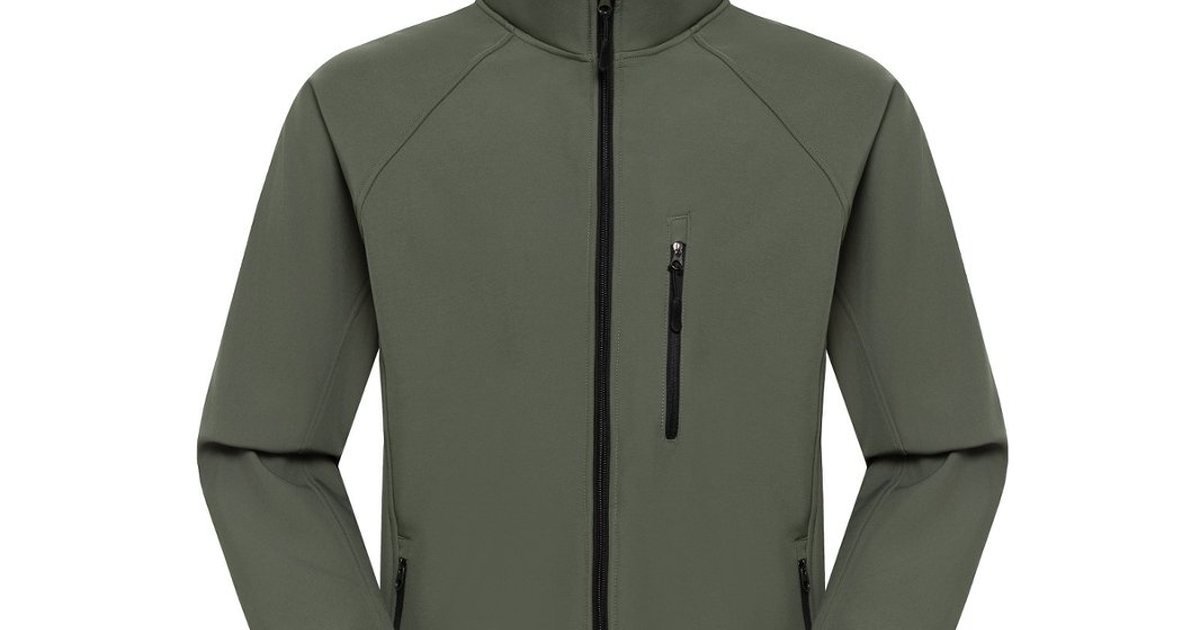
When you’re importing technical outerwear from China to the Netherlands, DDP shipping softshell jacket Ningbo to Rotterdam offers the clearest path: one price, door-to-door, with your supplier handling freight, customs clearance, import duties, VAT, and final delivery. For outdoor brand founders launching their first collection or corporate buyers managing team-gear programs, DDP eliminates the guesswork around landed cost and removes the burden of navigating EU customs paperwork. This guide breaks down how DDP works for softshell jackets specifically, what it costs, how long it takes, and where the hidden risks lie.
📋 Table of Contents
Executive Summary
- Transit time: Sea freight DDP from China to the Netherlands is often quoted at 30 to 35 days for LCL shipments, according to DDPShipping (2026).
- LCL base cost: Estimated at $50 to $150 per CBM depending on season and density, according to DDPShipping (2026).
- Peak-season surcharges: Rates rise 15% to 25% during Chinese New Year, Golden Week, and the Q4 holiday rush, according to AllBestShipping (2026).
- Marine cargo insurance: Costs roughly 0.2% to 0.5% of cargo value, according to AllBestShipping (2026).
- Planning window: Ocean and rail buyers are advised to plan 3 to 4 weeks ahead to avoid peak-season surcharges, according to AllBestShipping (2026).
What DDP Means for Textile Imports
DDP (Delivered Duty Paid) is an Incoterm that places maximum responsibility on the seller. Your Chinese supplier or freight forwarder arranges ocean freight, pays import duties and VAT at the Dutch border, clears customs, and delivers the cartons to your warehouse or fulfillment center in Rotterdam. You receive one invoice, and the goods arrive cleared and ready to unpack.
Why Outdoor Brands Choose DDP
For technical outerwear, predictable landed cost matters. Softshell jackets often use laminated membranes, synthetic insulation, and performance zippers, all of which can shift the HS code and duty rate. DDP locks in the total price upfront, so you can set retail margins without surprises. Brands launching their first collection avoid the complexity of hiring a customs broker or registering for VAT reclaim in a foreign country.
Seller Responsibility Under DDP
The supplier must provide a commercial invoice, packing list, bill of lading, and any textile-specific certificates (OEKO-TEX, REACH compliance documentation). They file the customs entry, pay the 12% EU duty on textile outerwear (HS 6201 or 6202), remit Dutch VAT (21% on CIF value plus duty), and arrange final-mile delivery. If the shipment is held for inspection or documentation errors, the supplier absorbs delay costs.
Buyer Responsibility Under DDP
You provide accurate product descriptions, material composition (shell fabric, lining, insulation), and end-use details so the supplier can classify the goods correctly. You also confirm the delivery address and ensure someone is available to receive the shipment. Mis-classification or incomplete paperwork can trigger customs holds, even under DDP, so clear communication with your OEM jacket manufacturing partner is critical.
Cost Breakdown: Ningbo to Rotterdam
Total landed cost for DDP shipping softshell jacket Ningbo to Rotterdam includes ocean freight, origin charges, import duty, VAT, customs clearance, and destination delivery. The table below shows typical cost components for a 1 CBM LCL shipment (roughly 200 to 250 softshell jackets, depending on packing density).
Example Calculation
Assume a 1 CBM shipment of softshell jackets with a FOB Ningbo value of $3,000. Ocean freight is $100/CBM, origin charges $100, insurance 0.3% ($9), giving a CIF Rotterdam value of $3,209. Import duty is 12% of CIF ($385), and VAT is 21% of ($3,209 + $385) = $755. Customs clearance and delivery add $350. Total landed cost: $4,699, or roughly $23.50 per jacket if the carton holds 200 pieces.
Hidden Fees to Watch
Peak-season surcharges can add 15% to 25% to the base ocean rate. If your shipment arrives during Chinese New Year (late January to mid-February) or the pre-Christmas rush (October to November), budget an extra $20 to $40 per CBM. Demurrage and detention charges apply if you fail to pick up the container or return it within the free time window (typically 5 to 7 days). Incorrect HS classification can trigger penalty duties or require re-export, costing thousands in delay and storage fees.
Transit Time Expectations
Ocean freight from Ningbo to Rotterdam port takes 25 to 30 days under normal conditions. Add 3 to 5 days for customs clearance and final delivery to your warehouse, bringing total door-to-door time to 30 to 35 days for LCL shipments. Full-container-load (FCL) shipments may clear faster because they bypass LCL consolidation and deconsolidation steps.
Factors That Extend Transit
Port congestion in Rotterdam or transshipment hubs (Singapore, Colombo) can add 5 to 10 days. Customs holds for documentation review or random inspection extend clearance by 2 to 7 days. Textile shipments flagged for REACH compliance or counterfeit-brand concerns face longer holds. Booking during peak season often means waiting 1 to 2 weeks for vessel space, pushing total lead time to 40 to 45 days.
Air Freight Alternative
DDP air shipping rates are quoted at $6 to $22 per kg depending on destination and product type, according to DDPCHAIN (2026). A softshell jacket weighs roughly 400 to 600 grams, so air freight cost per piece is $2.40 to $13.20, plus fuel surcharges and security fees. Transit time is 5 to 7 days door-to-door. Air makes sense for sample shipments, urgent replenishment, or high-margin styles where speed justifies the cost premium.
Planning Window
Place your production order 60 to 75 days before you need inventory in your Rotterdam warehouse. That allows 30 days for manufacturing (typical for low-MOQ jacket production at 30 pieces per SKU), 35 days for DDP ocean transit, and 5 to 10 days of buffer for delays. If you’re launching a seasonal collection, order 90 days ahead to avoid peak-season bottlenecks.
Customs Classification for Softshell Jackets
Softshell jackets fall under HS chapter 62 (articles of apparel, not knitted) or chapter 61 (knitted apparel), depending on fabric construction. Most woven softshells with stretch-woven polyester or nylon face fabric are classified under HS 6201.93 (men’s anoraks, windbreakers, and similar articles, of man-made fibers) or 6202.93 (women’s). Knit-face softshells may fall under 6101 or 6102. The distinction matters because duty rates and quota restrictions vary by heading.
Material Composition Impact
EU customs classify textile outerwear by the material of the outer shell. A softshell with a 100% polyester face fabric is HS 6201.93 or 6202.93, duty 12%. If the shell contains more than 50% cotton by weight, it shifts to HS 6201.92 or 6202.92, which may carry a different rate or quota. Laminated membranes (TPU, ePTFE) do not change the classification as long as the face fabric remains the primary material. Insulated softshells with down or synthetic fill are still classified by the outer shell, not the insulation.
Common Mis-Classification Risks
Suppliers sometimes declare softshells as “sports jackets” or “casual jackets” to avoid scrutiny, but EU customs use the General Rules for the Interpretation of the Harmonized System (GRI) to determine the correct heading. If your softshell has a waterproof-breathable membrane and taped seams, customs may question whether it should be classified as a raincoat (HS 6201.92 or 6202.92) instead of an anorak. The difference can shift the duty rate or trigger anti-dumping duties on certain Chinese textile imports. Always provide a detailed product description, including fabric weight (gsm), membrane type, and construction method, so your customs broker can defend the classification.
REACH and Textile Labeling
EU REACH regulation restricts certain chemicals in textiles, including azo dyes, formaldehyde, and some flame retardants. Your supplier must provide a REACH declaration of conformity or test report showing the softshell fabric and trims are compliant. Textile labeling (fiber content, care instructions, country of origin) must be in the language of the destination country or in multiple EU languages. Missing or incorrect labels can trigger customs holds or require re-labeling before release.
Documentation and Compliance Checklist
DDP shipping softshell jacket Ningbo to Rotterdam requires a complete document package. Missing or incorrect paperwork is the leading cause of customs delays, even when the supplier is responsible for clearance under DDP terms.
Importer of Record
Under DDP, the supplier is the importer of record for customs purposes, but you (the buyer) must be identified as the ultimate consignee. If you are VAT-registered in the Netherlands, provide your EORI (Economic Operators Registration and Identification) number and VAT number so the supplier can file the entry under your VAT account. This allows you to reclaim the 21% VAT later. If you are not VAT-registered, the supplier pays VAT on your behalf, and that cost is built into the DDP price.
Pre-Shipment Document Review
Request draft copies of the commercial invoice, packing list, and certificate of origin before the shipment leaves Ningbo. Verify the HS code, product description, and declared value match your purchase order. Check that the consignee address and contact details are correct. A single typo in the postal code can delay final delivery by days. If your supplier is using a freight forwarder, confirm the forwarder has a reliable customs broker in Rotterdam with experience clearing textile imports.
DDP vs. Other Incoterms
DDP is one of 11 Incoterms, each defining a different split of cost and risk between buyer and seller. For softshell jacket imports, the most common alternatives are FOB (Free On Board), CIF (Cost, Insurance, and Freight), and DAP (Delivered At Place).
When DDP Makes Sense
DDP simplifies budgeting because you know the total landed cost upfront. It removes the need to hire a customs broker, register for VAT, or manage import paperwork. For brands ordering 30 to 100 pieces per style, the administrative burden of FOB or CIF often exceeds the cost savings. DDP also shifts compliance risk to the supplier: if the shipment is mis-classified or held for missing documents, the supplier absorbs the delay and any penalty fees.
When FOB or CIF Is Better
Experienced importers who ship multiple containers per year often prefer FOB because they can negotiate better ocean rates with their own freight forwarder. FOB also gives you control over the customs broker, so you can ensure correct classification and minimize duty. If you are VAT-registered and plan to reclaim VAT quarterly, paying it upfront under DDP ties up cash unnecessarily. CIF is a middle ground: the supplier arranges ocean freight and insurance, but you handle customs, giving you visibility into the clearance process without managing the ocean leg.
Quality Control Before Shipment
DDP pricing includes all logistics costs, but it does not guarantee the softshell jackets meet your quality standards. A common buyer complaint is discovering defects after the shipment has cleared customs, when return or replacement is prohibitively expensive. Pre-shipment inspection is critical for technical outerwear because waterproofing, seam-sealing, and zipper function are difficult to verify from photos alone.
Pre-Production Sample Approval
Before bulk production begins, request a pre-production sample (PPS) that matches the final fabric, membrane, and construction. Test the DWR by spraying water on the face fabric; it should bead and roll off. Check that all seams are taped if the jacket is marketed as waterproof. Verify pit zips, cuff adjusters, and hem drawcords function smoothly. Many outdoor buyers report that breathable rain jackets feel clammy once the DWR wets out, so confirm the DWR treatment is durable and can withstand 20 to 30 washes before requiring re-proofing.
During-Production Inspection
When 30% to 50% of the order is complete, have a third-party inspector visit the factory floor to check fabric quality, stitching consistency, and adherence to the approved sample. Inspectors measure seam strength, verify membrane adhesion, and test zippers under load. This catches issues early, before the full run is finished and packed. Our 3,000m² Taizhou Sanmen facility runs in-house QC at the cut, sew, and pack stages, but third-party verification adds an independent layer of accountability.
Final Random Inspection (FRI)
Before the shipment leaves Ningbo, conduct a final random inspection on the packed cartons. Inspectors open 10% to 20% of cartons, check garment measurements against the spec sheet, and test a random sample for waterproofing and breathability. They verify that hang tags, care labels, and size labels are correct and securely attached. If defects exceed the acceptable quality limit (AQL), you can reject the shipment or negotiate a discount before it ships, avoiding the cost of returning goods from Rotterdam.
Packaging for Ocean Transit
Softshell jackets should be individually poly-bagged to protect against moisture and salt air during the 30-day ocean voyage. Cartons must be double-walled corrugated with a minimum burst strength of 200 psi. Over-packing (too many pieces per carton) leads to crushing and wrinkled garments. Under-packing wastes container space and raises per-piece freight cost. Standard carton size for jackets is 60 cm × 40 cm × 50 cm, holding 20 to 30 pieces depending on style and size range.
Key Takeaways
- Sea freight DDP transit from China to the Netherlands is often quoted at 30 to 35 days for LCL shipments, according to DDPShipping (2026).
- Estimated LCL base cost is quoted at $50 to $150 per CBM depending on season and density, according to DDPShipping (2026).
- Peak-season rates rise 15% to 25% during Chinese New Year, Golden Week, and the Q4 holiday rush, according to AllBestShipping (2026).
- Marine cargo insurance costs roughly 0.2% to 0.5% of cargo value, according to AllBestShipping (2026).
- Ocean and rail buyers are advised to plan 3 to 4 weeks ahead to avoid peak-season surcharges, according to AllBestShipping (2026).
- DDP air shipping rates are quoted at $6 to $22 per kg depending on destination and product type, according to DDPCHAIN (2026).
FAQ
What does DDP shipping mean from China to the Netherlands?
DDP (Delivered Duty Paid) means the Chinese supplier arranges ocean freight, pays EU import duty and Dutch VAT, clears customs, and delivers the goods to your Rotterdam warehouse. You receive one invoice covering all costs, and the shipment arrives cleared and ready to unpack. The supplier assumes all risk and cost until the goods are delivered to the address you specify.
How much does DDP shipping from Ningbo to Rotterdam cost?
For LCL shipments, expect $50 to $150 per CBM for ocean freight, plus $80 to $120 in origin charges, 12% import duty on CIF value, 21% Dutch VAT on CIF plus duty, $150 to $250 for customs clearance, and $100 to $200 for final delivery. A 1 CBM shipment with $3,000 FOB value typically lands at $4,500 to $5,000 total DDP cost, or $22 to $25 per softshell jacket for a 200-piece shipment.
How long does sea freight DDP from China to Rotterdam take?
Ocean transit from Ningbo to Rotterdam port is 25 to 30 days. Add 3 to 5 days for customs clearance and final delivery to your warehouse, bringing total door-to-door time to 30 to 35 days for LCL. Full-container shipments may clear 2 to 3 days faster. Peak-season congestion or customs holds can extend the timeline to 40 to 45 days.
Is DDP better than DAP or FOB for importing apparel to the EU?
DDP is better for first-time importers or small brands because it provides a single all-in price and removes the need to hire a customs broker or manage VAT registration. FOB is better for experienced importers who ship multiple containers per year and want control over freight rates and customs classification. DAP is a middle option: the supplier delivers to your door, but you handle customs clearance and duty payment yourself.
What documents are needed for DDP shipping to Rotterdam?
Required documents include a commercial invoice with HS code and declared value, packing list with carton count and weight, bill of lading, certificate of origin, REACH declaration of conformity for textiles, and photos of care and fiber-content labels. Optional but recommended: OEKO-TEX certificate or textile test report, and marine cargo insurance certificate. Missing or incorrect documents are the leading cause of customs delays.
Ready to source technical softshell jackets with predictable DDP pricing and 30-piece MOQ?
Request a Quote & Sample →
Written by Ivan Chen, Sales Engineer at PTOUTWEAR – 13 years in outdoor apparel manufacturing.