📋 Table of Contents
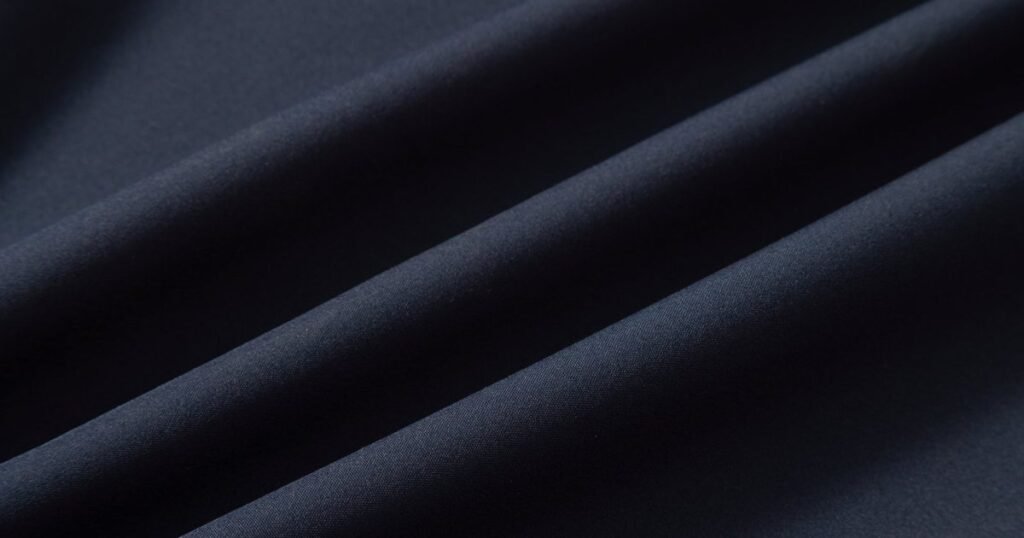
A membrane jacket uses a thin polymer layer bonded between the outer shell and lining to block liquid water while allowing sweat vapor to escape. This construction keeps you dry in rain without the clammy feeling of non-breathable rainwear. Understanding what is a membrane jacket and how different membrane types perform helps brand founders and corporate buyers specify the right protection level for their target use case.
Executive Summary
- Market growth: The global waterproof breathable membrane market is projected to reach $1.8 billion by 2026, growing at a CAGR of 5.2% from 2023, according to Grand View Research.
- Construction preference: Over 65% of premium outdoor jackets sold in the US and EU in 2025 utilized 3-layer laminated membrane construction, according to Textile Exchange.
- PFAS-free shift: PFAS-free membrane alternatives (e.g., expanded polyethylene) accounted for 28% of new membrane licensing agreements in 2025, according to bluesign.
- Breathability performance: eVent’s Direct Venting technology shows a 35,000 g/m²/24h MVTR in active conditions, exceeding static Gore-Tex values by 25%, according to Raff Military Textile.
- Waterproof standard: ISO 811 hydrostatic head testing reveals that 92% of new membrane jackets exceed the 15,000mm waterproof threshold required for ‘extreme’ ratings, according to ISO.
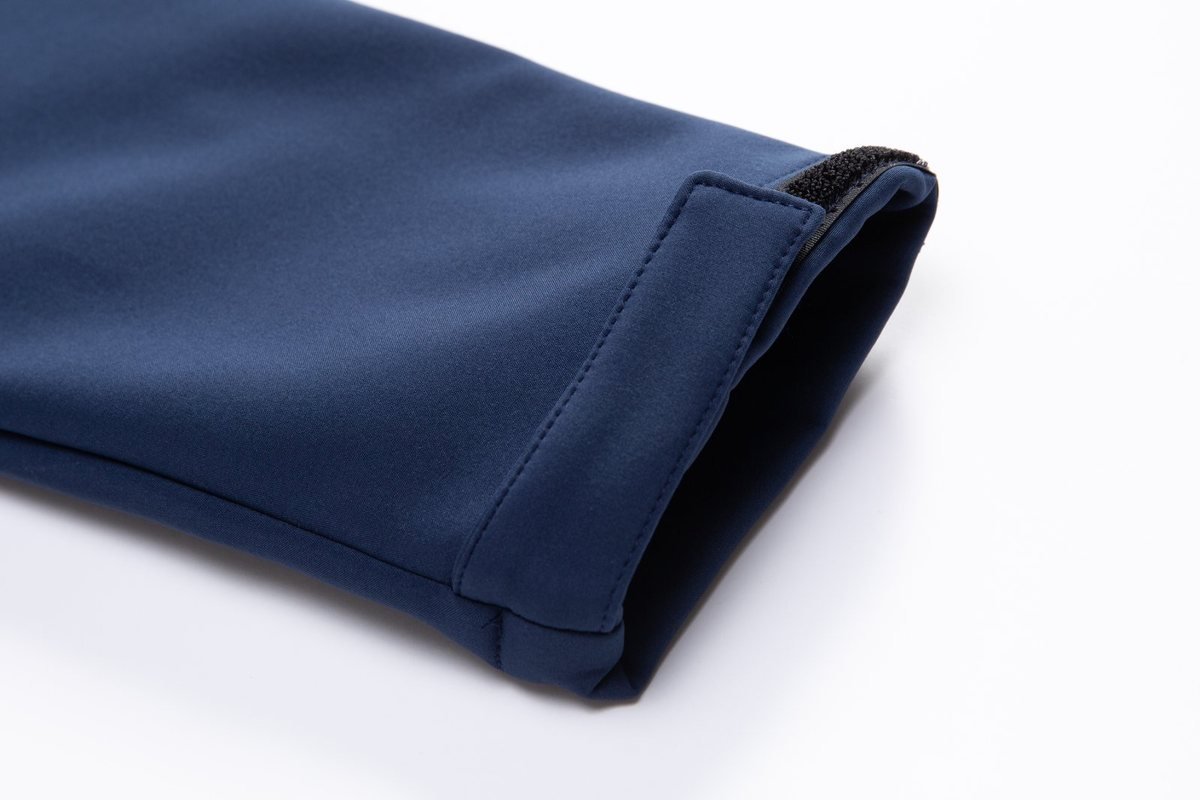
What Is a Membrane Jacket?
A membrane jacket is an outerwear garment that incorporates a waterproof-breathable polymer film laminated to the fabric structure. The membrane itself is a microscopic-pore layer that blocks water droplets (typically 5,000+ micrometers in diameter) while permitting water vapor molecules (roughly 0.0004 micrometers) to pass through. This selective permeability delivers weather protection without trapping perspiration inside the jacket.
Core Components
Every membrane jacket combines three functional elements working together:
- Outer face fabric: A durable woven or knit textile (often nylon or polyester) treated with DWR (Durable Water Repellent) to shed water on contact.
- Waterproof-breathable membrane: The polymer film (PTFE, polyurethane, polyester, or expanded polyethylene) laminated to the face fabric or suspended between layers.
- Inner lining or backer: A protective textile layer (in 3-layer construction) or a loose mesh/taffeta lining (in 2-layer construction) that shields the membrane from abrasion and body oils.
Why Membranes Matter
Non-membrane rain jackets rely on coatings (polyurethane or PVC applied to fabric) that eventually crack, peel, or delaminate. Membrane construction bonds the waterproof layer at a molecular level, extending service life and maintaining consistent breathability. Buyers launching outdoor brands or sourcing corporate rain gear prioritize membranes for reliability in multi-season use and reduced warranty claims.
How Waterproof-Breathable Membranes Work
Pore Size Mechanics
Microporous membranes (like expanded PTFE in Gore-Tex) contain billions of pores per square inch, each approximately 0.2 micrometers in diameter. A water droplet measures roughly 5,000 micrometers, so surface tension prevents liquid penetration. Water vapor molecules, at 0.0004 micrometers, pass freely through the pores when a vapor-pressure gradient exists between the warm, humid microclimate inside the jacket and the cooler, drier outside air.
Hydrophilic Membranes
Non-porous membranes (polyurethane, polyester) rely on hydrophilic chemistry rather than physical pores. Water vapor molecules bond temporarily to the polymer chain, migrate through the film, and evaporate on the exterior surface. These membranes typically weigh less and pack smaller than microporous films but may feel less breathable during high-output activity because vapor transport depends on chemical affinity rather than direct airflow.
Moisture Vapor Transmission Rate (MVTR)
MVTR quantifies breathability in grams of water vapor transmitted per square meter of fabric per 24 hours (g/m²/24h). Testing standards vary:
- ISO 11092 (Ret test): Measures evaporative resistance; lower Ret values indicate better breathability (high-performance membranes score below 6).
- ASTM E96 (upright cup method): Common in North America; premium membranes score 15,000 to 35,000 g/m²/24h.
- JIS L 1099 (inverted cup): Japanese standard producing higher numerical results than ASTM due to test-condition differences.
Brand founders comparing membrane options should request MVTR data from the same test standard to ensure valid comparisons. A common buyer complaint is that breathable rain jackets still feel clammy during strenuous activity, which often traces to inadequate ventilation design (missing pit zips or back vents) rather than membrane failure.
Membrane Construction Types
2-Layer Construction
The membrane laminate (face fabric bonded to membrane) hangs as the jacket shell, with a separate mesh or taffeta lining sewn inside to protect the membrane from abrasion and body oils. This construction costs less to produce and allows easier repairs (the lining can be replaced independently). However, the loose lining adds bulk and can shift during wear, creating a less streamlined fit.
2.5-Layer Construction
A thin protective coating (carbon print, PU spray, or embossed pattern) replaces the full textile backer, reducing weight by 20 to 30 percent compared to 2-layer designs. The coating prevents the membrane from contacting skin or pack straps but wears faster than woven backer fabric. Ultralight hikers and fastpackers favor 2.5-layer shells for their packability, accepting the trade-off in long-term durability.
3-Layer Construction
Face fabric, membrane, and tricot backer are laminated together in a single bonded composite. This construction delivers the highest abrasion resistance and most consistent performance across temperature ranges. The unified structure eliminates lining shift and reduces seam bulk, making 3-layer jackets the standard for professional guides, ski instructors, and alpine climbers. Over 65% of premium outdoor jackets sold in the US and EU in 2025 utilized 3-layer laminated membrane construction, according to Textile Exchange.
Our OEM jacket manufacturing facility in Taizhou Sanmen runs dedicated lamination lines for 2-layer and 3-layer hardshell production, with in-house seam-sealing equipment that applies waterproof tape to every stitched seam within 24 hours of assembly.
Major Membrane Technologies
Gore-Tex (ePTFE)
Expanded polytetrafluoroethylene (ePTFE) membranes, trademarked as Gore-Tex, dominate the premium outdoor market due to proven durability and consistent waterproof-breathable performance. The membrane structure consists of a stretched PTFE film with 9 billion pores per square inch. Gore-Tex products carry a lifetime warranty and require licensed manufacturing, which adds cost but provides brand recognition and buyer confidence.
Licensing fees and minimum order quantities make Gore-Tex challenging for startup brands. A common alternative for emerging outdoor labels is to source non-branded ePTFE membranes that deliver similar pore structure and performance at 40 to 50 percent lower material cost.
eVent (Direct Venting)
eVent membranes use ePTFE without an oleophobic (oil-repellent) coating, allowing air to flow directly through the pores. This “Direct Venting” design increases breathability during high-output activity. According to Raff Military Textile, eVent’s Direct Venting technology shows a 35,000 g/m²/24h MVTR in active conditions, exceeding static Gore-Tex values by 25%. The trade-off is faster contamination from body oils, which can reduce breathability over time if the jacket is not washed regularly.
Sympatex (Polyester/Polyether)
Sympatex membranes are non-porous hydrophilic films made from polyester and polyether copolymer. The membrane is inherently waterproof (no pores to clog) and 100% recyclable, appealing to brands prioritizing circular-economy principles. The European market for eco-friendly membrane jackets (Sympatex, Bluesign certified) grew by 18% in 2025 compared to 2024, according to OEKO-TEX. Breathability performance sits slightly below ePTFE membranes in high-exertion scenarios but remains adequate for moderate-intensity outdoor activities.
Proprietary Polyurethane Membranes
Many mid-tier outdoor brands use proprietary polyurethane (PU) membranes developed by textile mills in China, Taiwan, and South Korea. These membranes cost 60 to 70 percent less than Gore-Tex and allow full control over branding and marketing claims. DTC outdoor brands launching with proprietary membranes saw a 15% lower unit cost compared to those licensing Gore-Tex in 2025, according to McKinsey & Company. Quality varies significantly by supplier, so requesting third-party MVTR and hydrostatic head test reports before committing to production is essential.
DWR Coating and Membrane Performance
The Role of DWR
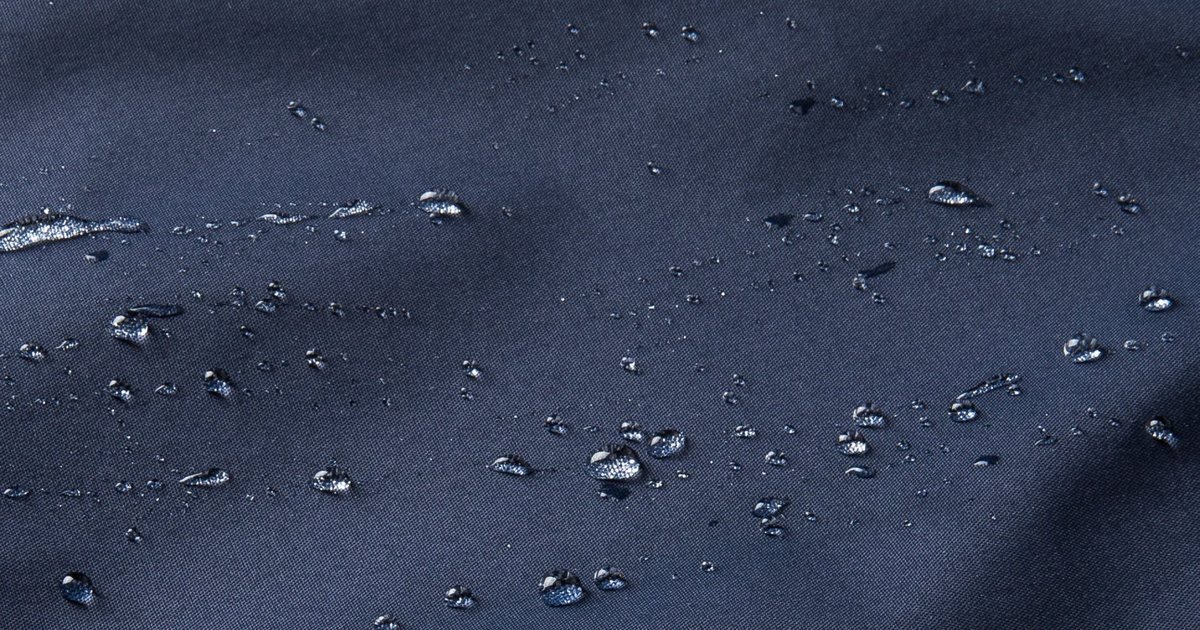
Durable Water Repellent (DWR) is a chemical finish applied to the outer face fabric that causes water to bead and roll off the surface rather than soaking in. When DWR functions correctly, the face fabric stays dry and breathable. A common complaint is that a waterproof jacket is only breathable while its DWR keeps the face fabric from wetting out; once it wets out you feel clammy and wet, even though the membrane itself remains waterproof.
DWR Degradation
DWR coatings wear off through abrasion, dirt accumulation, and repeated washing. Most membrane jackets require DWR reapplication every 20 to 40 washes to maintain surface water repellency. Buyers should specify whether the factory applies C6 fluorocarbon DWR (higher performance, longer lasting, contains short-chain PFAS) or fluorine-free alternatives (lower environmental impact, requires more frequent reapplication).
PTOUTWEAR applies PFC-free DWR as standard on all hardshell and rain jacket production, meeting EU REACH regulations and California Proposition 65 requirements without customer needing to specify compliance. PFAS-free membrane alternatives (e.g., expanded polyethylene) accounted for 28% of new membrane licensing agreements in 2025, according to bluesign, reflecting growing regulatory pressure in the US and European Union.
Maintaining Membrane Performance
Proper care extends membrane jacket lifespan:
- Wash regularly: Dirt and oils clog membrane pores, reducing breathability. Machine wash in cool water with technical-fabric detergent every 10 to 15 wears.
- Tumble dry low: Heat reactivates DWR, restoring water beading. Run the jacket through a 20-minute low-heat dryer cycle after washing.
- Reapply DWR: When water no longer beads on the face fabric after washing and drying, spray or wash-in DWR treatment restores repellency.
- Store dry: Moisture trapped in storage promotes delamination. Hang jackets in a ventilated space, never stuff wet into a pack or bag.
Sourcing Membrane Jackets for Your Brand
Licensing vs. Proprietary Membranes
Brand founders face a cost-benefit decision early in product development:
Startups with limited budgets typically launch with proprietary membranes, then migrate to licensed Gore-Tex or eVent once sales volume justifies the higher per-unit cost and MOQ commitment. Our low-MOQ jacket manufacturing service supports this staged approach: 1-piece sampling to validate fit and construction, then 30 pieces per SKU for initial production runs without tying up working capital in inventory.
Sample Development Process
Membrane jacket sampling follows a structured timeline:
- Tech pack submission: Provide detailed technical drawings, fabric specifications (face fabric weight, membrane type, backer construction), and hardware callouts (zippers, cord locks, snaps).
- Fabric sourcing: The factory orders membrane laminate from the mill (3 to 5 days for in-stock materials, 12 to 18 days for custom laminates).
- Pattern development: Pattern maker drafts the design based on your size chart and fit preferences (2 to 3 days).
- Sample sewing and seam sealing: Skilled sample sewers assemble the jacket, then seam-sealing technicians apply waterproof tape to all stitched seams (2 to 3 days).
- QC and photography: Quality control checks seam-sealing coverage, DWR application, and hardware function; photos document the sample for your approval (1 day).
Total sampling time runs 7 to 10 days for in-stock membranes, 18 to 25 days for custom membrane development. PTOUTWEAR charges a $100 sample fee (refundable against bulk orders) and ships samples via DHL or FedEx with 4 to 6 day delivery to North America, Europe, or Australia.
Production MOQ and Lead Time
Sample MOQ: 1 piece. Bulk MOQ: 30 pieces per SKU. Sampling time: 7-10 days. Bulk lead time: 25-35 days after approval.
Our 3,000m² facility in Taizhou Sanmen operates 20 production lines with 240 workers, producing approximately 200,000 jackets per year across softshell, hardshell, rain, ski, insulated, and workwear categories. In-house cut-and-sew, lamination, and seam-sealing capabilities reduce dependency on subcontractors and maintain tighter quality control throughout production.
Certifications and Compliance
Membrane jacket production for US and EU markets requires attention to chemical-compliance standards:
- REACH (EU): Restricts or bans certain PFAS compounds in textile treatments; PFC-free DWR satisfies current REACH Annex XVII requirements.
- California Prop 65: Requires warning labels if products contain listed chemicals above threshold levels; PFC-free DWR avoids Prop 65 triggers.
- OEKO-TEX Standard 100: Independent lab testing confirms the finished garment is free from harmful substances; useful for corporate uniform buyers and school programs.
- bluesign: System-level certification covering the entire supply chain (mills, dyes, finishing); increasingly required by premium outdoor retailers.
PTOUTWEAR holds ISO 9001 quality management certification and works with SGS-certified testing labs for fabric performance verification. OEKO-TEX Standard 100 and bluesign are pending, not yet held.
Cost Structure
Membrane jacket FOB costs (ex-factory, not including freight or duties) vary by construction and membrane type:
- 2-layer proprietary PU membrane: $22 to $32 per unit at 100-piece order, $18 to $26 at 500-piece order.
- 2.5-layer proprietary PU membrane: $26 to $38 per unit at 100-piece order, $22 to $32 at 500-piece order.
- 3-layer proprietary PU membrane: $35 to $50 per unit at 100-piece order, $30 to $42 at 500-piece order.
- 3-layer licensed Gore-Tex: $55 to $75 per unit at 500-piece minimum (Gore licensing requires higher MOQ).
These figures assume mid-weight nylon face fabric (70 to 100 denier), YKK AquaGuard zippers, and standard seam-sealing. Adding features like pit zips, helmet-compatible hoods, or internal pockets increases cost by $3 to $8 per feature.
Quality Control Checkpoints
Membrane jacket production requires specialized QC beyond standard garment inspection:
- Membrane integrity: Visual inspection under backlight to detect pinholes, tears, or delamination in the membrane layer before cutting.
- Seam-sealing coverage: Every stitched seam must have waterproof tape applied within 2mm of the stitch line, with no gaps or bubbles.
- Hydrostatic head testing: Random samples from each production lot undergo ISO 811 testing to confirm waterproof rating (minimum 10,000mm for moderate use, 20,000mm for extreme conditions).
- DWR effectiveness: Spray test (ISO 4920) verifies that water beads and rolls off the face fabric without soaking in.
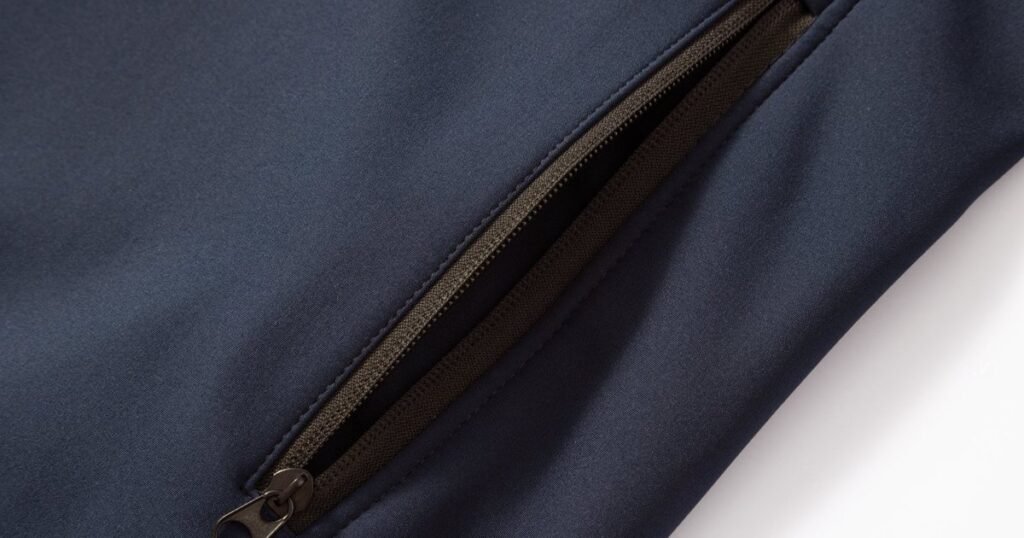
- Zipper function: YKK AquaGuard and Vislon zippers tested for smooth operation and water resistance under simulated rain.
ISO 811 hydrostatic head testing reveals that 92% of new membrane jackets exceed the 15,000mm waterproof threshold required for ‘extreme’ ratings, according to ISO standards published in 2025.
Our sample development process includes all these checkpoints at the prototype stage, so buyers can verify construction quality before committing to bulk production.
Key Takeaways
- The global waterproof breathable membrane market is projected to reach $1.8 billion by 2026, growing at a CAGR of 5.2% from 2023, according to Grand View Research.
- Over 65% of premium outdoor jackets sold in the US and EU in 2025 utilized 3-layer laminated membrane construction, according to Textile Exchange.
- PFAS-free membrane alternatives (e.g., expanded polyethylene) accounted for 28% of new membrane licensing agreements in 2025, according to bluesign.
- eVent’s Direct Venting technology shows a 35,000 g/m²/24h MVTR in active conditions, exceeding static Gore-Tex values by 25%, according to Raff Military Textile.
- ISO 811 hydrostatic head testing reveals that 92% of new membrane jackets exceed the 15,000mm waterproof threshold required for ‘extreme’ ratings, according to ISO.
- DTC outdoor brands launching with proprietary membranes saw a 15% lower unit cost compared to those licensing Gore-Tex in 2025, according to McKinsey & Company.
FAQ
What is the difference between a membrane jacket and a coated jacket?
A membrane jacket uses a thin polymer film laminated to the fabric structure, creating a durable waterproof-breathable barrier that allows sweat vapor to escape while blocking liquid water. A coated jacket applies a polyurethane or PVC layer directly to the fabric surface, which provides waterproofing but typically offers lower breathability and degrades faster through cracking and peeling. Membrane construction delivers longer service life and more consistent performance across temperature ranges.
Are 3-layer membrane jackets better than 2-layer?
3-layer membrane jackets bond the face fabric, membrane, and backer into a single laminated composite, delivering superior abrasion resistance, reduced bulk, and more consistent performance in demanding conditions. 2-layer jackets use a separate mesh lining that adds bulk and can shift during wear but cost less to produce and allow easier repairs. Professional outdoor users and alpine climbers prefer 3-layer construction for durability, while casual hikers and budget-conscious buyers often choose 2-layer designs.
How long does a Gore-Tex membrane jacket last?
A Gore-Tex membrane jacket typically lasts 5 to 10 years with proper care, including regular washing to remove dirt and oils, tumble drying on low heat to reactivate DWR, and periodic DWR reapplication when water no longer beads on the face fabric. The membrane itself remains waterproof indefinitely, but the DWR coating on the outer fabric wears off and requires maintenance. Abrasion from pack straps, climbing harnesses, or rough surfaces can damage the face fabric and reduce lifespan in high-use scenarios.
What is the best membrane for hot and humid climates?
eVent membranes with Direct Venting technology perform best in hot and humid climates because air flows directly through the membrane pores without an oleophobic coating blocking airflow. This design delivers higher MVTR (35,000 g/m²/24h in active conditions) compared to standard Gore-Tex. Jackets with pit zips, back vents, and mesh-lined pockets further improve ventilation. In tropical or subtropical environments, many users prefer softshell jackets with DWR-treated stretch fabrics over full waterproof membranes to maximize breathability.
Do membrane jackets need DWR treatment?
Yes, membrane jackets require DWR (Durable Water Repellent) treatment on the outer face fabric to maintain breathability. When DWR functions correctly, water beads and rolls off the surface, keeping the face fabric dry. If the face fabric wets out (absorbs water), the membrane cannot vent moisture effectively, causing a clammy feeling inside the jacket even though the membrane itself remains waterproof. DWR wears off through abrasion and washing, requiring reapplication every 20 to 40 washes to restore water repellency.
Written by Ivan Chen, Sales Engineer at PTOUTWEAR – 13 years in outdoor apparel manufacturing.
Ready to source membrane jackets with transparent MOQs, fast sampling, and PFC-free DWR as standard?
Request 1-Piece Samples →