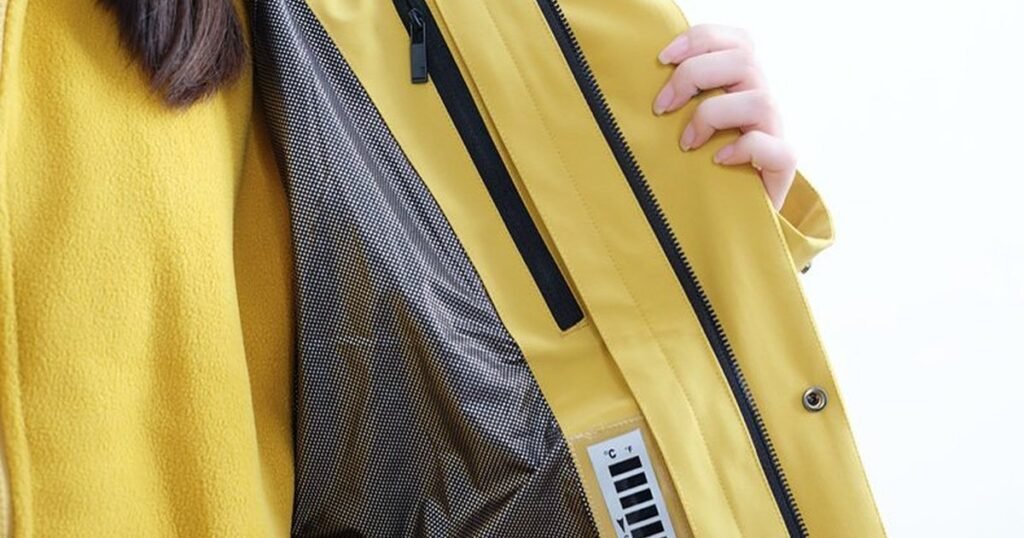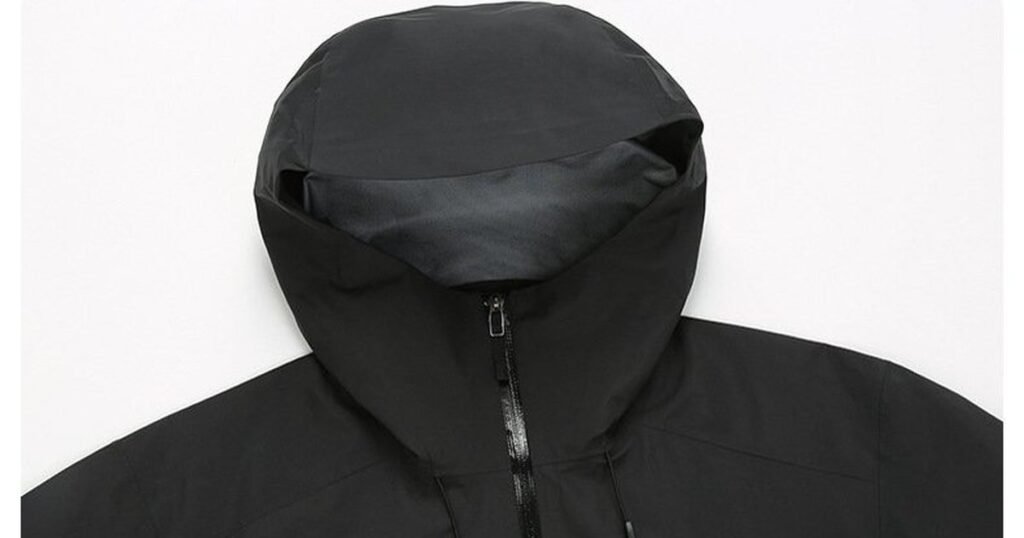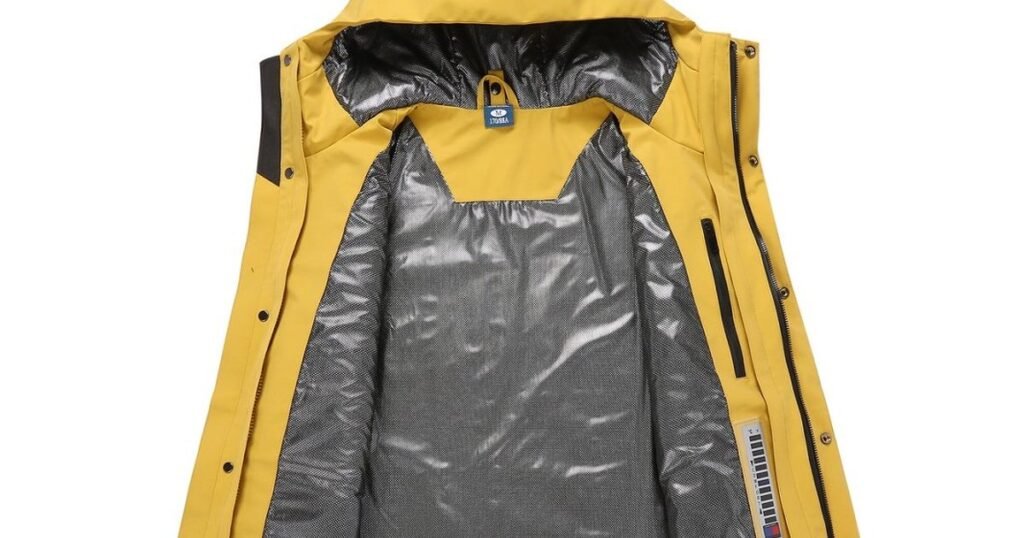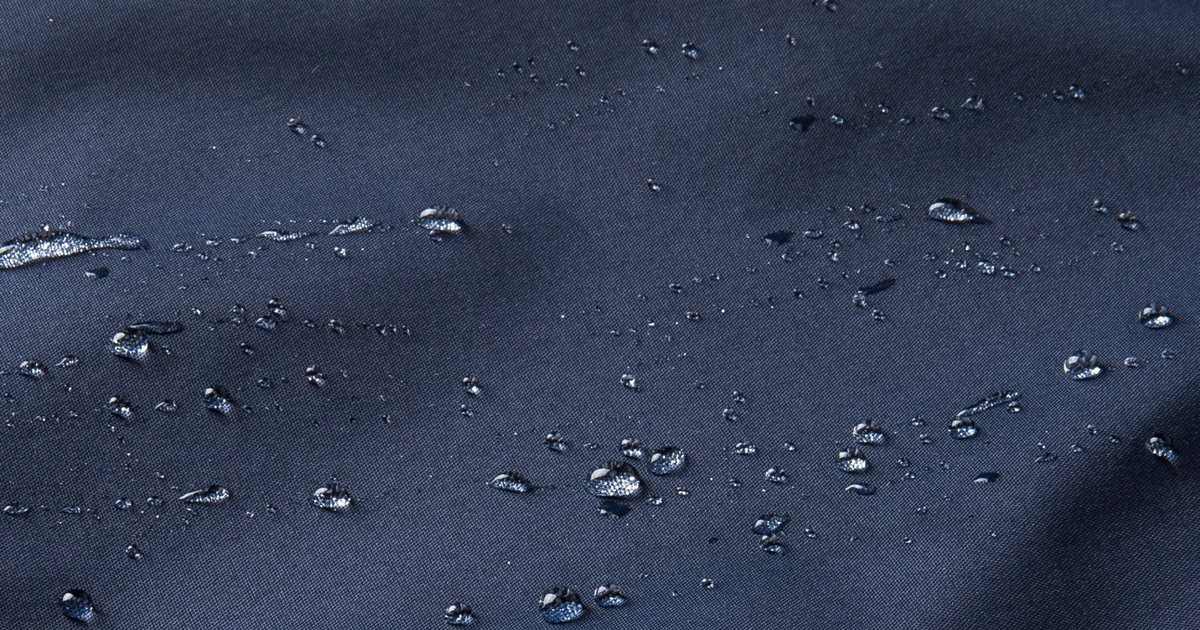
Short answer: Oxford fabric (also called Oxford cloth or Oxford material) is not waterproof on its own, but it becomes one of the most common waterproof fabric platforms once coated. Whether you need a budget-friendly rain jacket, a workwear outer, or a backpack outer shell, Oxford is probably on your shortlist. Here’s everything a brand owner needs to know.
What Is Oxford Fabric?
Oxford fabric is a basketweave-style woven textile, originally cotton, now predominantly polyester or polyester-nylon blends. The defining feature is its 2-over-1 basketweave — heavier yarns running in groups, creating a subtle checkered texture.
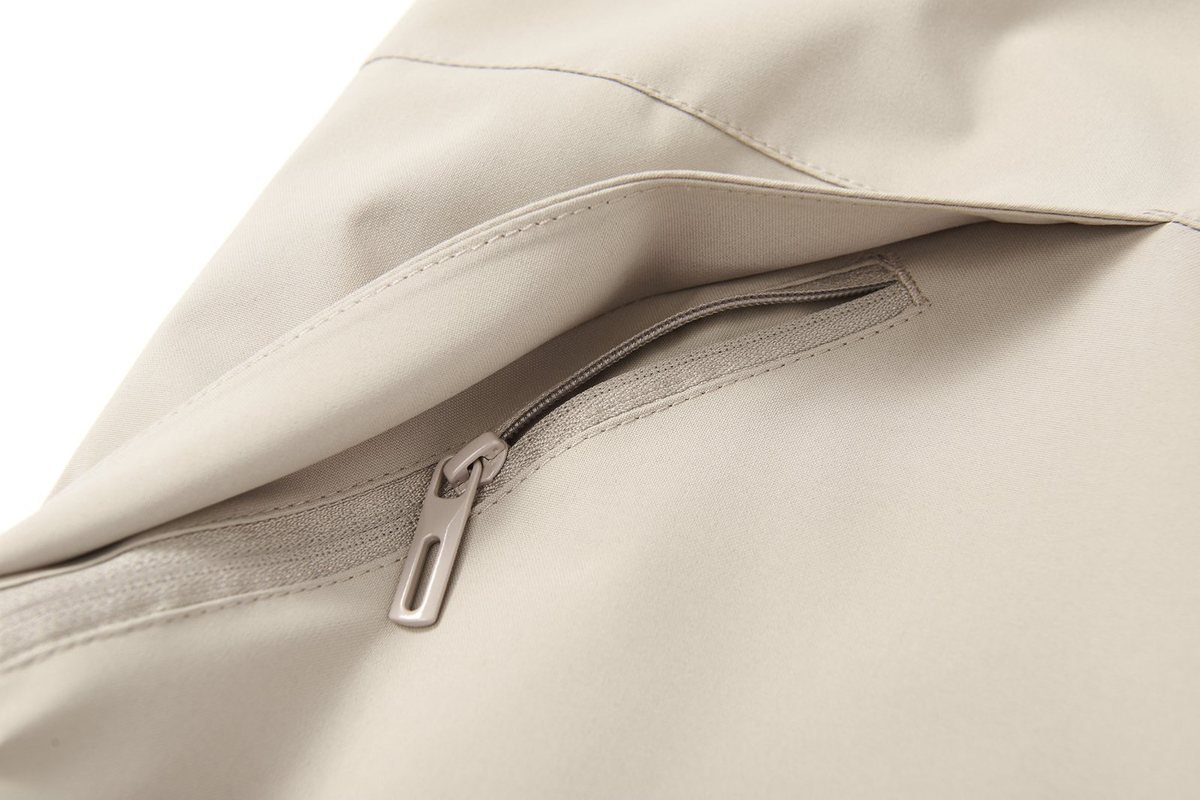
Modern Oxford for outdoor and workwear is almost always:
– 100% polyester (cheap, durable, dyeable)
– Polyester-nylon blend (better tear strength)
– 100% nylon (premium, for outdoor brands)
Is Oxford Fabric Waterproof By Default?
No. Untreated Oxford fabric has minimal water resistance — it will absorb and soak through in light rain. Its tight weave gives it some natural water resistance (better than plain weave), but nothing that would qualify as “waterproof” in technical apparel standards (typically requiring 1000mm+ hydrostatic head).
How Oxford Becomes Waterproof
There are three main coating approaches:
1. PU (Polyurethane) Coating
Typical waterproof rating: 1,000-5,000mm
The most common waterproofing for budget-to-mid Oxford fabrics. Applied as a liquid coating on the back of the fabric. Soft hand-feel, mostly breathable (semi-breathable at higher coating weights), affordable.
Pros: Cheap, soft, doesn’t crackle
Cons: Wears off over time, breathability drops at higher waterproof ratings
2. PVC (Polyvinyl Chloride) Coating
Typical waterproof rating: 5,000-15,000mm
Heavier coating, creates a fully waterproof and non-breathable surface. Common in workwear, tarps, heavy-duty bags.
Pros: Strong waterproofing, very durable, low cost
Cons: Stiffer hand-feel, not breathable, environmental concerns (PVC is petroleum-heavy)
3. TPU (Thermoplastic Polyurethane) Lamination
Typical waterproof rating: 5,000-20,000mm
Higher-end option. TPU film laminated to the Oxford backing. Maintains some breathability, much more environmentally friendly than PVC.
Pros: Premium feel, breathable, durable, recyclable
Cons: Higher cost (2-4x PU coating)
Common Oxford Fabric Weights and Uses
| Denier | Weight | Typical Application |
|---|---|---|
| 210D Oxford | 110-140 gsm | Lightweight rain jackets, budget bags, accessories |
| 420D Oxford | 200-250 gsm | Mid-weight rain shells, hi-vis vests, daypacks |
| 600D Oxford | 280-350 gsm | Standard workwear jackets, heavy-duty bags |
| 1000D Oxford | 350-500 gsm | Tactical / military jackets, premium workwear |
| 1680D Oxford | 500-700 gsm | Heaviest workwear, motorcycle gear, abrasion-critical bags |
Oxford in Outdoor Apparel: Where It Fits
Oxford is the workhorse fabric for:
✅ Best Use Cases
- Workwear rain jackets — durable, takes heavy coating, budget-friendly
- Hi-vis safety jackets — 600D Oxford with PU coating is the industry standard
- Bag and pack body fabrics — abrasion-resistant
- Light outdoor jackets at value price points
- Hunting outerwear (quiet brushed Oxford variants)
⚠️ Limited Fit
- Premium hardshells — Oxford is too heavy and stiff; technical brands use lighter laminated nylons
- Athletic/performance wear — Oxford lacks stretch and breathability for active sports
- Soft-hand outerwear — Oxford is firmer than Taslan or peached nylons
Oxford vs Taslan vs Ripstop
| Property | Oxford | Taslan | Ripstop |
|---|---|---|---|
| Surface | Checkered basketweave | Textured, soft | Visible grid pattern |
| Hand-feel | Firm, structured | Soft, peached | Smooth, sometimes shiny |
| Tear resistance | Good | Good | Excellent |
| Waterproofing baseline | Needs coating | Needs DWR + coating | Needs coating |
| Cost | Lowest | Mid | Mid |
| Typical use | Workwear, bags | Outerwear jackets | Backpacks, ultralight |
Sustainability Considerations
For brands targeting eco-conscious customers:
- Recycled Polyester Oxford (rPET) — made from PET bottles, identical performance, 20-30% premium cost
- PFC-Free DWR-treated Oxford — avoids forever chemicals while maintaining water repellency
- TPU-laminated Oxford (vs PVC) — recyclable, less toxic in production
- Solution-dyed Oxford — reduces water and energy use in dyeing process
Sourcing Oxford Fabric
Oxford is produced extensively in:
– China (Zhejiang, Jiangsu, Guangdong) — dominant global supplier across all grades
– Taiwan — premium grades for outdoor brands
– Vietnam — emerging mid-grade producer
– South Korea — high-grade specialty Oxfords
Cost benchmarks (2025):
– 210D Oxford, plain: $1.20-2.50/yard
– 420D Oxford with PU: $2.50-4.50/yard
– 600D Oxford with PU 2000mm: $3.50-6/yard
– 1680D Oxford with TPU lamination: $8-14/yard
Decision Framework
| Your product is… | Use Oxford with… |
|---|---|
| Budget rain jacket | 210D + PU 2000mm |
| Mid-tier rain shell | 420D + PU 3000-5000mm |
| Workwear / hi-vis | 600D + PU 5000mm |
| Tactical / heavy-duty | 1000-1680D + PVC or TPU |
| Premium technical | Skip Oxford — use laminated nylon |
Frequently Asked Questions
Is Oxford cloth waterproof?
Not by itself. Oxford cloth is a basketweave polyester or nylon fabric; it only becomes waterproof after a PU, PVC or TPU coating is applied to the back. Coated Oxford typically tests at 1,000-10,000 mm hydrostatic head (ISO 811), depending on coating type and thickness.
Is 420D or 600D Oxford fabric waterproof?
The denier (420D, 600D) describes yarn thickness, not water resistance. A 600D Oxford with a 5,000 mm PU coating is waterproof for rain wear; an uncoated 600D Oxford is not. Always ask the mill for the coating spec and the hydrostatic-head test report, not just the denier.
Is Oxford nylon waterproof?
Nylon Oxford behaves the same as polyester Oxford: water-resistant when uncoated, waterproof once coated. Nylon versions are slightly stronger and more abrasion-resistant for the same weight, which is why they appear in bags and heavy-duty outerwear.
Is Oxford fabric good for rain jackets?
Yes for budget and mid-tier rain shells and workwear. A 300D-420D Oxford with 3,000-5,000 mm PU coating and taped seams is a common entry-level rain jacket platform. For premium technical shells, laminated nylon with a membrane is the better choice.
Bottom Line
Oxford is one of the most versatile and economical fabrics in outerwear and workwear manufacturing. It’s not waterproof on its own, but with the right coating, it can hit any waterproof spec from light rain (1000mm) to industrial-grade (15,000mm+).
For brands building rain jackets, workwear, or hi-vis safety apparel, Oxford is almost always the right starting point. For technical outdoor hardshells, look at lighter laminated nylons instead.
Sourcing Oxford fabric for your rain jacket or workwear line?
ptoutwear works with the full range of Oxford weights (210D to 1680D) and coating options (PU / TPU / PFC-free DWR) for our rain jacket and workwear collections. Zhejiang sourcing means competitive pricing on standard grades plus access to specialty mills.
Talk fabric specs with us →
Rain jacket capabilities →
Workwear manufacturing →