A rain jacket has one obvious job — keep rain out. But the jackets people actually keep and re-buy do a second, harder job: they let sweat out so the wearer doesn’t end up soaked from the inside. That second job is where most rain shells fail, and it’s the single biggest opportunity for a brand sourcing one. This guide explains how breathability is engineered, and how to spec it so your product delivers it.
The Problem: Waterproof Without Breathable Feels Wet Anyway
Block rain completely with a cheap coated nylon and you build a sealed bag. The wearer’s sweat — up to a liter an hour during activity — has nowhere to go. It condenses on the inside and the jacket feels clammy and wet, even though no rain got in. Customers can’t tell the difference between “leaked” and “didn’t breathe”; both come back as complaints.
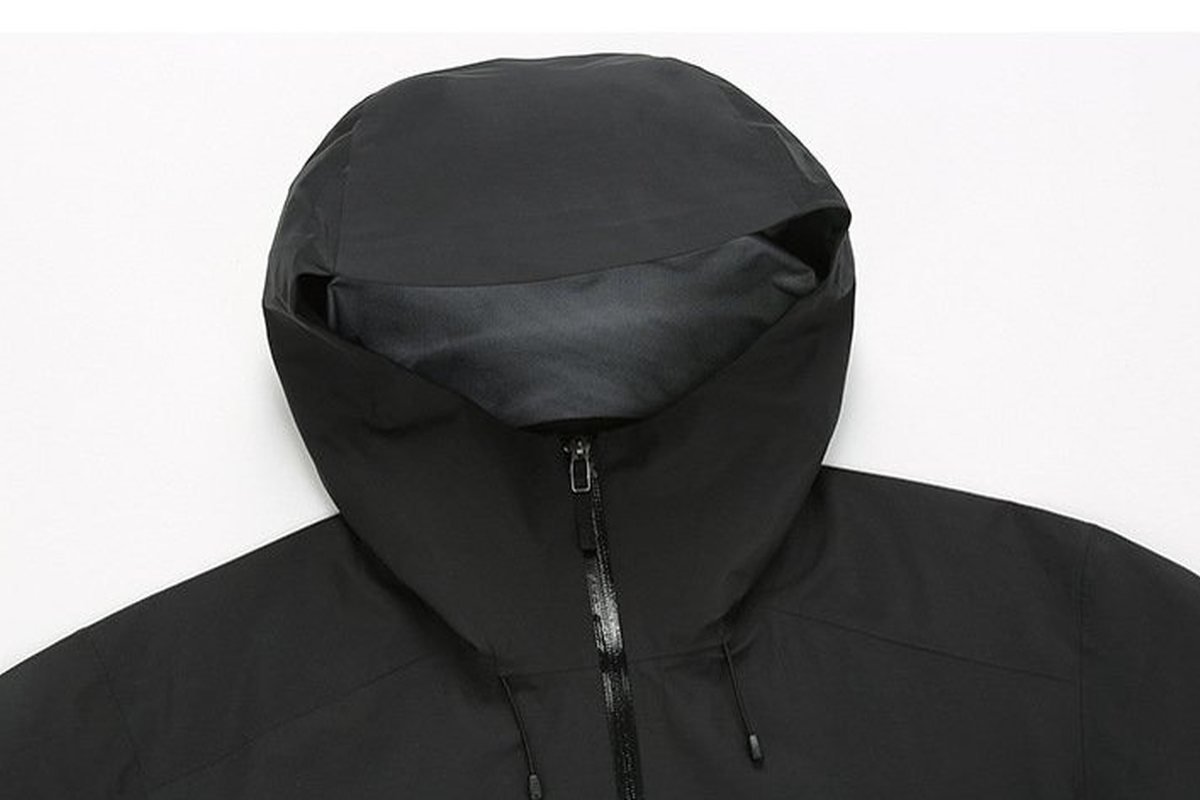
So a genuinely good rain jacket has to do two opposing things at once: stop liquid water from coming in while letting water vapor pass out. That contradiction is solved by the membrane. (For the full framing, see waterproof vs breathable jacket.)
How Breathability Actually Works
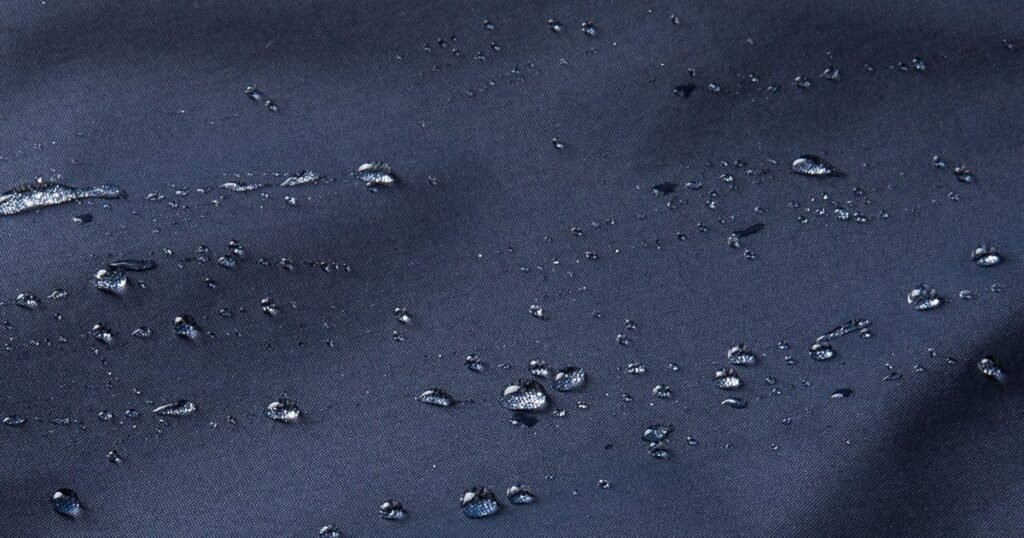
The key is the size difference between liquid water and water vapor. A waterproof breathable membrane has microscopic structure where the pores are:
– Too small for a liquid water droplet to pass through (so rain stays out).
– Large enough for a water vapor molecule to escape (so sweat moves out).
There are two main membrane types:
– Microporous (ePTFE) — a stretched PTFE film with billions of tiny pores. High breathability, the technology behind most premium shells. See ePTFE membrane explained.
– Hydrophilic (PU) — a solid film that moves moisture chemically along the molecular chain. Cheaper, more durable to contamination, slightly less breathable.
A DWR finish on the face fabric matters too: when the outer fabric wets out and saturates, vapor transfer stalls even through a good membrane. Keeping the face fabric beading is part of keeping the jacket breathing.
The Number That Measures It: MVTR
Breathability is rated, just like waterproofing. The common metric is MVTR (Moisture Vapor Transmission Rate) in g/m²/24h — how many grams of vapor pass through a square meter of fabric in a day. RET is the other common metric (lower is better). Full detail in breathability ratings (MVTR / RET) explained.
| MVTR (g/m²/24h) | Breathability | Suited to |
|---|---|---|
| Under 5,000 | Low | Low-output, casual rain wear |
| 5,000–10,000 | Moderate | Everyday use, light activity |
| 10,000–15,000 | High | Hiking, active outdoor |
| 15,000+ | Very high | High-output, aerobic activity |
A balanced spec pairs the breathability number with the waterproof rating — for example a 10,000mm / 10,000 g shell. Quoting one without the other hides half the performance. See waterproof rating explained for the mm side.
Construction: Breathability You Can Lose at the Factory
A breathable membrane is wasted if the build traps moisture or lets rain in elsewhere:
– Taped seams must seal stitch holes without over-laminating and killing vapor transfer. See fully taped vs critically taped seams.
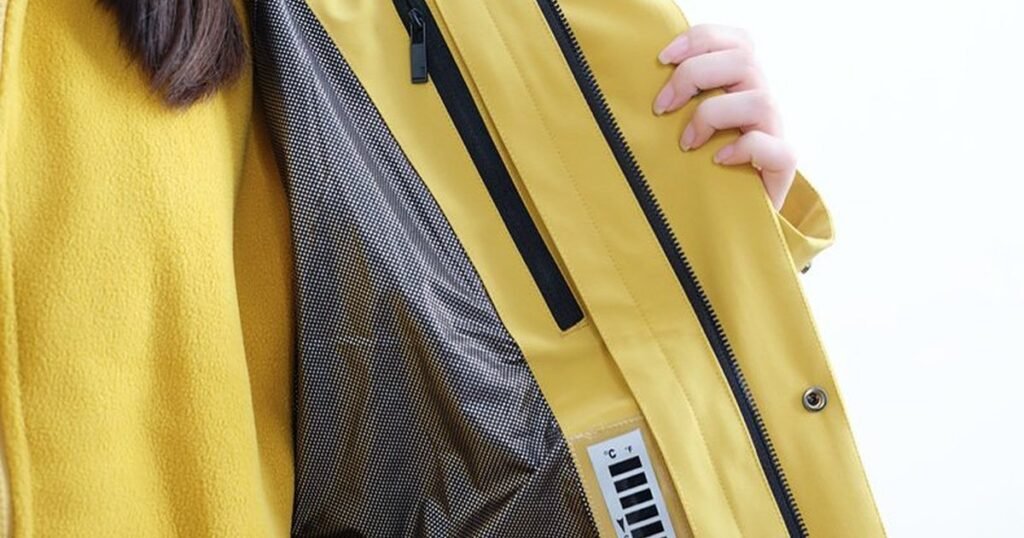
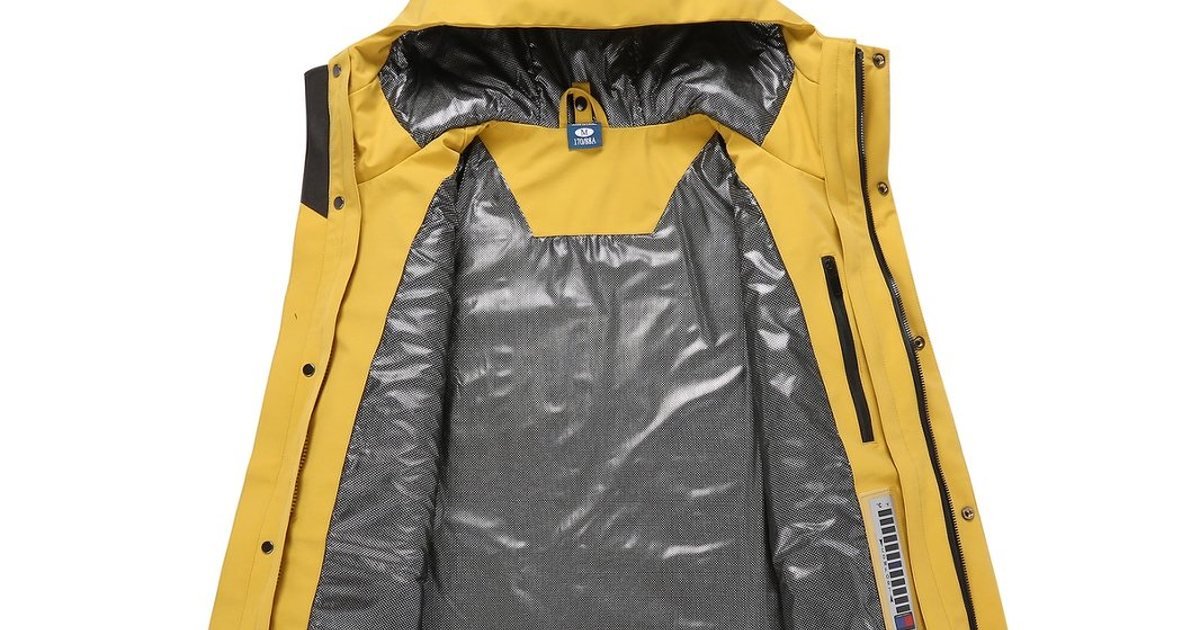
– Pit zips and vents add mechanical breathability for high-output use — the fastest way to dump heat when the membrane alone can’t keep up.
– Lining and layer count (2L, 2.5L, 3L) change both breathability and durability; a 2.5L is light and breathable, a 3L is more durable for hard use.
What to Look for in a Breathable Rain Jacket Manufacturer
Most suppliers will say “breathable” and stop there. The ones worth working with will:
– State the MVTR / RET with a test method, not just the word “breathable”.
– State the waterproof rating (mm) alongside it so you see the full picture.
– Name the membrane type (ePTFE vs PU) instead of hiding it.
– Build a sample you can wear-test before committing a bulk order.
That transparency is rare — in the wider market only a minority of jacket factories report breathability at all, which is exactly why a brand that specs it correctly stands out. We build waterproof-breathable shells to spec with low MOQs and sample-first development, with real MVTR and mm data on the fabric you choose.
FAQ
How do breathable rain jackets work?
A waterproof breathable membrane has pores too small for liquid rain to enter but large enough for sweat vapor to escape, so rain stays out while moisture moves out.
What is a good breathability rating for a rain jacket?
10,000 g/m²/24h MVTR or higher suits active outdoor use; 5,000–10,000 is fine for everyday wear. Pair it with at least a 10,000mm waterproof rating.
Why does my waterproof jacket feel wet inside?
That’s usually sweat that couldn’t escape — low breathability, not a leak. A sealed but non-breathing jacket traps moisture against the body.
ePTFE or PU membrane — which is more breathable?
ePTFE (microporous) is generally more breathable; PU (hydrophilic) is cheaper and more resistant to contamination. The right choice depends on the use case and price point.
Building a rain jacket that has to perform in real activity — not just survive a drizzle? We’ll spec the membrane, MVTR, and construction with you and prove it on a sample. Start a custom rain jacket project →