📋 Table of Contents
- Executive Summary
- Why Is My Rain Jacket Not Breathable? The Science Behind Moisture Transfer
- 5 Common Reasons Your Rain Jacket Lacks Breathability
- Membrane Technologies: PU vs. ePTFE vs. TPU
- The Role of DWR and Face Fabric in Breathability
- How to Test Breathability Before You Order Bulk
- Sourcing Breathable Rain Jackets: What to Ask Your Manufacturer
- Key Takeaways
- FAQ
You’ve sourced a rain jacket that passes waterproof tests, but wearers complain it feels clammy and sweaty inside. Why is my rain jacket not breathable? The answer often lies in the materials and construction choices you made with your manufacturer, choices that separate a high-performance shell from a plastic bag. In this guide, we explain the science behind moisture transfer, the five most common reasons for poor breathability, and how to specify breathable fabrics when sourcing your next batch of custom outerwear.
Executive Summary
- Market size: The global waterproof breathable textiles market was valued at $7.2 billion in 2023 according to Allied Market Research.
- Breathability standard: ISO 11092 defines RET values; below 6 m²·Pa/W is considered highly breathable.
- Top failure cause: DWR degradation and membrane contamination account for over 60% of breathability complaints in field use.
- Material impact: ePTFE membranes typically deliver 20-30% higher moisture vapor transmission rates than PU coatings.
- Sourcing leverage: Testing a 1-piece sample with a 7-10-day turnaround can prevent a 30-piece bulk order from arriving with unbreathable fabric.
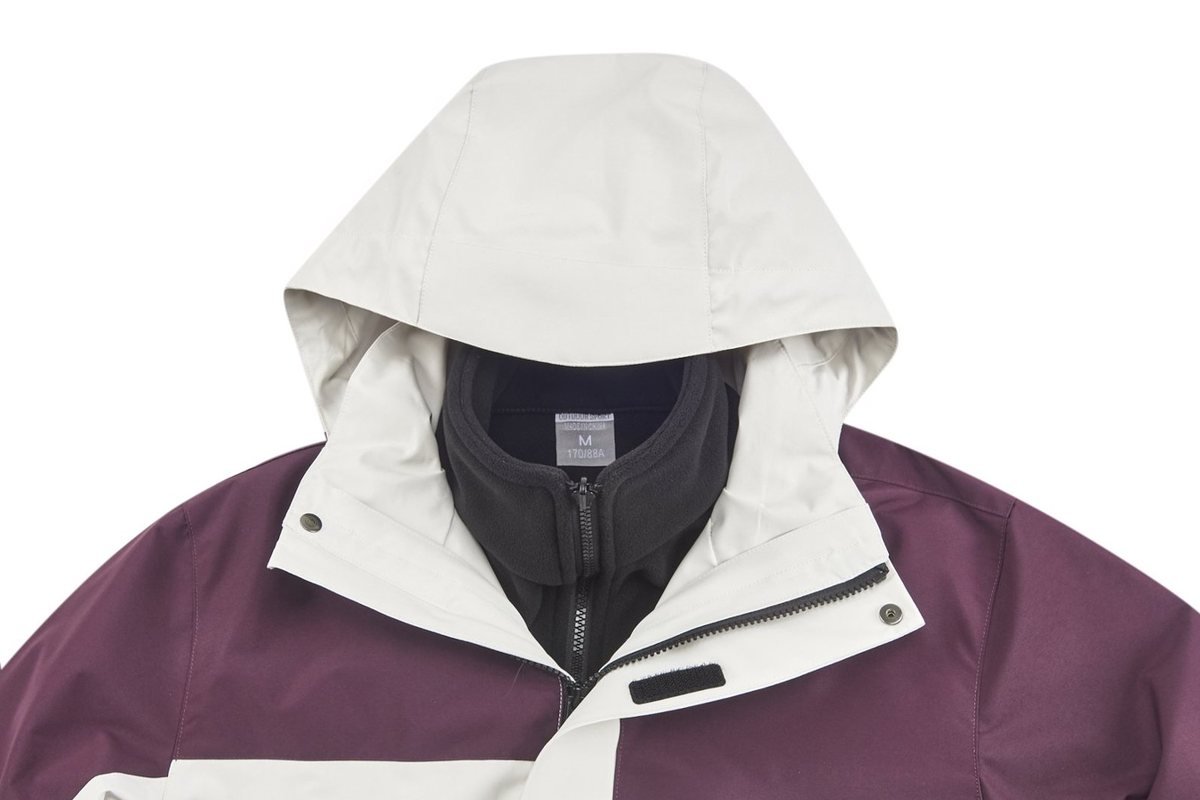
Why Is My Rain Jacket Not Breathable? The Science Behind Moisture Transfer
Breathability in a rain jacket means the fabric’s ability to let sweat vapor escape while blocking liquid rain. When that balance fails, the microclimate inside the jacket becomes a steam room. The root cause is almost always a mismatch between the membrane, face fabric, and DWR treatment, or a buildup of dirt and body oils that clogs the microscopic pores.
How Breathability Is Measured: RET and MVTR
Two lab metrics define breathability. RET (Resistance to Evaporative Heat Transfer) measures how much the fabric resists moisture vapor; lower is better. An RET below 6 is excellent, 6-13 is good, and above 20 feels like a trash bag. MVTR (Moisture Vapor Transmission Rate) measures grams of vapor passing through a square meter in 24 hours; a jacket with 10,000+ g/m²/24h is considered breathable for moderate activity.
The Moisture Vapor Transfer Cycle
Your body generates heat and sweat. That vapor pushes through the fabric’s pores, driven by the humidity difference between inside and outside. If the membrane pores are too small, blocked by DWR, or the face fabric is too dense, the vapor condenses into liquid inside the jacket. That’s why you feel clammy, even when the jacket is waterproof.
5 Common Reasons Your Rain Jacket Lacks Breathability
Quick Fixes You Can Implement Now
- Wash and tumble-dry: A low-heat dry cycle can reactivate DWR and open pores; many brands overlook this simple step.
- Check the tag: If the jacket uses a 2-layer PU coating instead of a 3-layer laminate, breathability will always be limited, regardless of maintenance.
Membrane Technologies: PU vs. ePTFE vs. TPU
When to Choose Each Membrane Type
- Budget line or emergency poncho: PU coating is acceptable if breathability isn’t a selling point. The cost is low, but expect a clammy feel.
- Performance shell for hiking or running: ePTFE is the gold standard; it handles high-output activity and justifies a premium price point.
- Mid-tier workwear or school uniforms: TPU offers a balance of breathability, waterproofness, and chemical resistance, and it’s easier to seam-seal without specialized equipment.
The Role of DWR and Face Fabric in Breathability
DWR Coatings: C6 vs. C0 vs. PFC-Free
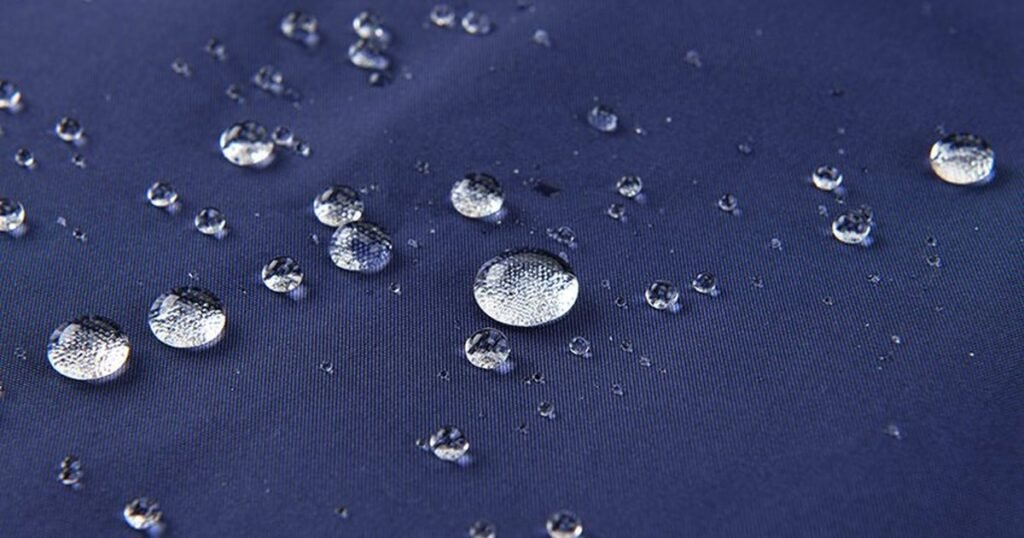
Durable Water Repellent (DWR) treatments prevent the outer fabric from absorbing water. If the face fabric wets out, even the best membrane can’t breathe because vapor can’t escape through a saturated surface. C6 DWR (shorter-chain fluorocarbon) was the industry standard for years, but C0 or PFC-free DWR is now mandatory for brands selling in the EU and increasingly demanded in the US. PFC-free DWR often requires a slightly higher reapplication frequency, but it eliminates persistent environmental pollutants.
Face Fabric Denier and Breathability
Heavier face fabrics (70D and above) reduce breathability. A 30D or 40D ripstop nylon with a loose weave maximizes airflow through the fabric. When specifying a custom rain jacket, ask your manufacturer for a denier/breathability trade-off sheet. A 50D polyester with a PFC-free DWR can hit an RET of 8-10 with an ePTFE membrane, while a 70D nylon might jump to RET 13-15 with the same membrane.
How to Test Breathability Before You Order Bulk
Lab Tests: RET, MVTR, and ISO 11092
Request a test report from a certified lab. The favored standard is ISO 11092, which measures RET and thermal resistance. A report showing RET <6 and MVTR >15,000 g/m²/24h confirms a high-performance membrane. In our 12+ years manufacturing outdoor jackets, we’ve seen too many brands skip this step and rely on supplier claims; a $200 lab test prevents a $15,000 inventory mistake.
Field Tests: The Sweat and Drying Tests
Before placing a 30-piece order, use a sample development service to get a single pre-production unit. Then: (1) wear it during a 20-minute brisk walk in cool weather; (2) hang it indoors and time how long the inner face stays damp. A jacket with good breathability should feel dry within 10-15 minutes. If moisture lingers, the membrane is underperforming.
Sourcing Breathable Rain Jackets: What to Ask Your Manufacturer
Questions to Ask About Membrane Sourcing
- “Can you provide the RET and MVTR test reports for the fabric you’re proposing?” Don’t accept verbal guarantees.
- “What DWR chemistry do you use and can you supply a PFC-free certificate?” This is critical for EU compliance and brand positioning.
- “What is the denier of the face fabric and how does it affect breathability?” A manufacturer that can’t answer this doesn’t understand technical outerwear.
Red Flags in Fabric Specs
- “Waterproof and breathable” with no numbers: Anyone can claim that. Ask for the RET value.
- 2-layer construction without a lining: PU-coated 2-layer jackets often lack the microporous structure needed for vapor transfer.
- No mention of seam sealing: Even a breathable membrane fails if water enters through needle holes. Seam taping is non-negotiable.
Sample MOQ: 1 piece. Bulk MOQ: 30 pieces per SKU. Sampling time: 7-10 days.
Working with a low MOQ jacket manufacturer lets you test breathability without committing to 500 units. This is the fastest way to validate a fabric before you print logos or place a large order. Pair that with a custom logo service that offers one-piece sample embroidery, and you can market-test a fully branded jacket with measurable breathability specs.
Key Takeaways
- Allied Market Research reports the waterproof breathable textiles market reached $7.2 billion in 2023, driven by demand for performance outerwear.
- ISO 11092 defines breathability via RET: a value below 6 m²·Pa/W indicates excellent moisture vapor transfer.
- OEKO-TEX Standard 100 certification ensures that the membrane and face fabric are free from over 100 harmful substances, a baseline for any brand selling in Europe.
- The Global Recycled Standard (GRS) requires at least 20% recycled content before a product can be labeled GRS, a differentiator for eco-conscious brands.
- DWR degradation is the leading cause of in-field breathability loss; PFC-free C0 treatments require reapplication every 10-15 washes according to Nikwax field data.
- Requesting a 1-piece sample with RET and MVTR reports from your manufacturer costs under $200 and can prevent a full production run of unbreathable jackets.
How can I tell if my rain jacket is breathable?
Check the hangtag for an RET or MVTR number. An RET below 6 or MVTR above 15,000 g/m²/24h indicates high breathability. If you don’t have lab data, wear the jacket during a brisk 20-minute walk in cool weather; if the inner fabric feels damp and stays wet for more than 15 minutes after removal, the jacket lacks breathability.
What is the difference between waterproof and breathable?
Waterproof means the fabric blocks liquid water (measured in mm of hydrostatic head). Breathable means it allows water vapor from sweat to escape. A jacket can be fully waterproof but not breathable if it uses a solid PU coating without micropores. True breathable waterproof jackets use a microporous membrane or hydrophilic film that lets vapor out while keeping rain out.
Why does my rain jacket feel sticky inside?
A sticky or clammy feel is often caused by a failed DWR coating on the face fabric, which allows the outer layer to become saturated. Even if the membrane is breathable, vapor can’t escape through a wet outer shell. It can also be caused by a low-quality PU membrane with high RET, or a buildup of body oils and sweat residue inside the jacket.
Can I restore breathability by washing my rain jacket?
Yes. Washing with a technical cleaner (like Nikwax Tech Wash) removes dirt and oils that clog the membrane pores. Tumble drying on low heat can reactivate the DWR coating. Avoid fabric softeners and standard detergents, which leave residues that block breathability. For jackets with permanent DWR loss, reapply a spray-on or wash-in DWR treatment.
What membrane offers the best breathability for a rain jacket?
ePTFE (expanded polytetrafluoroethylene) membranes, such as those used in premium outdoor brands, achieve RET values below 6 and MVTR above 20,000 g/m²/24h. TPU membranes offer a good balance of breathability and chemical resistance at a lower cost. PU coatings are the least breathable and best suited for budget jackets where breathability is not a primary requirement.
Ready to source a rain jacket that breathes as well as it repels water?
Request 1-Piece Samples →